What a Lower Return Idler Does on a Belt Conveyor
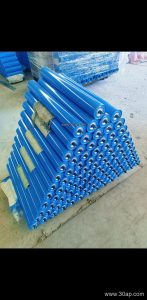
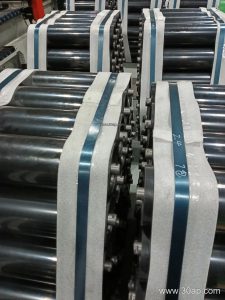
A lower return idler is the roller that carries the empty side of the conveyor belt on its way back to the tail end. While the upper idlers bear the weight of the material, this return roller mainly supports the belt’s own mass and helps keep it tracking in a straight line. In a quarry or a sand and gravel line, the return run is often ignored until the belt starts to sag, drift, or rub against the structure. Choosing the right lower return idler is therefore a small decision with a large effect on belt life and energy use.
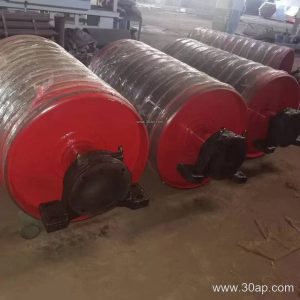
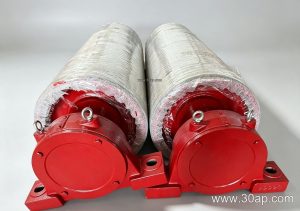
The same component is also called a return roller, a belt return idler, or a bottom idler. These names describe one product, not several. A lower return idler is different from a drive pulley, a tail pulley, or a bend pulley: those are conveyor pulleys that transmit power or change belt direction, while the return idler only supports and guides the belt.
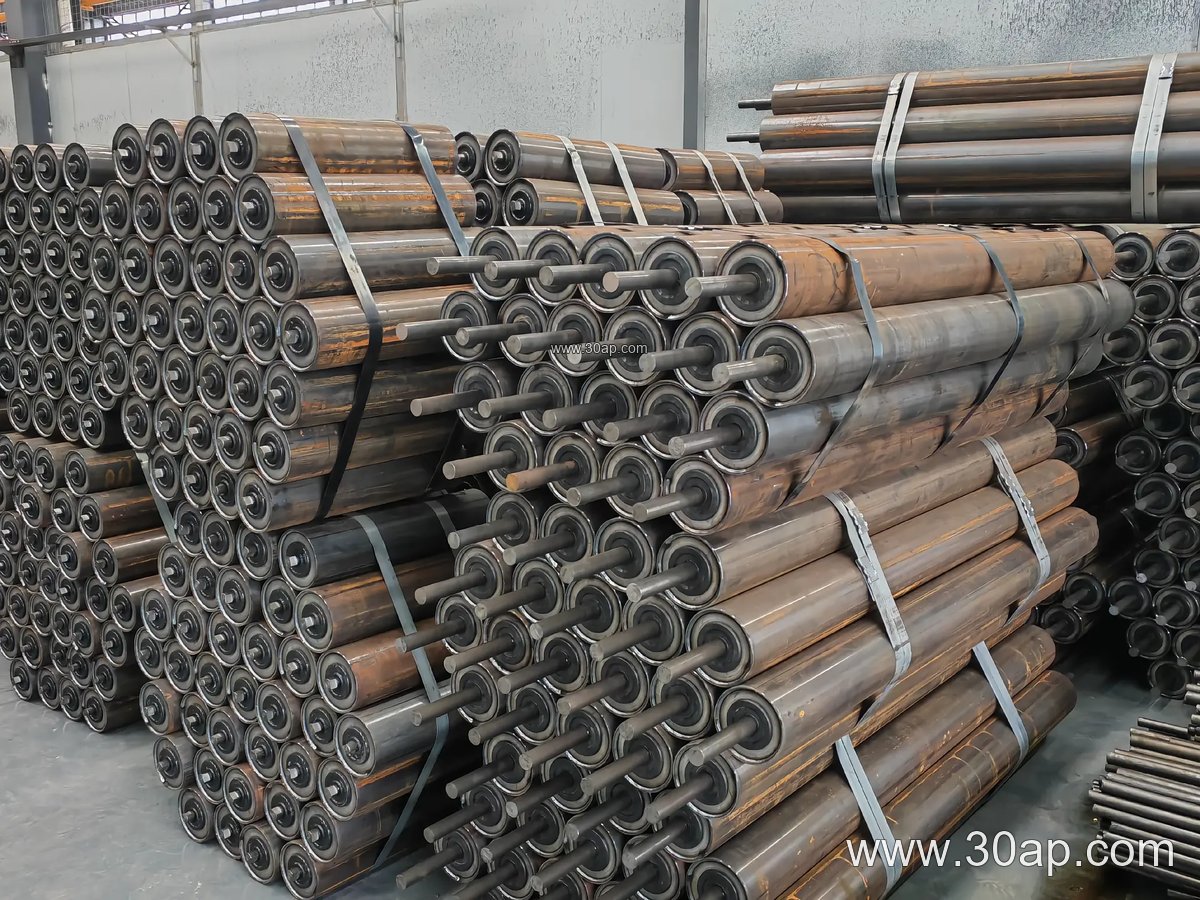
How the Return Roller Is Built
A typical unit consists of a steel tube shell, a shaft, bearing housings, and a sealing arrangement. The shell may be plain steel, nylon-coated, ceramic-covered, or fitted with rubber rings where belt protection matters. Bearings such as 6204, 6205, 6305, 6306, 6308, or 6310 are common, but the bearing size should always follow the actual load and shaft design rather than the belt width alone.
Sealing is the quiet hero of this part. Dust from a crusher, fines from a coal yard, or grit in a cement plant will destroy an unprotected bearing quickly. Labyrinth seals and grease-retention designs are usual in heavy-duty service. A well-sealed return roller runs cooler and lasts longer, especially where a rubber conveyor belt sheds abrasive dust onto the return side.
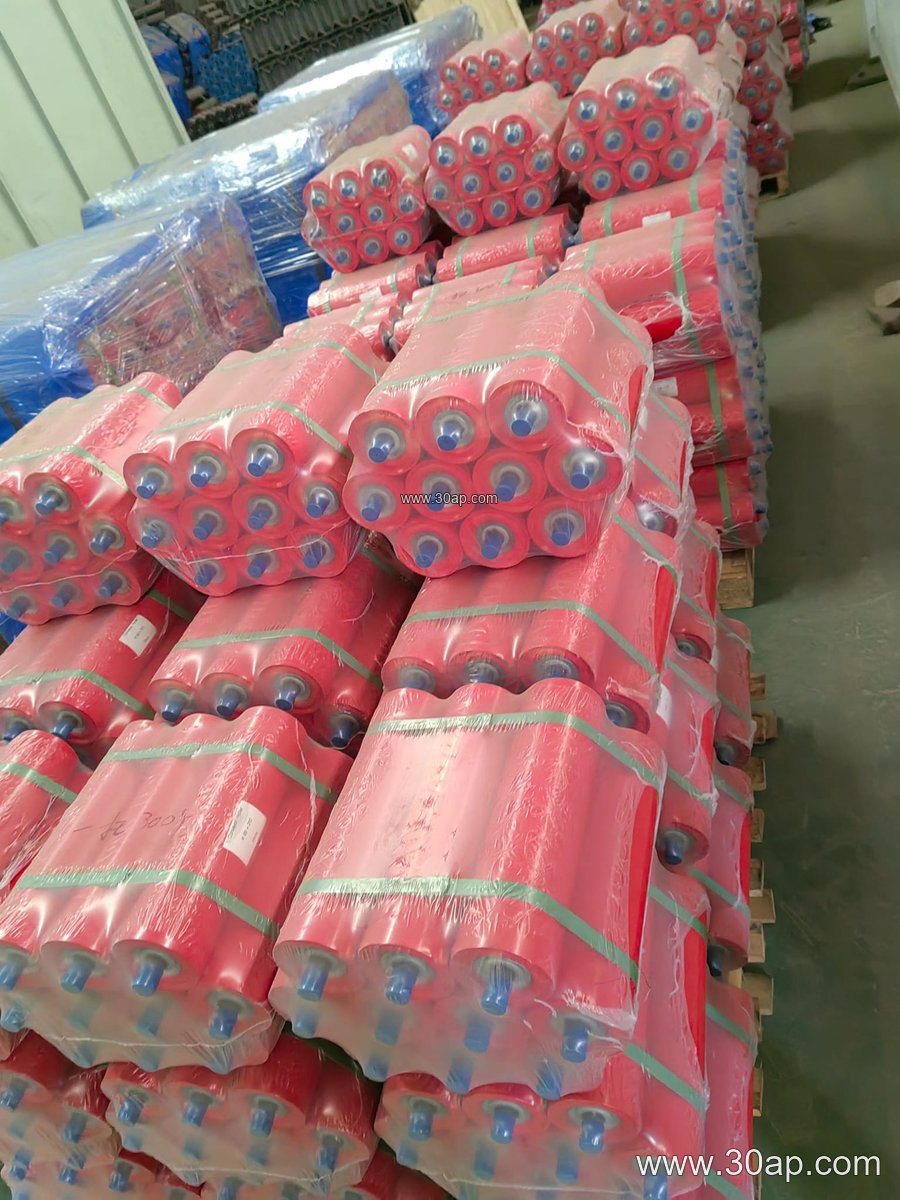
Common Forms and Where They Fit
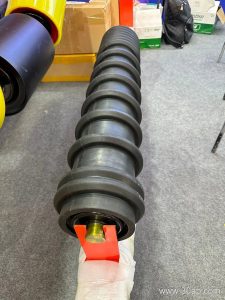
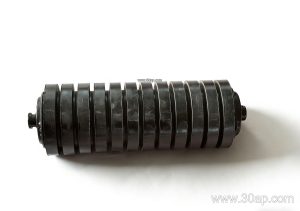
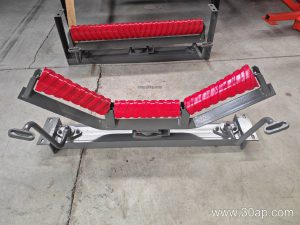
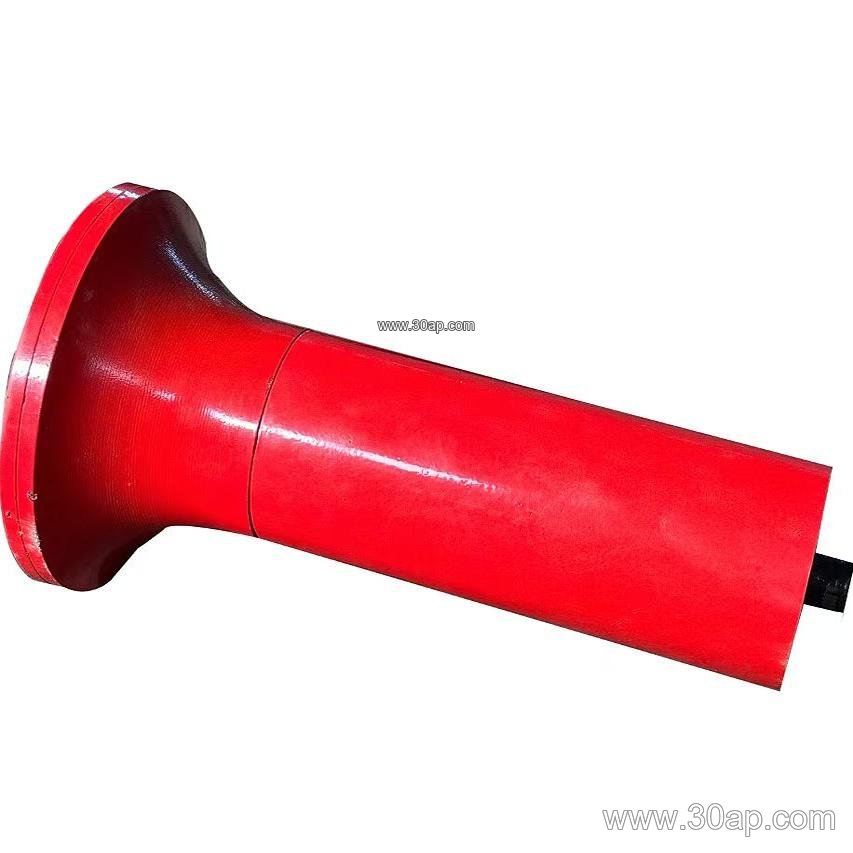
The flat return idler is the standard choice for the empty strand. A V-shaped return idler, usually set at a small angle, helps center the belt and is useful on longer flights. Spiral or helical return rollers shed sticky material, which suits bulk material handling in fertilizer or recycling plants. Rubber-disc return rollers cushion the belt at transfer points, though the main cushioning duty usually belongs to impact idlers on the carrying side.
Roller diameter and belt width are related by design, not by a fixed rule. Typical diameters include Ø63, Ø76, Ø89, Ø102, Ø108, Ø127, Ø133, Ø159, Ø178, Ø194, and Ø219 mm. Belt widths range from B400 up to B2400. A 650mm conveyor belt and a 1200mm conveyor belt will not use the same return roller, yet no single diameter is compulsory for a given width.
| Reference Item | Common Range | Notes |
|---|---|---|
| Roller diameter | Ø63 to Ø219 mm | Selected by load and shaft design |
| Belt width | B400 to B2400 | Roller length follows the frame |
| Bearing | 6204, 6205, 6305, 6306, 6308, 6310 | Matched to duty, not width alone |
| Surface | Steel, nylon, ceramic, rubber ring | Depends on material and belt |
Applications Across Industries
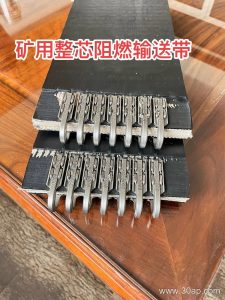
In an iron ore or copper ore operation, the return side often carries a heavy steel cord conveyor belt, so robust rollers and strong brackets are essential. In a coal mining conveyor or an underground coal mining conveyor, flame retardant conveyor belt and anti-static conveyor belt grades are common, and the return idler should match the same safety philosophy. Power plant coal handling and cement plant clinker lines also rely on dependable return support to avoid belt edge damage.
Ports and ship loading conveyors use wide belts, sometimes a 1800mm wide conveyor belt or a 2000mm wide conveyor belt, and the return roller length must suit the frame. In a crushing and screening circuit, an abrasion resistant conveyor belt on the carrying side pairs with a return roller that resists dust ingress. The return idler itself does not need to be heat resistant, but in a sinter plant or high temperature conveyor belt application, heat travel along the belt can still affect bearings.
Buyer Checklist Before Ordering
- Confirm the belt width and the actual frame opening, not just the nominal width.
- State the roller diameter, shaft ends, and mounting type used by the existing conveyor bracket.
- Describe the environment: dust, moisture, temperature, and whether the belt is a PVC conveyor belt, PVG800S conveyor belt, or a heavy-duty mining conveyor belt.
- Ask about sealing and bearing grade, since these decide service life more than shell thickness.
- Check that the return idler is ordered as a return roller, not confused with a conveyor pulley.
For a reliable lower return idler supply, buyers can review roller options at www.misbelt.com and match them with the conveyor belt and conveyor pulley specifications already in use. Good return support is simple, but it keeps the whole belt line running straight.