What a Thick Conveyor Belt Is
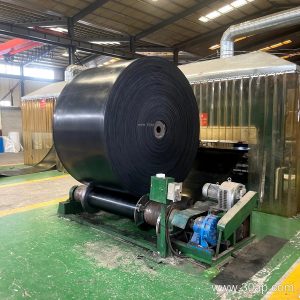
A thick conveyor belt is a heavy-gauge rubber belt built with a substantial cover and a strong carcass so it can carry abrasive, lumpy, or hot bulk materials without rapid wear. In practice, the term usually refers to belts with thicker top and bottom covers, more fabric plies, or a steel cord core, rather than a special product family. Buyers in mining, coal preparation, cement plants, power stations, and quarry and aggregate operations often ask for a heavy-duty conveyor belt when the duty is rough and the belt must survive impact at transfer points.
The same product is also described as a heavy-gauge rubber conveyor belt or a high-thickness belt. These are equivalent names for the same item, not different belt types.
How the Belt Is Built
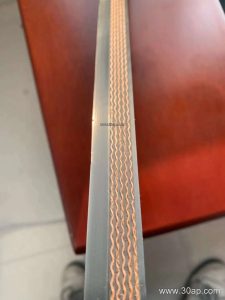
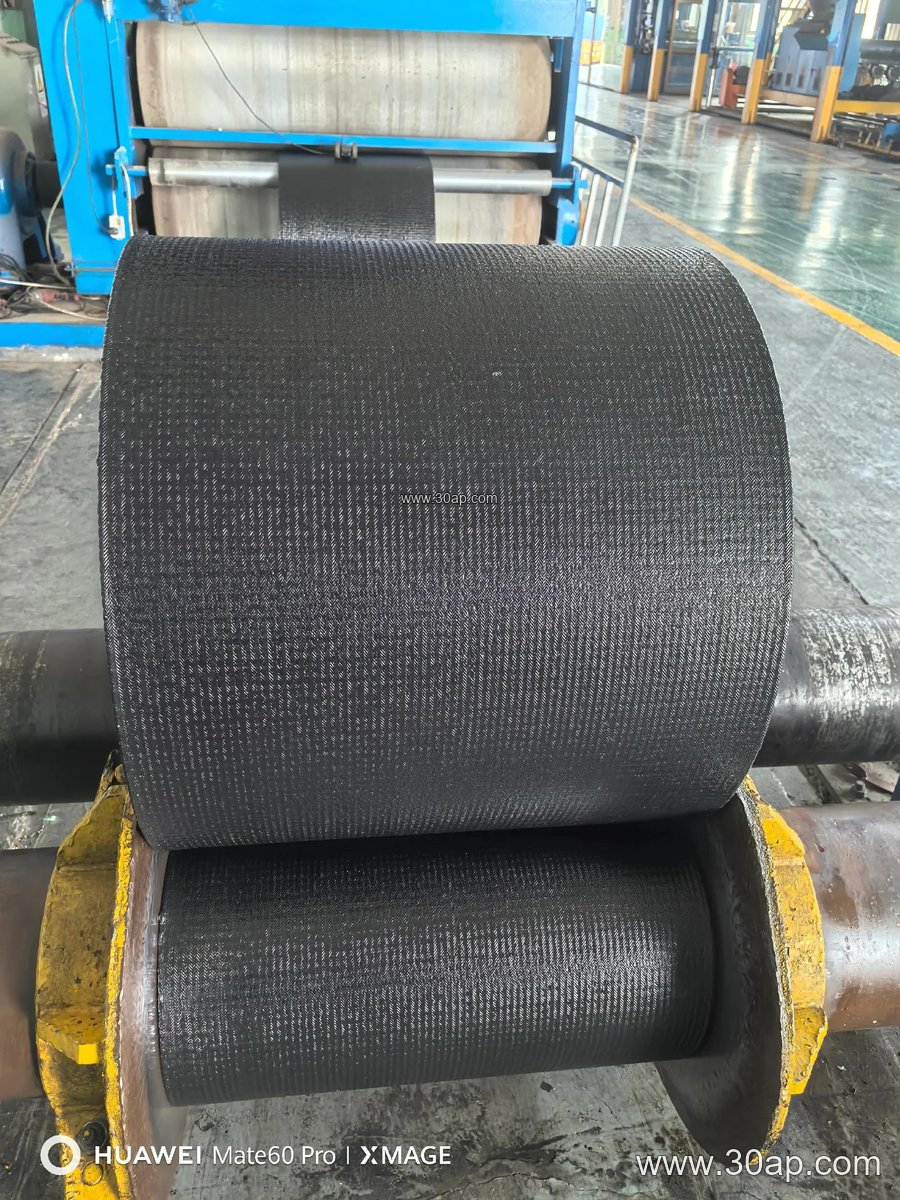
Construction starts with the carcass, which carries the tension. Common options include multi-ply fabric core belts, EP conveyor belts with polyester-nylon fabric, NN conveyor belts with nylon-nylon fabric, and steel cord conveyor belts for very long or high-tension runs. The rubber covers are vulcanized to the carcass, and the cover gauge is chosen to match the material being carried.
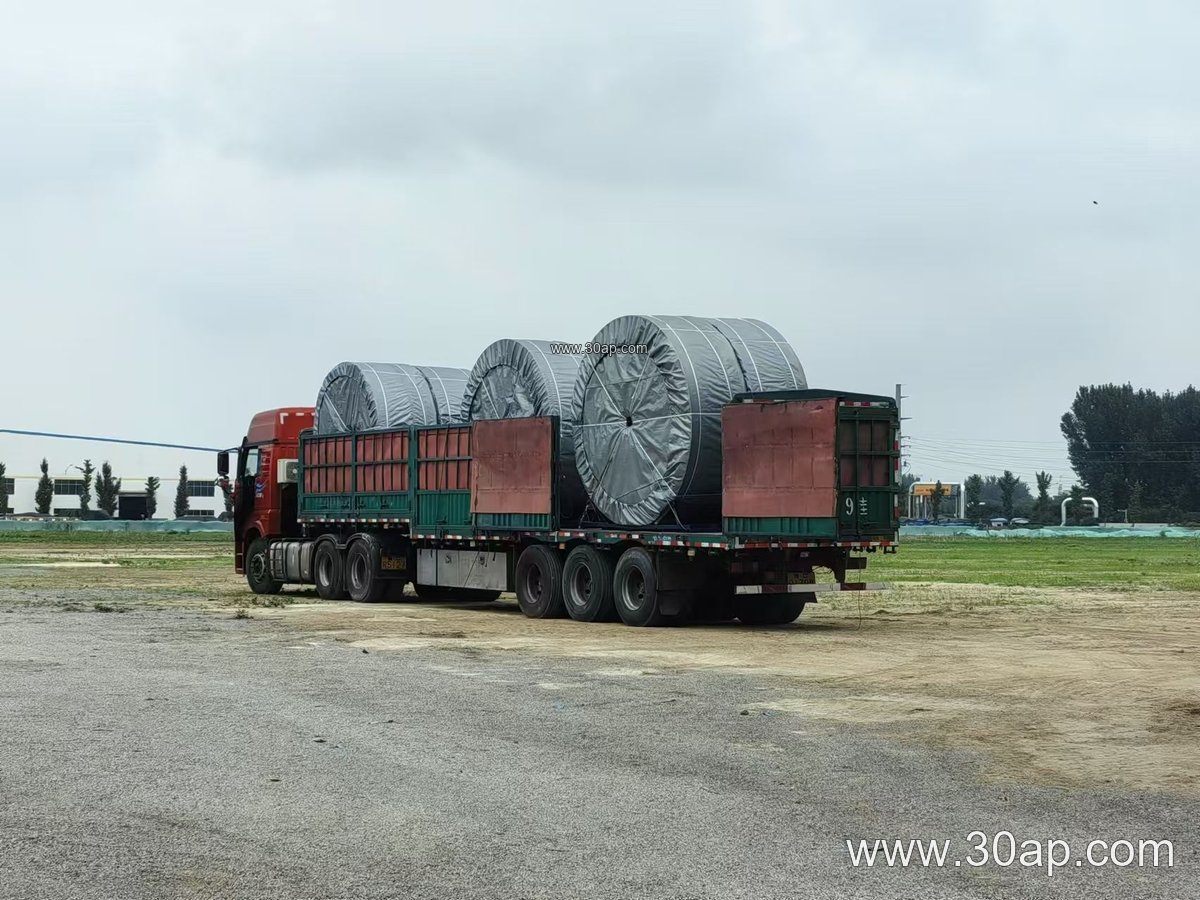
A thicker cover protects the carcass from cutting, gouging, and abrasion. A thicker carcass adds strength and impact resistance. The two ideas are related but not identical, which is why a buyer should specify both cover thickness and carcass type.
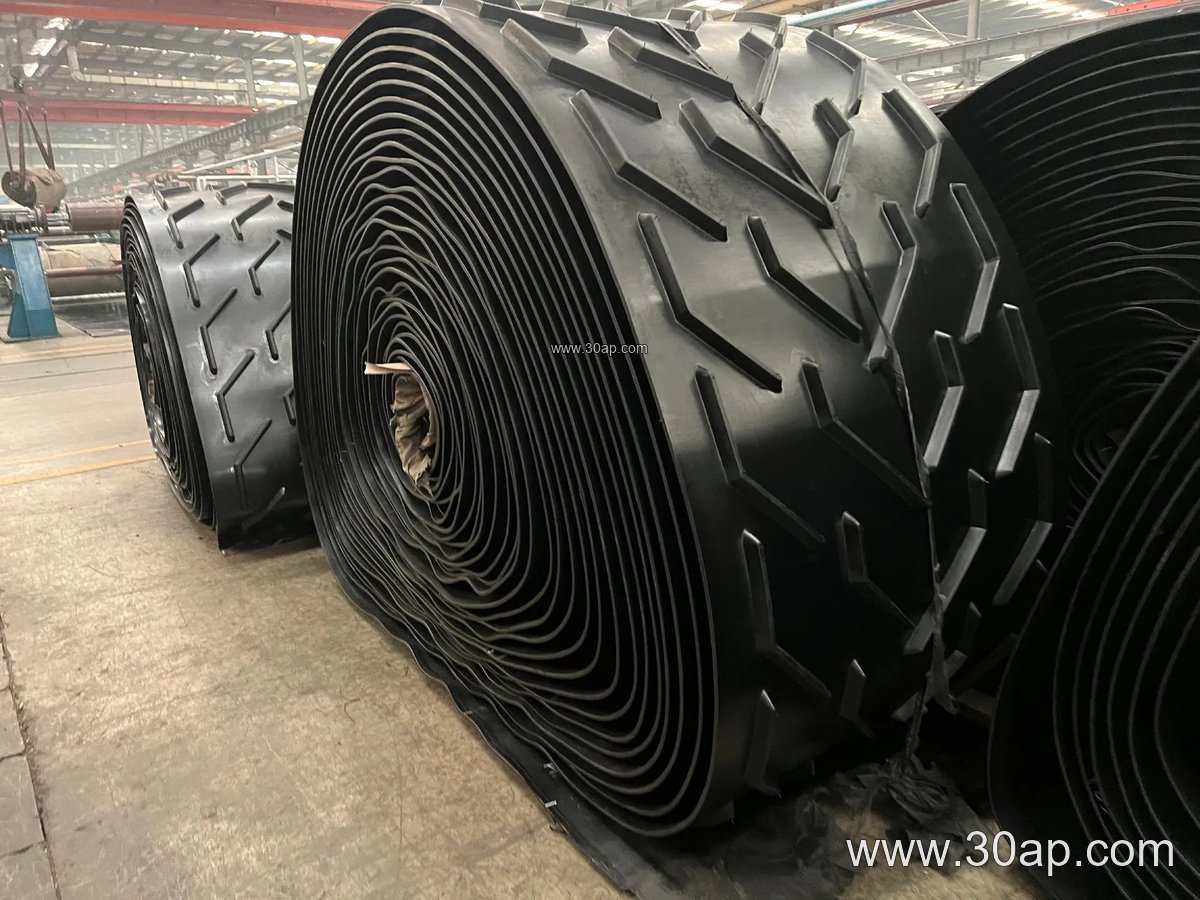
- Cover compounds: abrasion resistant, heat resistant, oil resistant, flame retardant, anti-static, cold resistant
- Carcass styles: multi-ply fabric, EP, NN, steel cord
- Surface forms: plain, chevron, skirted, corrugated sidewall
Typical Reference Data
The values below are common reference points only. Actual belt construction is set by the conveyor design, the material, and the manufacturer.
| Item | Common Reference Range |
|---|---|
| Belt width | B500, B650, B800, B1000, B1200, B1400, B1600, B1800, B2000 |
| Fabric strength grades | EP200, EP315, EP400, EP500, EP630, EP800, EP1000, EP1250, EP1600, EP2000 |
| Cover thickness | 3+1.5, 4+2, 5+2, 6+2, 8+3 mm |
| Fabric plies | 2 to 6 layers, depending on duty |
For example, an EP1000 1200mm conveyor belt with a 6+2 mm cover may suit a primary crushing discharge, while a 1500mm wide or 1800mm wide belt with a steel cord carcass may be selected for a long overland run. Belt width and pulley diameter are matched through the conveyor design, not by a fixed rule.
Where Thick Belts Are Used
Heavy-duty mining conveyor belts and coal mining conveyor belts are obvious users, especially underground coal mining conveyor belts that must be flame retardant and anti-static. Cement plant conveyor belts handle clinker and limestone, power plant conveyor belts move coal and ash, and quarry conveyor belts and aggregate conveyor belts carry crushed stone. Crusher conveyor belts and rock conveyor belts take sharp impact loads, while iron ore conveyor belts and copper ore conveyor belts need high abrasion resistance.
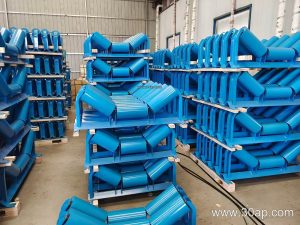
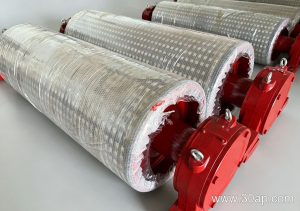
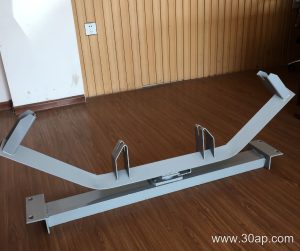
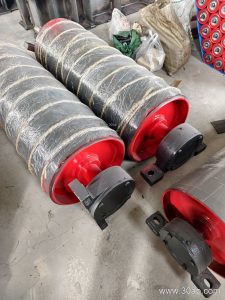
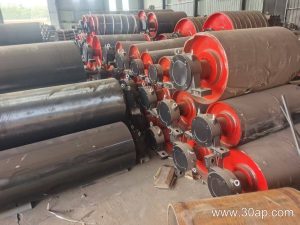
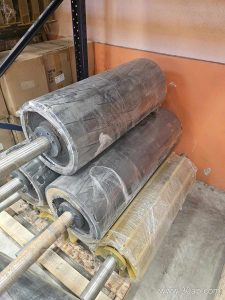
Port conveyor belts and ship loading conveyor belts often use wide, thick belts for high tonnage. Recycling and construction sites use them for mixed debris. In all these settings, the belt works with conveyor pulleys, idler rollers, and conveyor brackets, and the whole system must be designed together.
Buyer Checklist
- Confirm the material: size, temperature, moisture, oil content, and abrasiveness
- State the required cover thickness and carcass grade, not just the belt width
- Check flame retardant and anti-static needs for underground or dusty areas
- Match belt thickness to pulley and idler geometry through the conveyor designer
- Plan splicing, storage, and inspection before the belt arrives
Thicker belts are heavier and less flexible, so they need careful handling at installation. A thick conveyor belt is a sound choice when wear life and impact resistance matter more than light weight, and it pays to define the duty clearly before ordering.
For related equipment such as idler rollers, conveyor pulleys, and conveyor brackets, keep the belt specification and the conveyor layout in one document so nothing is mismatched.