Understanding the Role of a Conveyor Bracket
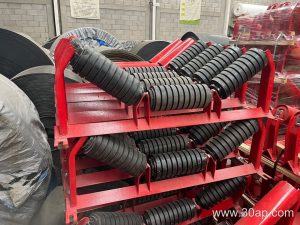
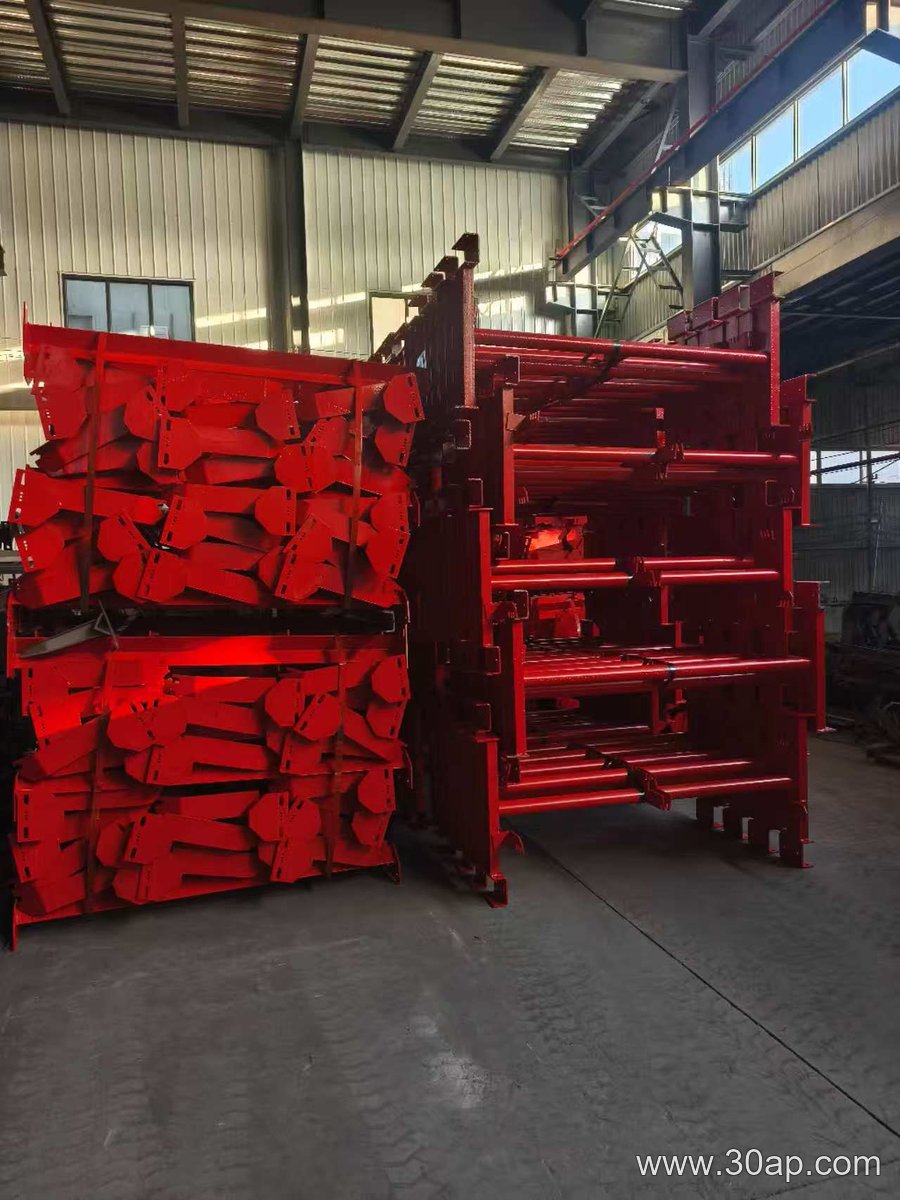
A conveyor bracket is the load-bearing connector that secures rollers, idlers, or belt support structures to the conveyor frame. Its integrity directly affects alignment, vibration, and operational uptime.
Key Material and Coating Choices
Steel brackets dominate heavy-duty lines, while stainless variants suit food or corrosive environments. Powder-coated or galvanized finishes extend service life outdoors.
Fit, Adjustment, and Load Ratings
- Verify slot widths and hole patterns match your existing frame.
- Choose adjustable brackets for belt tracking fine-tuning.
- Always compare dynamic load ratings—not just static—to avoid fatigue failure.
Purchasing Advice
Request dimensional drawings and samples before bulk orders. For retrofit projects, measure center distances and shaft diameters twice. Consider vibration-damping pads if your line runs high-speed. Prioritize suppliers with ISO certification and stock replacement parts.
Understanding conveyor belt core specifications
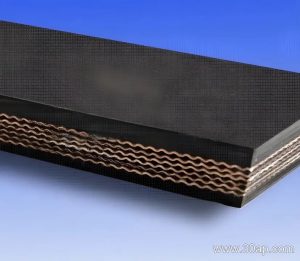
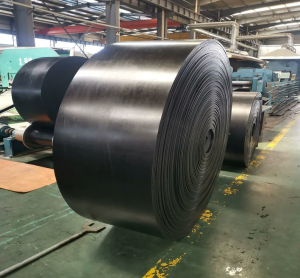
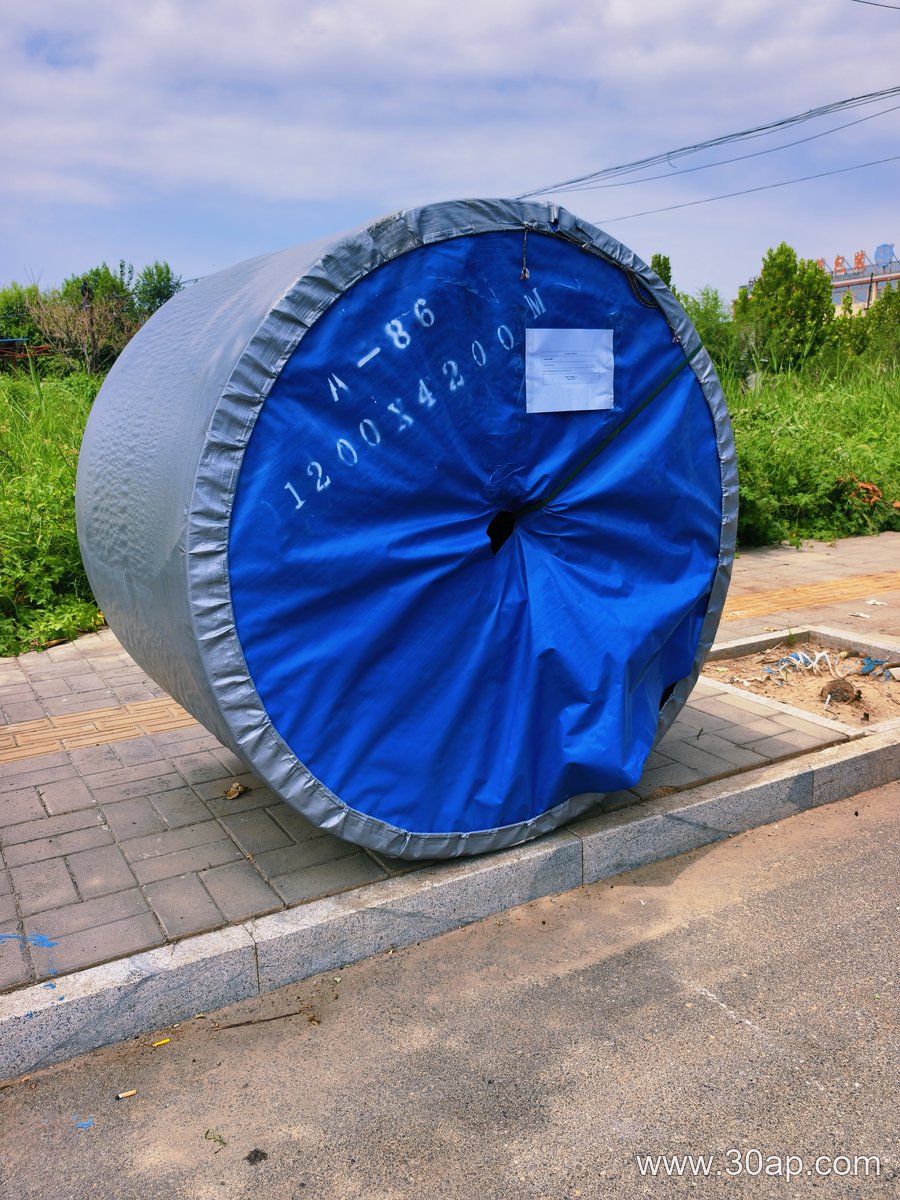
A conveyor belt is the backbone of material handling. Its performance depends on three factors: tensile strength, cover thickness, and operating temperature range. Before purchasing, measure your load weight and belt speed.
Material selection matters
For abrasive bulk goods, choose a rubber belt with high abrasion resistance. For food processing, opt for a smooth, FDA-approved polyurethane or PVC belt. For steep inclines, a chevron or cleated surface prevents slippage.
Frame and splice compatibility
Match the belt to your existing pulley diameter and idler spacing. Verify splice type—mechanical fasteners suit lighter loads; vulcanized splices offer smoother running and longer life for heavy duty use.
Purchasing advice
- Request a technical datasheet listing elongation at break and operating tension.
- Test a sample for oil, heat, or chemical exposure relevant to your environment.
- Consider belt tracking guides and tensioning systems to reduce downtime.
- Compare total cost of ownership: energy consumption, maintenance intervals, and replacement frequency.
Always consult the manufacturer for confirmation on belt thickness and carcass ply for your specific conveyor length and load profile.
Understanding Idler Roller Function and Design
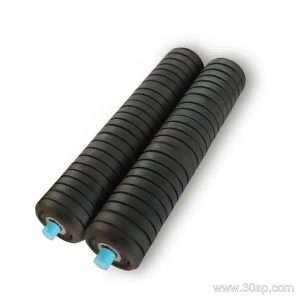
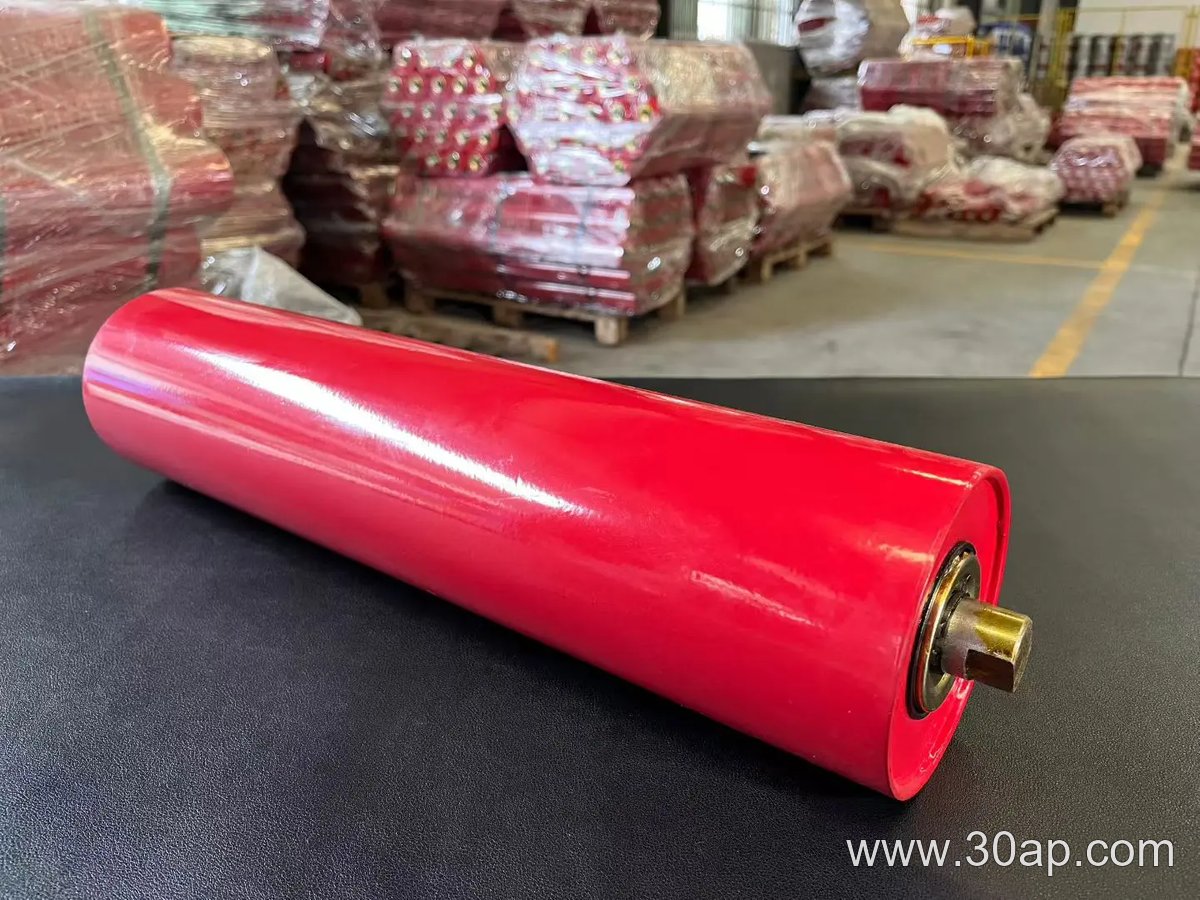
An idler roller is not merely a supporting cylinder; it shapes the belt curve, absorbs impact, and controls tracking across bulk handling systems. Choosing the wrong profile leads to premature belt wear, spillage, and unplanned downtime.
Material and Load Considerations
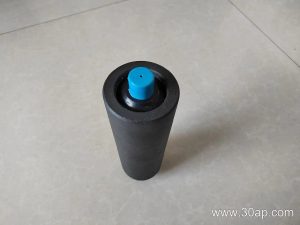
Steel rollers suit abrasive ores, while HDPE or rubber-coated versions reduce noise and static in sensitive environments. Always match the roller diameter and bearing class (C3 or C4) to your belt speed and lump size.
Key Selection Criteria
- Check shell thickness (min 4 mm for heavy loads) and seal effectiveness against dust.
- Verify shaft deflection limits under peak tension.
- Request a true-run tolerance under 0.3 mm to prevent belt wander.
For purchasing, measure existing frames and idler spacing before ordering. Inquire about the lubrication interval—sealed-for-life rollers reduce maintenance but may require higher initial investment. Prioritize reputable manufacturers that provide certified impact test data.
Why the Conveyor Pulley Demands Your Attention
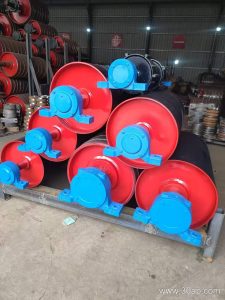
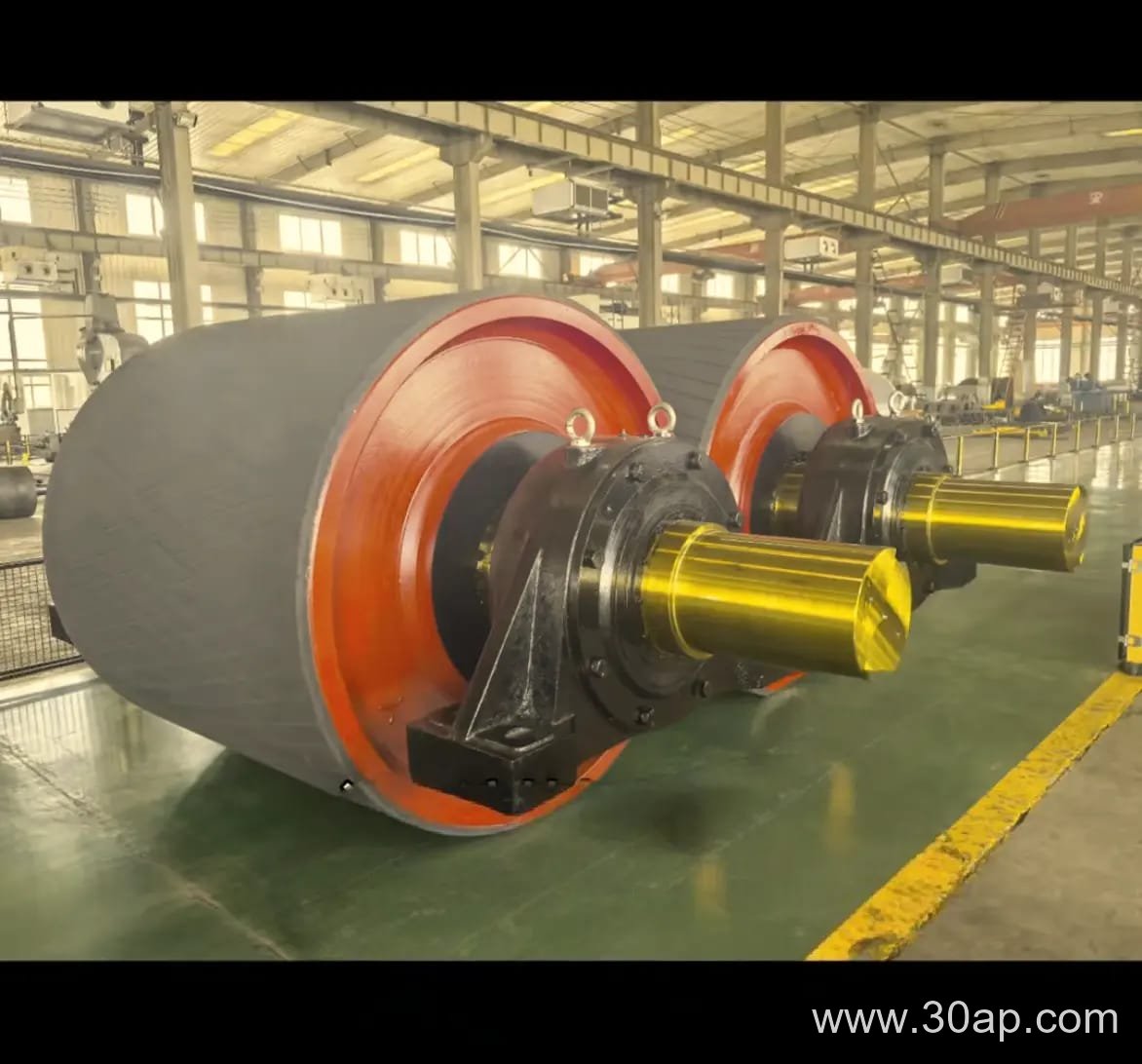
The conveyor pulley is not just a rotating cylinder—it is the primary driver and tensioner of your entire belt system. A poorly selected or maintained pulley causes belt slippage, misalignment, and costly downtime. For any bulk handling operation, understanding pulley types, materials, and sizing is the first step toward longevity.
Key Selection Criteria for Conveyor Pulleys
- Load and duty class: Match the pulley’s shaft diameter, hub design, and shell thickness to your peak belt tension and lump size. Heavy-duty mining requires CEMA E or F ratings, while lighter aggregate lines may use CEMA C.
- Lagging choice: Ceramic lagging increases grip for high-tension drives; rubber lagging suits general use and reduces wear. Do not skip lagging on the drive pulley.
- Crown vs. flat face: A crowned face (up to 1.5° taper) centers the belt automatically. Use flat face only for snub or bend pulleys where belt tracking is not critical.
Purchasing and Maintenance Advice
Always specify the exact pulley face width—typically belt width plus 2 to 4 inches. Verify that the bearing housing and shaft fit your existing frame, and request a dynamic balancing report for pulleys operating above 400 fpm. Finally, schedule regular visual checks for lagging wear, weld cracks, and shaft deflection. A proactive spare pulley on site can reduce unscheduled stoppages by hours.