What a Mining Equipment Idler Does on the Line
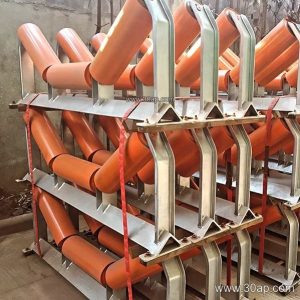
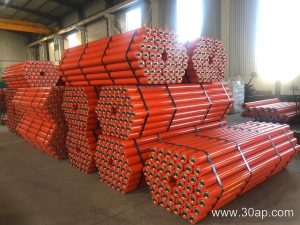
A Mining Equipment Idler is the rotating roller assembly that supports and guides the conveyor belt along its route. In a quarry, a coal preparation plant, or an iron ore transfer station, the belt carries a heavy load and the idlers take the vertical force, keep the belt tracking, and reduce friction between the belt and the frame. The idler roller itself is a simple component, but it is one of the most numerous parts on a conveyor, so its quality has a direct effect on uptime and maintenance cost.
The same product is often called a conveyor idler or a belt idler roller. These are accurate equivalent names for the same item, and they appear in spare parts lists, drawings, and maintenance manuals. A drive pulley, a tail pulley, and a bend pulley are different components that transmit or redirect belt tension, so they should not be confused with idlers when ordering spares.
How an Idler Roller Is Built
A typical idler roller consists of a steel tube shell, a shaft, bearing housings at each end, sealed bearings, and a shell surface that may be plain steel, nylon, ceramic, or covered with rubber rings. The seal is critical in dusty conditions, because fine rock dust and coal dust can enter the bearing and shorten service life. Common bearing sizes include 6204, 6205, 6305, 6306, 6308, and 6310, but the correct bearing depends on the roller diameter, load, and duty, not on belt width alone.
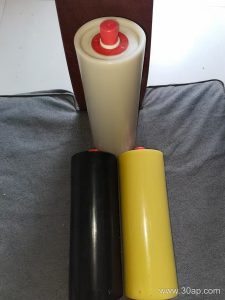
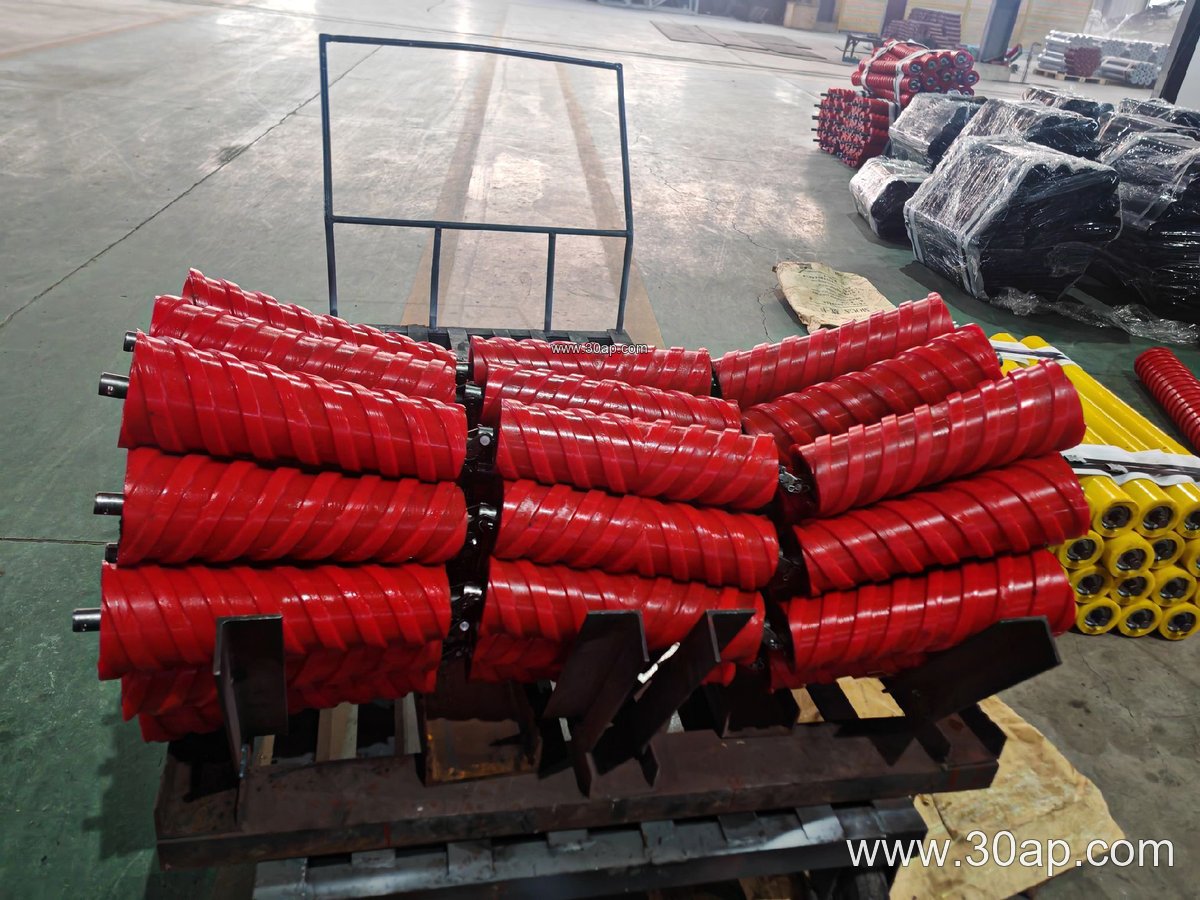
The roller surface can be chosen for the application. Rubber rings are common on impact idlers under a crusher discharge, while ceramic or nylon covers may be used where sticky material builds up. The shell material and wall thickness also influence how well the roller resists wear from sharp aggregate and ore.
Where Idlers Are Used in Bulk Handling
These rollers are used wherever a conveyor belt moves bulk material. In a limestone quarry, carrying idlers support the loaded belt on the long incline, while return idlers hold up the empty strand underneath. In a coal preparation plant, flame retardant and anti-static belt grades are often specified, and the idler frames are designed to keep the belt aligned through transfer points. In a power plant coal yard or a cement plant clinker line, heat and abrasion both matter, so the roller surface and bearing seal must suit the local conditions.
Other common locations include sand and gravel lines, crushing and screening plants, port ship loading systems, and tunnel spoil removal. The idler selection should follow the actual belt width, belt speed, material lump size, and loading pattern rather than a single standard figure.
Common Idler Types and Where They Fit
The main carrying arrangement is the three-roll troughing set, which forms the belt into a trough so that bulk material stays centered. Two-roll and single-roll sets appear in narrower or special conveyors. Transition idlers are placed near pulleys to ease the belt from a flat to a troughed profile. Return idlers support the empty belt; V-shaped return idlers help with tracking and shed material. Impact idlers and rubber ring impact idlers are placed under loading points. Self-aligning idlers, including friction and tapered types, correct minor belt wander. Spiral idlers are used where sticky material tends to build up on the roller face.
Trough angles commonly include 20, 30, 35, and 45 degrees. A steeper trough can improve material containment on a high-capacity line, but it also affects belt stress and the transition zone. Forward tilt of about 1.5 to 2 degrees is sometimes used on carrying idlers to assist tracking. These are design choices, not universal rules.
Dimensions a Buyer Should Confirm
Idler size is usually described by roller diameter, roller length, bearing size, and frame arrangement. Common roller diameters include Ø63, Ø76, Ø89, Ø102, Ø108, Ø127, Ø133, Ø159, Ø178, Ø194, and Ø219 mm. Belt widths are commonly B400 through B2400, but a given belt width does not lock the user into one pulley diameter or one shaft size. Roller length changes with belt width, trough angle, and the number of rolls in the set. The table below gives common examples for three-roll troughing sets; side rolls and center rolls may differ.
| Belt width | Example roller length (three-roll troughing set) | Typical trough angle range |
|---|---|---|
| B500 | about 200 mm | 20 to 35 degrees |
| B650 | about 250 mm | 20 to 35 degrees |
| B800 | about 315 mm | 20 to 35 degrees |
| B1000 | about 380 mm | 30 to 35 degrees |
| B1200 | about 465 mm | 30 to 35 degrees |
| B1400 | about 530 mm | 30 to 45 degrees |
| B1600 | about 600 mm | 30 to 45 degrees |
| B1800 | about 670 mm | 30 to 45 degrees |
| B2000 | about 750 mm | 35 to 45 degrees |
These figures are common references, not fixed matching rules. The conveyor designer should confirm the shaft diameter, bearing seat, and frame dimensions for each application.
Selection and Maintenance Notes
When specifying a Mining Equipment Idler, match the roller to the belt, the material, and the environment. Abrasion resistant belt covers and heavy-duty mining conveyor belt constructions often pair with robust idler shells and good seals. In underground coal mining, flame retardant and anti-static requirements may apply to the belt, and the idler frame should be compatible with the tunnel profile. For a crusher conveyor belt or a quarry conveyor belt, impact idlers at the loading point reduce belt damage from large lumps.
- Check that the roller rotates freely and that the seal is intact before installation.
- Keep the idler frame square to the belt centerline to avoid tracking problems.
- Inspect return idlers for material buildup, which can wear the belt edge.
- Replace damaged rollers in sets where alignment is affected, not only the failed unit.
At www.bulkconveyorparts.com/mining-equipment-idler, buyers can review idler roller options alongside conveyor belt and conveyor pulley information. A spare parts plan that records roller diameter, length, bearing number, and frame type will make future replacement faster and more accurate.