What a High Wear-Resistant Lagged Pulley Does
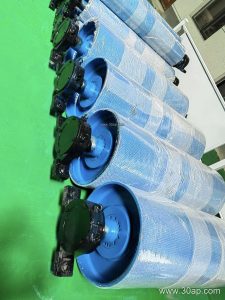
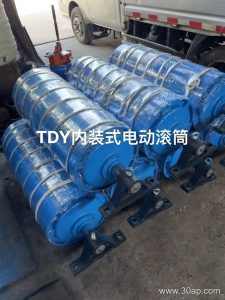
A high wear-resistant lagged pulley is a conveyor pulley whose shell carries a tough rubber or ceramic lagging layer that grips the belt and absorbs abrasive attack. In a quarry or a limestone mine, the pulley is often the part that decides whether a conveyor keeps its grip on a loaded belt, especially where grit, dust and moisture are present. The lagging protects the shell from sliding wear and raises friction between drum and belt, which helps limit slip. The pulley is one part of the whole conveyor pulley assembly, and it works together with the conveyor belt as a single traction system.
This is a family of pulleys rather than a single model. Drive positions, tail positions and bend positions all use the same basic shell, shaft and bearing arrangement, but the lagging specification changes with duty.
Construction and Surface Options
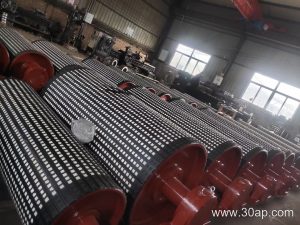
The body is normally a welded steel shell with machined end discs, a through shaft, bearing housings and a hub connection. Lagging is applied as hot-vulcanised rubber, cold-bonded rubber sheet, cast rubber, diamond-groove rubber, chevron rubber, plain rubber or ceramic tile. Thickness commonly falls between 8 mm and 20 mm, and the choice depends on how abrasive the material is and how much grip is required.
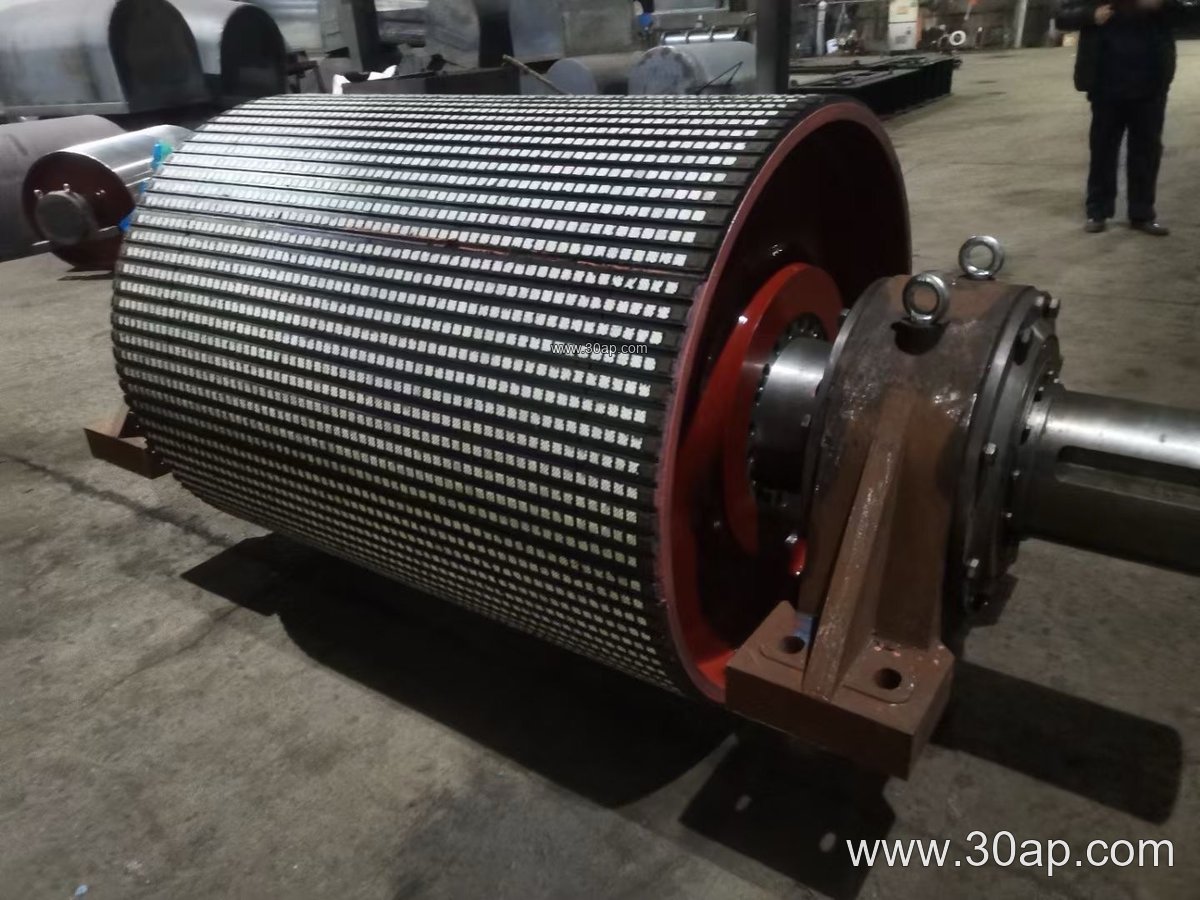
Ceramic lagging suits fine, sharp and wet conditions because the tiles resist cutting and keep friction high. Rubber lagging with a diamond pattern is a common general-purpose choice for bulk material lines. The pulley face width is usually a little wider than the belt, so a B800 belt typically runs on a pulley around 950 mm wide, while a B1200 belt would use a face near 1400 mm.
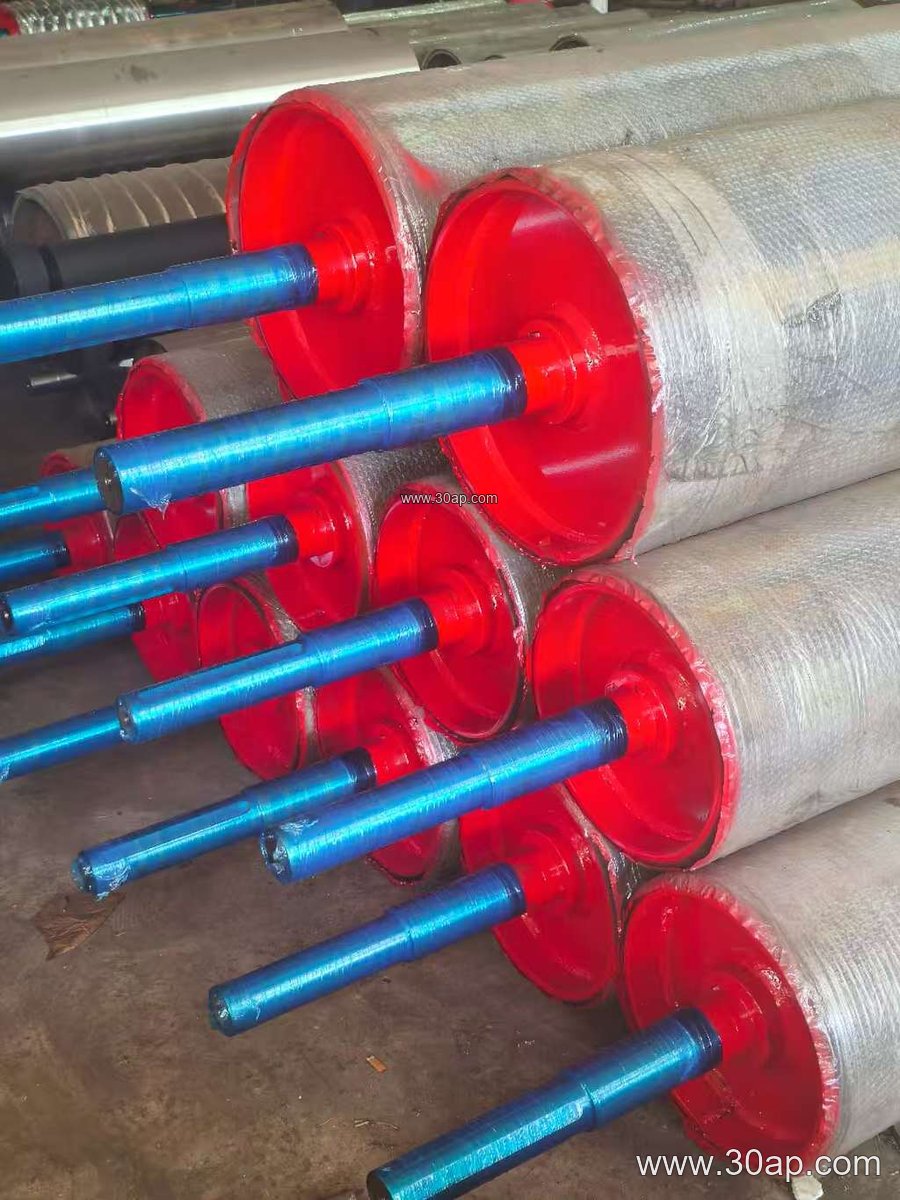
Typical Sizes and Diameter Selection
Diameter is selected from belt tension, wrap angle and shaft load, not from belt width alone. A B800 belt may run on a Ø500 drum with a Ø80 shaft, or on a larger Ø630 drum when tension is higher. A B1200 line often uses Ø800 to Ø1000. A B1400 conveyor may use Ø800 or Ø1000 depending on the drive layout.
Common combinations such as B800 × Ø500, B1200 × Ø1000 and B1400 × Ø800 are useful references, but they are not fixed pairings. Shaft diameter is determined by torque and bending load; Ø50 to Ø200 covers many heavy-duty units, and the final value comes from engineering calculation.
| Belt width | Typical pulley face | Example diameter range |
|---|---|---|
| B400 | about 500 mm | Ø200 to Ø315 |
| B650 | about 750 mm | Ø250 to Ø400 |
| B800 | about 950 mm | Ø315 to Ø500 |
| B1000 | about 1150 mm | Ø400 to Ø630 |
| B1200 | about 1400 mm | Ø500 to Ø800 |
| B1400 | about 1600 mm | Ø630 to Ø1000 |
Where It Is Used
These pulleys appear in stone crushing plants and aggregate yards, in cement works handling clinker, and in power station coal handling. A high wear-resistant lagged pulley is particularly useful at the head or drive position of a crusher discharge belt, where sharp rock fines and heavy load combine.
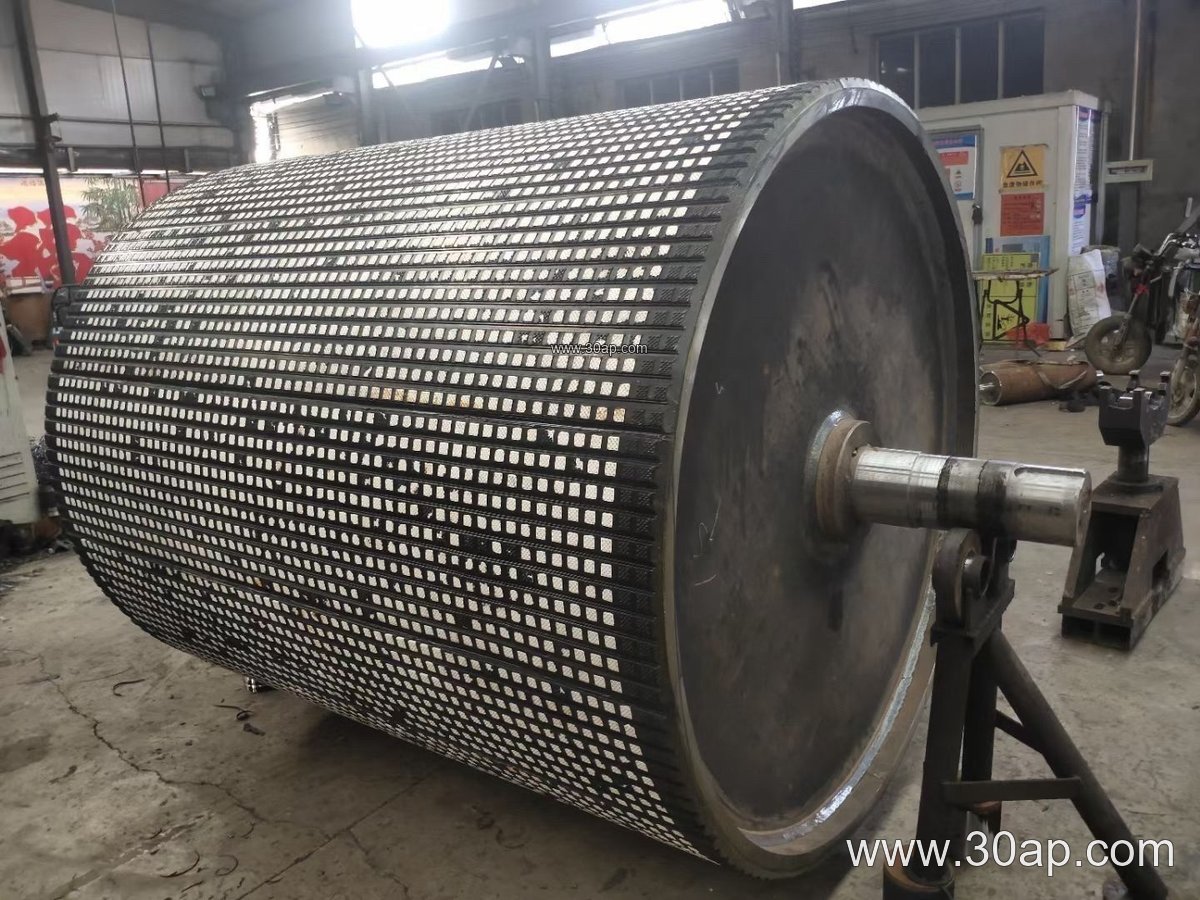
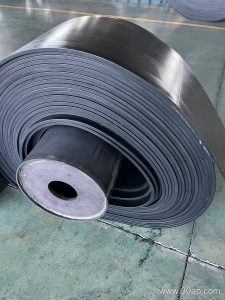
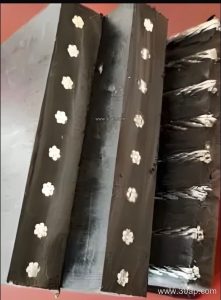
They also suit iron ore and copper ore conveyors, port bulk terminals and sinter plants. On an abrasion resistant conveyor belt line carrying run-of-mine material, the drive drum with ceramic or thick rubber lagging usually lasts much longer than a plain steel face.
Buyer Notes
Buyers should confirm belt width, pulley diameter, shaft size, bearing type, lagging material and lagging thickness as a set. A pulley ordered for a 1200mm wide belt may need a different shaft from a similar drum on a short line. Specify the application: coal, sand, clinker or wet ore all point to different lagging choices. Also confirm the mounting position, because a drive pulley, a tail pulley and a bend pulley are not interchangeable, and the lagging pattern on a bend drum is usually simpler than on a drive drum.
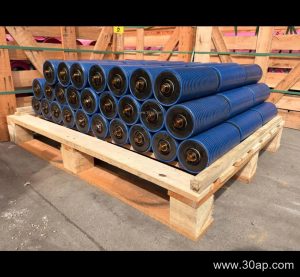
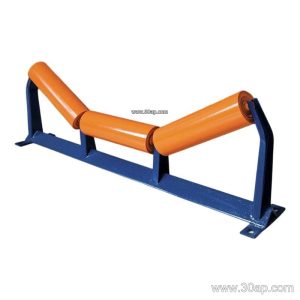
Inspect lagging bond quality, tile spacing and end sealing on delivery. Check that the pulley mates correctly with the conveyor belt and the conveyor bracket, and keep a spare drum for critical lines. Related components such as the idler roller and the belt itself should be matched to the same duty class for reliable service.