Understanding the Return Idler Bracket
A return idler bracket is a structural component that supports the return idlers on the lower run of a conveyor belt. It keeps the idler roller in the correct position, ensuring the belt returns smoothly after discharging material. Commonly called a return conveyor bracket, this part is essential for maintaining belt alignment and reducing wear. In industries such as mining, coal preparation, cement plants, and power generation, the return idler bracket plays a vital role in the reliability of bulk material handling systems.
Construction and Design
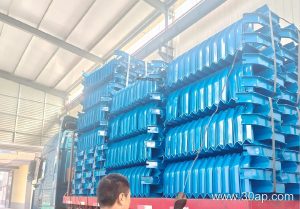
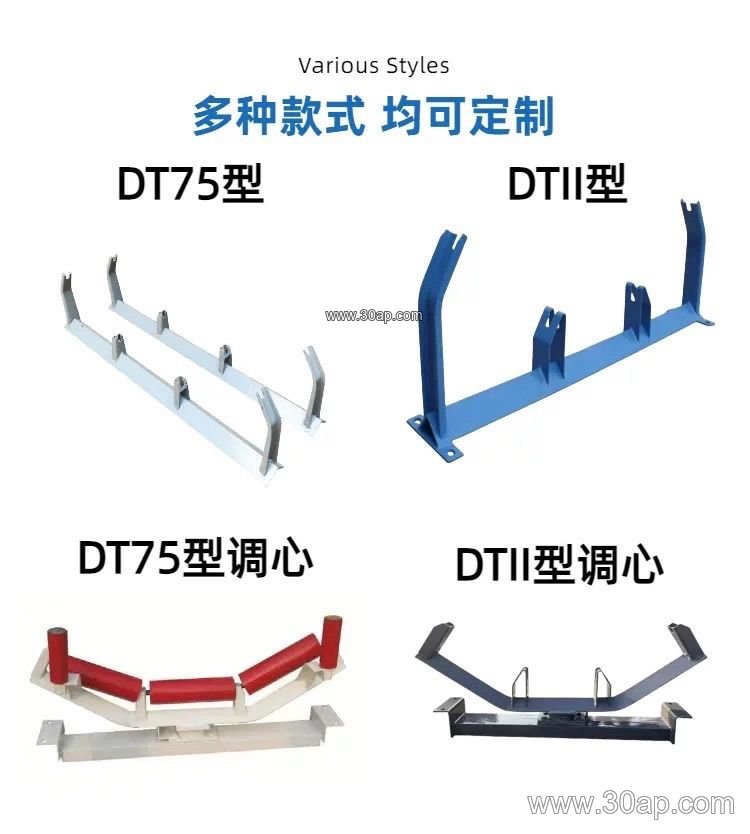
Return idler brackets are typically fabricated from angle steel, channel steel, or bent steel plate. The design must be robust enough to withstand the weight of the belt and any material carryback, as well as vibrations and impact. The bracket is usually bolted or welded to the conveyor frame and holds the return idler shaft at the correct height and angle. Common types include flat return brackets, V-return brackets, and adjustable brackets that allow fine-tuning of idler position. The bracket dimensions, such as mounting hole spacing and crossbeam length, are determined by the belt width and the specific conveyor design.
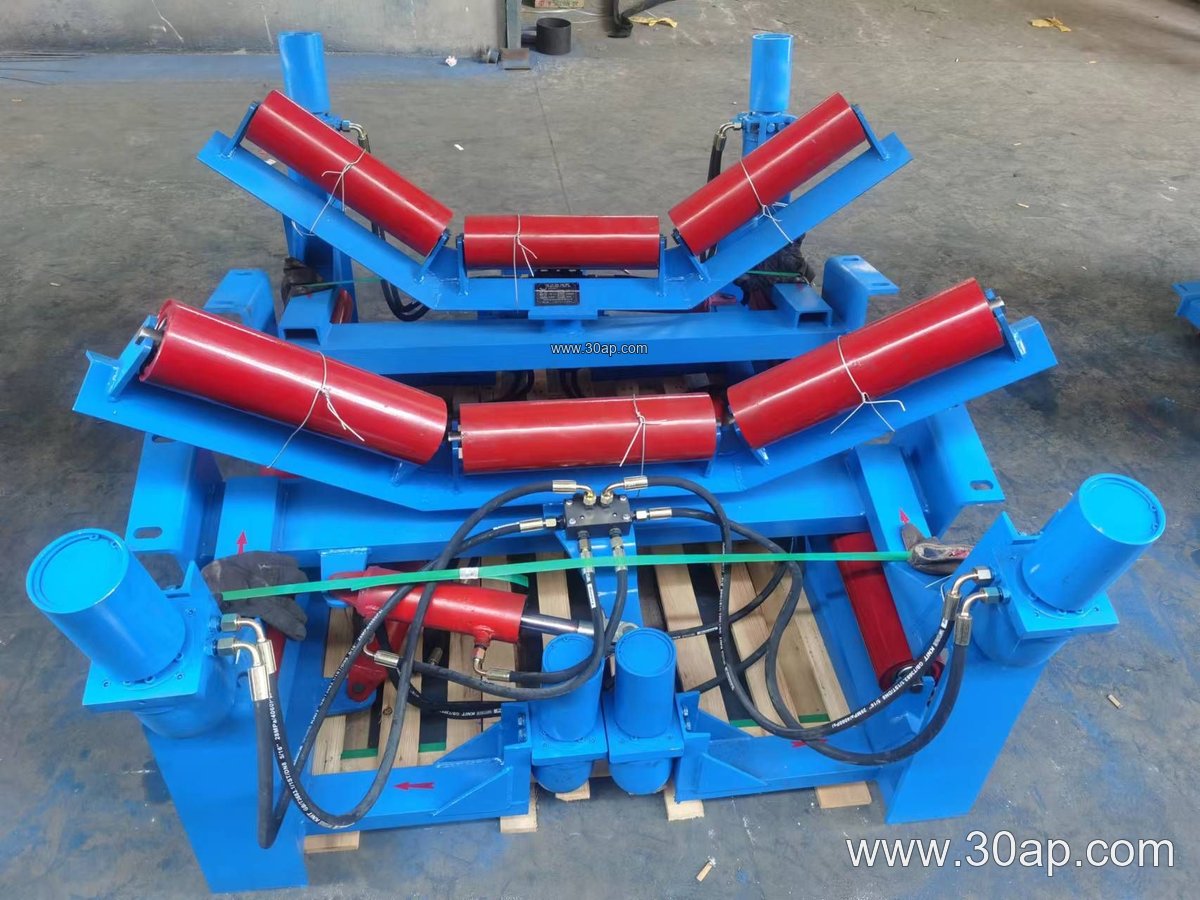
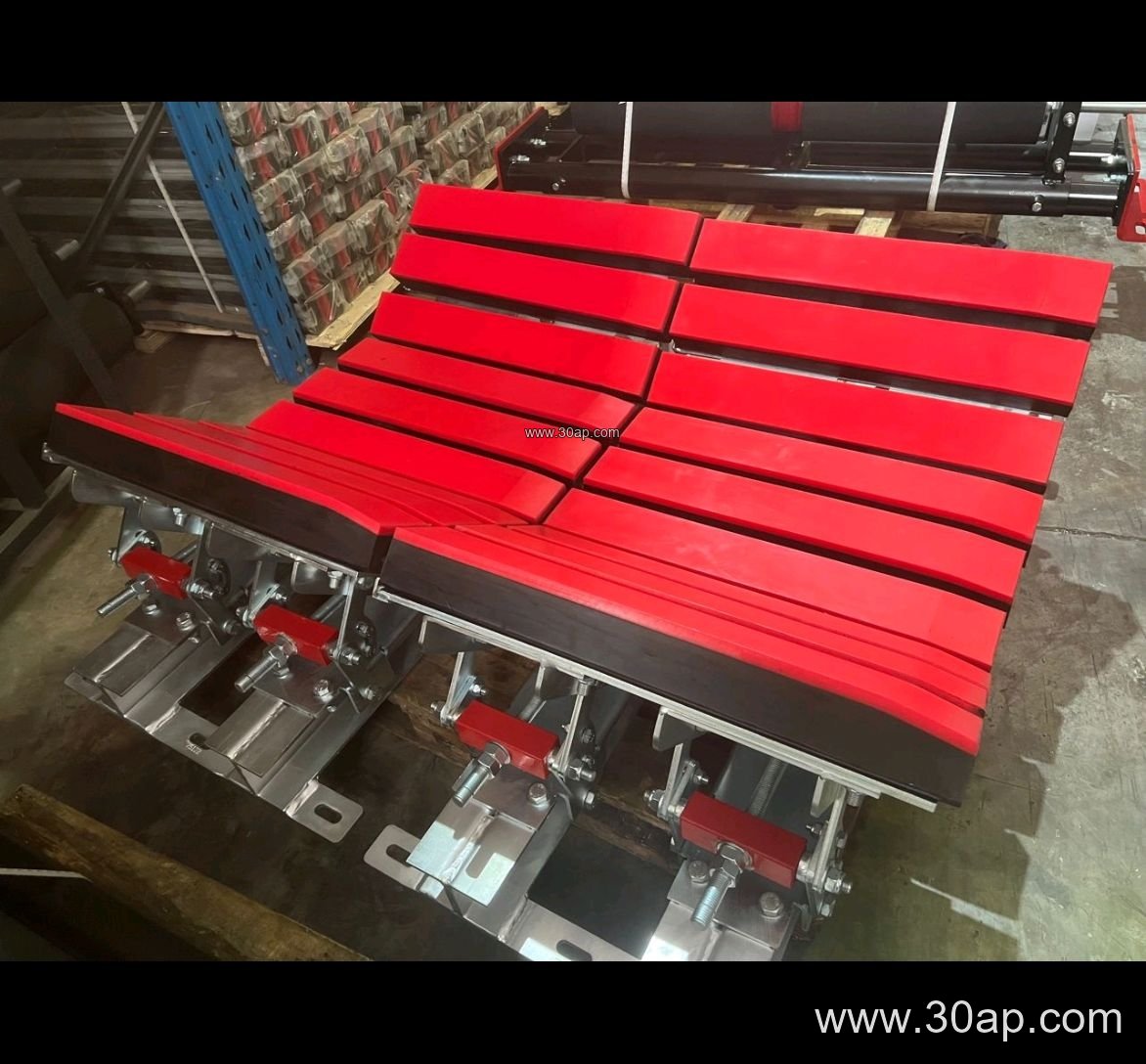
Key Types of Return Brackets
- Flat Return Bracket: Supports a single flat return idler; suitable for standard return runs.
- V-Return Bracket: Holds two idlers in a V shape to help center the belt and remove debris.
- Adjustable Return Bracket: Allows adjustment of the idler position to optimize belt tracking.
Where It Is Used
Return idler brackets are found in a wide range of conveyor applications. In a quarry or aggregate plant, they support the belt on the return side, preventing sag and misalignment. In coal mining operations, both underground and surface, these brackets must be durable and often flame retardant to meet safety standards. Cement plants use them in clinker and raw material conveyors, while power plants rely on them in coal handling systems. The bracket works in tandem with the conveyor belt, idler roller, and conveyor pulley to ensure smooth operation. For example, a heavy-duty mining conveyor belt may require robust brackets to handle high tension and impact.
Selection and Sizing Considerations
When choosing a return idler bracket, several factors come into play. The belt width is a primary determinant: common widths include B500, B650, B800, B1000, B1200, B1400, B1600, B1800, B2000, B2200. The bracket must match the belt width to provide proper support. The idler diameter also matters; typical return idler diameters are Ø89, Ø108, Ø133, Ø159, and Ø194. The bracket’s mounting dimensions are designed to accommodate these idlers. Additionally, the trough angle of the carrying idlers (20°, 30°, 35°, 45°) does not directly affect the return bracket, but the overall conveyor profile may influence the choice of return bracket type. Adjustable brackets can be beneficial where belt tracking issues are anticipated.
Material of construction is another consideration. Angle steel and channel steel are common, but in corrosive environments, galvanized or coated options may be specified. The bracket should be compatible with the conveyor frame and able to withstand the operating loads. It is always recommended to consult the conveyor design specifications to ensure proper fit and function.
Maintenance and Compatibility
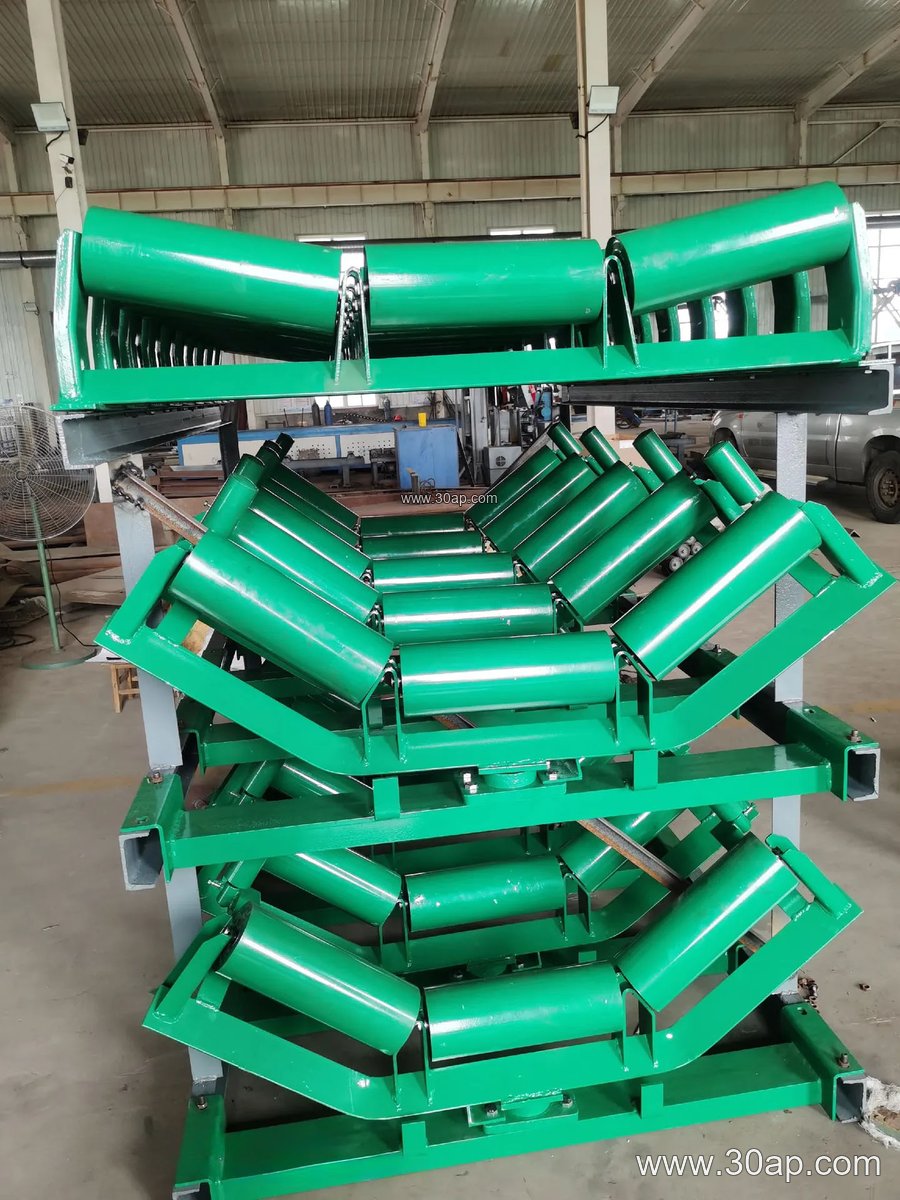
Regular inspection of return idler brackets is important to prevent belt damage and downtime. Check for loose bolts, bent brackets, or worn idler shafts. Replacing a damaged bracket promptly can avoid costly belt mistracking and edge damage. The bracket should be compatible with the idler roller and the conveyor belt used. For instance, a steel cord conveyor belt may require heavier-duty brackets due to higher tension, while a fabric core conveyor belt might use standard brackets. In applications with high abrasion, such as handling iron ore or copper ore, abrasion resistant conveyor belts are often paired with sturdy brackets to extend service life.
At https://www.example.com/conveyor-bracket, you can find more information on conveyor brackets and related components. For conveyor belt and idler roller selections, visit https://www.example.com/conveyor-belt and https://www.example.com/idler-roller. These resources can help you match the right return idler bracket to your specific conveyor system, whether in a sand making plant, a steel plant, or a port facility.