What an Impact Idler Bracket Does at the Load Point
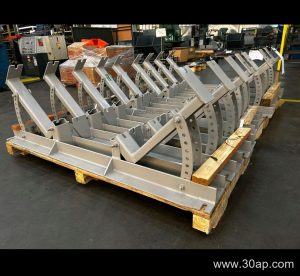
An impact idler bracket is the supporting frame that holds the impact idler rollers directly beneath the loading zone of a conveyor belt. Its job is not glamorous but it is critical: absorb the shock of falling rock, ore, or clinker, keep the rollers at the correct height and trough angle, and prevent the belt from sagging into the structure when material hits it at speed. In a quarry conveyor line, a cement plant clinker handling section, or a power plant coal yard, the first few metres after the chute are where belts and frames suffer most. A properly built bracket keeps that damage local and repairable.
Unlike a standard carrying bracket that only supports the weight of the belt and material, this bracket is designed around repeated impact. It is the structural partner of the impact idler roller, and the two are usually specified together.
How the Bracket Is Constructed
Most units are fabricated from angle steel, channel steel, or folded steel plate, then welded and drilled to accept the roller shafts. The design usually includes a transverse beam, mounting feet or bolt holes for the conveyor stringer, and slotted or adjustable positions so the trough angle can be set. Rubber or polyurethane shock pads are sometimes fitted between the bracket and the roller in heavy-duty mining conveyor applications, though the exact arrangement depends on the manufacturer’s design.
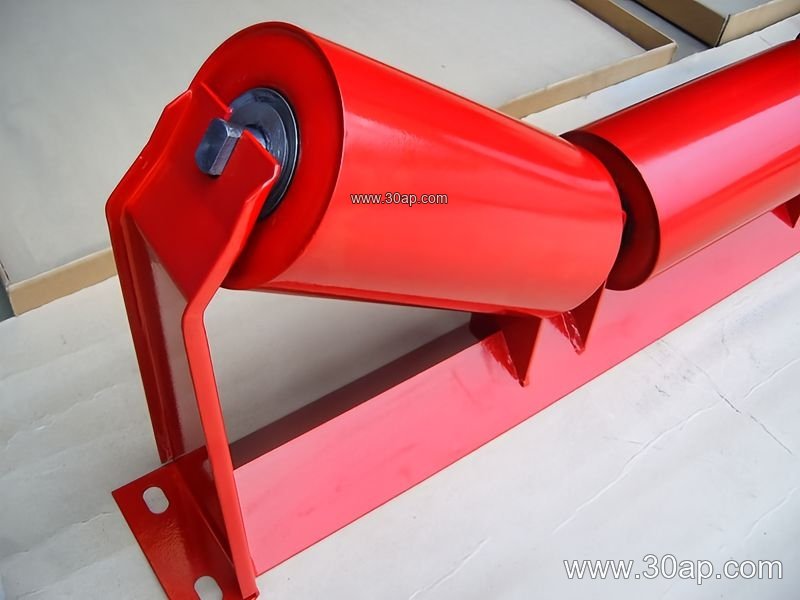
Key construction details buyers should confirm:
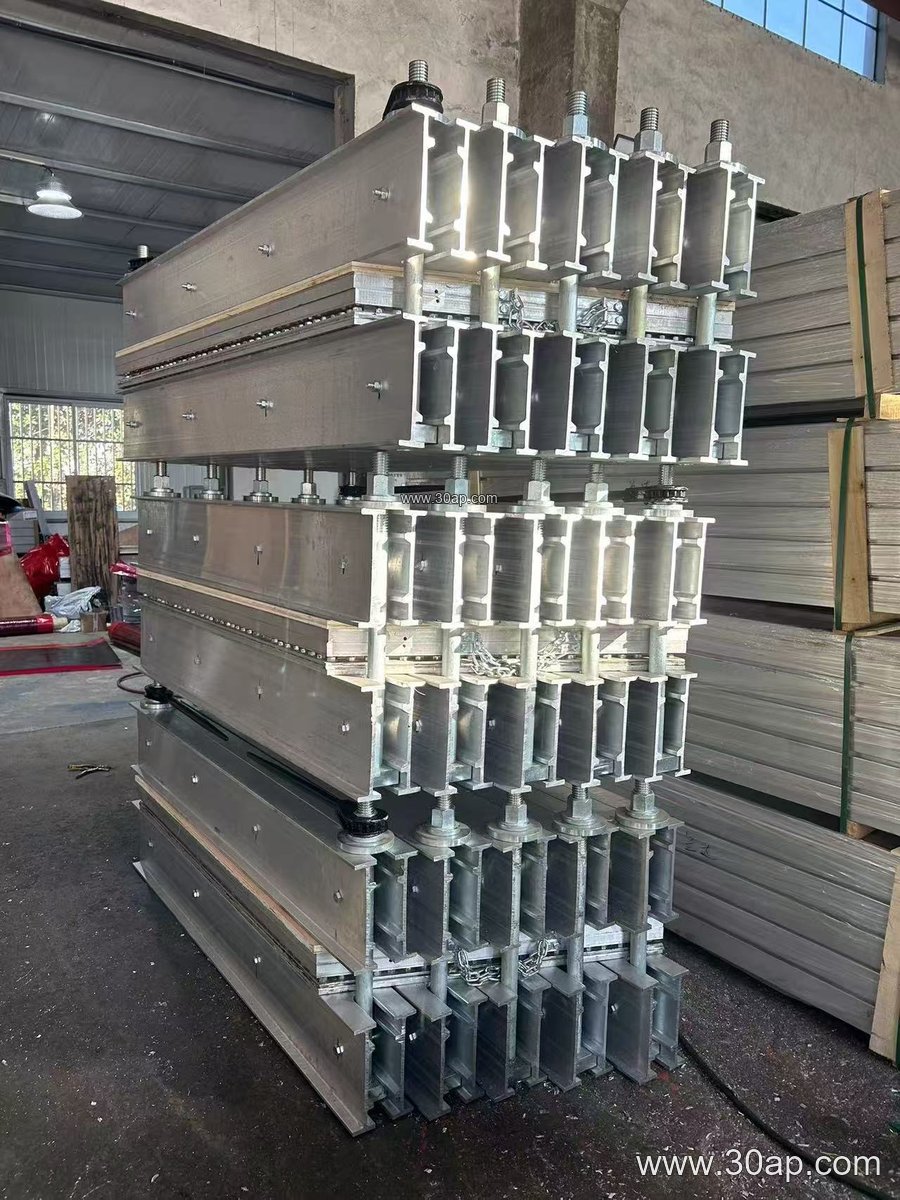
- Material thickness and whether the frame is welded or bolted
- Hole spacing and beam length, which vary with belt width and trough angle rather than being fixed numbers
- Surface treatment such as hot-dip galvanizing or painting for dusty, humid, or corrosive sites
- Compatibility with the chosen roller diameter
Where It Fits in the Conveyor Line
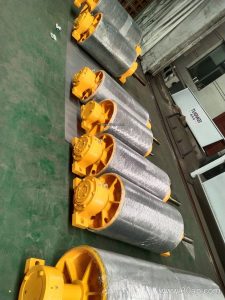
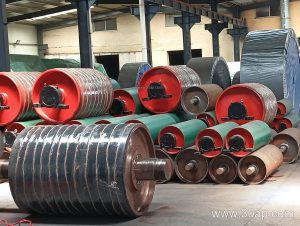
This bracket belongs to the loading zone, not to the drive end. Drive pulleys, tail pulleys, and bend pulleys handle power transmission and belt direction and are not interchangeable with impact brackets. Upstream of the loading point, standard trough brackets carry the belt; downstream, they resume. The impact bracket occupies the short but punishing stretch where the belt receives its load.
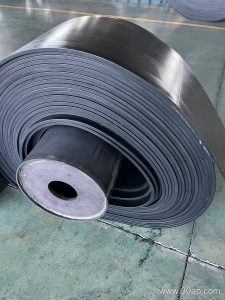
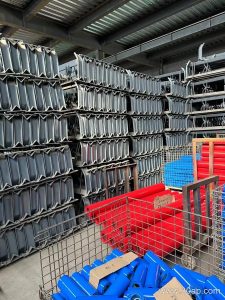
Typical service locations include crusher discharge conveyors, screen feed points, transfer chutes, and stockpile feed lines. A quarry conveyor belt carrying blasted rock, a coal mining conveyor belt moving run-of-mine coal, or a belt handling sinter in a steel plant all place similar demands on the frame. In these settings, pairing the bracket with an abrasion resistant conveyor belt and suitable idler rollers extends the whole assembly’s service life.
Matching Bracket, Roller and Belt Width
Selection starts with belt width, then trough angle, then roller diameter. Common belt widths run from B500 through B650, B800, B1000, B1200, B1400, and upward to B2000 and beyond. Trough angles of 20, 30, 35, and 45 degrees are typical, with adjustable brackets able to move between settings. Roller diameters such as Ø89, Ø108, Ø133, Ø159, and Ø194 are used according to load and belt speed.
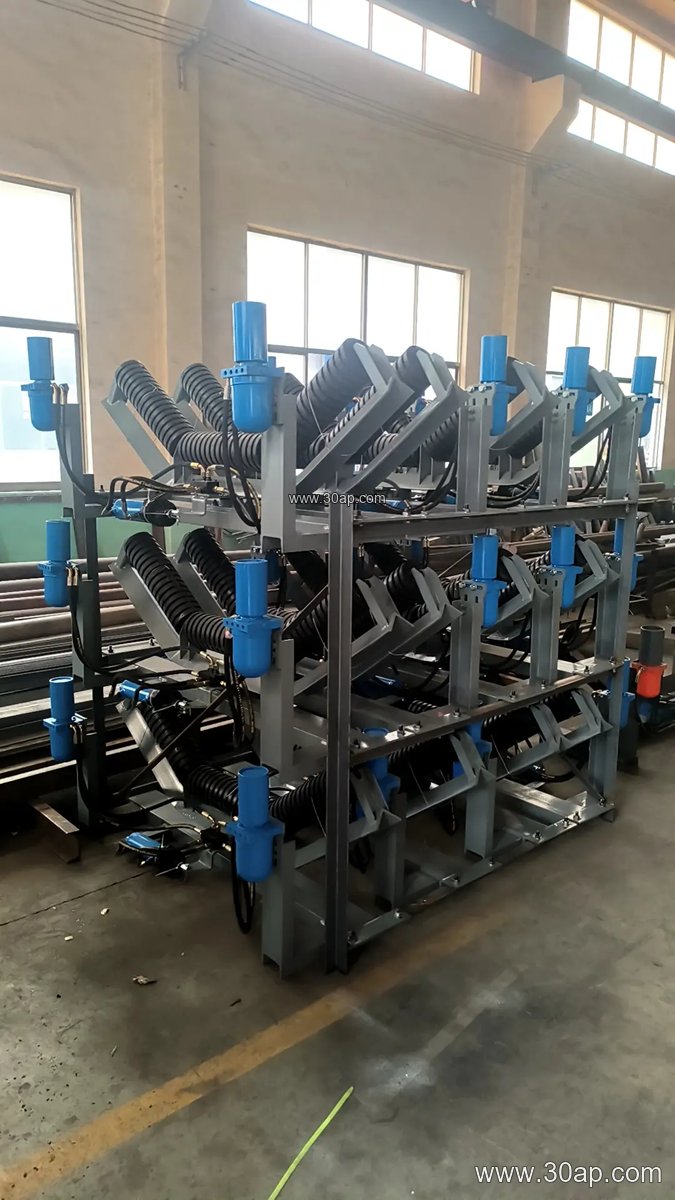
The table below shows representative combinations for reference only; these are not fixed rules and final values should be confirmed with the conveyor designer.
| Belt Width | Typical Trough Angle | Possible Roller Diameter |
|---|---|---|
| B650 | 30 degrees | Ø89 |
| B800 | 35 degrees | Ø108 |
| B1000 | 35 degrees | Ø133 |
| B1200 | 45 degrees | Ø133 |
| B1400 | 45 degrees | Ø159 |
| B1600 | 35 to 45 degrees | Ø159 or Ø194 |
A single belt width can accept more than one angle or roller size. Installation hole spacing and crossbeam length change with the chosen combination, so the bracket should be ordered against the actual conveyor drawing rather than by width alone.
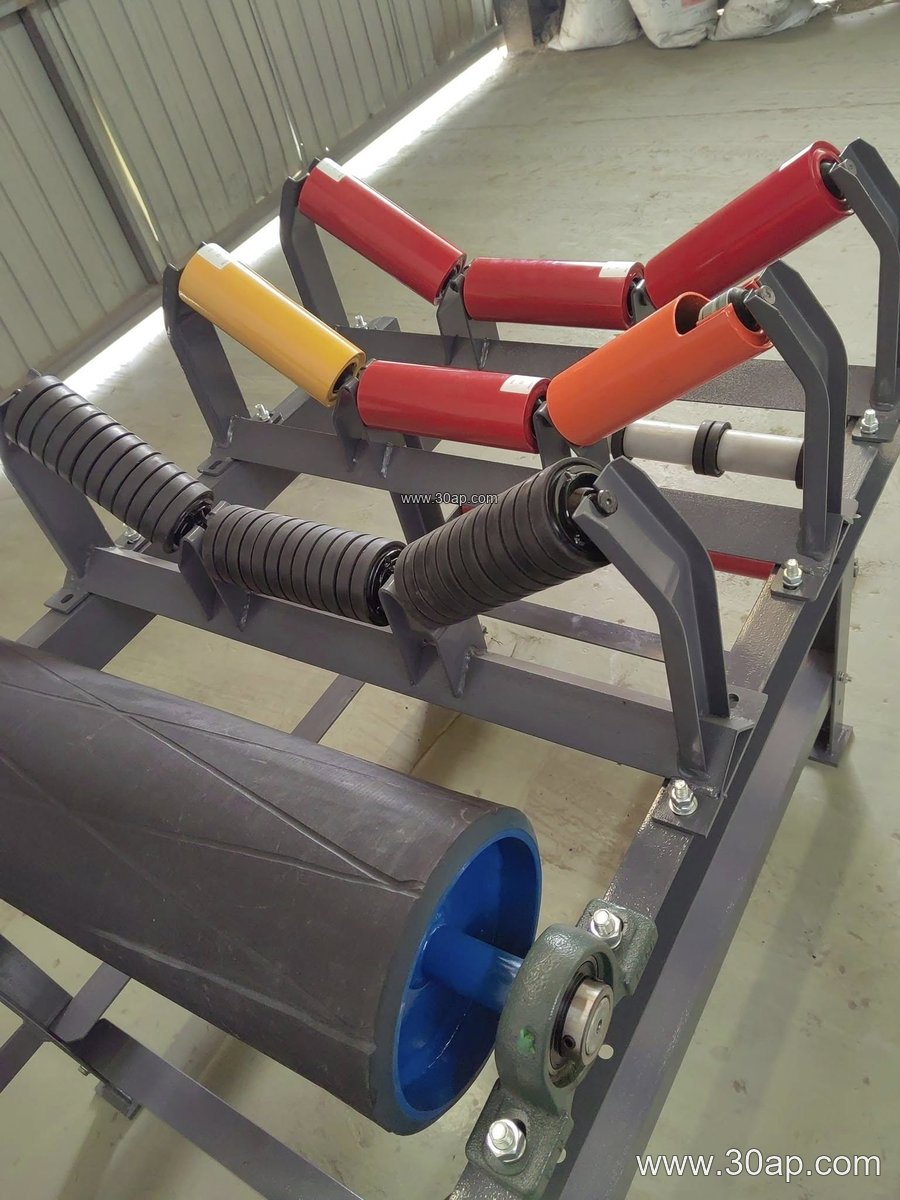
Buyer Checklist Before Ordering
Ask for the bracket drawing, confirm the roller diameter and shaft end type, and state the trough angle you need. If the conveyor runs a heavy-duty mining conveyor belt with thick covers, tell the supplier, because the extra belt stiffness affects how the bracket and rollers should be positioned. For underground coal mining conveyor belt installations, flame retardant conveyor belt and anti-static requirements may influence the surrounding equipment choices, though the bracket itself is steel and rubber.
Also decide between fixed and adjustable brackets. Adjustable types allow the trough angle to be fine-tuned on site, which is useful in aggregate conveyor lines or stone crushing plants where belt tracking is fussy. Fixed brackets are simpler and often cheaper, but offer less flexibility after installation.
Finally, check that mounting dimensions match the existing stringer and that the bracket can be replaced without cutting the frame. A load zone bracket that can be unbolted and swapped in an hour is worth more than one that saves a little on purchase price.
Maintenance Notes
Inspect the bracket whenever impact rollers are changed. Look for bent beams, cracked welds, elongated bolt holes, and loose fasteners. Dust and spillage around the loading zone can hide corrosion, so clean the area before inspection. Replacing a worn bracket early prevents the belt from running at the wrong profile, which in turn protects the belt edges and reduces tracking problems further along the line.