What Makes a Mining Flame Retardant Conveyor Belt Different
A Mining Flame Retardant Conveyor Belt is a heavy-duty rubber belt engineered to resist ignition and slow flame spread in underground and surface mining operations. Unlike a standard Rubber Conveyor Belt, this belt combines fire resistance with the mechanical strength needed to move coal, ore, and aggregate over long distances. The product is also known as a Mining Fire Resistant Conveyor Belt, and both names refer to the same fire-retardant belt family used in coal mining, cement plants, power stations, and quarry operations.
The flame-retardant property comes from the rubber compound itself. Formulations typically include halogenated or halogen-free additives that interrupt combustion. Antistatic agents are often added so the belt surface dissipates static electricity, reducing spark risk around dust and fuel. This is why a Fire Resistant Conveyor Belt is frequently specified together with anti-static requirements in coal handling systems.
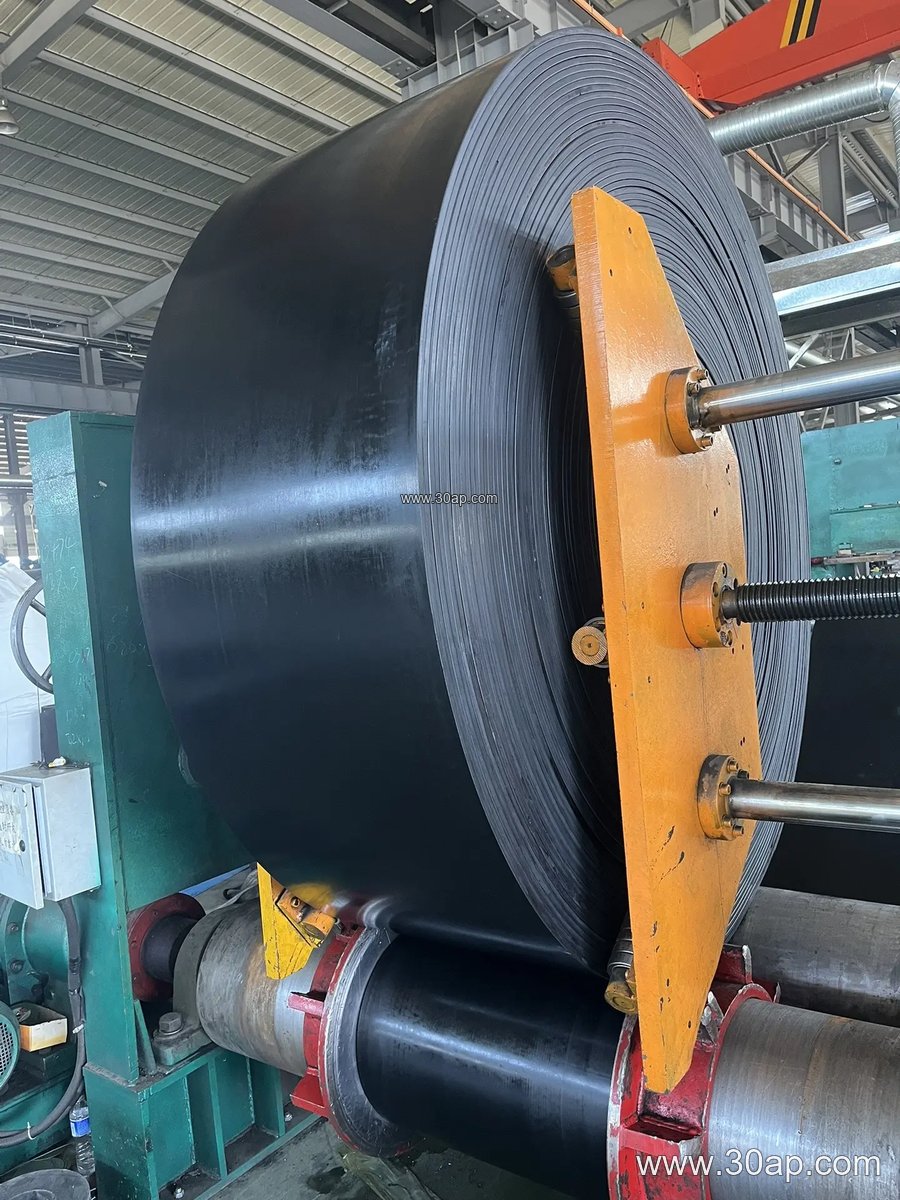
Construction and Core Options
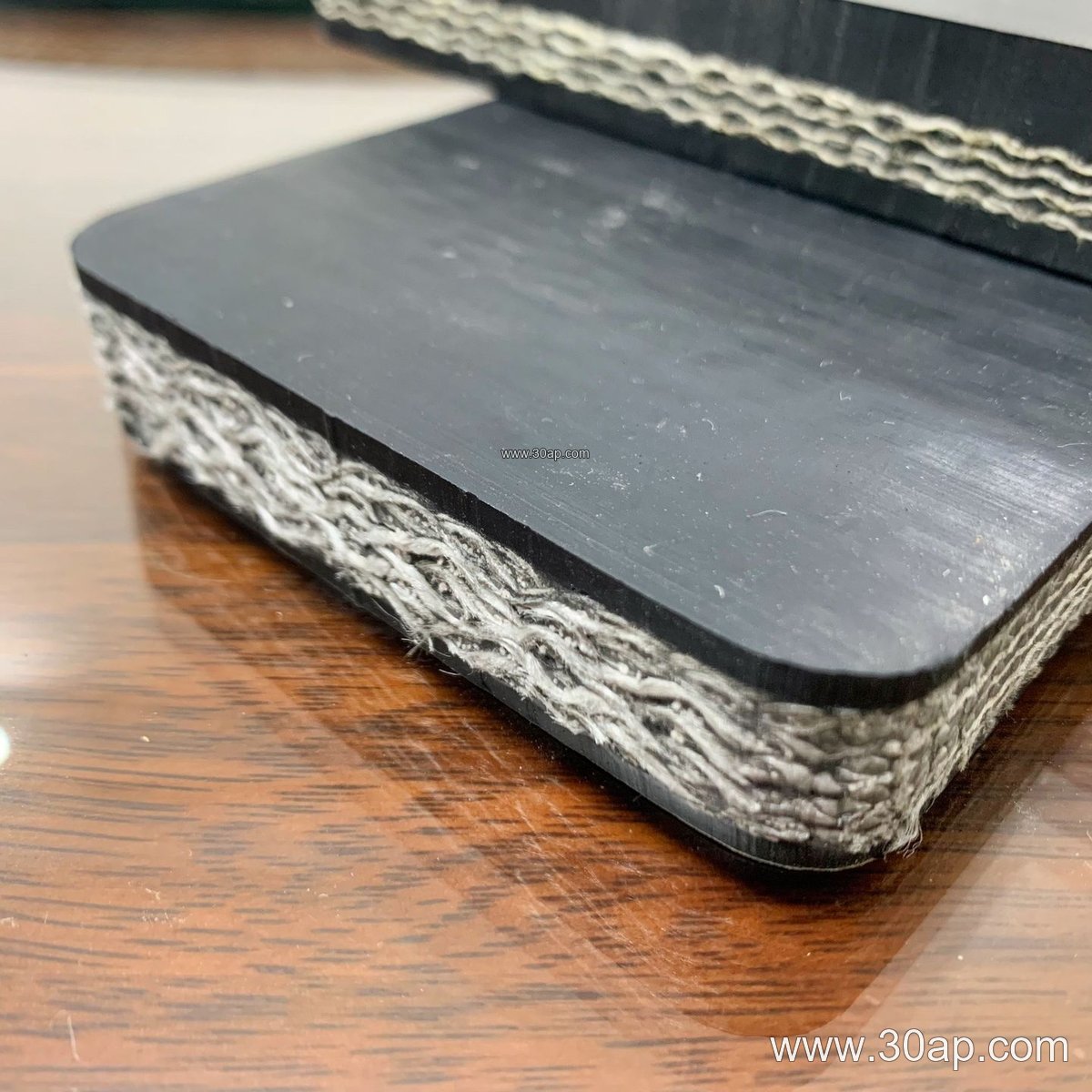
Most fire-retardant mining belts use a fabric core or a steel cord core. Fabric-core designs include EP Conveyor Belt and NN Conveyor Belt constructions, where polyester-nylon or nylon-nylon plies carry the load. A Multi-Ply Fabric Core Conveyor Belt with two to six plies is common for moderate tension applications. For higher tension and longer hauls, a Steel Cord Conveyor Belt may be selected. Solid-woven PVC and PVG Conveyor Belt types are also used in underground coal mining, where a PVG800S Conveyor Belt or similar grade provides flame resistance with a synthetic core.
Cover rubber grades are chosen for the duty. A typical specification might show top and bottom covers such as 4+2 mm or 6+2 mm, with 5+2 mm also common. Buyers should confirm cover thickness, ply count, and belt width against the conveyor design rather than assuming a fixed match. Belt widths from 500 mm to 2000 mm appear in mining service, and a 1000mm Conveyor Belt or 1200mm Conveyor Belt is often found on main haulage lines.
Where It Is Used
These belts appear across the mining and processing chain. In coal mines, an Underground Coal Mining Conveyor Belt carries raw coal from the face to the surface. In metal mines, an Iron Ore Conveyor Belt or Copper Ore Conveyor Belt may need fire resistance where electrical equipment and dust create ignition risk. Cement plants and power plants use them on coal and clinker lines. Quarries and sand making plants rely on them for stone crushing and aggregate transport, while ports use them for ship loading.
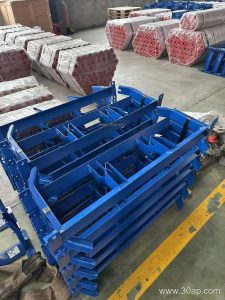
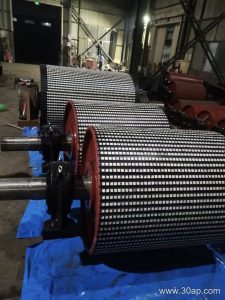
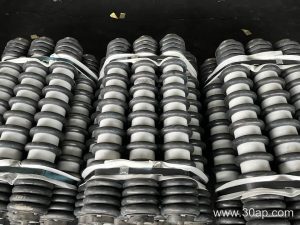
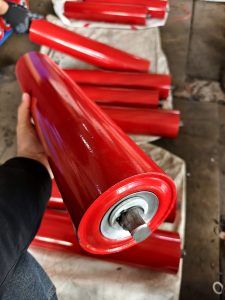
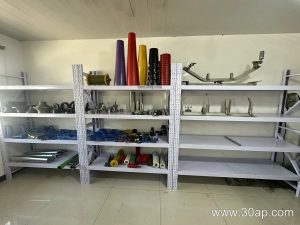
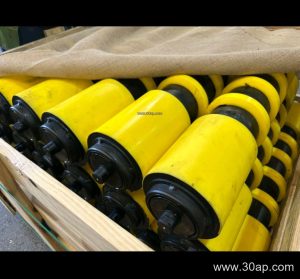
The belt runs over conveyor pulleys and idler rollers supported by conveyor brackets. Drive pulleys, tail pulleys, and bend pulleys each do a different job, and none should be substituted for another during layout or replacement. Idler spacing and pulley diameter are set by the conveyor designer, not by belt width alone.
Selection and Buyer Checklist
Choosing the right Mining Flame Retardant Conveyor Belt starts with the material being carried, the required tensile strength, and the fire-safety standard for the site. A buyer should ask for the belt’s flame test performance, antistatic properties, and cover rubber grade. For abrasive ore, an Abrasion Resistant Conveyor Belt compound may extend service life; for hot clinker, a Heat Resistant Conveyor Belt is a separate consideration rather than a replacement.
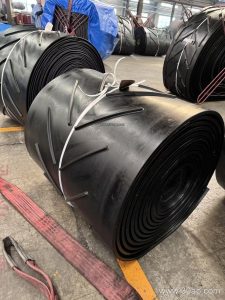
Consider the environment as well. Cold climates may call for a Cold Resistant Conveyor Belt, and oily materials may need an Oil Resistant Conveyor Belt. Inclined sections can use a Chevron Conveyor Belt or a Corrugated Sidewall Conveyor Belt to prevent material rollback, but these are distinct designs and should not be confused with the flat fire-resistant belt.
Finally, check splice compatibility. An Endless Conveyor Belt splice must match the belt construction and the pulley sizes on site. Keep spare idler rollers and conveyor pulleys inspected, because a worn pulley or seized roller can damage even a well-built belt. For mining operations, matching the belt, pulley, and idler system as one package is the most reliable path to safe, continuous production.