What a Conveyor Support Leg Does
A conveyor support leg is the vertical structural member that carries the weight of the conveyor frame, idlers, and material load down to the floor or foundation. Often called a conveyor stand leg or belt conveyor support leg, it is the quiet workhorse of any bulk handling line. Without a properly sized support leg, even a premium conveyor belt and precision idler roller cannot maintain alignment or tension. In quarry, cement, and power plant coal handling systems, these legs are typically fabricated from angle steel, channel steel, or folded steel plate, and they are bolted or welded to the main frame stringers.
Construction and Mounting Details
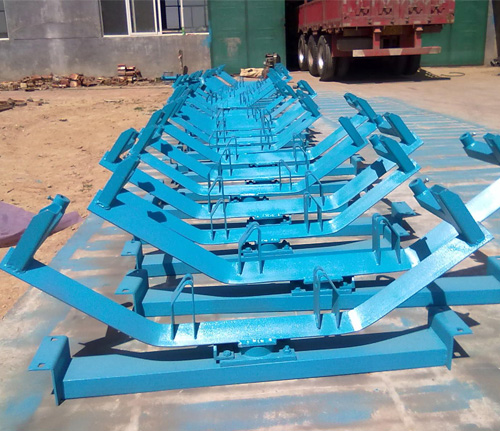
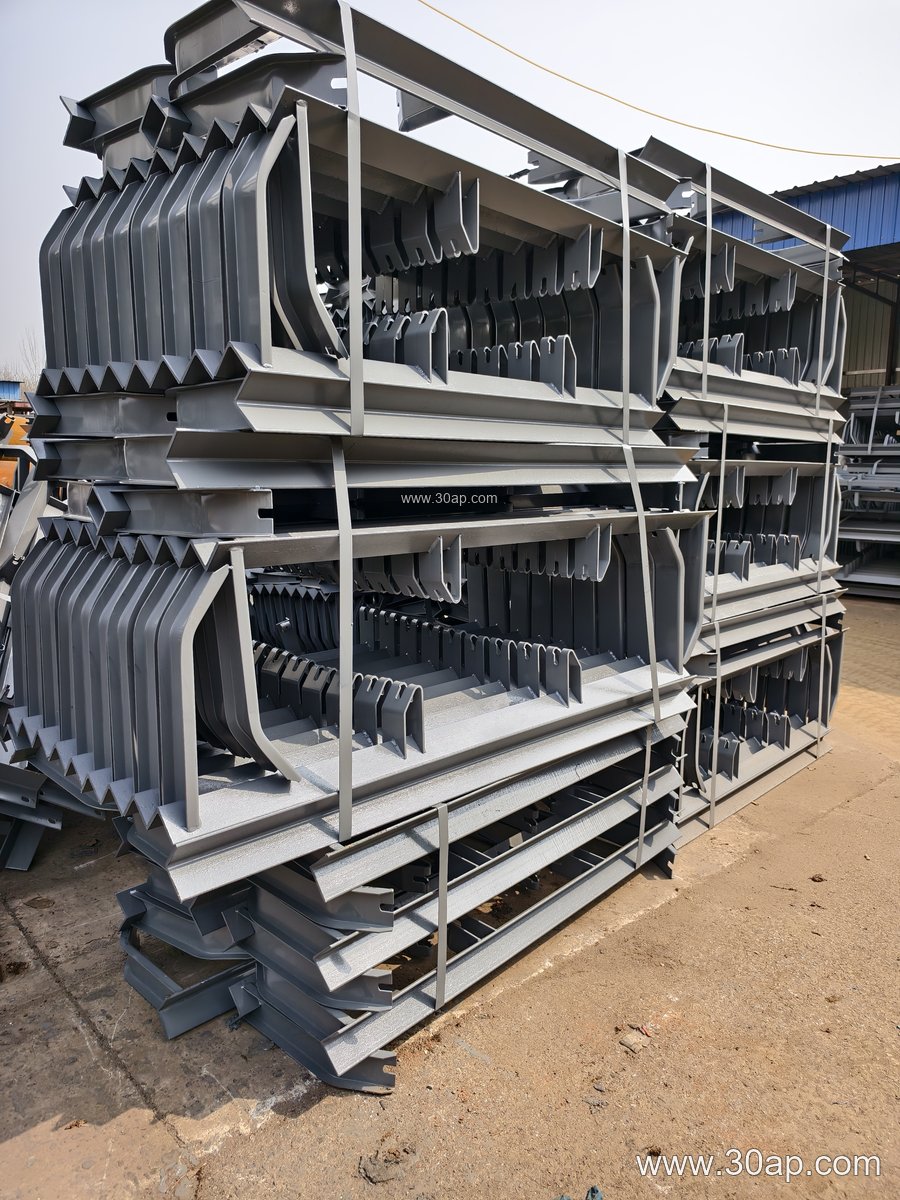
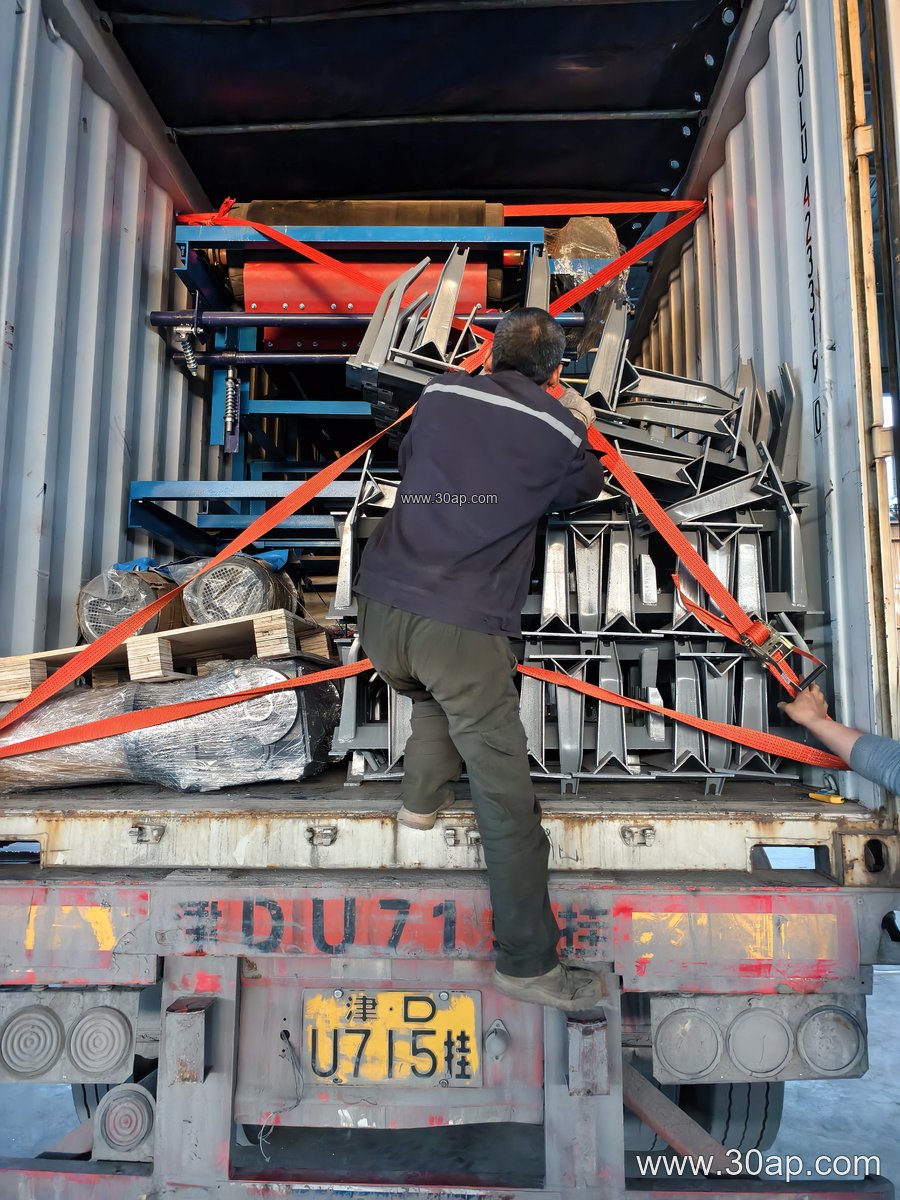
Most support legs are made in pairs, left and right, with a cross beam or foot plate at the base. The top connects to the conveyor stringer via a conveyor bracket, while the bottom may be anchored to concrete, steel grating, or a mobile transfer structure. Adjustable support legs include slotted holes or threaded rods so site crews can level the frame after installation. Fixed legs are simpler and often used where the structure is fully engineered in advance. The leg height and hole spacing are determined by belt width, trough angle, and the required ground clearance, not by a single universal formula.
Where These Legs Are Used
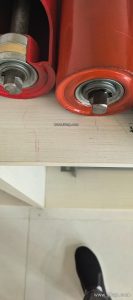
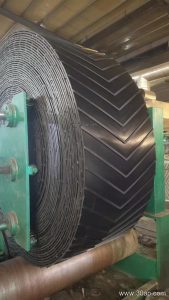
You will find conveyor support legs in limestone mines feeding a crusher, in aggregate yards where a quarry conveyor belt moves sized stone, and in cement plant clinker transport galleries. They also appear in coal mining conveyor systems, though underground coal mining conveyor belt lines often use compact, low-profile legs to fit restricted roadways. In a typical 800mm or 1000mm belt conveyor, the support legs are spaced at intervals that match the idler spacing, and each leg pair must handle the combined dead load and live load. For heavier duties, such as a steel cord conveyor belt carrying iron ore, the legs are larger and may be braced diagonally.
Matching Legs with Belt Width and Idler Size
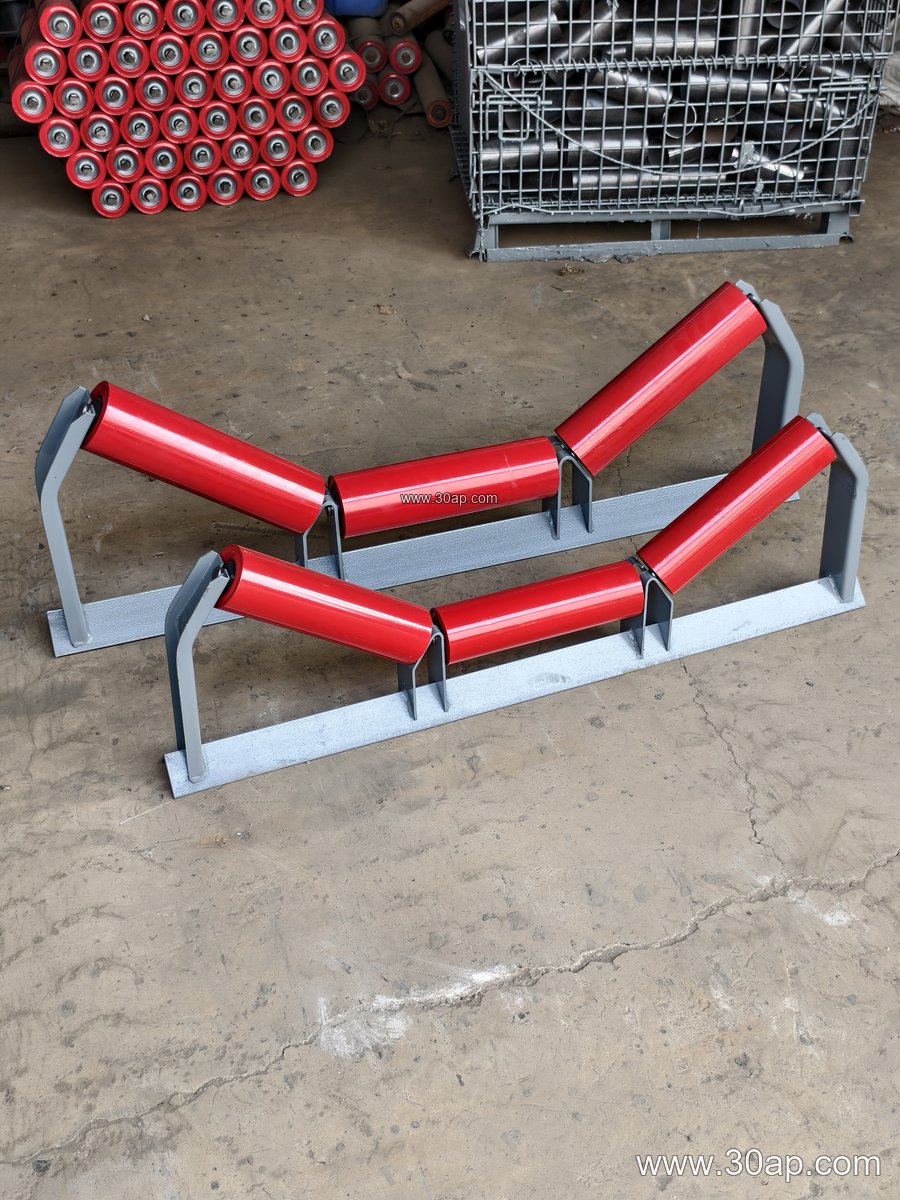
Support legs are not selected in isolation. A B800 conveyor with a 35 degree trough and Ø108 idler roller needs a different leg height and cross beam length than a B1200 line with a 45 degree trough and Ø133 rollers. The table below shows common reference combinations; actual dimensions are confirmed by the conveyor designer.
| Belt Width | Typical Trough Angle | Common Idler Diameter | Support Leg Note |
|---|---|---|---|
| B500 | 20–30° | Ø89 | Light-duty fixed leg |
| B650 | 30° | Ø89–Ø108 | Fixed or adjustable |
| B800 | 35° | Ø108 | Adjustable leg common |
| B1000 | 35–45° | Ø108–Ø133 | Heavier channel steel |
| B1200 | 45° | Ø133 | Braced leg pairs |
| B1400–B1600 | 35–45° | Ø133–Ø159 | Heavy-duty design |
These are common references, not fixed pairings. A B1000 conveyor may use a 30 degree trough in one plant and a 45 degree trough in another, and the support leg must follow the actual frame design.
Adjustable Versus Fixed Support Legs
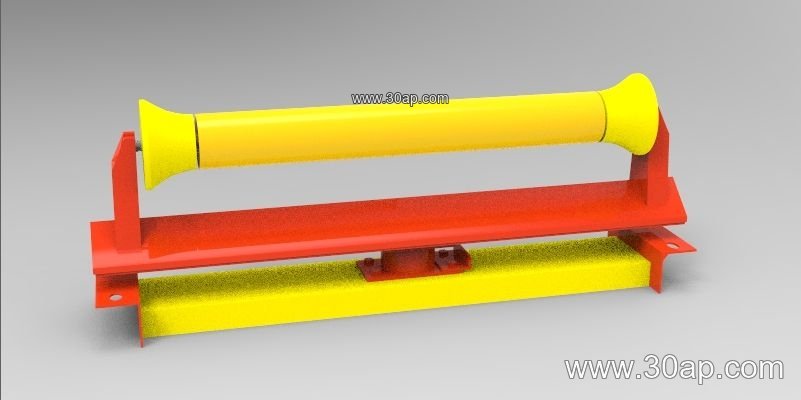
Adjustable conveyor support legs allow field correction for foundation tolerance and belt tracking. They are useful in retrofit projects and in mobile crushing plants where the frame may be relocated. Fixed legs are more rigid and are often chosen for permanent installations such as a power plant coal conveyor or a port ship loading line. Neither type is universally better; the choice depends on installation conditions and maintenance access.
Buyer Checklist
- Confirm belt width, trough angle, and idler diameter before ordering legs.
- Check the material grade and surface treatment, especially for outdoor quarry or port use.
- Ask for the mounting hole pattern and cross beam length, since these vary with frame design.
- Consider whether adjustable legs are needed for leveling or future relocation.
- Verify that the leg pairs match the conveyor bracket and stringer connection.
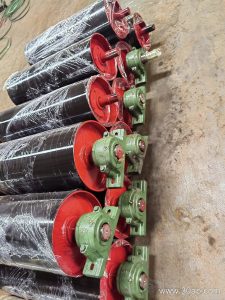
For any conveyor project, the support leg should be treated as part of the whole structure, together with the conveyor belt, idler roller, and conveyor pulley. A well-matched leg set keeps the belt centered, reduces vibration, and extends the service life of the entire line.