What a 630mm Diameter Conveyor Pulley Is
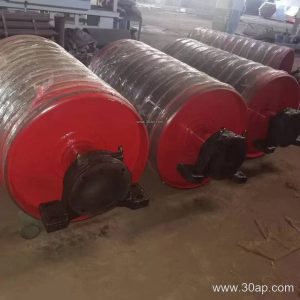
A 630mm diameter conveyor pulley is a large-diameter drum used to drive, tension, or redirect a conveyor belt in bulk material handling. At this size, the pulley is typically found in high-capacity systems where belt tension and torque are substantial. Common subtypes include the drive pulley, tail pulley, and bend pulley, each serving a distinct role. The 630mm size is often specified for main haulage conveyors in mining, cement plants, and power station coal handling, where reliability under continuous load matters.
While the drive pulley transmits power to the belt, the tail pulley maintains belt tracking at the loading end, and the bend pulley changes belt direction without driving. These are not interchangeable, and the 630mm diameter may appear in any of these positions depending on the conveyor design.
Construction and Surface Options
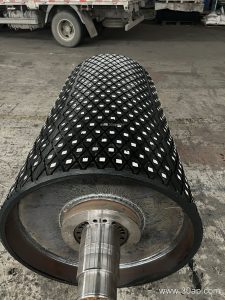
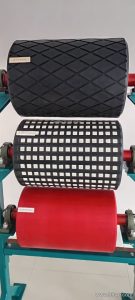
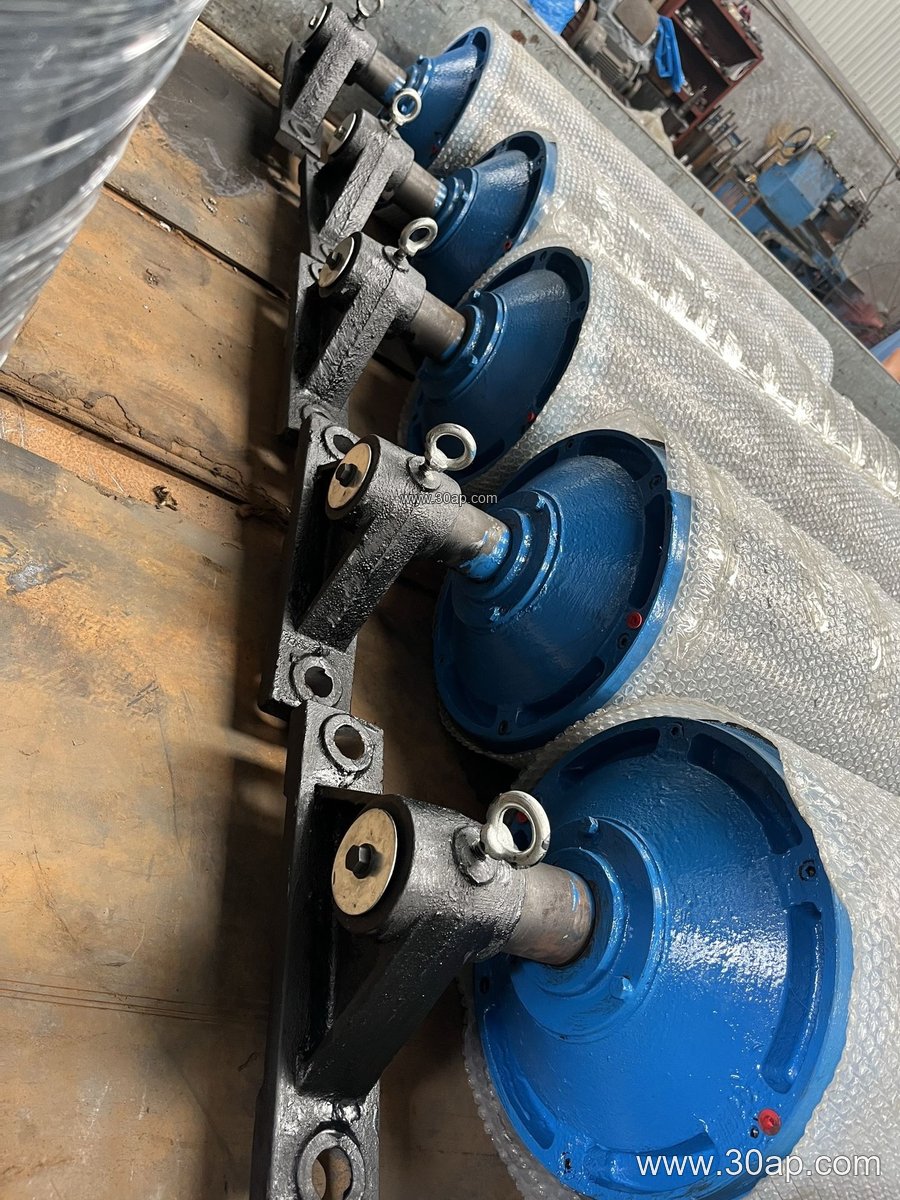
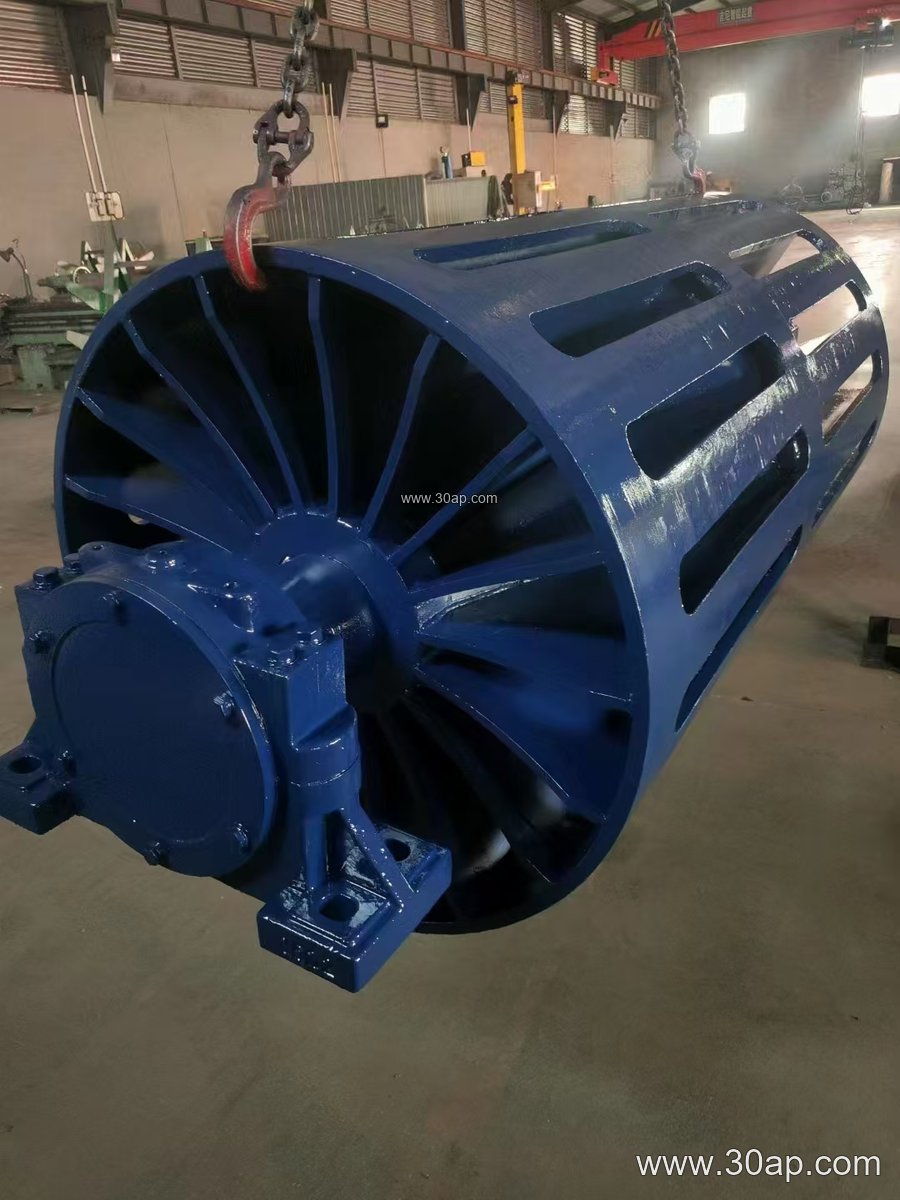
This pulley is usually built with a welded steel drum, a shaft sized by torque and load, and bearing housings mounted on a sturdy frame. The shell may be plain or covered with rubber lagging to improve grip and protect the belt. Common lagging types include plain rubber, diamond pattern, and ceramic lagging, with thicknesses often ranging from 8 mm to 20 mm. The pulley face width is normally wider than the belt it carries; for example, a B1200 belt might run on a pulley face of about 1400 mm.
Bearing selection and shaft diameter are determined by the actual load and torque, not by belt width alone. A 630mm diameter pulley might use a shaft of Ø120, Ø140, or larger, depending on the application. Buyers should request a dimensional drawing and load calculation rather than assuming a fixed shaft size.
Where It Fits in the Conveyor
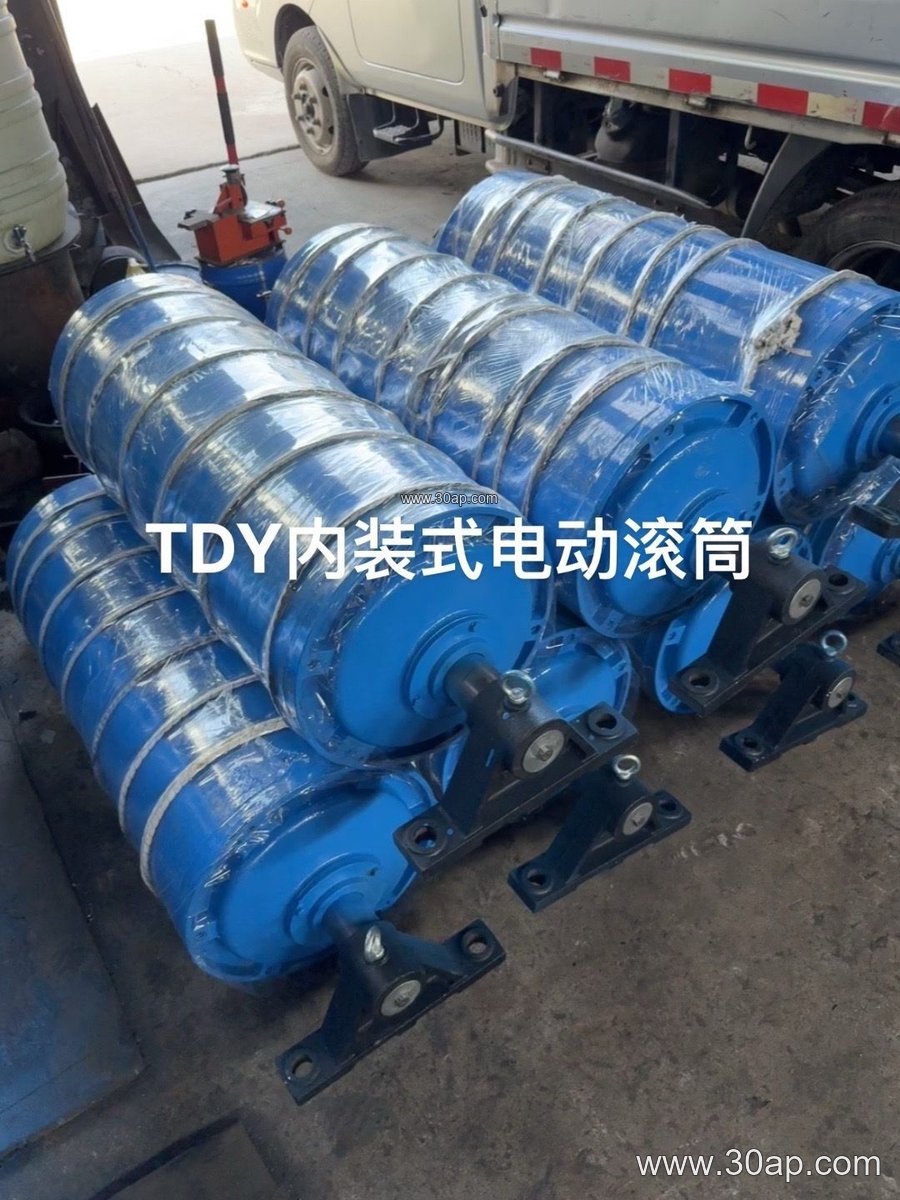
Large-diameter pulleys like the 630mm unit are often installed at the head drive position on overland or plant conveyors. In a quarry or aggregate line, it may drive a belt carrying crushed stone; in a coal preparation plant, it might serve as a tail pulley under a chute. The larger diameter reduces belt bending stress and can extend belt life, especially when paired with a heavy-duty conveyor belt such as an EP400 or steel cord belt.
In cement plants, a 630mm pulley might be used on clinker or raw material conveyors, while in power plants it could appear on coal handling systems. The same diameter can also be found as a bend pulley in a multi-pulley drive arrangement, helping to increase belt wrap angle without a separate drive.
Specifications and Selection Notes
The table below lists typical reference values for a 630mm diameter conveyor pulley. These are not universal specifications and should be confirmed with the manufacturer for each project.
| Parameter | Common Range / Example |
|---|---|
| Diameter | Ø630 mm |
| Belt width (B) | B800, B1000, B1200, B1400 |
| Pulley face width | Approx. 950 mm to 1600 mm (depends on belt width) |
| Shaft diameter | Ø100, Ø120, Ø140, Ø160 (by torque/load) |
| Lagging type | Plain rubber, diamond, ceramic |
| Lagging thickness | 8, 10, 12, 15, 20 mm |
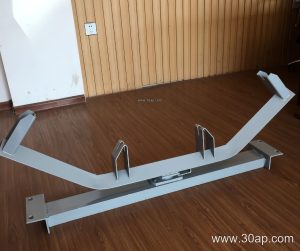
When selecting a 630mm diameter conveyor pulley, consider the belt type it will run with. An abrasion resistant conveyor belt may be used in a sand and gravel plant, while a heat resistant conveyor belt could be needed in a cement kiln area. The pulley lagging should match the belt surface and the required friction. Also check the conveyor bracket dimensions and bearing type to ensure proper fit.
Buyer Checklist
- Confirm the pulley position: drive, tail, or bend, as each has different design priorities.
- Provide belt width, belt type (e.g., EP conveyor belt, steel cord conveyor belt), and operating tension.
- Specify lagging type and thickness if extra grip or protection is needed.
- Request shaft diameter calculation based on torque and load, not just belt width.
- Check compatibility with conveyor idler roller and bracket dimensions.
- Ask for dynamic balance and runout tolerances for high-speed applications.
Regular inspection of lagging wear and bearing condition helps avoid unplanned downtime. In dusty environments such as a limestone mine or a fertilizer plant, sealed bearing housings are often preferred. For more information on related components like conveyor idler roller and conveyor bracket, consult the system supplier.