What a Conveyor System Idler Does
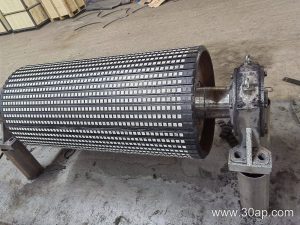
A conveyor system idler is the rotating roller assembly that supports the conveyor belt along its carrying and return runs. In a quarry, a coal handling line, or a cement plant, the belt may travel hundreds of meters, and the idlers carry the weight of the belt plus the material on it while keeping friction low. The idler works together with the conveyor pulley at the drive and tail ends, but it is a distinct component with its own design logic.
The term is often shortened to idler roller. Each roller turns on its own shaft and bearing housing, mounted in a frame or on a conveyor bracket fixed to the stringer. Because the belt rides directly on the rollers, idler condition strongly affects belt life, power draw, and spillage.
How an Idler Roller Is Built
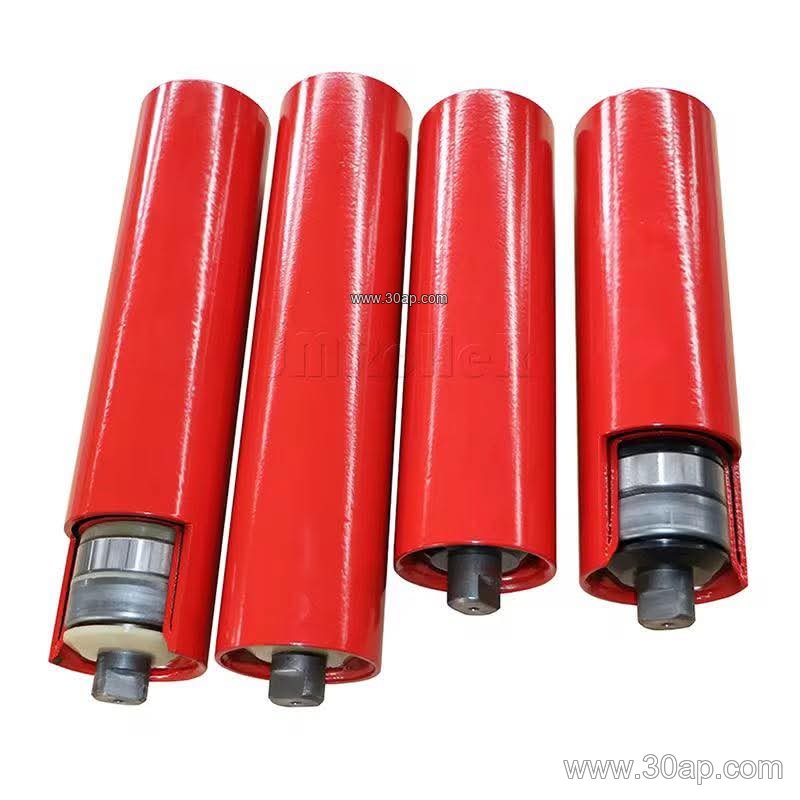
A typical idler roller has a steel tube shell, a through shaft, bearing housings at both ends, and a sealing arrangement to keep dust and water out. Roller surfaces may be plain steel, nylon, ceramic, or rubber rings, depending on whether the goal is wear resistance, belt protection at load points, or reduced buildup in sticky material.
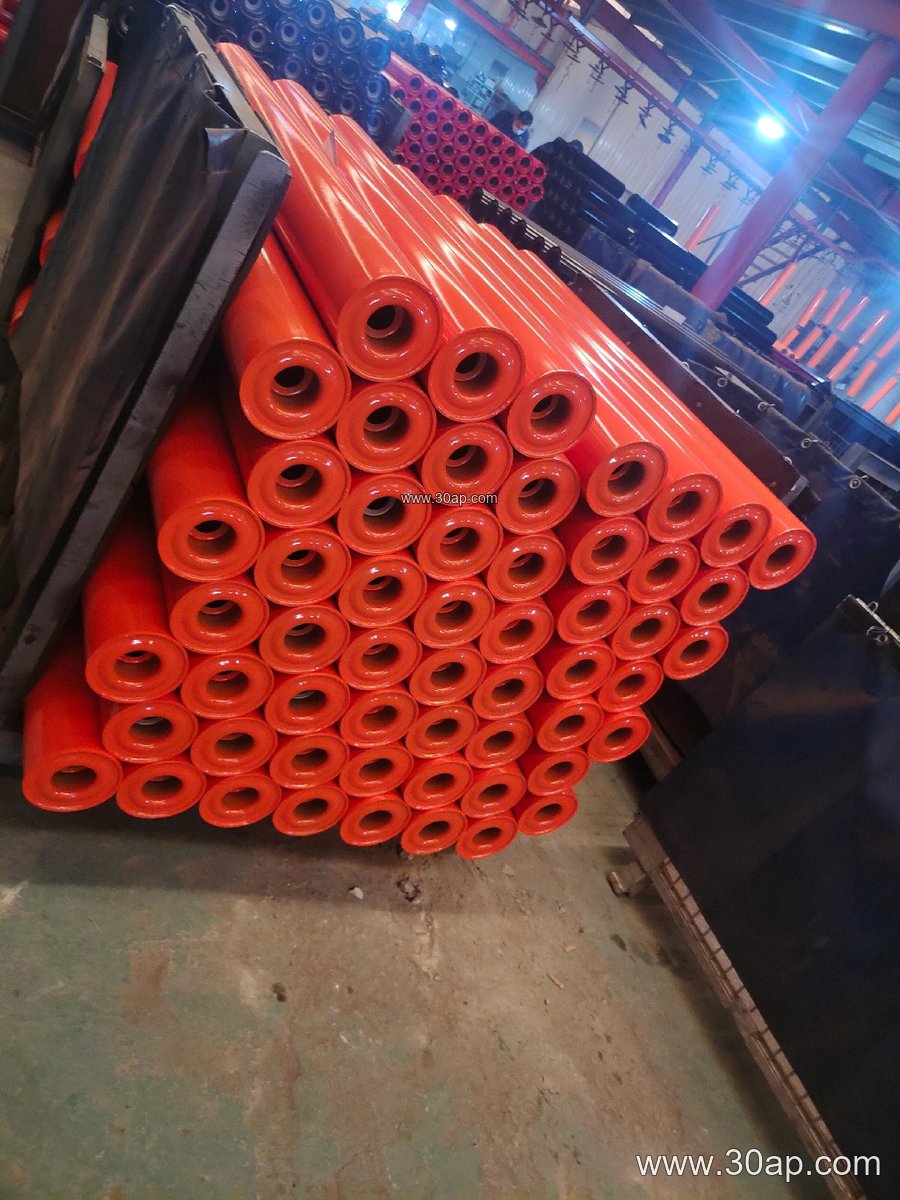
Bearing selection matters. Common sizes include 6204, 6205, 6305, 6306, 6308, and 6310, but a given roller diameter is not tied to one bearing number; the choice depends on load, speed, and seal design. Good sealing is often what separates a long-service idler from a short-lived one in dusty coal or aggregate service.
Common Idler Types and Where They Sit
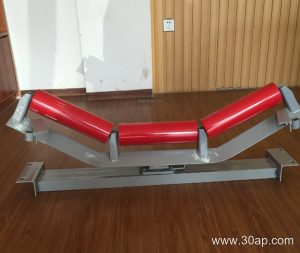
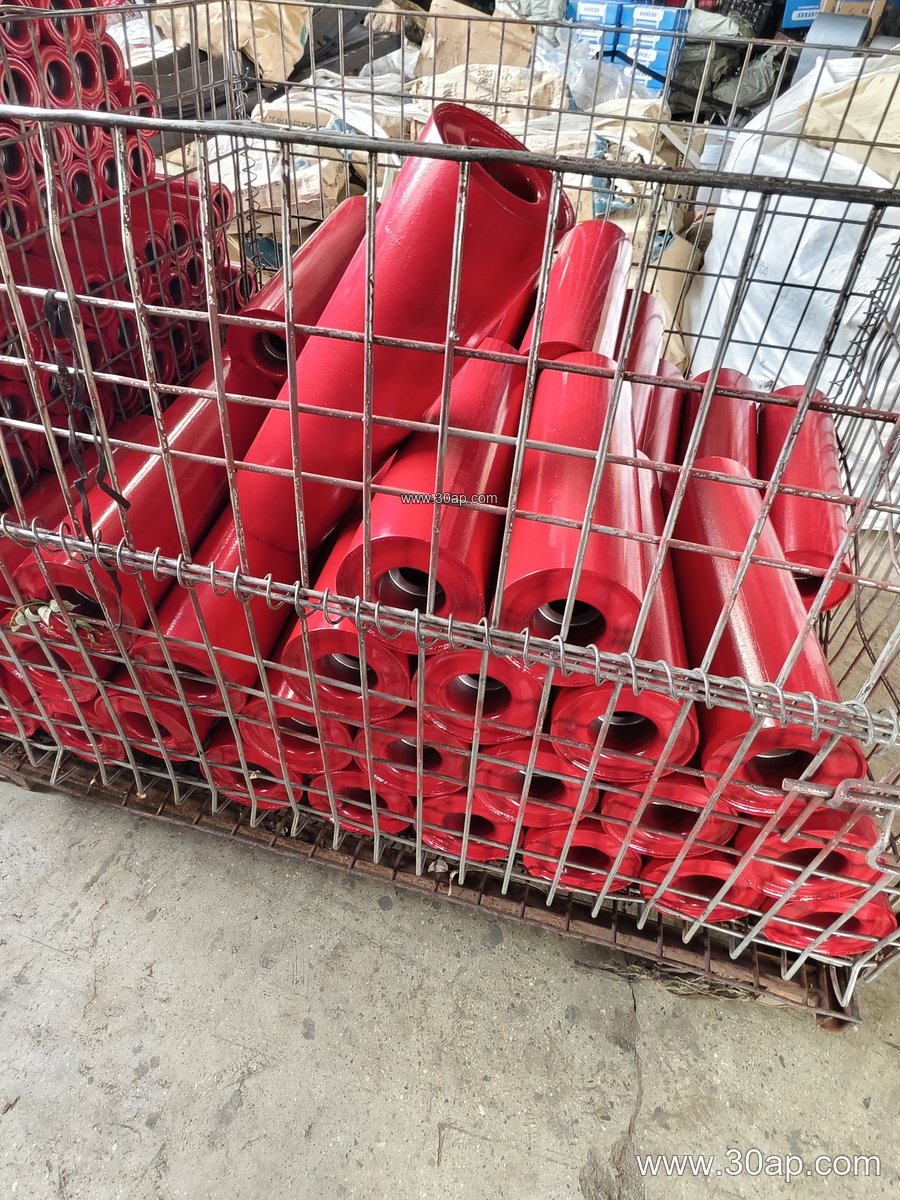
Carrying idlers usually use a three-roll troughing set to shape the belt into a trough. Return idlers support the empty belt underneath, often as a single flat roll or a V-return set that helps center the belt.
- Troughing idlers carry the loaded strand and set the trough angle.
- Impact idlers with rubber rings absorb shock below crusher discharge points.
- Training idlers, including friction and tapered types, correct belt misalignment.
- Spiral or梳-shaped rolls reduce sticking material in wet or sticky duty.
These are support components, not substitutes for a drive pulley or a bend pulley; each plays a different role in the same conveyor.
Trough Angle, Roll Length, and Belt Width
The trough angle, commonly 20, 30, 35, or 45 degrees, affects how much material the belt can hold and how the load sits. Roll length changes with belt width, trough angle, and roll arrangement. Some common examples for three-roll troughing sets are shown below; side rolls and center rolls can differ, so these are references, not fixed pairings.
| Belt width | Typical roll length (three-roll troughing) |
|---|---|
| B500 | about 200 mm |
| B650 | about 250 mm |
| B800 | about 315 mm |
| B1000 | about 380 mm |
| B1200 | about 465 mm |
| B1400 | about 530 mm |
| B1600 | about 600 mm |
| B1800 | about 670 mm |
| B2000 | about 750 mm |
Roller diameters from Ø63 to Ø219 mm appear across light and heavy-duty conveyors. A larger diameter roll turns more slowly and can suit high-load or high-speed lines, while smaller rolls suit lighter belts. Belt width alone does not determine shaft diameter; that comes from the full load calculation.
Where Idlers Are Used
In an iron ore or copper ore concentrator, idlers on the ore conveyor must tolerate abrasive fines and heavy lumps. In a power plant coal yard, flame retardant conveyor belt and anti-static properties matter on the belt side, while idlers need seals that resist coal dust. Aggregate lines feeding a crusher often place impact idlers right under the discharge chute.
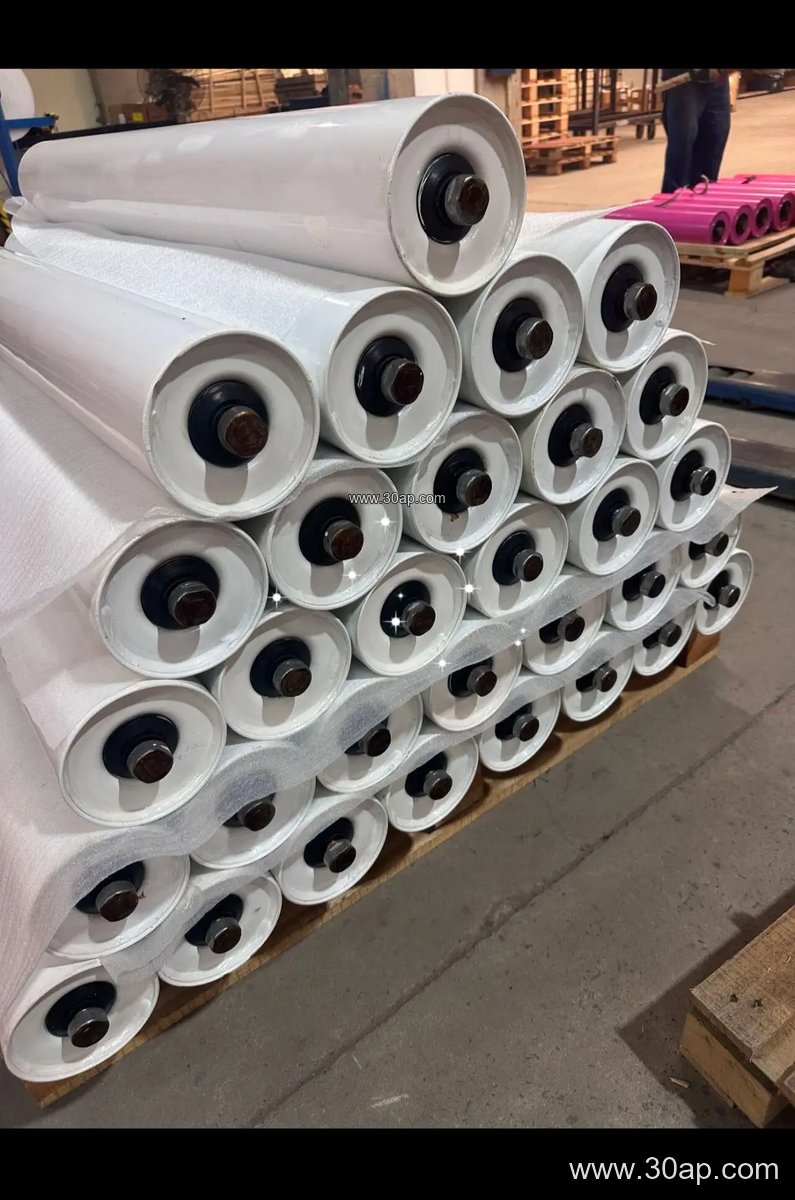
Other common settings include limestone quarries, cement clinker lines, port ship loaders, and tunnel spoil handling. In each case, the idler set should match the belt, the material, and the environment rather than being chosen by habit.
What Buyers Should Check
Before ordering, confirm belt width, trough angle, roll length, roller diameter, bearing size, and mounting dimensions. Ask how the seal is designed and whether the roller is balanced for the intended speed. For dusty or wet service, specify the protection level clearly. For sticky material, consider rubber-disc or spiral rolls. For high-impact zones, plan for cushion idlers rather than standard troughing rolls.
Also review the conveyor bracket and frame spacing, because idler spacing affects belt sag and load. Spacing that is too wide can overload individual rollers; spacing that is too tight adds cost and friction. The right answer comes from the belt tension and load calculation, not from a single rule of thumb.
Finally, keep spare idlers on hand for critical lines. A seized roller can damage the belt surface quickly, and in a coal or cement plant a small idler failure can stop a whole transfer system. Matching roller type, size, and seal to the duty is the most practical way to protect the belt and keep the line running.