What a Stone Conveyor Idler Does on a Crushing Line
A stone conveyor idler is the rotating support that carries a loaded conveyor belt between the loading point and the discharge end. In a quarry, aggregate plant or sand making line, the belt may move hundreds of tonnes of crushed rock per hour, so the idler roller group must support the belt, hold its trough shape and keep friction low. The stone conveyor idler is a complete assembly: rollers, shaft, bearings, seals and the frame that fixes it to the conveyor bracket. When buyers ask for a roller set for a rock conveyor, they usually mean the troughing idlers on the carrying side and the return rollers underneath.
The working environment matters as much as the load. Dust, grit and water ingress are constant threats, and a failed bearing can stop a crusher conveyor belt line within hours. That is why sealing quality and shaft alignment often matter more than a small difference in roller wall thickness.
Construction Details That Affect Service Life
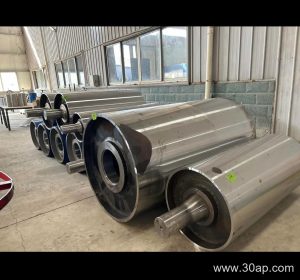
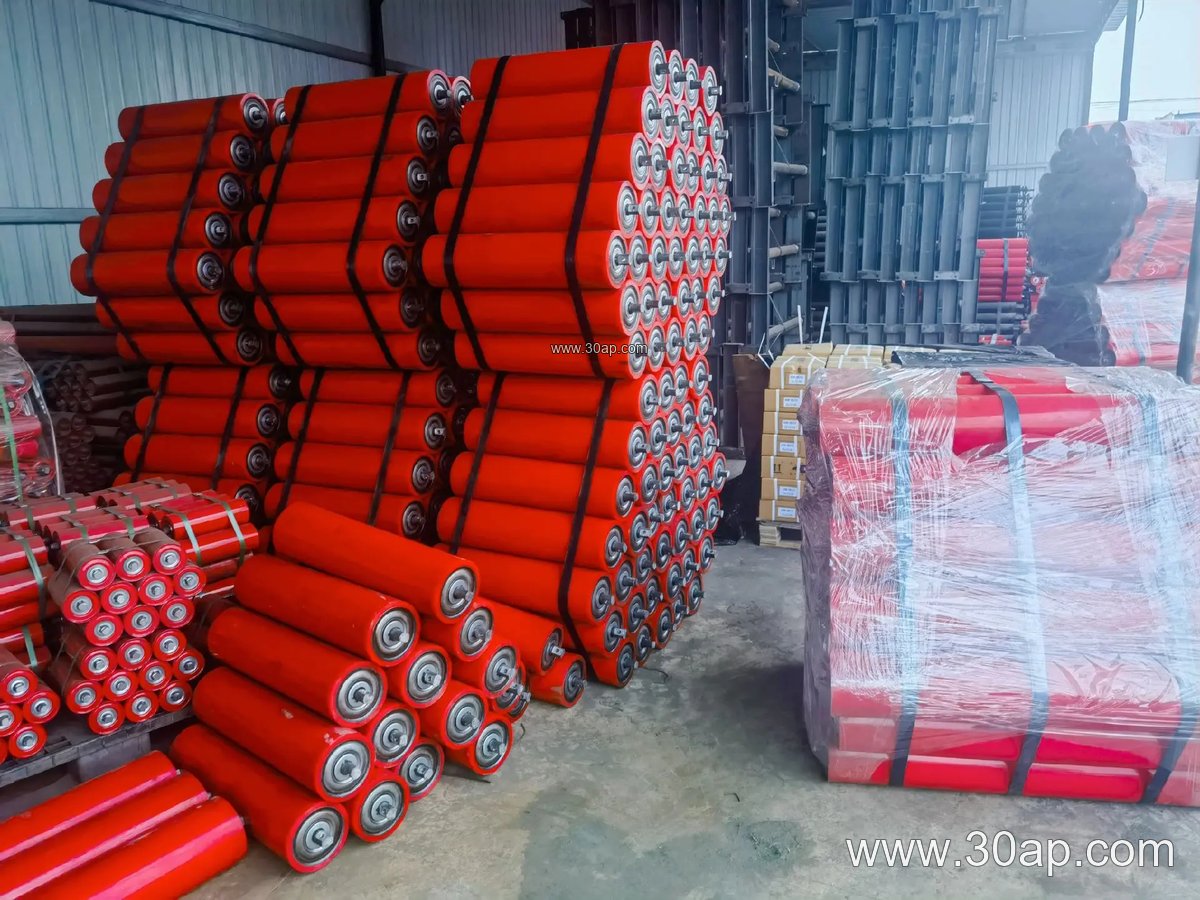
Most stone conveyor idlers use a steel tube shell pressed onto a through shaft, with deep groove ball bearings at each end. Common bearing sizes include 6204, 6205, 6305, 6306, 6308 and 6310, selected according to load and roller diameter rather than tied to one belt width. Roller diameters are commonly Ø63, Ø76, Ø89, Ø102, Ø108, Ø127, Ø133, Ø159, Ø178, Ø194 and Ø219 mm, with larger diameters generally chosen for heavier material and wider belts.
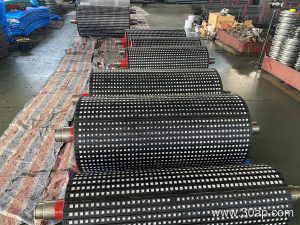
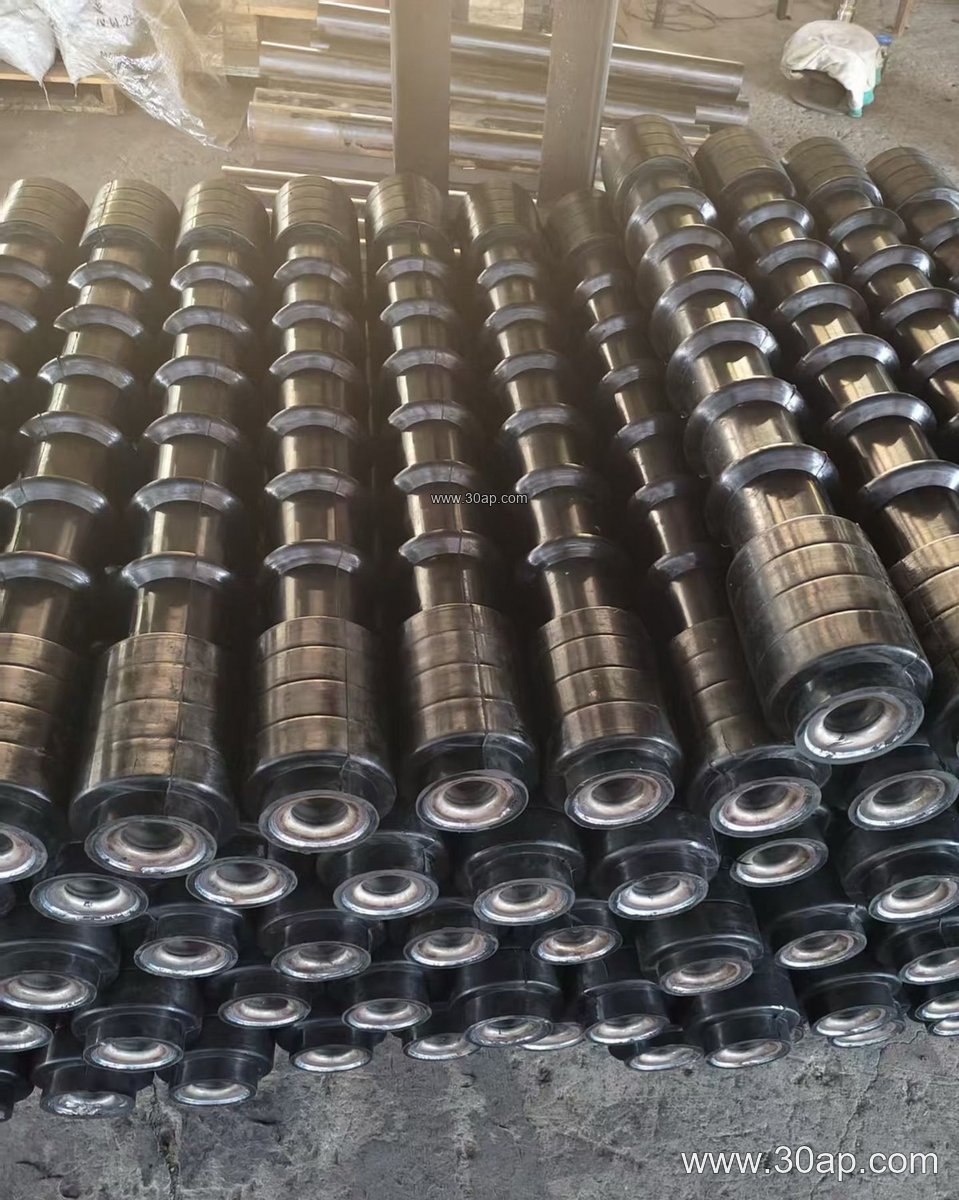
Shell options change the behavior of the assembly. A plain steel shell is the standard choice, nylon shells reduce weight and resist sticking in wet conditions, ceramic-faced rollers resist wear at the loading zone, and rubber rings absorb impact from large lumps. The seal design deserves close attention in a stone crushing conveyor: labyrinth seals with grease retention and dust exclusion last longer than simple covers, especially on the return side where fines collect.
Matching Roller Length and Belt Width
Roller length follows belt width, trough angle and the number of rollers in the set. For three-roll troughing sets, a B500 belt commonly uses rollers around 200 mm long, B650 around 250 mm, B800 around 315 mm, B1000 around 380 mm, B1200 around 465 mm, B1400 around 530 mm, B1600 around 600 mm, B1800 around 670 mm and B2000 around 750 mm. These are typical examples only; side rollers and center rollers can differ, and final dimensions should be confirmed against the conveyor design.
The trough angle, usually 20, 30, 35 or 45 degrees, controls how the material sits on the belt. A steeper angle centers the load better on a wide belt, while a shallower angle suits flatter material. Forward tilt of about 1.5 to 2 degrees is sometimes used on carrying idlers to help the belt track, and it appears more often in training and self-aligning positions than in ordinary trough sets.
Where Stone Conveyor Idlers Are Used
Stone conveyor idlers appear throughout aggregate and mineral handling. In a limestone quarry or sand and gravel plant, troughing idlers support the belt after the primary crusher, while impact idlers with rubber rings sit under the feed point. In an iron ore or copper ore concentrator, heavier roller diameters and thicker shells handle dense, abrasive material. A cement plant uses them on clinker and raw meal belts, and a power plant coal yard relies on them on coal conveying lines. A washing plant and screening station also need reliable return rollers to keep the belt running straight.
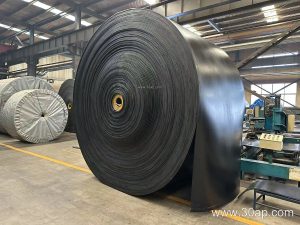
Where the belt itself is a heavy-duty mining conveyor belt or a steel cord conveyor belt, the idler frame and bearing selection must match the higher tension and weight. On a chevron conveyor belt or a corrugated sidewall conveyor belt, the idler layout may need adjustment so the cleats or sidewalls do not foul the rollers.
Practical Buying Advice
Before ordering, confirm four things: belt width, trough angle and roller arrangement, roller diameter and shaft diameter, and the working environment. The shaft diameter should come from the conveyor design and load calculation, never from belt width alone. Ask for the seal type, bearing brand class and shell wall thickness, and check that the mounting dimensions match the existing conveyor bracket spacing.
Maintenance also affects the choice. Keep spare troughing and return idlers on site, inspect for seized rollers and worn shells during scheduled stops, and replace damaged units in matched sets where alignment matters. A well-chosen stone conveyor idler protects the belt, cuts power draw and keeps the whole conveying circuit running.