What Makes a Heavy-Duty Conveyor Belt Different
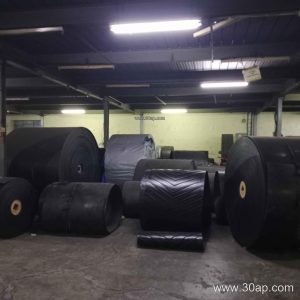
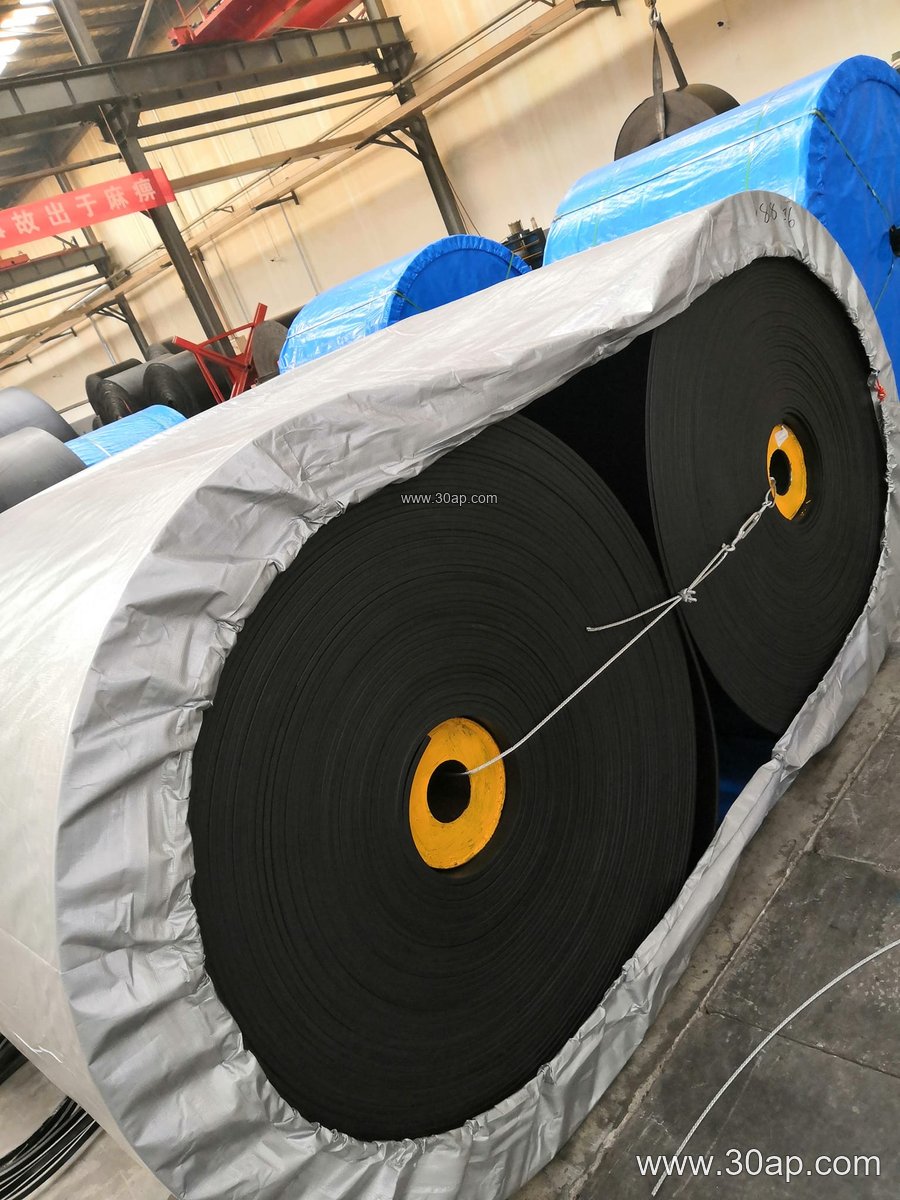
A heavy-duty conveyor belt is a robust transport belt engineered for continuous, high-load duty in mines, coal preparation plants, cement works, power stations, quarries, and sand and gravel yards. Unlike a light general-purpose belt, it usually combines a strong tension-bearing carcass with thick rubber covers, so it can carry lumpy rock, ore, clinker, and other bulk materials over long distances without frequent replacement. The same product is often called a heavy-duty rubber conveyor belt or a heavy-duty fabric core conveyor belt when the carcass is textile-based; these are equivalent names for the same category, not different products.
Construction and Key Components
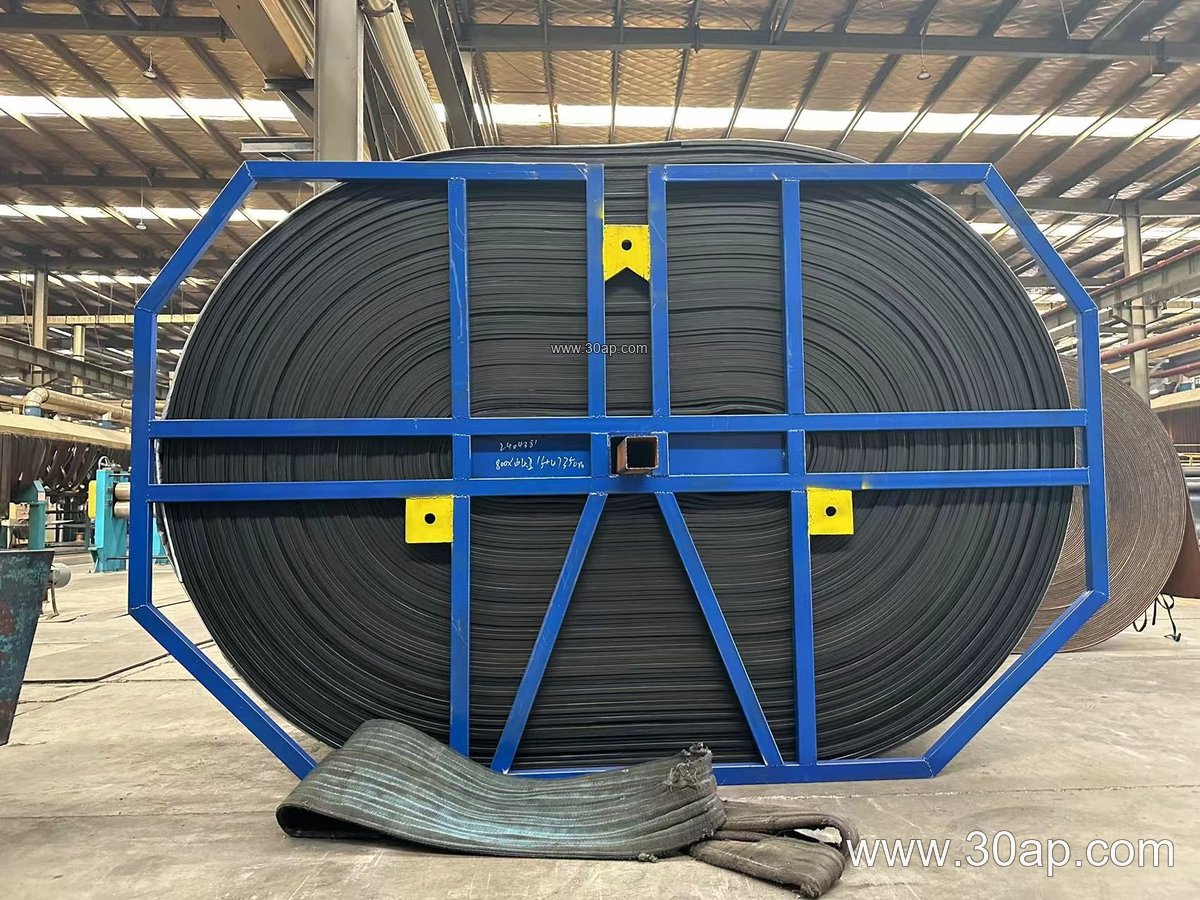
Most heavy-duty designs use a multi-ply fabric core or a steel cord tension member. A multi-ply fabric core conveyor belt, for example, may contain 2 to 6 plies of EP or NN fabric, while a steel cord conveyor belt relies on parallel steel cords for very high tensile strength. The carcass is protected by top and bottom rubber covers, commonly 4+2 mm, 5+2 mm, 6+2 mm, or 8+3 mm depending on impact and abrasion severity. Edge construction, skim rubber between plies, and cover compound quality all affect service life. In dusty or underground service, anti-static and flame retardant grades are often specified together.
Common Heavy-Duty Belt Types
- EP conveyor belt and NN conveyor belt for general heavy bulk duty
- Steel cord conveyor belt for long hauls and high tonnage
- Abrasion resistant conveyor belt for rock, ore, and aggregate
- Heat resistant conveyor belt for cement clinker and sinter
- Flame retardant conveyor belt and fire resistant conveyor belt for coal mining
- Oil resistant, acid resistant, and cold resistant grades for special environments
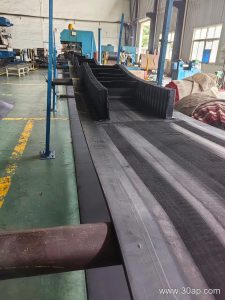
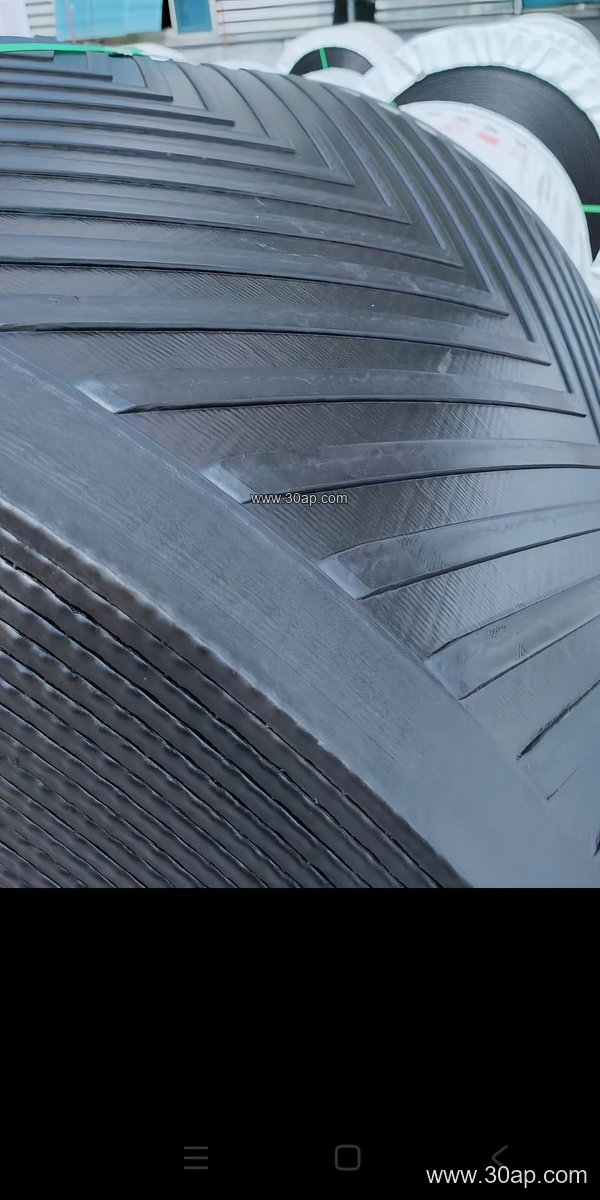
- Chevron conveyor belt, skirted conveyor belt, corrugated sidewall conveyor belt, and pipe conveyor belt for steep or contained transport
Typical Working Conditions and Industries
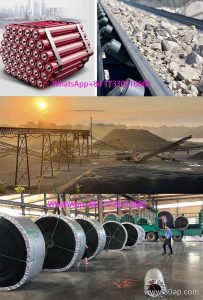
In a coal mining conveyor belt system, a heavy-duty belt must resist cutting, impact, and flame propagation. In a quarry conveyor belt or crusher conveyor belt line, abrasion resistance matters most because sharp stone edges wear the cover quickly. Cement plants often choose a heat resistant conveyor belt for clinker transport and an abrasion resistant grade for limestone. Power plants, steel plants, ports, ship loading facilities, recycling lines, and construction sites also use heavy-duty belts for bulk material handling. Where space is tight and the route must bend, a pipe conveyor belt can enclose the load; where the incline is steep, a chevron or corrugated sidewall design may be used instead of a standard flat belt.
Specifications Buyers Usually Review
Belt width, carcass strength, number of plies, cover thickness, and cover grade are the first data points. Common widths include B500, B650, B800, B1000, B1200, B1400, B1600, B1800, and B2000, but no single width is mandatory for every conveyor. The table below shows reference examples, not universal specifications or a supply promise.
Reference Data for Heavy-Duty Belt Selection
| Item | Common Reference Values | Notes |
|---|---|---|
| Belt width | B500, B650, B800, B1000, B1200, B1400, B1600, B1800, B2000 | Match to conveyor design and material size |
| EP strength grades | EP200, EP315, EP400, EP500, EP630, EP800, EP1000, EP1250, EP1600, EP2000 | Selected by tension calculation |
| Cover thickness | 3+1.5, 4+2, 5+2, 6+2, 8+3 mm | Thicker covers for high impact and abrasion |
| Fabric plies | Commonly 2 to 6 | Depends on belt class and duty |
| Special grades | Flame retardant, anti-static, heat resistant, oil resistant, cold resistant | Confirm by application |
Selection and Maintenance Notes
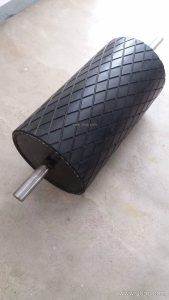
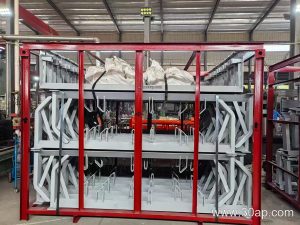
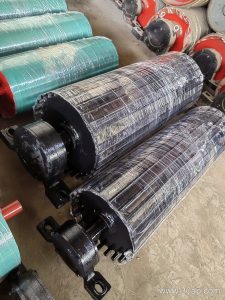
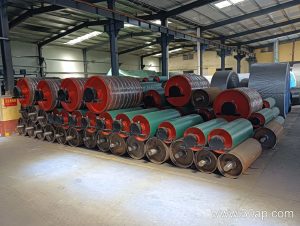
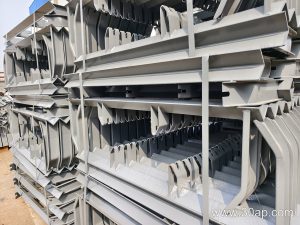
Start with the material type, lump size, tonnage, incline, and pulley layout. Drive, tail, and bend pulleys each perform a different function, so they are not interchangeable; the belt must be checked against the actual pulley diameters and troughing arrangement. Idler roller spacing, conveyor pulley condition, and conveyor bracket alignment affect belt tracking and wear. A heavy-duty mining conveyor belt may need impact idlers at the loading point and a well-aligned chute to prevent edge damage. During operation, watch for cover wear, ply separation, edge fraying, and splice condition. Keeping the belt clean, avoiding overload, and correcting misalignment early will extend service life in any cement plant, coal mine, or aggregate operation.
For more information on heavy-duty conveyor belt options, idler roller selection, and conveyor pulley matching, visit http://www.beltconveyorparts.com/heavy-duty-conveyor-belt and http://www.beltconveyorparts.com/conveyor-pulley.