What the EP1000 1200mm Conveyor Belt Is
The EP1000 1200mm conveyor belt is a heavy-duty fabric core belt built around polyester-polyamide (EP) plies and supplied at a 1200 mm belt width. The EP1000 designation refers to the belt’s nominal tensile strength class, making it a common choice for main haulage lines where a wide, strong and reasonably flexible belt is needed. Because it is a fabric core construction rather than a steel cord design, it handles well on conventional conveyors with moderate-to-large pulley diameters and offers good troughability at this width.
Buyers often meet this product through names such as an EP1000 conveyor belt, a 1200mm wide conveyor belt, or an EP fabric core conveyor belt. These all describe the same item: a multi-ply EP rubber belt, 1200 mm wide, rated in the EP1000 strength class.
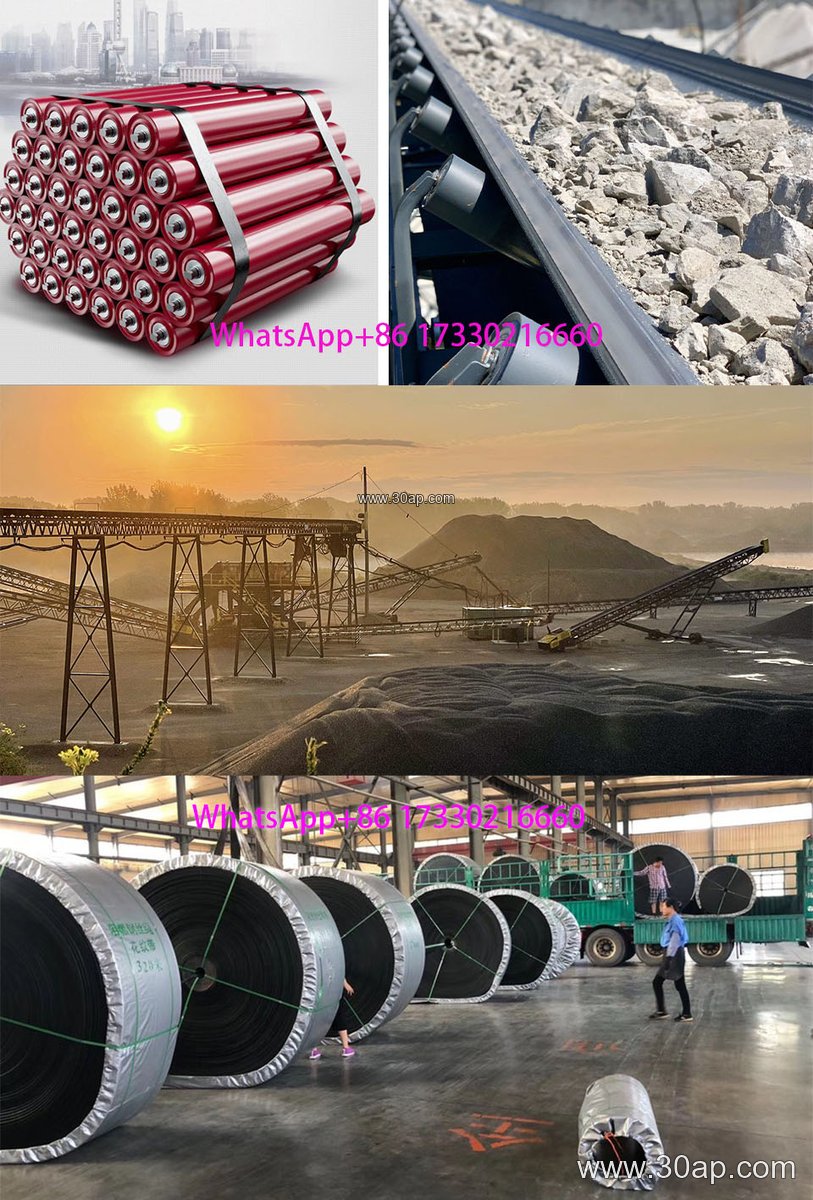
Construction and Build
A typical EP1000 1200mm conveyor belt uses two to six EP fabric plies as the tension-bearing carcass, with rubber covers on the top and bottom faces. Cover thickness is usually quoted as a top plus bottom figure, for example 5+2 mm or 6+2 mm, and can be adjusted for wear-heavy duties. The rubber compound is selected for the working environment: abrasion resistant grades for sand and stone, flame retardant and anti-static grades for coal, heat resistant grades for cement and clinker, and oil resistant grades where lubricants or oily cargo are present.
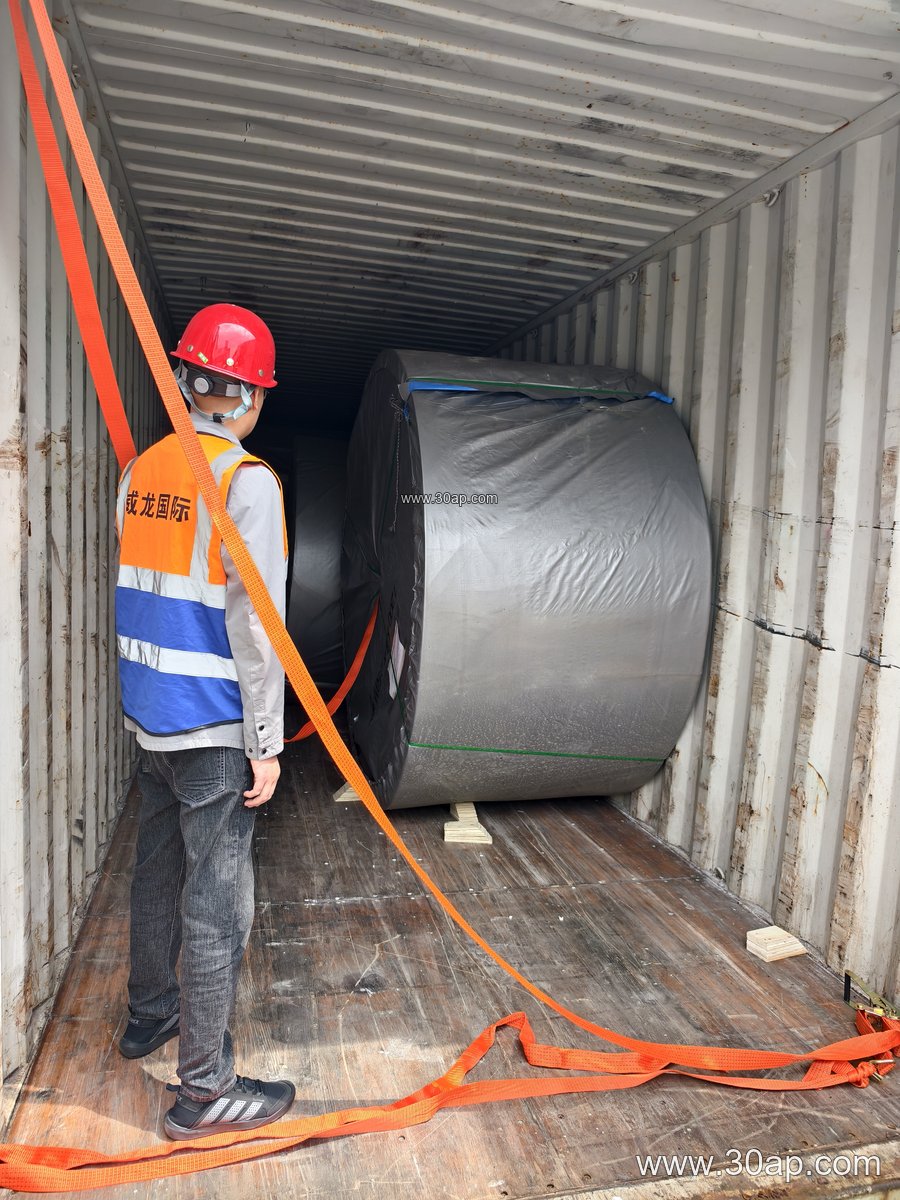
Edge construction, splice preparation and cover quality all affect service life. Skived edges or moulded edges may be specified, and the belt can be supplied as an endless conveyor belt where the splice is made at the factory rather than in the field.
Common Specification Reference
The values below are typical reference points, not fixed universal specifications. Actual construction is confirmed by design and by the manufacturer.
- Strength class: EP1000 (other classes such as EP800, EP1250 and EP1600 exist for comparison)
- Belt width: 1200 mm (B1200)
- Carcass: 2 to 6 EP plies, common in multi-ply fabric core conveyor belt construction
- Cover thickness: commonly 4+2, 5+2, 6+2 or 8+3 mm
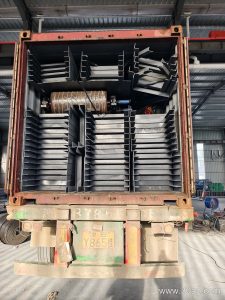
- Surface options: plain, chevron conveyor belt pattern, or corrugated sidewall conveyor belt form where the route needs cleats or walls
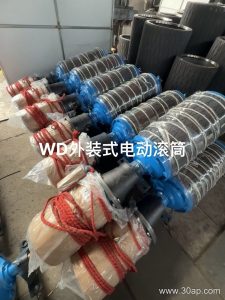
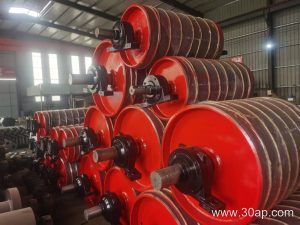
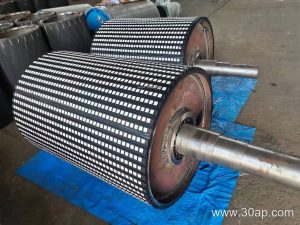
Note that belt width does not dictate a specific pulley diameter or shaft size. Drive pulleys, tail pulleys and bend pulleys are separate components, each sized from the conveyor’s tension, wrap angle and shaft load calculations. A 1200 mm belt may run on a range of pulley diameters depending on the duty.
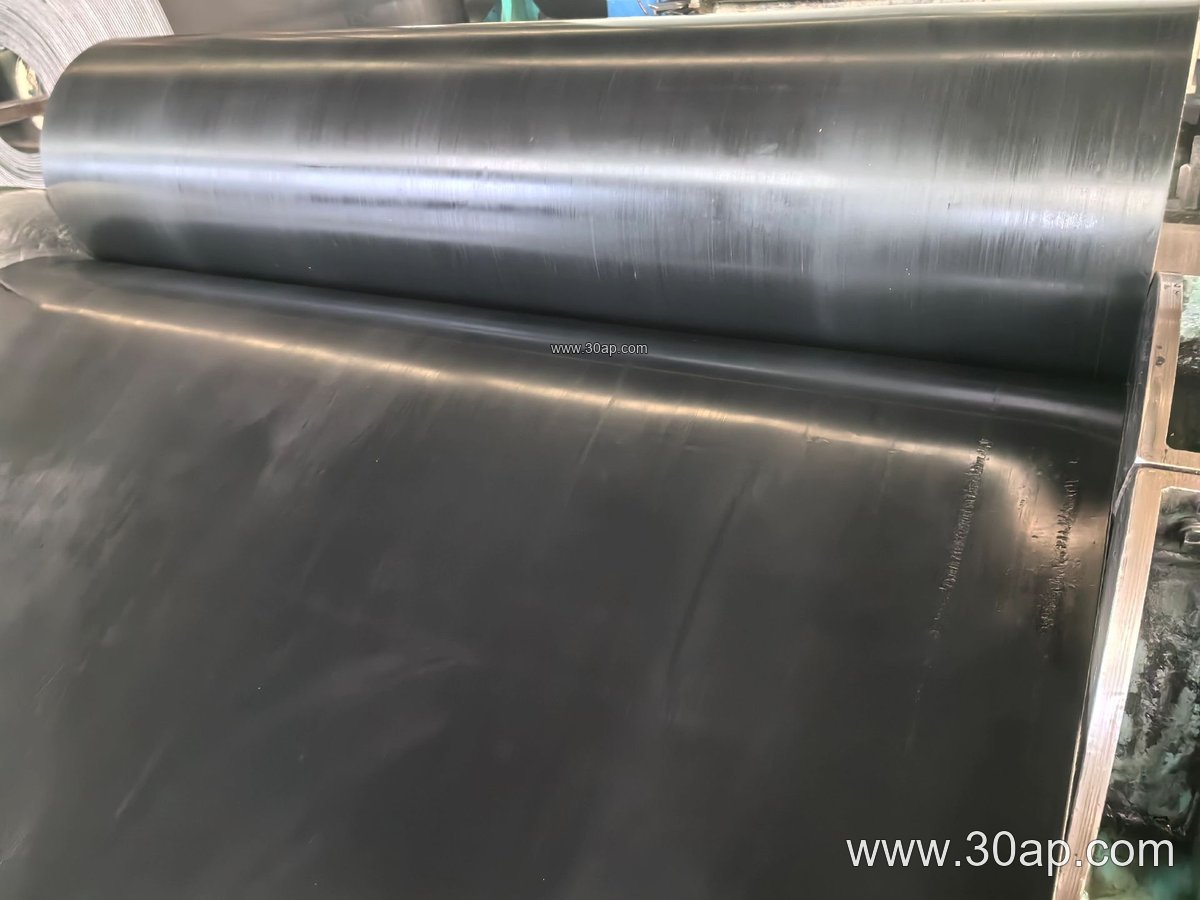
Where It Fits in the Plant
The EP1000 1200mm conveyor belt is widely used in mines, coal preparation plants, cement works, power stations, quarries, sand and gravel yards, steel plants and port loading systems. At 1200 mm width it can move large tonnages of bulk material conveyor belt loads such as crushed rock, ore, clinker, coal and aggregate, while remaining manageable for splicing and training.
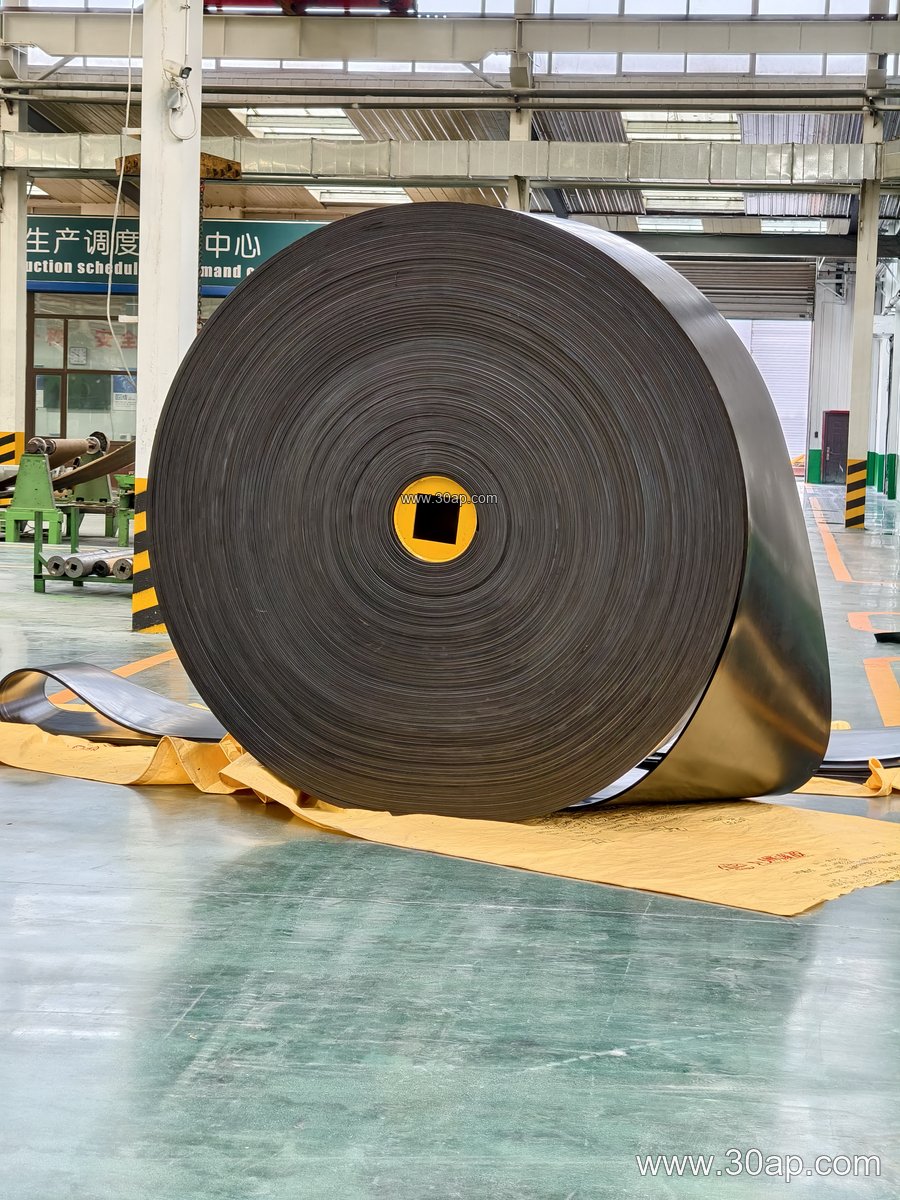
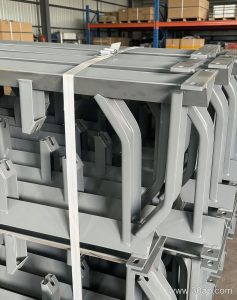
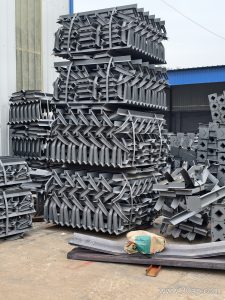
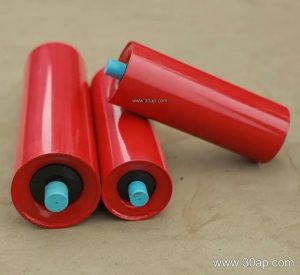
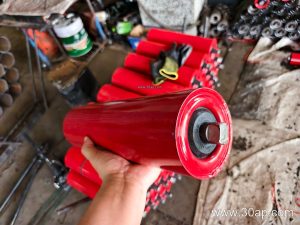
In a full conveyor line the belt works with idler rollers that support the carry and return strands, conveyor pulleys at the head and tail, and conveyor brackets that hold the frames and rollers in alignment. In dusty or wet conditions, good belt training depends as much on roller alignment and pulley condition as on the belt itself.
For abrasive quarry and crusher duties, a high abrasion resistant cover is often selected. For underground coal mining conveyor belt service, flame retardant and anti-static properties are usually required by the site’s safety rules, and a fire resistant conveyor belt grade may be specified. Heat resistant conveyor belt grades suit cement and power plant applications where material temperature is elevated.
Buyer Checklist
- Confirm the required strength class and whether EP1000 is the right rating for the duty; heavier classes such as EP1250 or EP1600 may be needed on long or steep routes.
- State the belt width, 1200 mm, and the conveyor’s trough angle and transition distances so the belt can be built to trough properly.
- Specify cover thickness and rubber grade for abrasion, heat, oil, flame resistance or cold conditions.
- Decide on splice type and whether an endless belt is required.
- Check pulley diameters, roller spacing and take-up travel against the belt’s recommended minimum pulley size and elongation.
- Ask for the manufacturer’s data sheet for the exact EP1000 1200mm conveyor belt construction, including ply count, cover grade and tolerances.
Matching the belt to the conveyor, rather than treating one width or class as a universal answer, is the practical route to long service life in mining, cement, power and aggregate operations.