What a Ceramic Lagged Bend Pulley Does
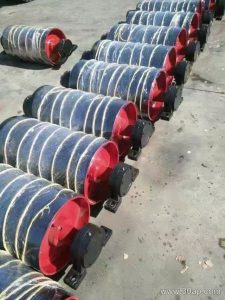
A ceramic lagged bend pulley is a conveyor pulley that changes the direction of the conveyor belt without driving it. It is often called a ceramic lagged redirect pulley or ceramic lagged turning pulley. Unlike a drive pulley that transmits power or a tail pulley that returns the belt, a bend pulley simply guides the belt along a new path, typically increasing wrap angle around the drive pulley or routing the belt around obstacles. The ceramic lagging on its surface improves grip and wear resistance, which matters when the belt is under tension and must stay aligned.
Construction and Surface Options
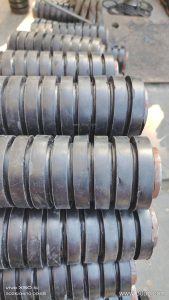
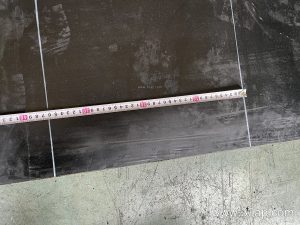
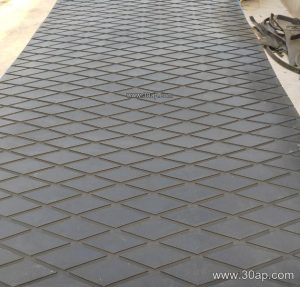
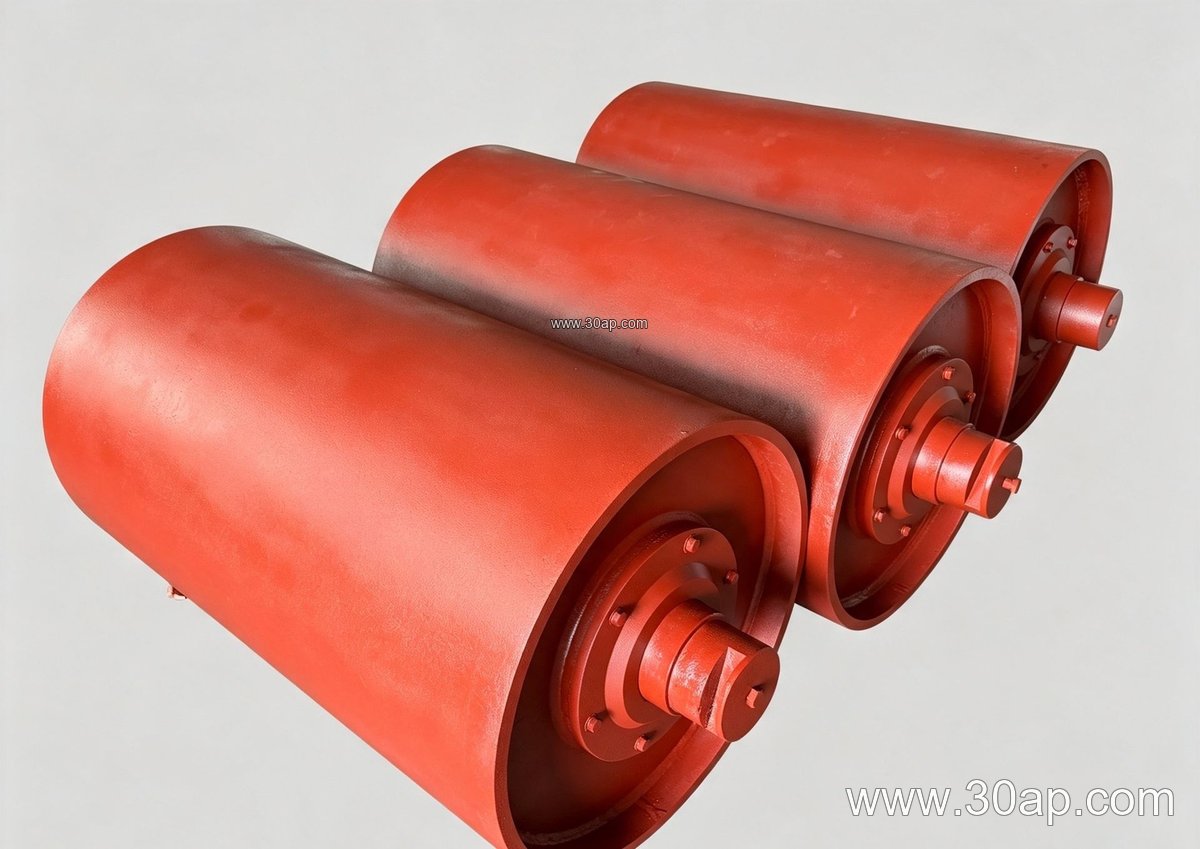
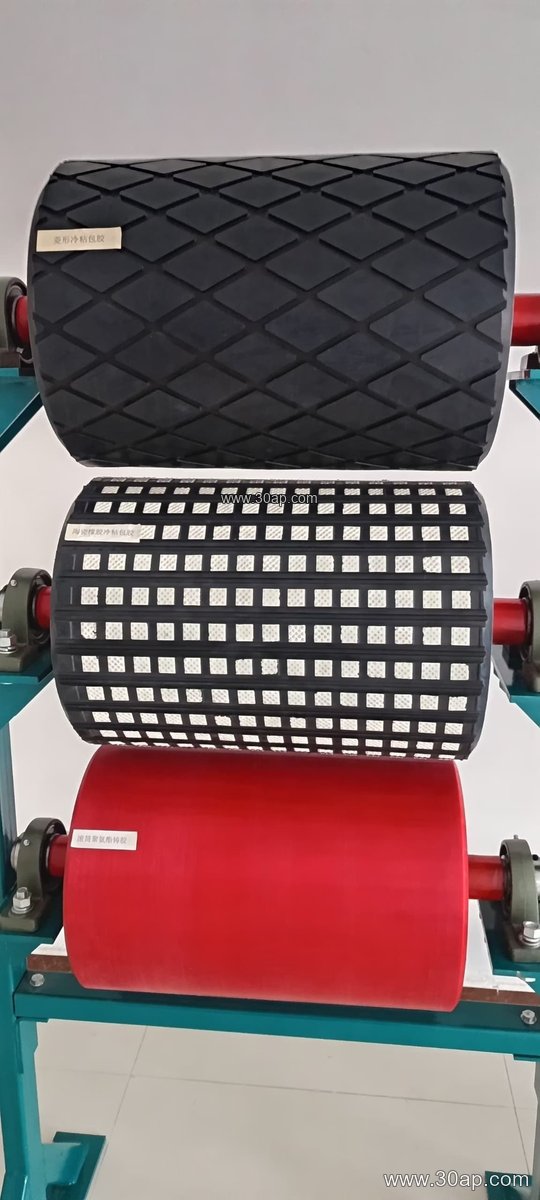
These pulleys are built with a steel drum, shaft, and bearing housings. The ceramic lagging consists of small ceramic tiles bonded to a rubber backing, applied in a pattern that leaves channels for water and debris to escape. This helps maintain friction even in wet or dusty conditions. Surface forms include flat ceramic lagging and diamond-pattern ceramic lagging. Lagging thickness commonly ranges from 8 mm to 20 mm, with 12 mm or 15 mm often used in abrasive service. The pulley face width is usually slightly wider than the belt, for example a B800 belt might use a pulley face around 950 mm. Common diameters include Ø315, Ø400, Ø500, Ø630, and Ø800, but the right choice depends on belt tension and shaft load, not on belt width alone.
Where It Fits in the Conveyor System
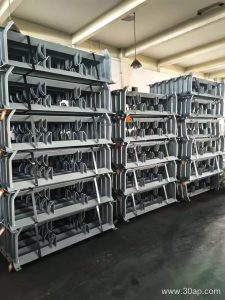
You will find ceramic lagged bend pulleys in quarry and aggregate lines, cement plants, coal handling systems at power stations, and port bulk terminals. In a typical arrangement, they are placed near the drive to increase contact between the belt and the drive pulley, or after a take-up to route the belt back. They work alongside conveyor idlers, conveyor brackets, and the main conveyor pulley set. Because they do not transmit torque, their shaft diameter is often smaller than a drive pulley of similar diameter, but it must still be sized for the resultant belt tension. Common shaft diameters range from Ø80 to Ø160 for medium-duty applications, determined by torque and load calculations.
Selection Factors for Buyers
When specifying a ceramic lagged bend pulley, consider belt width, pulley diameter, face width, shaft diameter, bearing type, and lagging pattern. The pulley should be balanced for the belt speed. Ceramic lagging is chosen for high-wear areas where rubber lagging would fail quickly, such as handling abrasive ore or clinker. It is not a substitute for a drive pulley; if you need power transmission, specify a drive pulley with appropriate lagging. For comparison, a tail pulley may use plain rubber lagging because it sees less slip. Also check compatibility with the conveyor belt type: a steel cord conveyor belt or heavy-duty mining conveyor belt may require a larger diameter to reduce bending stress. Provide the actual belt tension and speed to your supplier so they can confirm the shaft and bearing size.
Maintenance and Installation Notes
Ceramic lagging is durable but can chip if struck by sharp objects. Keep the pulley surface clean and ensure the belt tracking is correct to avoid edge wear. Inspect the lagging periodically for missing tiles or worn channels. When replacing, match the lagging thickness and pattern to the original specification. Remember that a bend pulley is not interchangeable with a drive pulley or tail pulley; each has a distinct role. For reliable direction change in abrasive environments, a ceramic lagged bend pulley is a practical choice.