What the Ø108 Mining Idler Is
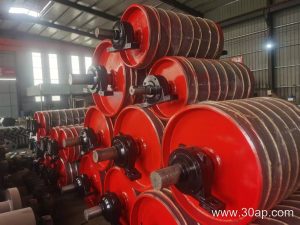
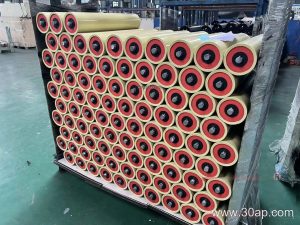
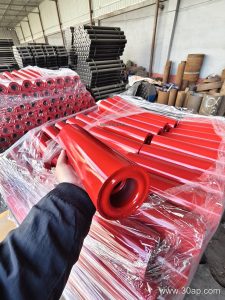
The Ø108 mining idler is a carrying or return roller with a nominal shell diameter of 108 mm, built for belt conveyors that move abrasive, heavy, or wet bulk material. In plant drawings and spare-parts lists it often appears simply as a 108 mm idler roller, the same product under a shorter name. It is not a drive, tail, or bend pulley; those are conveyor pulleys that transmit power or change belt direction, while this roller supports the belt and lets it run freely.
The size sits in the middle of the common idler range, above Ø89 and below Ø127. That middle position makes it a practical choice for medium to wide belts in crushing circuits, screening plants, and stockyard conveyors where a light roller would wear out too quickly but a very large roller is not needed.
How the Roller Is Built
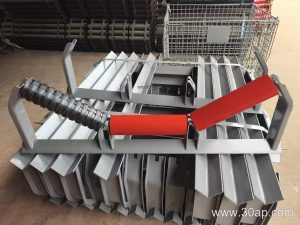
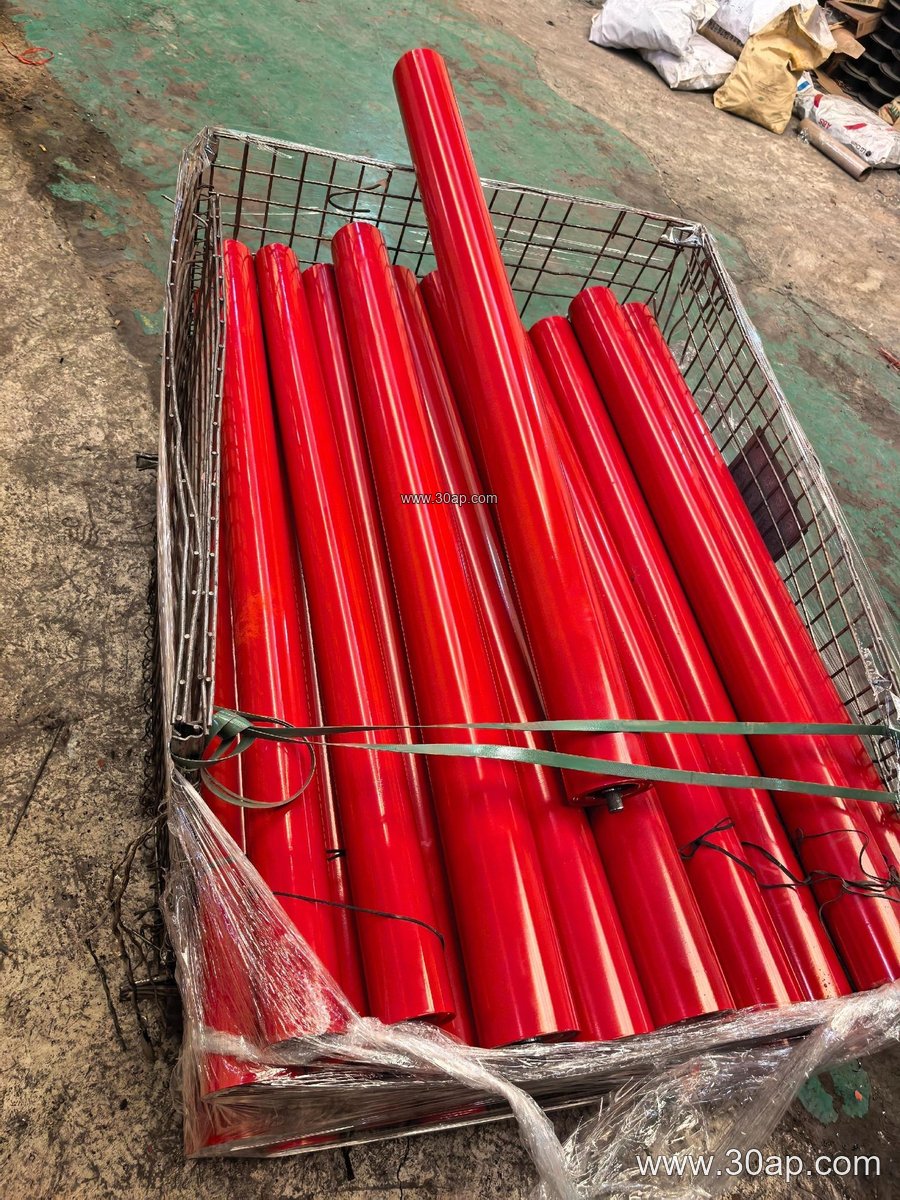
A typical unit combines a steel tube shell, welded end caps, a through shaft, and a pair of sealed ball bearings. Roller faces can be plain steel, nylon, ceramic, or rubber rings depending on the duty. Bearing seats and labyrinth seals are the parts that decide service life in dusty conditions, so buyers should look at seal design as closely as the tube thickness.
Common bearing sizes used in this diameter class include 6205, 6305, and 6306. None of these is tied to one shell diameter, and the final choice depends on load, speed, and the manufacturer’s design. Shaft diameter and end fitting should be confirmed from the supplier’s drawing rather than assumed from belt width.
Where It Fits on the Conveyor
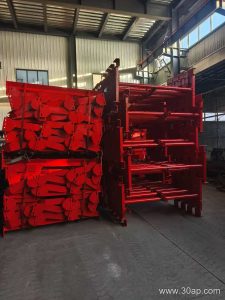
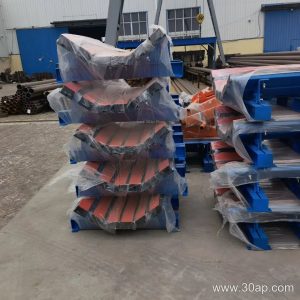
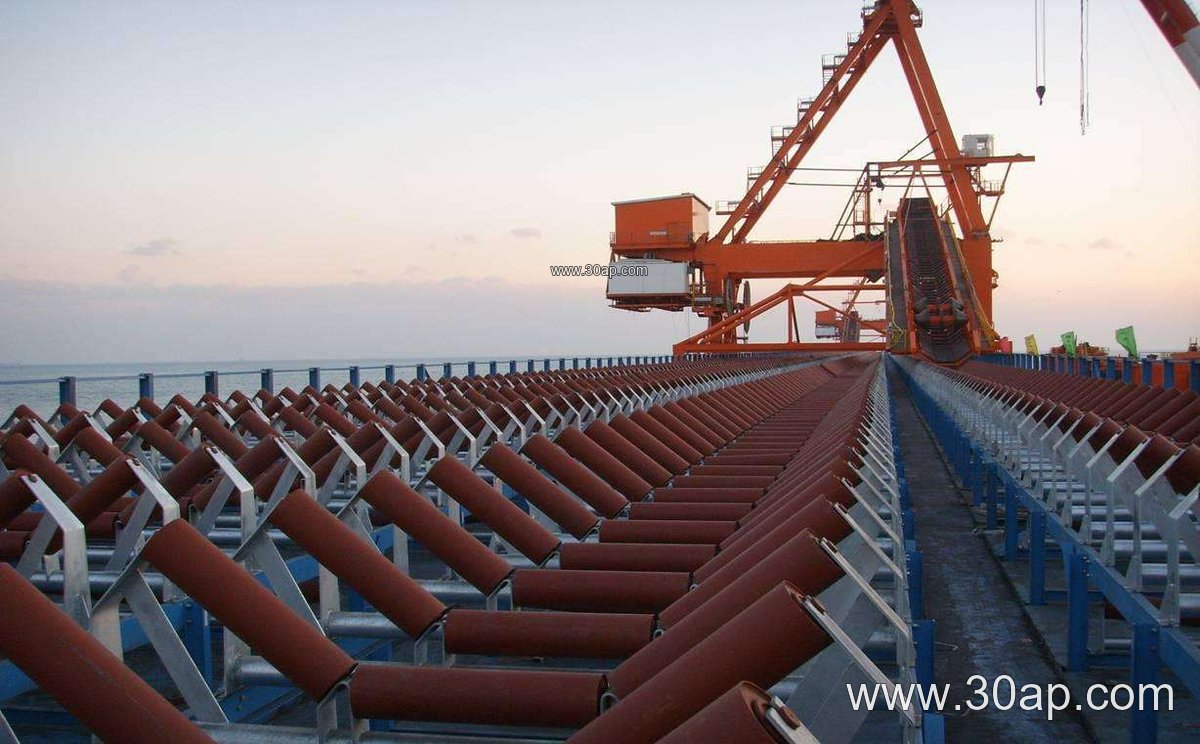
The Ø108 roller is used in troughing sets, transition positions, and return runs. A three-roll troughing set at 30 or 35 degrees is the usual arrangement for a loaded belt, while a single roller or a V-return set handles the empty strand. In a quarry or sand and gravel line it may carry crushed rock after a crusher; in a coal preparation plant it may run under a flame retardant conveyor belt; in a cement plant it may sit beneath a heat resistant conveyor belt on a clinker line. A limestone mine, iron ore plant, or power station coal yard is equally likely to specify it.
Roller length is not fixed. For a three-roll troughing set, common roller lengths are roughly 315 mm at B800, 380 mm at B1000, 465 mm at B1200, and 530 mm at B1400. Side rollers and centre rollers can differ, and trough angle changes the geometry, so these figures are examples for layout discussion, not a matched table.
| Parameter | Common Reference | Note |
|---|---|---|
| Shell diameter | Ø108 mm | Nominal, verify tolerance |
| Belt width range | B800 to B1400 | Typical, not exclusive |
| Trough angle | 20, 30, 35, 45 degrees | By conveyor design |
| Roller face | Steel, nylon, ceramic, rubber ring | By material and wear |
| Bearing | 6205, 6305, 6306 | Per manufacturer design |
| Set form | Single, two-roll, three-roll | Carrying or return |
Matching the Idler to the Belt and the Job
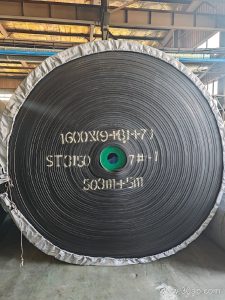
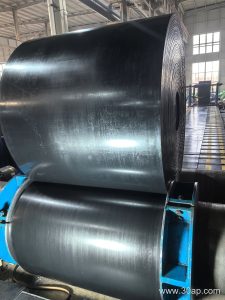
Selection starts with the belt, not the roller alone. A heavy-duty mining conveyor belt with a thick cover and high tension needs a robust frame and well-sealed bearings, while a lighter EP conveyor belt on a short transfer may be served by a standard build. Abrasion resistant conveyor belt running over sharp ore calls for a wear-resistant shell or rubber rings. In dusty coal handling, a flame retardant conveyor belt is often paired with rollers that resist fines ingress. Where the belt carries hot sinter or clinker, a heat resistant conveyor belt and heat-tolerant roller grease matter more than diameter.
Impact zones deserve separate attention. At a transfer point, rubber-ring impact rollers absorb fall energy, and the Ø108 size can be used there when the frame allows. Alignment problems are better solved with self-aligning or friction-aligning rollers than by changing diameter. Mentioning a drive or tail pulley here would be misleading, since those components serve a different function.
Buyer Checklist
- Confirm shell diameter, wall thickness, and roller length from a drawing.
- Check bearing size and seal type for dust and moisture exposure.
- State the belt width, trough angle, and set form so the frame fits.
- Match roller face material to the conveyed material and belt cover.
- Ask about shaft end dimensions and fixing method for the conveyor bracket.
- Plan a spare ratio for high-wear positions near crushers and transfer chutes.
For a plant sourcing rollers alongside belting, it helps to review the whole conveyor line at once. A supplier that also handles rubber conveyor belt, steel cord conveyor belt, and related components can often confirm dimensional compatibility faster than a roller-only vendor. Whatever the source, treat catalogue sizes as reference data and ask for the actual drawing before ordering a full set.