What the ST2500 Conveyor Belt Is
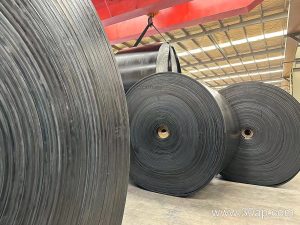
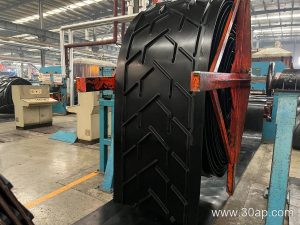
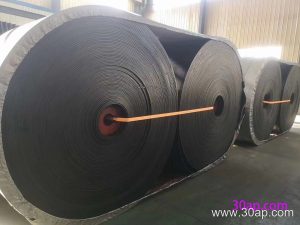
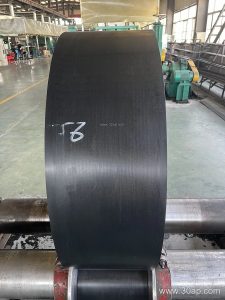
The ST2500 Conveyor Belt is a steel cord conveyor belt with a nominal tensile strength of 2500 N/mm. It sits in the upper range of the ST series, above ST2000 and below ST3150, and is chosen where a single flight must carry very large tonnages over long distances without excessive elongation. The steel cords run longitudinally through the carcass and carry the tension, while the rubber covers protect the cord layer from abrasion, impact and moisture. In practice, this is a high strength conveyor belt aimed at heavy-duty mining conveyor systems, long overland lines and high-capacity bulk material handling.
How the Belt Is Built
The carcass consists of parallel steel cords embedded in a bonding rubber compound. A typical build has a thin core, a cord layer on each side and top and bottom covers. Cover thickness is usually specified as a pair, for example 6+2 mm or 8+3 mm, with the top cover sized for the material being carried. Because the cords are the load-bearing element, splice preparation is different from fabric belts: each cord must be cut and joined individually, so a skilled splicing crew and a proper splice schedule matter as much as the belt itself.
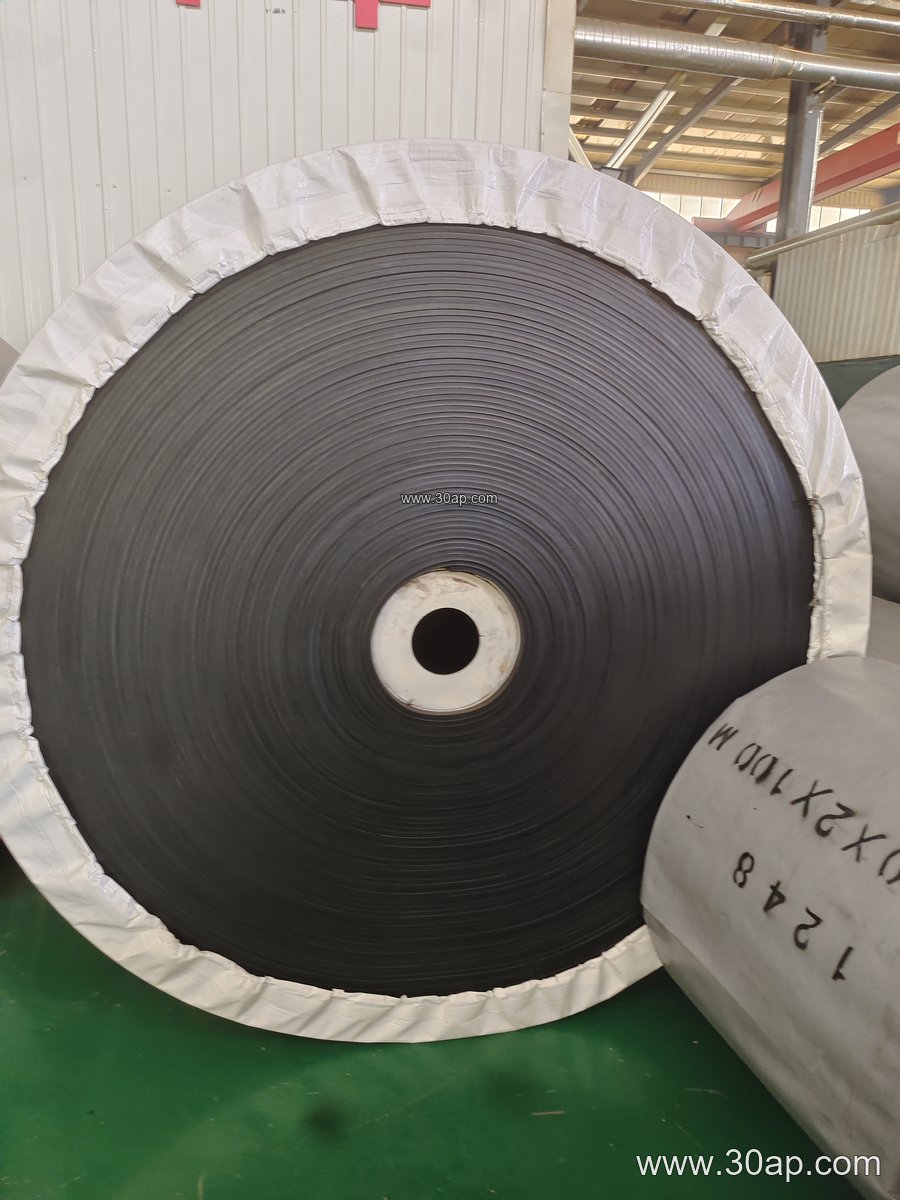
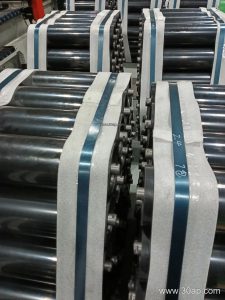
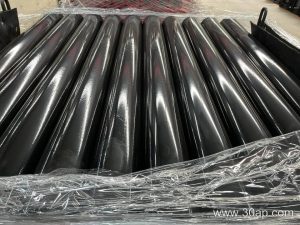
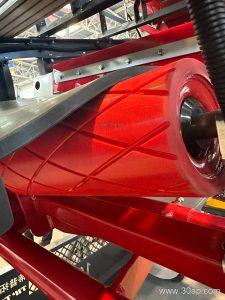
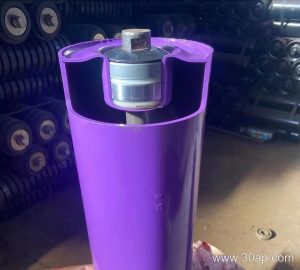
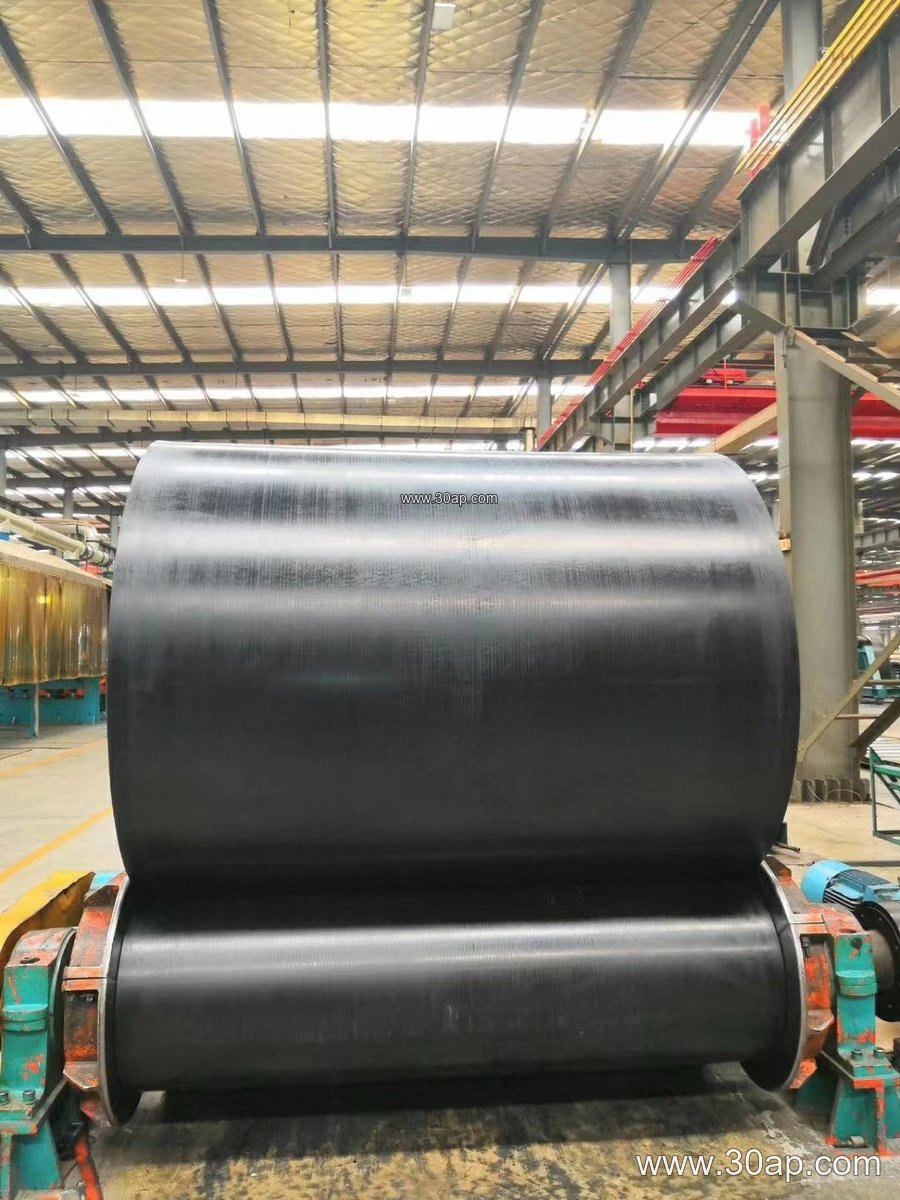
The belt usually runs on a conveyor pulley at the head and tail, supported by idler roller sets along the carrying and return sides. Conveyor brackets and frames hold the idlers in alignment. A misaligned frame or a worn conveyor pulley will shorten belt life regardless of carcass quality.
Typical Duty and Industries
ST2500 is common in applications where belt tension and tonnage are both high. You will see this grade discussed for:
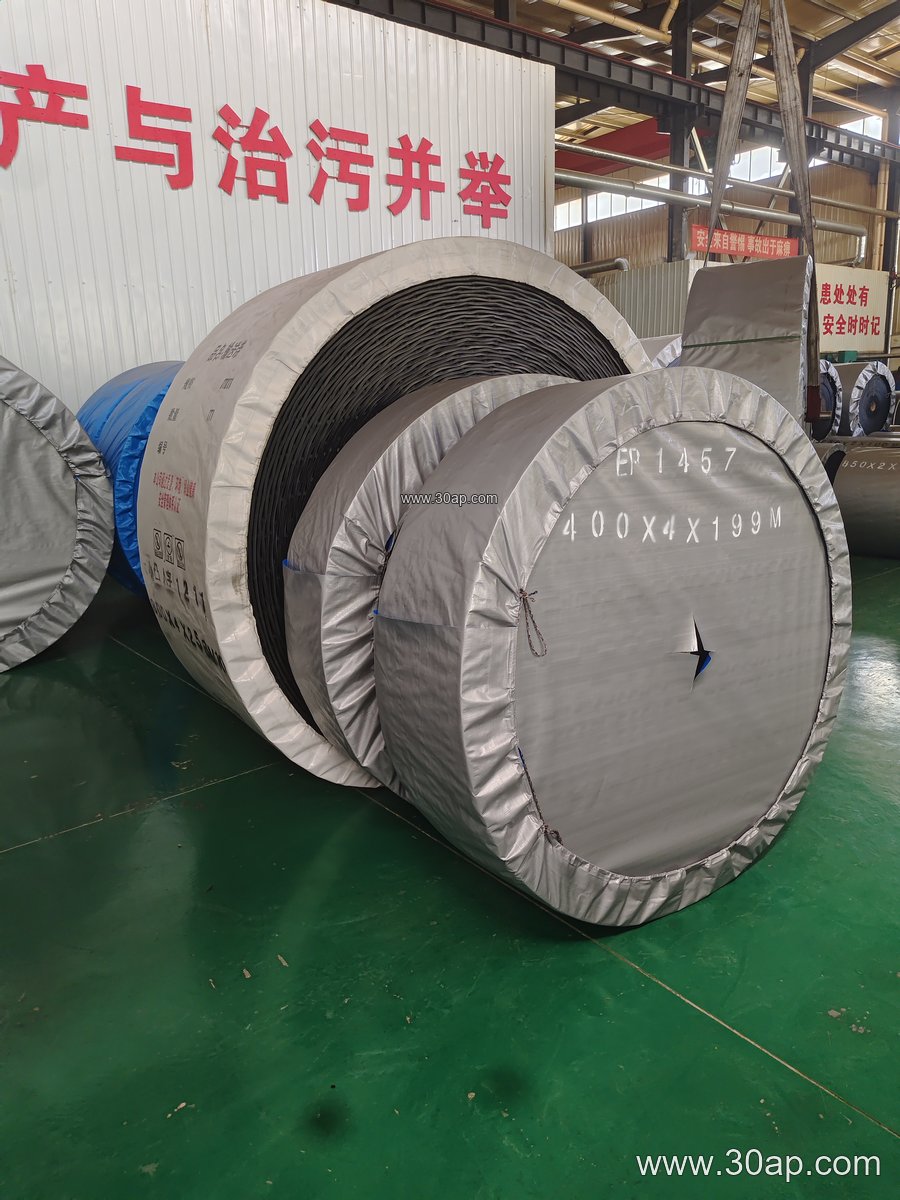
- Coal mining conveyor lines, including underground coal mining conveyor systems where flame retardant grades are specified.
- Iron ore, copper ore and other ore conveyor routes in mineral processing plants.
- Quarry conveyor and aggregate conveyor duty at crusher discharge points.
- Cement plant raw material and clinker transport where heat resistant conveyor belt covers are needed.
- Power plant coal conveyor and port ship loading conveyor lines.
Because the same belt construction can be supplied with different cover compounds, buyers often combine it with abrasion resistant conveyor belt covers for rock and ore, or with heat resistant conveyor belt covers for clinker and sinter. Flame retardant and anti-static versions are used where fire risk and static build-up must be controlled.
Reference Data for Early Planning
The table below is reference data only. Actual values depend on the manufacturer, the conveyor design and the material handled. Belt width and pulley diameter are matched by design, not by a fixed rule, and shaft sizes must come from the pulley and drive calculation.
| Parameter | Common Reference Range |
|---|---|
| Nominal strength | ST2500 (2500 N/mm) |
| Belt width | B800, B1000, B1200, B1400, B1600, B1800, B2000 |
| Cover thickness | 4+2, 5+2, 6+2, 8+3 mm |
| Cover grades | Abrasion resistant, heat resistant, flame retardant, anti-static, oil resistant |
| Typical service | Long overland lines, high tonnage mine and port conveyors |
Selection Points a Buyer Should Check
Start with the peak tension and the safety factor required by the conveyor design, then confirm that ST2500 is the right grade rather than simply the largest available. Check the material lump size and drop height, because impact at the loading point may call for an impact resistant conveyor belt cover or a cushioning idler arrangement. Confirm the cover grade against the actual cargo: wet coal, hot clinker and oily scrap each need different compounds. Ask how the splice will be made and who will inspect it.
Also match the belt to the pulley and idler layout. A conveyor pulley with the correct diameter and a well-supported idler roller set reduces edge stress and tracking problems. On underground coal mining conveyor belt installations, flame retardant and anti-static properties are usually mandatory, and the documentation should be checked before delivery.
Maintenance and Long-Term Cost
Inspect the belt surface for cuts, cover wear and cord exposure, and check the splice regularly. Keep idlers turning freely, since a seized idler roller can wear through a cover in a short time. Verify that the conveyor pulley lagging is intact and that the belt tracks centrally. For wide belts, such as 1800mm wide or 2000mm wide units, edge damage is a common failure mode, so alignment and skirt rubber condition deserve attention. Buyers who plan for inspection, spare splice material and trained splicing staff usually get more service life from a high strength steel cord belt than those who treat it as a fit-and-forget item.