What a Steel Cord Conveyor Belt Is
A Steel Cord Conveyor Belt is a heavy-duty rubber belt whose tension member is a layer of parallel steel wires embedded in rubber, rather than woven fabric plies. The steel cords carry the pulling load, while the rubber cover protects the carcass and grips the material. Because the cords run straight and parallel along the belt length, the belt stretches very little under load and can span long distances between pulleys. This is why it is often chosen for main haulage lines in mines, cement plants, power stations, ports, and large quarry or aggregate operations where a single flight must move bulk material over hundreds of metres.
How the Belt Is Built
The construction is simple in principle and demanding in practice. A core of brass-plated steel cords is sandwiched between top and bottom cover rubber, with a layer of core rubber around the cords to bond them. The covers are usually based on natural rubber or blends, and the compound is selected for the duty: abrasion resistance for ore and rock, heat resistance near clinker or sinter, oil resistance where lubricants or oily cargo are present, and flame retardant grades for underground coal mining. The belt edges are sealed to keep moisture out of the cord layer, since water ingress can corrode the wires and shorten service life.
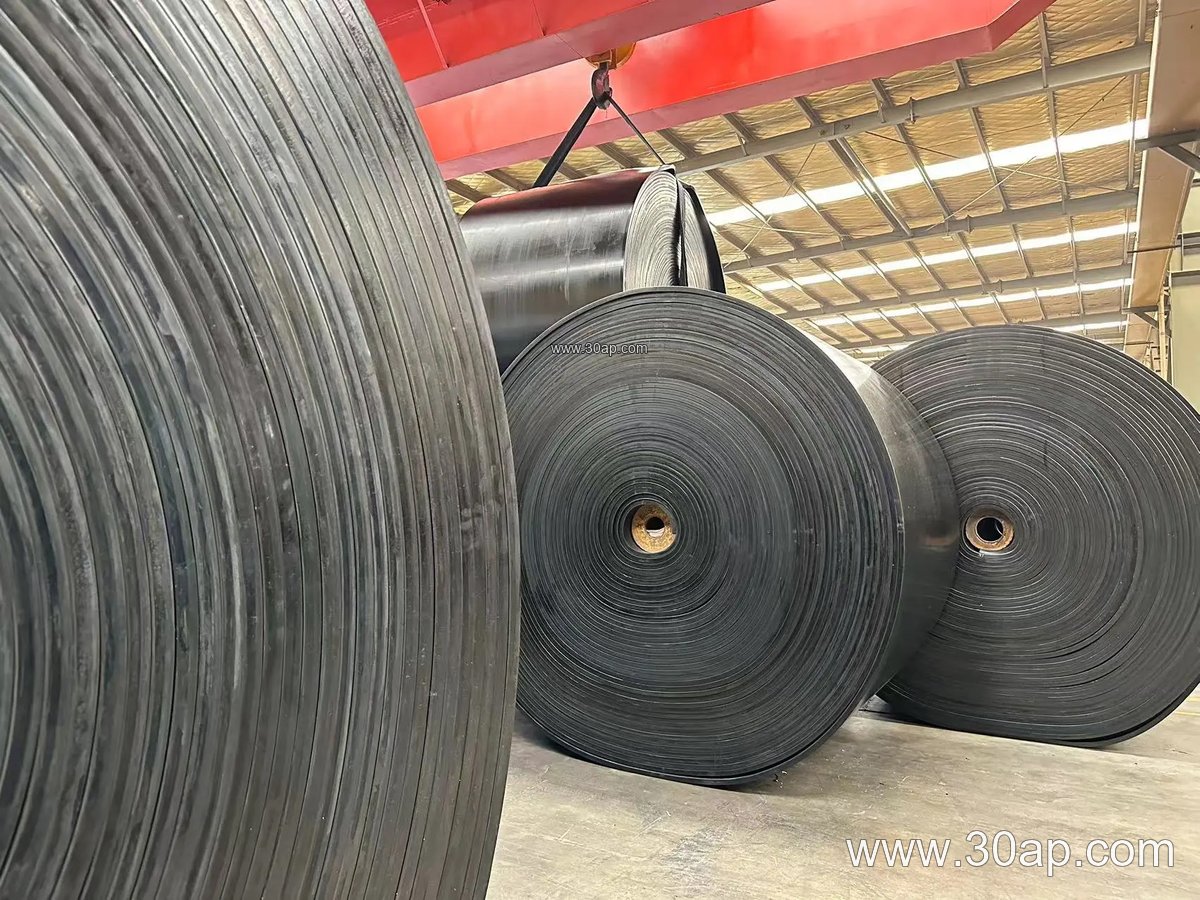
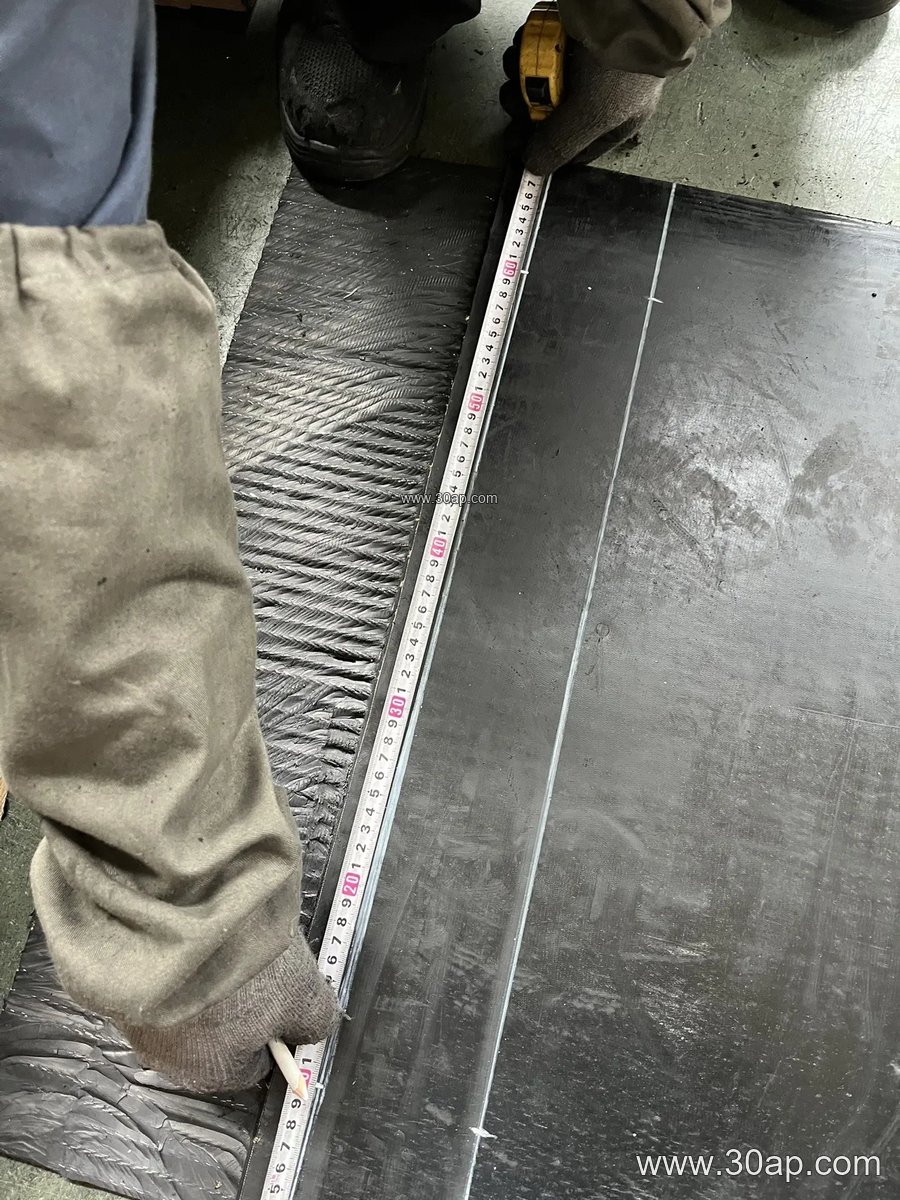
Common carcass grades are quoted by nominal tensile strength, for example ST1000, ST1250, ST1600, ST2000, ST2500, and ST3150. These figures are reference values used in selection; actual belt design should follow the conveyor manufacturer’s calculation for the specific installation.
Typical Construction Parameters
The table below shows common reference ranges for this product family. Values vary by maker and by project design, so treat them as orientation only.
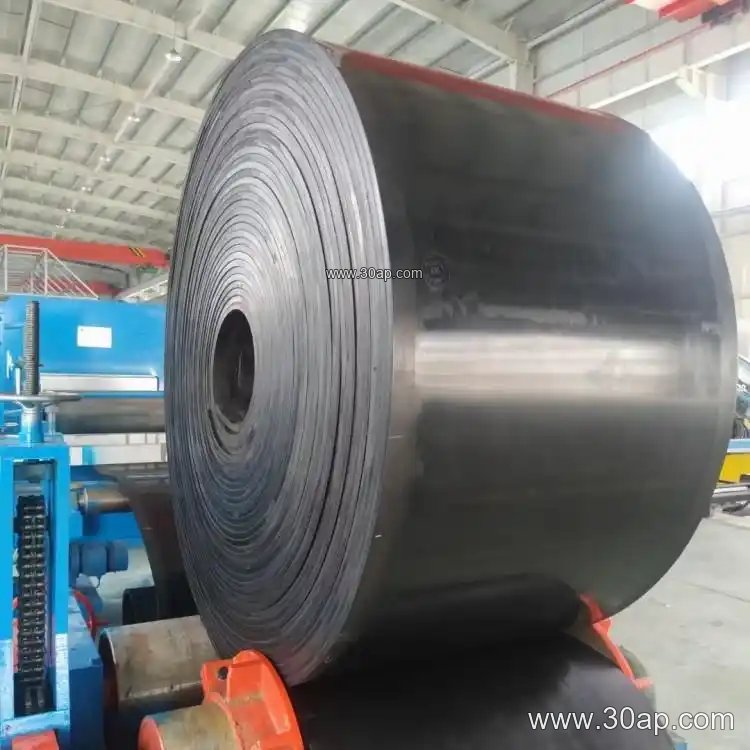
- Belt width: B800, B1000, B1200, B1400, B1600, B1800, B2000 (common)
- Cover thickness: 4+2, 5+2, 6+2, 8+3 mm (top + bottom, typical)
- Carcass grade: ST1000 to ST3150 (nominal)
- Cord pitch and number of cords: set by the belt designer according to the required strength
Where It Fits on the Conveyor
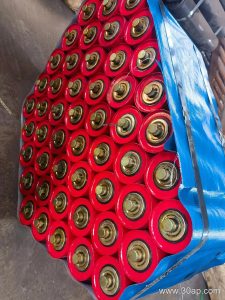
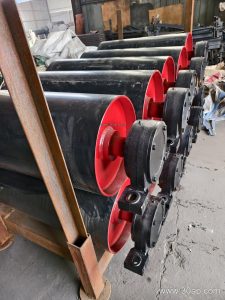
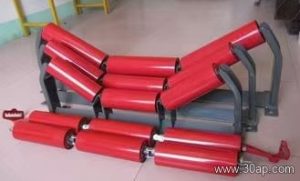
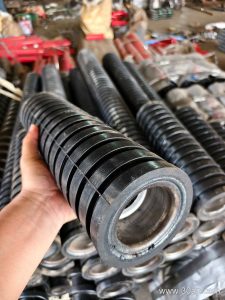
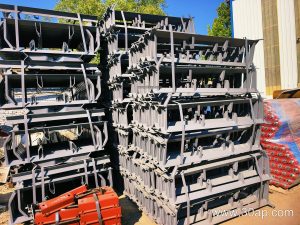
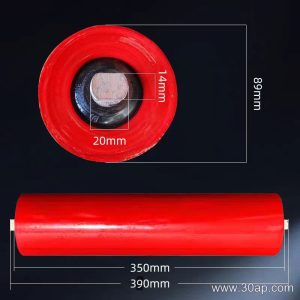
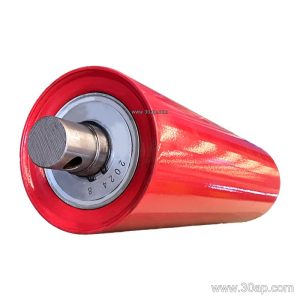
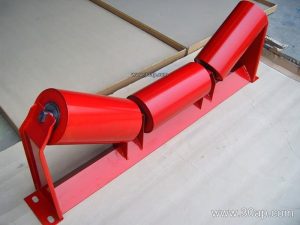
This belt runs over a drive pulley, tail pulley, and bend pulleys, and is supported on the carrying side by idler rollers. The take-up system keeps tension stable, and conveyor brackets hold the idlers and pulleys in line. Because the belt is stiff in the longitudinal direction, pulley diameters and transition distances must be matched to the belt’s cord construction; a wider belt does not automatically dictate one fixed pulley size, and shaft diameters should come from the conveyor design rather than from belt width alone.
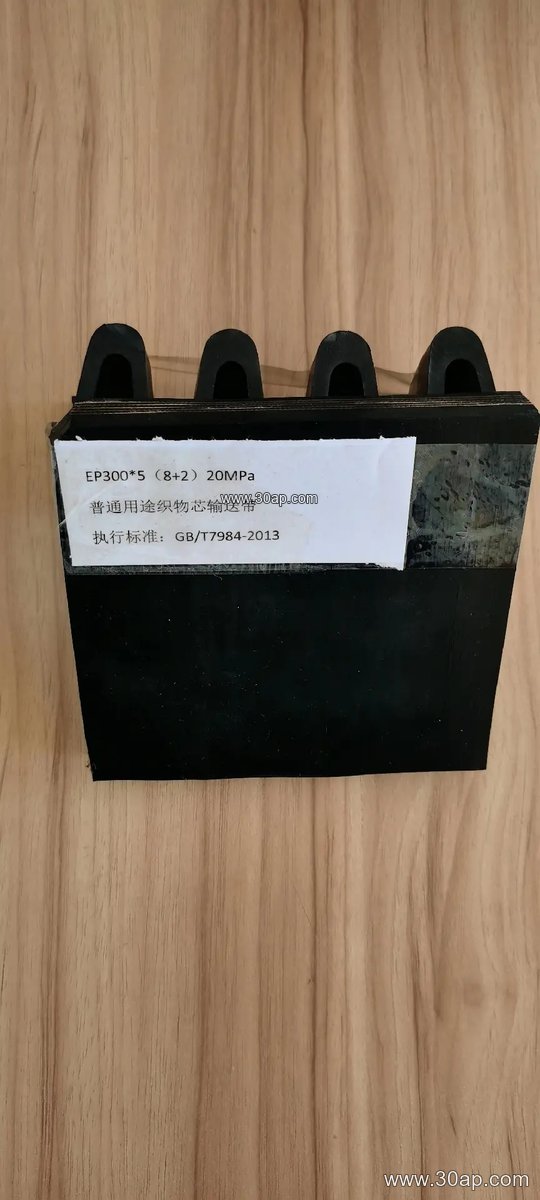
In a coal mine, a flame retardant and anti-static grade is often specified for underground use. In a cement plant, heat resistant covers may be needed near the kiln. In an iron ore or copper ore terminal, high abrasion resistant covers help against sharp, heavy lumps. The same belt family also serves ship loading, stockyard, and long overland lines.
Selection and Comparison Notes
Compared with fabric carcass belts such as EP conveyor belt or NN conveyor belt constructions, a steel cord belt offers higher strength per unit width and lower elongation, which suits long centre distances and high tonnage. Fabric belts with multiple plies remain a practical choice for shorter conveyors and lighter duties, and chevron, corrugated sidewall, or pipe conveyor belt designs solve different problems such as incline grip or material containment. The choice should follow the duty, the conveyor geometry, and the environment.
Buyer Checklist
- Confirm the required nominal strength and the calculated belt tension, not just the belt width.
- State the material, lump size, temperature, and any oil or chemical exposure so the cover compound is right.
- Ask for the cord pitch, cover thickness, and edge construction in writing.
- Check that pulley diameters and take-up travel suit the selected belt.
- Plan splicing: steel cord belts are usually spliced on site with hot vulcanisation, so the splice method and crew experience matter.
- Keep the belt tracking well and inspect idler rollers and pulleys regularly; a seized roller can damage the cover quickly.
For more information on matching belts with pulleys, idlers, and brackets, visit conveyorbeltpulley.com or check the roller range at idlerrollerpro.com. A well-specified Steel Cord Conveyor Belt, installed with correctly aligned conveyor pulleys and free-running idlers, gives long, low-stretch service in the toughest bulk handling environments.