What an Idler Quotation Covers
An idler quotation is more than a price list for rollers. It is a structured offer that defines which carrying and return idlers suit a given conveyor, how they are built, and what the buyer must confirm before ordering. In practice, the quotation ties together the idler roller type, roll diameter, belt width, trough angle, bearing size, and roll surface so that the delivered set matches the conveyor frame and the material being handled.
Because idlers run continuously under load, small specification errors multiply into tracking problems, belt wear, and downtime. A well-prepared quotation therefore reads like a short technical summary as much as a commercial document.
How the Idler Roller Is Built
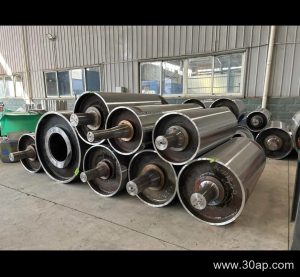
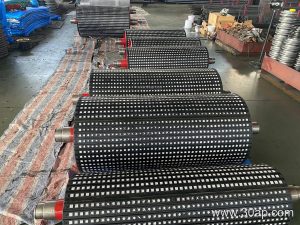
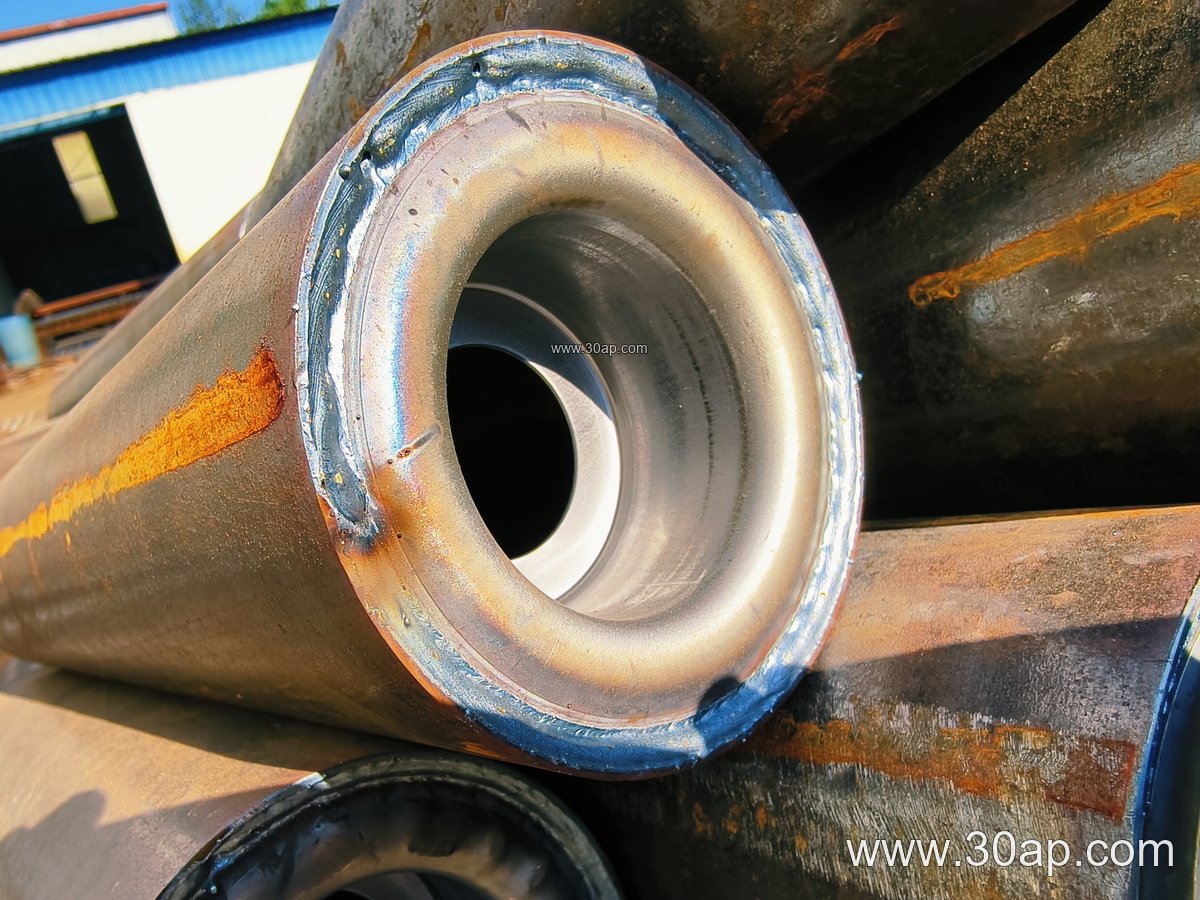
A standard idler roller usually combines a steel tube shell, a shaft, bearing housings, and a sealing arrangement. The shell may be plain steel, nylon-coated, ceramic-covered, or fitted with rubber rings for impact absorption. Bearings such as 6204, 6205, 6305, 6306, 6308, or 6310 are common, but the bearing must be matched to the load and shaft design rather than to a single roll diameter.
Sealing deserves close attention in dusty or wet conditions. Labyrinth seals and multi-stage dust guards are typical for quarry, coal handling, and cement plant duty, where fine particles otherwise shorten bearing life. The quotation should state the seal type and the lubrication approach, since these details affect maintenance intervals.
Where Idlers Sit on the Conveyor
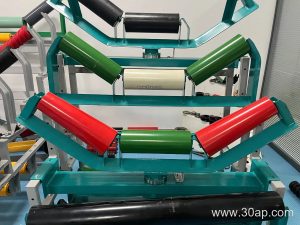
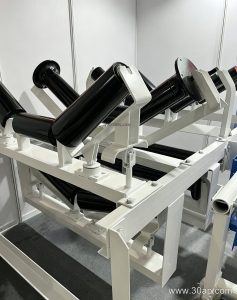
Carrying idlers support the loaded belt, usually in two- or three-roll trough sets. Return idlers support the empty belt underneath, often as a single flat roll or a V-shaped arrangement. Transition idlers ease the belt from flat to troughed profile near the pulleys, and impact idlers with rubber rings absorb shock at transfer points.
Self-aligning types, including friction and tapered designs, help correct belt drift on long runs. On a coal mining conveyor belt or an iron ore conveyor belt, a mix of trough, impact, and return idlers is normal. The quotation should list each position separately so the buyer can see what is supplied for the carrying side and what is supplied for the return side.
Matching Roll Diameter, Belt Width, and Trough Angle
Roll diameter and belt width are linked through the conveyor design, not through a fixed rule. Common roll diameters include Ø63, Ø76, Ø89, Ø102, Ø108, Ø127, Ø133, Ø159, Ø178, Ø194, and Ø219. Belt widths range from B400 and B500 up to B2000 and beyond, depending on the installation.
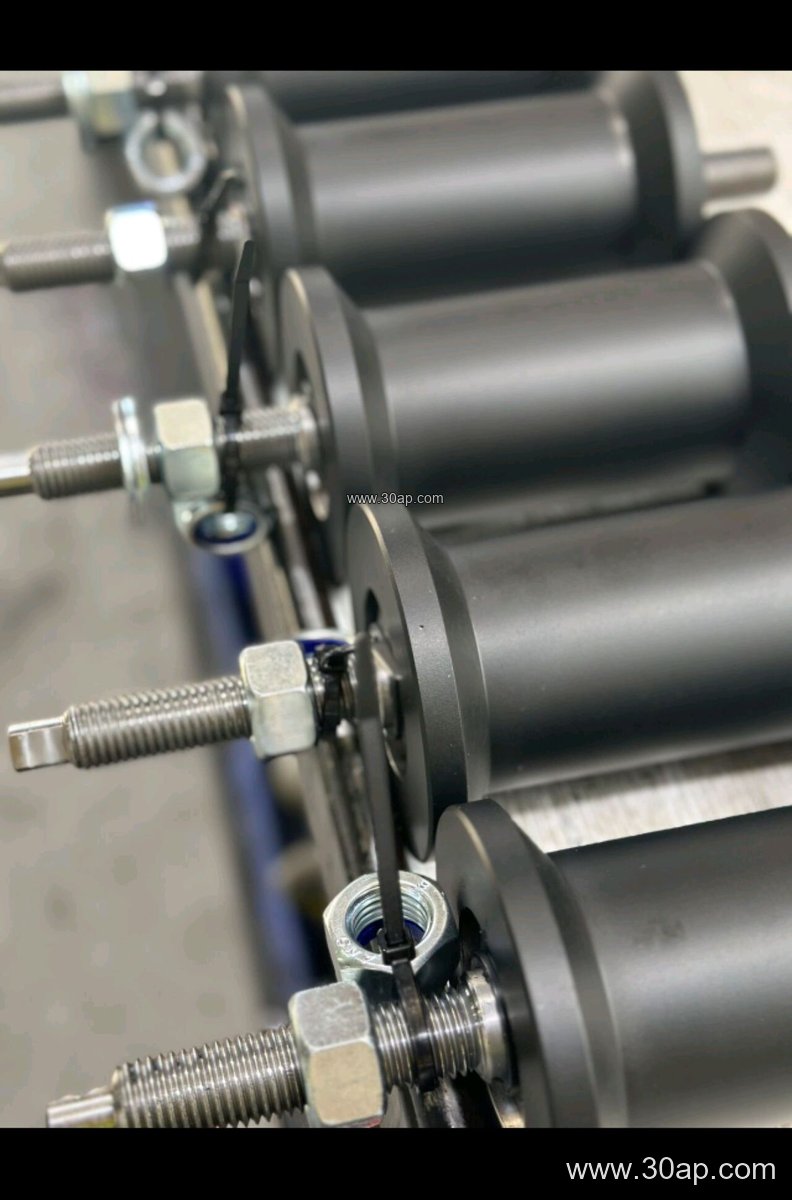
Trough angles of 20, 30, 35, and 45 degrees change the belt cross-section and therefore the roll length and the load carried. A three-roll trough set at B800 typically uses rolls of roughly 315 mm, while B1200 often calls for about 465 mm; these are common references, and side rolls may differ from the center roll. Forward tilt of about 1.5 to 2 degrees is sometimes specified for training effect.
Specification Table for Quotation Review
| Item | Common Options | Notes |
|---|---|---|
| Idler type | Trough, return, impact, self-aligning, spiral | List by conveyor position |
| Roll diameter | Ø89, Ø108, Ø127, Ø133, Ø159, Ø178 | Selected by load and speed |
| Belt width | B500, B650, B800, B1000, B1200, B1400, B1600 | Must match frame and pulley face |
| Trough angle | 20°, 30°, 35°, 45° | Affects roll length and capacity |
| Roll surface | Steel, nylon, ceramic, rubber ring | Rubber rings for impact zones |
| Bearing | 6204, 6205, 6305, 6306, 6308, 6310 | Confirm shaft and load rating |
Applications Across Industries
In a limestone quarry or aggregate line, abrasive rock dust makes sealed idlers and abrasion resistant conveyor belt covers a practical pairing. In a coal preparation plant, flame retardant conveyor belt and anti-static conveyor belt requirements usually extend to the idler selection, especially underground. Cement plants and power plant coal yards favor heavy-duty trough idlers with robust seals, while port ship loading systems may need wide belts and long return runs.
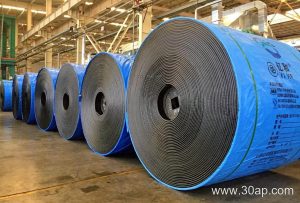
An idler quotation should reflect the duty: a crusher discharge point needs impact idlers with rubber rings, whereas a long overland return side may only need flat or V-return rolls. Mentioning the conveyor belt type in the enquiry, such as EP conveyor belt or steel cord conveyor belt, helps the supplier judge load and belt stiffness.
What Buyers Should Confirm
- Belt width, trough angle, and frame dimensions for each conveyor section.
- Roll diameter, shell thickness, and bearing designation, with the shaft end detail.
- Seal type and lubrication method, particularly for dusty or wet service.
- Quantity per position, plus spare rolls for high-wear transfer points.
- Whether conveyor bracket dimensions and mounting hole spacing match the existing frame.
A good idler quotation leaves no ambiguity about what is being offered. Buyers who compare offers line by line, rather than by total price alone, usually avoid the costly mismatch between a roller set and the conveyor it is meant to serve.