What a Carbon Steel Conveyor Bracket Does on the Line
The carbon steel conveyor bracket is the frame component that holds idlers in position under and along the conveyor belt. It is not a wear part in the same sense as the roller itself, yet it decides whether the belt runs centred, whether the trough profile stays consistent, and whether maintenance crews can replace a roller without cutting into the structure. On a crushing and screening line in a quarry, a set of poorly aligned brackets can cause edge damage long before the belt reaches its wear limit. For buyers, the bracket is a modest line item that quietly governs the performance of every idler roller and conveyor pulley in the system.
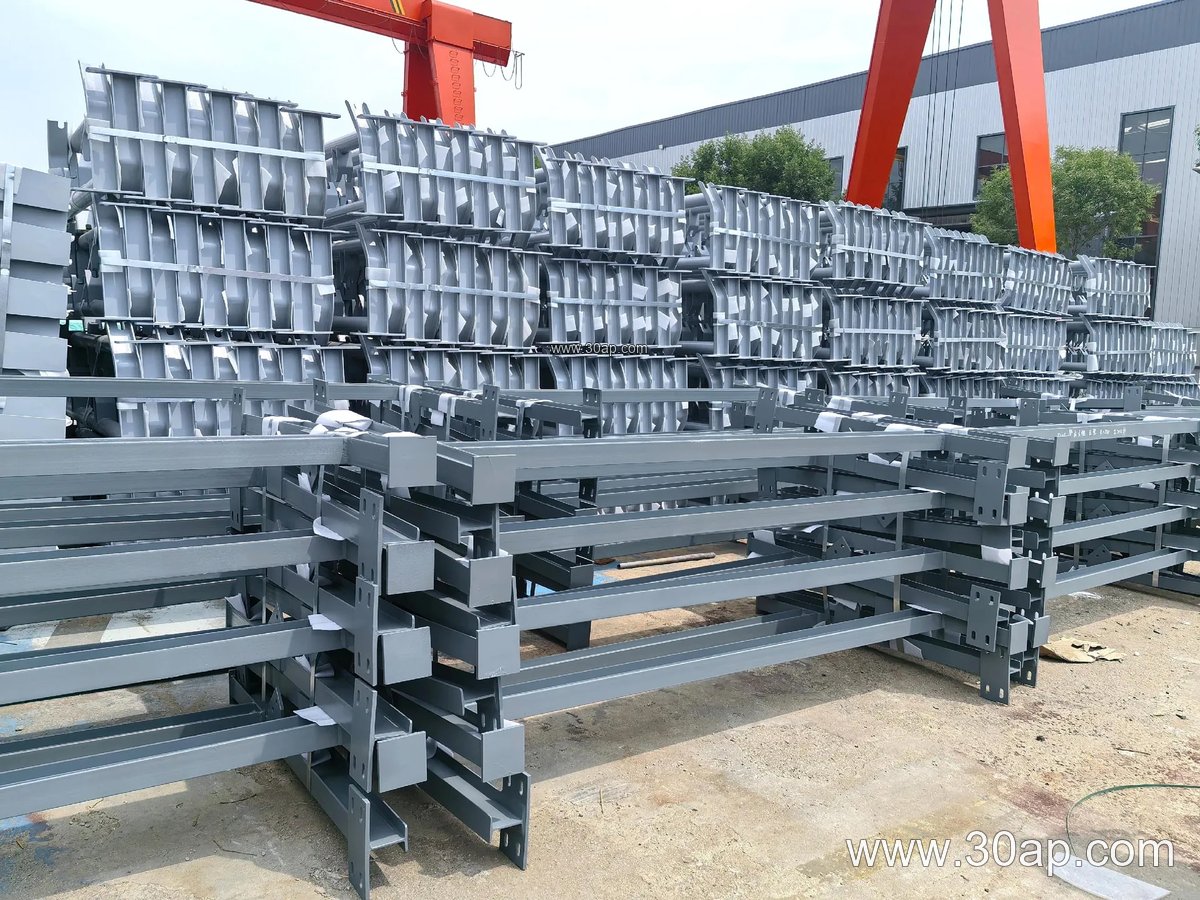
Fabricators usually work from angle steel, channel steel, or folded steel plate. The choice depends on load and span rather than fashion: channel sections suit long carry frames, folded plate gives a cleaner profile on lighter stations, and angle steel remains common for simple return supports. Welded joints and drilled mounting holes are the usual construction, with a finish applied to suit the environment.
Where the Bracket Sits in the Conveyor Structure
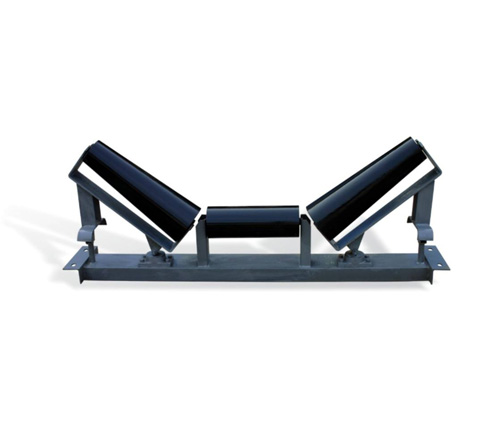
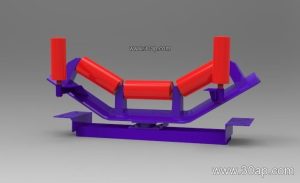
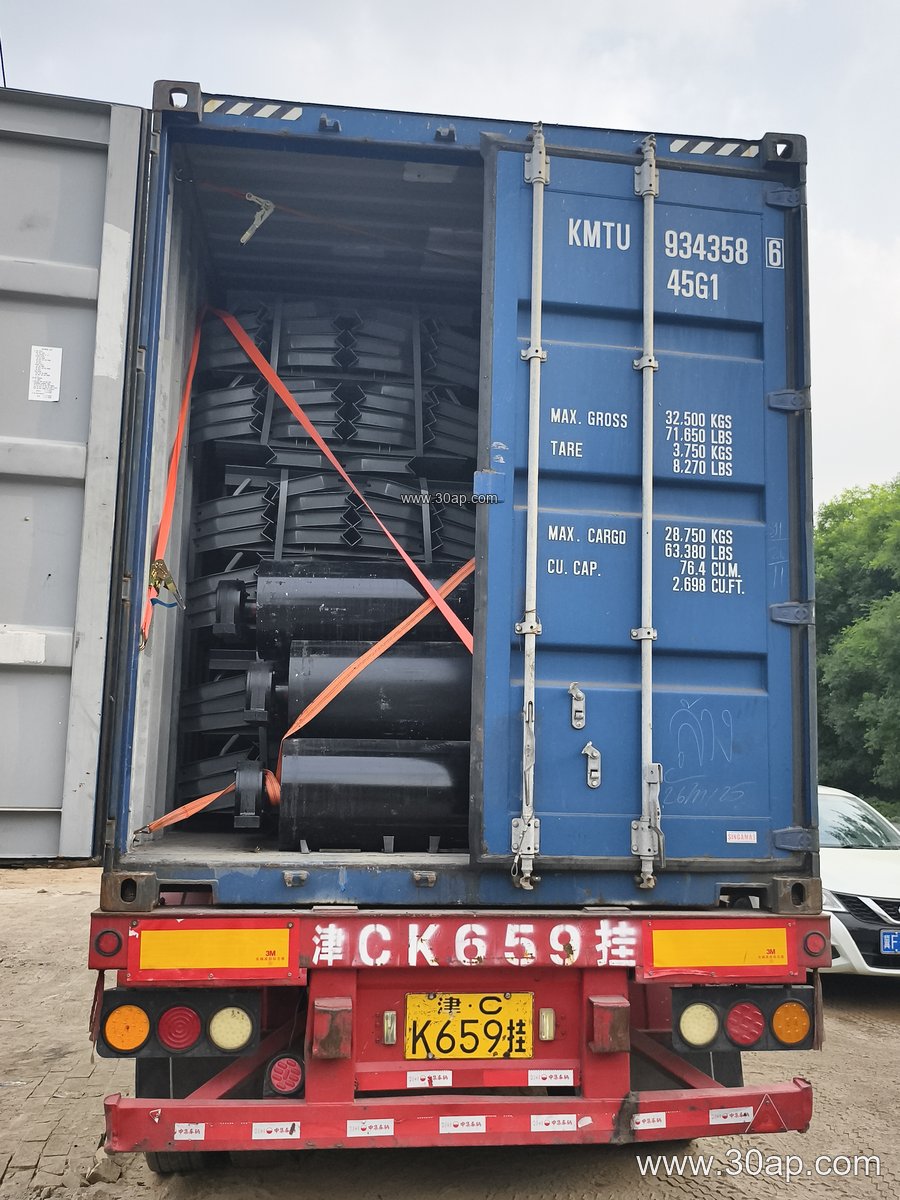
On the carrying side, an upper trough bracket supports three or more idlers arranged to form a trough. On the return side, a lower flat bracket or a V-return bracket carries the belt after discharge. Transition brackets sit near the head and tail, easing the belt from a flat profile into the trough without stressing the splice. Buffer brackets appear at load points, and self-aligning brackets correct minor tracking drift. Each position has its own geometry, so a bracket from the carry side is not a substitute for a return frame.
A typical arrangement in a cement plant or power plant coal handling system combines trough brackets at 35 degrees with return frames at intervals set by the belt sag limit. The bracket must match the conveyor pulley alignment at the ends, otherwise the belt enters the trough at an angle and tracking problems follow.
Common Reference Dimensions
The figures below are reference ranges used in design discussions, not fixed supply commitments. Final hole spacing and beam length follow the belt width, trough angle, and the idler selected.
- Belt width references: B500, B650, B800, B1000, B1200, B1400, B1600, B1800, B2000, B2200
- Trough angles: 20 degrees, 30 degrees, 35 degrees, 45 degrees; adjustable frames can move between these
- Idler diameters: Ø89, Ø108, Ø133, Ø159, Ø194
- Forward tilt on training brackets: usually about 1.5 to 2 degrees
Combinations such as B800 with a 35 degree trough and Ø108 idlers, or B1200 with 45 degrees and Ø133 idlers, are common in bulk handling. A wide belt does not automatically require one specific trough angle, and belt width alone does not fix the shaft diameter; both are settled together with load, belt tension, and idler series. When the belt is an EP Conveyor Belt or a Steel Cord Conveyor Belt carrying heavy ore, the bracket stiffness and bolt grade deserve more attention than on a light sand line.
Fixed or Adjustable, and How to Choose
Fixed brackets are welded to a set trough angle and are the default on long straight runs where the profile never changes. Adjustable brackets cost more but allow the trough angle to be tuned after installation, which helps when a belt is being commissioned or when material characteristics shift. On a coal mining conveyor handling a Flame Retardant Conveyor Belt, adjustable self-aligning frames are often placed at intervals to control wander before it reaches the head pulley.
Buyers should confirm the idler diameter and shaft ends the bracket will accept, the mounting hole pattern, the finish, and whether the frame is designed for a specific trough angle or has slotted adjustment. It is worth asking how the bracket interfaces with the conveyor pulley at each end, since transition geometry affects belt life. For a mine or quarry upgrading to an Abrasion Resistant Conveyor Belt, matching new brackets to the existing idler series avoids mixing incompatible parts.
Installation and Maintenance Notes
Alignment matters more than coating. Bracket centres should sit square to the belt centreline, with carry and return frames at consistent height so the belt does not lift or pinch. Check bolts after the first weeks of running, because vibration on a heavy-duty mining conveyor loosens joints that were tight at commissioning. Inspect for corrosion at weld toes in wet or dusty plants, and replace bent frames rather than straightening them, since deformed steel rarely returns to true alignment.
Spare parts planning is straightforward: record the belt width, trough angle, idler diameter, and hole pattern for each station, and keep a few frames for the load zone where impact damage is most likely. For a full view of compatible components, see the belt and roller ranges at gdconveyorbelt.com and the frame options at gdconveyorbelt.com/conveyor-bracket; the same site lists conveyor pulley details that help confirm end transitions before ordering.