What a Steel Plant Conveyor Idler Does on the Line
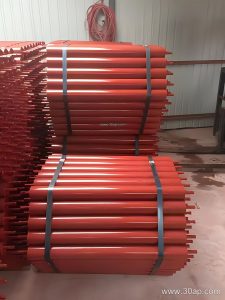
A steel plant conveyor idler is the rotating support under the belt that carries sinter, pellets, coke, limestone, or hot clinker from one stage to the next. In a steelworks, the duty is rarely gentle. Dust is abrasive, some material arrives warm, and the line often runs for long shifts. The idler roller has to keep the belt aligned, limit sag between frames, and resist grit working into the bearing. It is a small component compared with the conveyor pulley at the drive or the tail, but a failed roller can stop a whole transfer route.
Buyers often treat the idler as a consumable, yet the choice of shell, bearing, and seal affects how often maintenance crews return to the same frame. On a steel plant conveyor belt carrying sinter or ore, a poorly sealed roller may seize within months, and a seized roller can wear through the belt cover quickly.
Construction Details That Matter
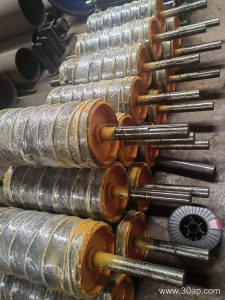
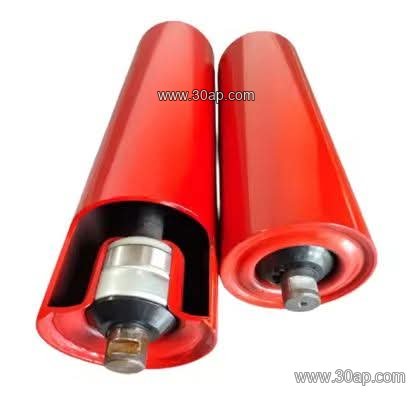
A typical unit is built around a steel tube shell, a shaft, bearing housings, and a multi-stage seal. The shell may be plain steel, nylon-coated, ceramic-covered, or fitted with rubber rings for impact zones. The bearing set is usually a deep-groove ball bearing, with common sizes such as 6204, 6205, 6305, 6306, 6308, and 6310 appearing across different roller diameters. The bearing number should follow the shaft and load design, not a single belt width.
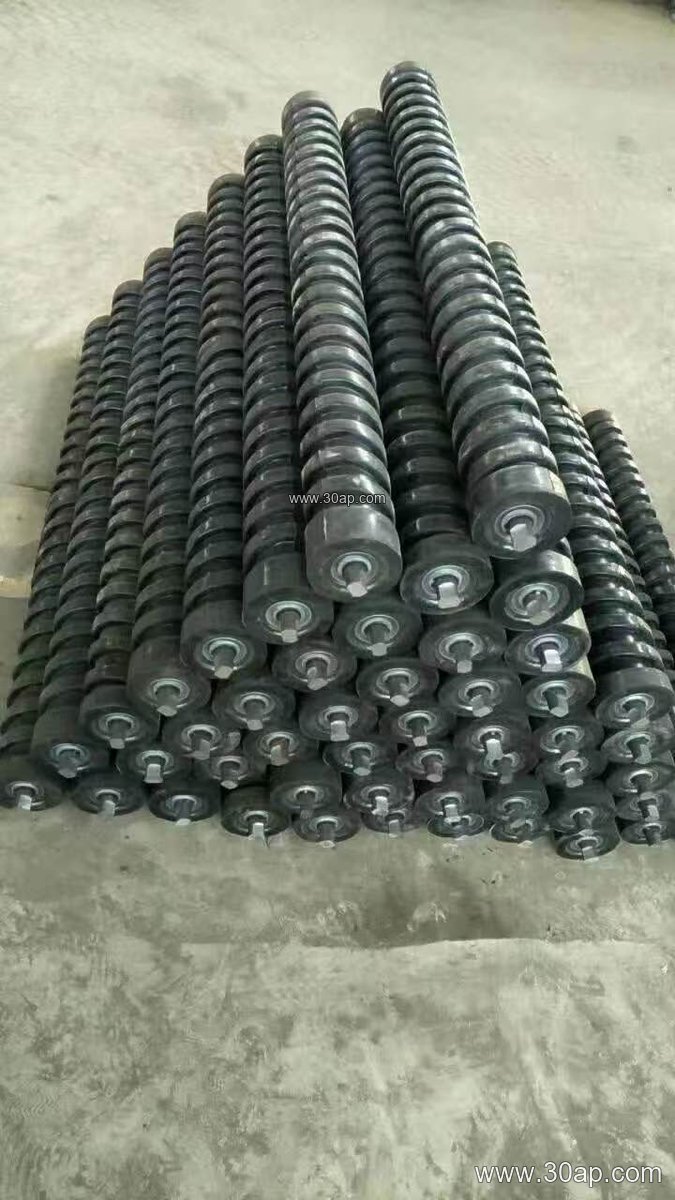
Roller diameters commonly range from Ø63 and Ø76 for lighter runs up to Ø159, Ø178, Ø194, and Ø219 for heavy-duty frames. The seal design deserves attention in steel plants, because fine dust and water spray are constant. Labyrinth seals with grease retention are common, and some designs add a contact lip. A buyer should ask how the seal is arranged rather than accept a generic dustproof claim.
Where the Idler Fits in the Conveyor Structure
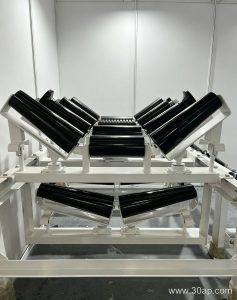
On the carrying side, three-roll troughing sets at 20, 30, 35, or 45 degrees keep bulk material centered. Transition idlers near the head and tail reduce belt stress where the belt changes from flat to troughed. On the return side, flat rollers or V-return rollers support the belt after discharge. Impact idlers with rubber rings are placed under loading points where sinter or lump ore drops onto the belt. Self-aligning idlers, including friction and tapered types, help correct tracking on long curves.
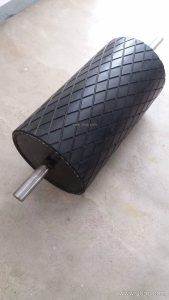
These roles are distinct from the conveyor pulley at the drive, tail, or bend position. A bend pulley changes belt direction; an idler supports the belt between pulleys. The two are not interchangeable, and a maintenance plan should name each clearly.
Matching Roller Length and Belt Width
Roll length follows belt width, trough angle, and frame type. For three-roll troughing sets, common reference values are shown below. Side rolls and center rolls may differ, so these are guides rather than fixed pairings.
| Belt width | Common roll length (three-roll troughing) |
|---|---|
| B500 | about 200 mm |
| B650 | about 250 mm |
| B800 | about 315 mm |
| B1000 | about 380 mm |
| B1200 | about 465 mm |
| B1400 | about 530 mm |
| B1600 | about 600 mm |
| B1800 | about 670 mm |
| B2000 | about 750 mm |
Bandwidth families such as B400, B500, B650, B800, B1000, B1200, B1400, B1600, B1800, B2000, B2200, and B2400 appear across steel plant lines. A wider belt does not automatically dictate one pulley diameter or one shaft size; the frame, load, and belt tension decide that. The conveyor bracket and frame spacing also affect roller selection.
Buyer Checklist for Steelworks Conditions
- Confirm the material: sinter, coke, limestone, or hot clinker changes the shell and seal choice.
- Check the trough angle and frame type before ordering roll length.
- Ask for bearing size and seal arrangement, not just the roller diameter.
- For hot zones, consider heat-resistant covers and confirm the actual temperature at the frame.
- For dusty transfer points, specify impact idlers with rubber rings.
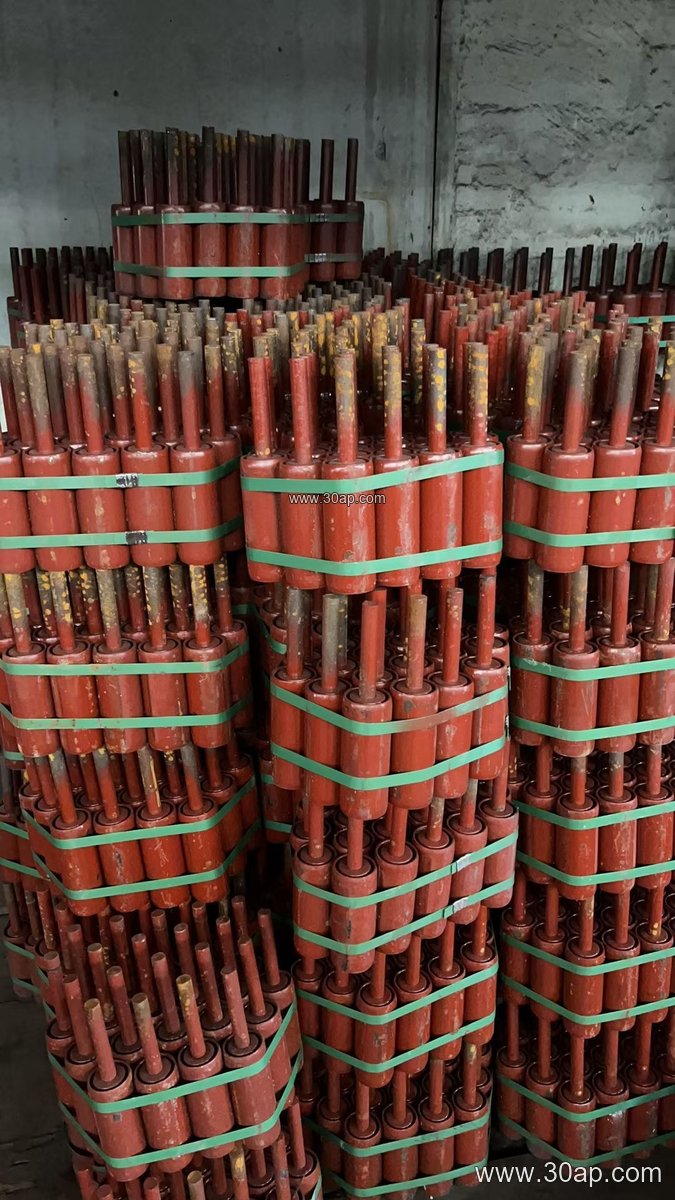
- Keep a small spare set of common rollers to reduce downtime.
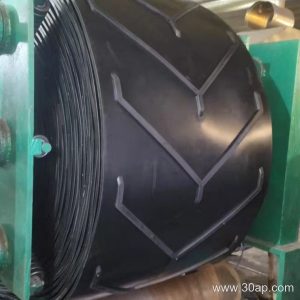
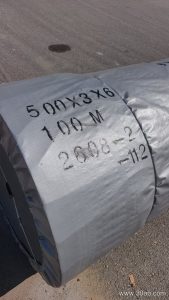
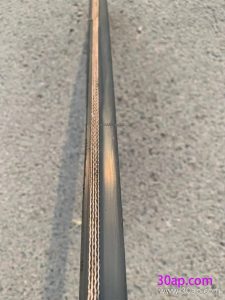
The conveyor belt itself also influences idler life. A heavy-duty mining conveyor belt or a steel cord conveyor belt running at high tension places different loads on the roller than a fabric core belt on a short transfer. Abrasion resistant conveyor belt covers reduce wear at loading points, while a flame retardant conveyor belt is common in coal handling areas of a steelworks. Matching the belt, the idler roller, and the conveyor pulley as one system gives the best result.
Maintenance Notes
Listen for squealing bearings, watch for belt misalignment, and check for material build-up on the shell. A roller that no longer turns should be replaced before it damages the belt. In steel plants, heat and dust shorten grease life, so a scheduled inspection walk is more reliable than waiting for a failure. Record roller positions and sizes so replacements match the original design.