What a Heat Resistant Conveyor Belt Does
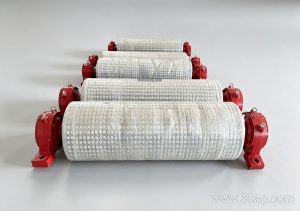
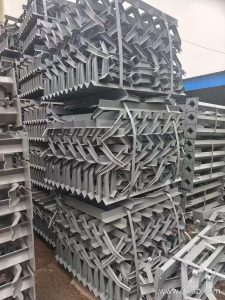
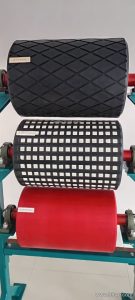
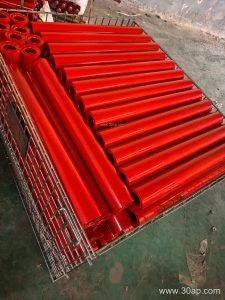
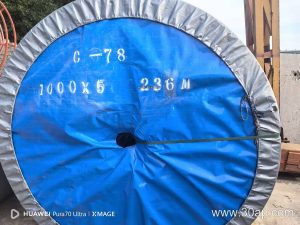
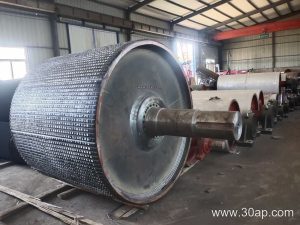
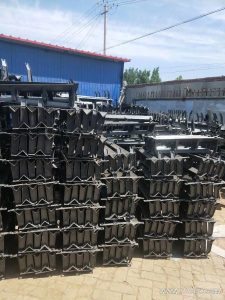
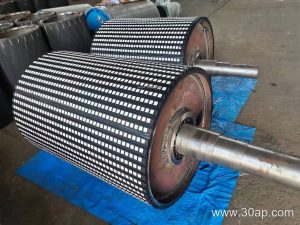
A Heat Resistant Conveyor Belt is a rubber conveyor belt built to carry hot materials without the cover hardening, cracking, or separating from the carcass too early. It is the same product many plants call a high temperature conveyor belt, and the two names describe the same job: moving hot clinker, sinter, coke, ash, foundry sand, or hot cement through a conveying line where standard rubber would age quickly. In cement plants, power plants, steel works, and mineral processing lines, this belt often sits on the same frame as a conveyor pulley, idler roller, and conveyor bracket that serve the rest of the route, so the belt must match the whole conveyor rather than stand alone.
The keyword should not be confused with a flame retardant conveyor belt or a fire resistant conveyor belt. Those grades address ignition and flame spread. A Heat Resistant Conveyor Belt addresses thermal ageing of the rubber and the adhesion between cover and fabric or steel cord.
How the Belt Is Built
Most heat resistant belts use an EP conveyor belt or NN conveyor belt carcass, with multiple fabric plies, or a steel cord conveyor belt core for very high tension routes. The carcass carries the load; the cover rubber is compounded to resist heat. Cover thickness is usually quoted as top plus bottom, for example 4+2 mm or 6+2 mm, and the compound is selected by the temperature and by whether the hot material is dry, wet, or abrasive.
Heat passes through the cover into the carcass. For this reason the cover is not the only concern: ply adhesion and skim rubber must also tolerate the working temperature. Where the material is both hot and sharp, an abrasion resistant conveyor belt cover may be considered, but the heat rating still governs the compound choice.
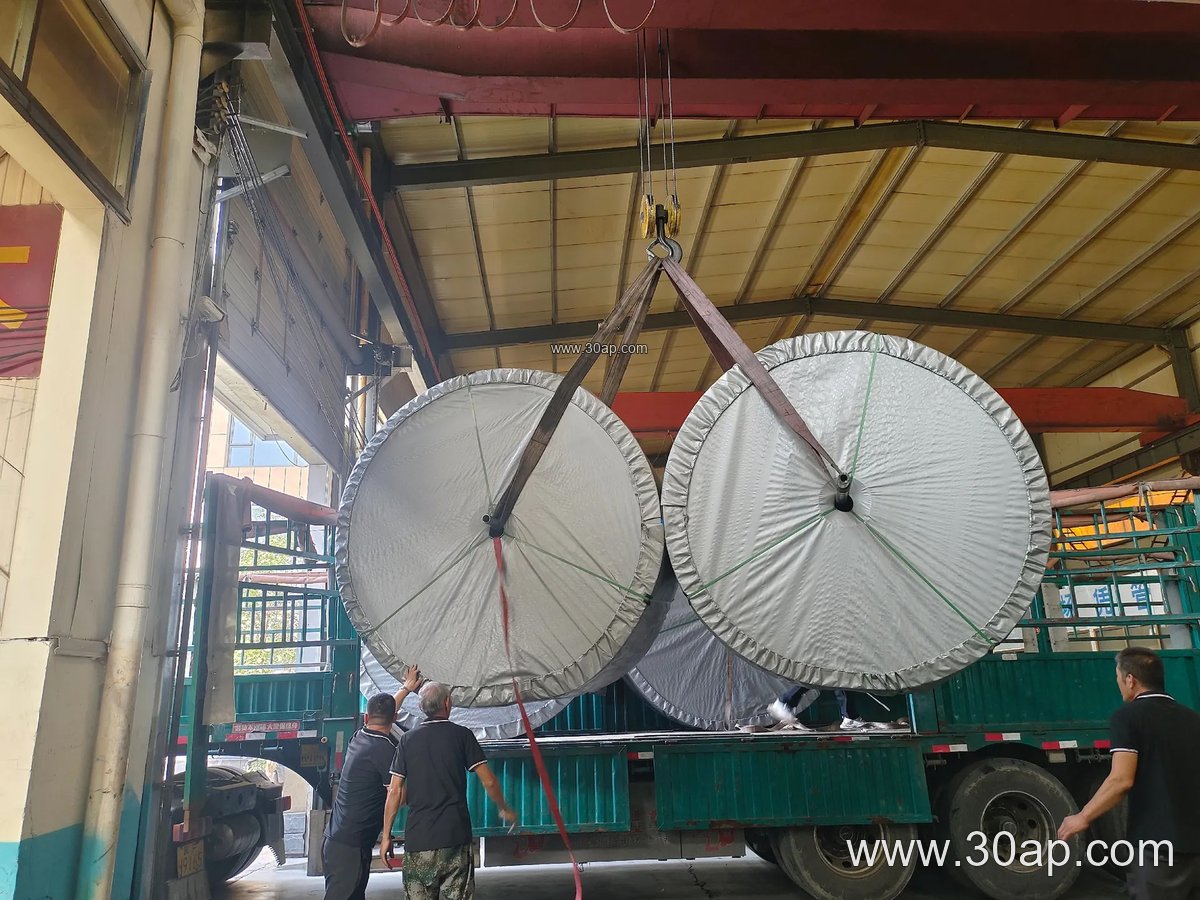
Typical Construction and Reference Data
The table below shows common construction references. Values are indicative and each project should be confirmed against the actual material temperature, lump size, and duty cycle.
| Item | Common reference | Notes |
|---|---|---|
| Belt type | EP200, EP315, EP400, EP500, EP630 | Higher grades for longer or heavier lines |
| Belt width | B650, B800, B1000, B1200, B1400 | Wider belts for high tonnage |
| Cover thickness | 4+2 mm, 5+2 mm, 6+2 mm | Thicker top cover for hot, abrasive load |
| Ply count | 2 to 6 plies | Selected by tension and impact |
| Carcass options | EP, NN, steel cord | Steel cord for high strength routes |
When a plant replaces a belt, the width, ply count, and cover thickness should be checked against the original conveyor design, not copied from a neighbouring line.
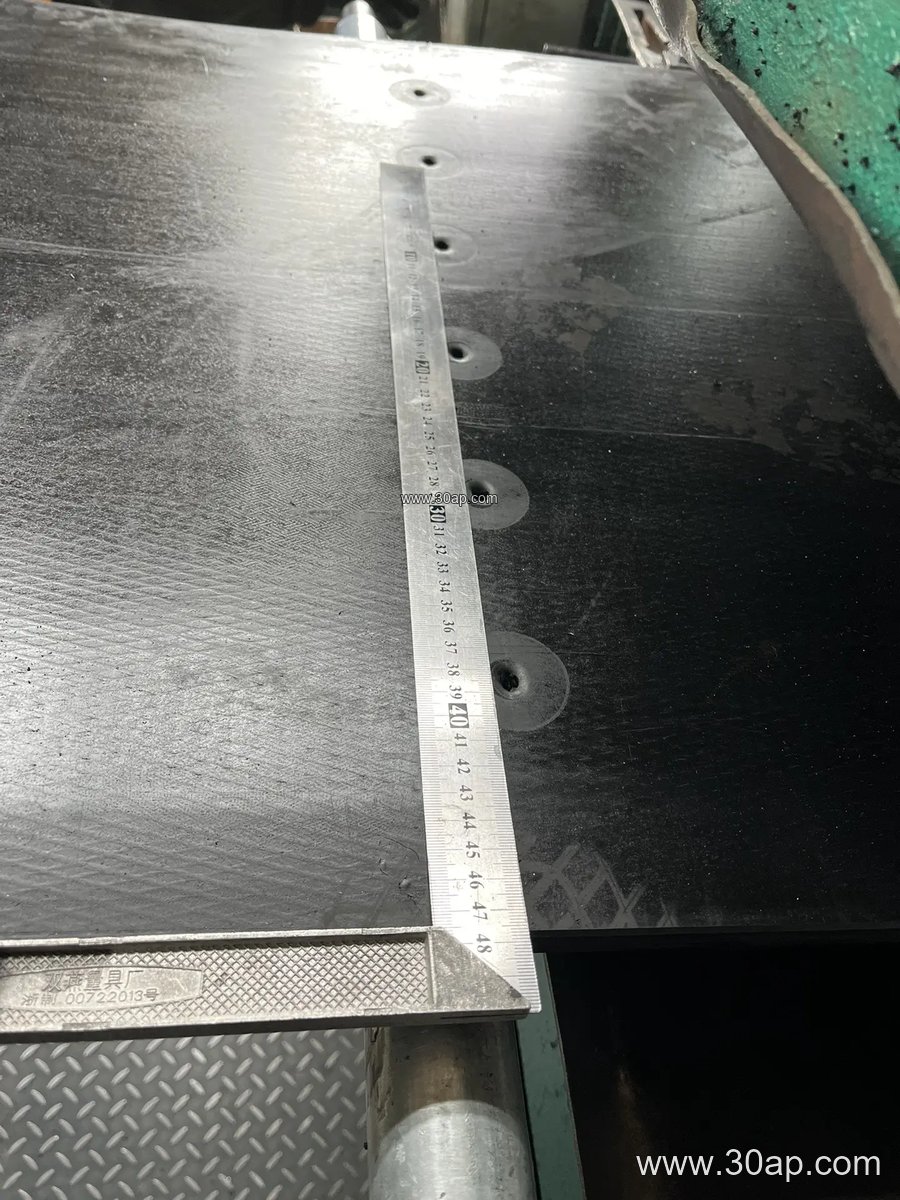
Where It Is Used
Typical duties include cement plant clinker transport, power plant ash handling, steel plant sinter and coke lines, and quarry or ore conveyor routes where processed material leaves a kiln, cooler, or furnace. In a coal mining conveyor belt system, heat resistance may be combined with flame retardant properties, but the two requirements should be stated separately to the supplier.
Hot material is not the only challenge. A belt may also see oil, dust, or sharp rock, so the specification should list every condition. A belt chosen only for temperature may wear quickly if the load is also highly abrasive.
Buyer Checklist
- State the maximum material temperature and the normal working temperature, not just one figure.
- Describe the material: clinker, ash, sinter, coke, sand, or ore, including lump size.
- Confirm belt width, ply count, cover thickness, and required tensile grade.
- Say whether flame retardant, anti-static, or oil resistant properties are also needed.
- Check pulley diameters and idler roller spacing, since a stiff heat resistant belt may need larger pulleys.
- Ask about splicing method and whether an endless conveyor belt is preferred for the duty.
Installation and Maintenance Notes
Alignment matters. A belt running off-centre against a conveyor pulley or idler roller edge will wear faster, and heat aged rubber has less tolerance for mistracking. Keep the conveyor bracket and frame square, and check that the tail and bend pulleys are free of build-up. Avoid sudden impact from large hot lumps; a impact resistant conveyor belt grade or a suitable loading chute design can reduce damage.
Inspect the cover for hardening, cracking, and edge wear, and check splice condition regularly. Store spare belts away from direct sunlight and heat sources. For a full range of rubber conveyor belt, EP conveyor belt, and steel cord conveyor belt options, match the heat rating to the actual duty rather than the highest number on a data sheet.