What an Industrial Conveyor Pulley Does
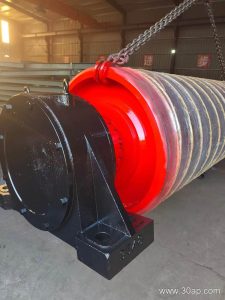
An industrial conveyor pulley is the cylindrical component that drives, tensions, or redirects a conveyor belt. Unlike an idler roller, which supports the belt along its carrying run, a conveyor pulley transmits power and controls belt path. In a typical conveyor, you will find a drive pulley at the head, a tail pulley at the feed end, and bend or take-up pulleys along the return side. Each position demands a different design, and they are not interchangeable. For example, a drive pulley needs lagging for grip, while a bend pulley may run smooth to reduce friction.
Construction and Key Components
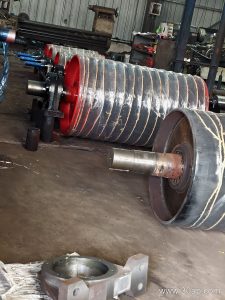
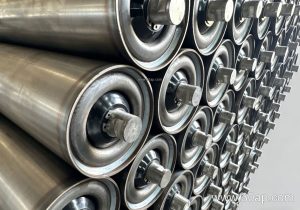
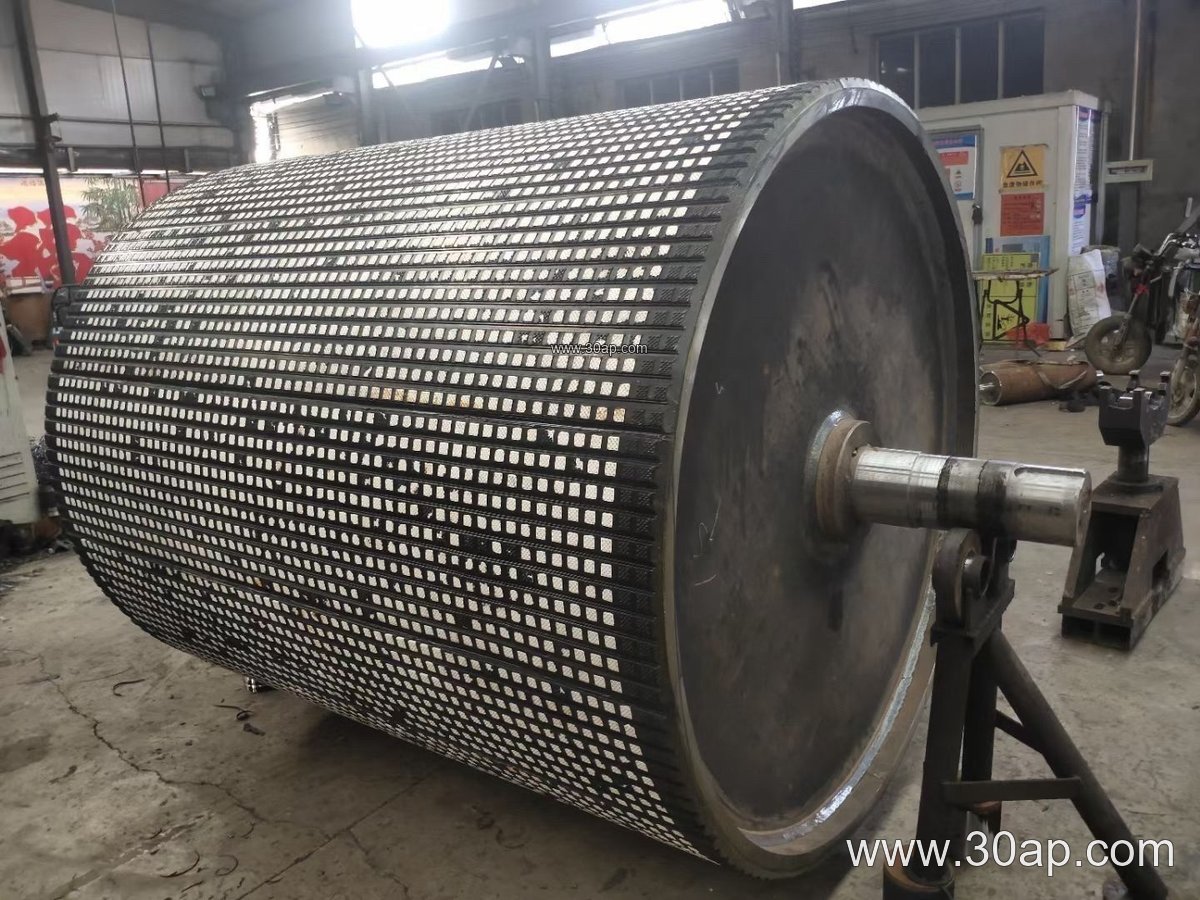
A pulley assembly usually consists of a shell, end discs, a shaft, and bearing housings. The shell can be machined from seamless tube or rolled and welded. Surface finish matters: plain, rubber lagged, or ceramic lagged. Common lagging thicknesses are 8, 10, 12, 15, and 20 mm. The shaft diameter is determined by torque and load, with common sizes such as Ø50, Ø60, Ø80, Ø100, Ø120, and Ø160 mm. Bearings are selected according to radial load and speed, and the pulley is mounted on a conveyor bracket that aligns with the belt frame.
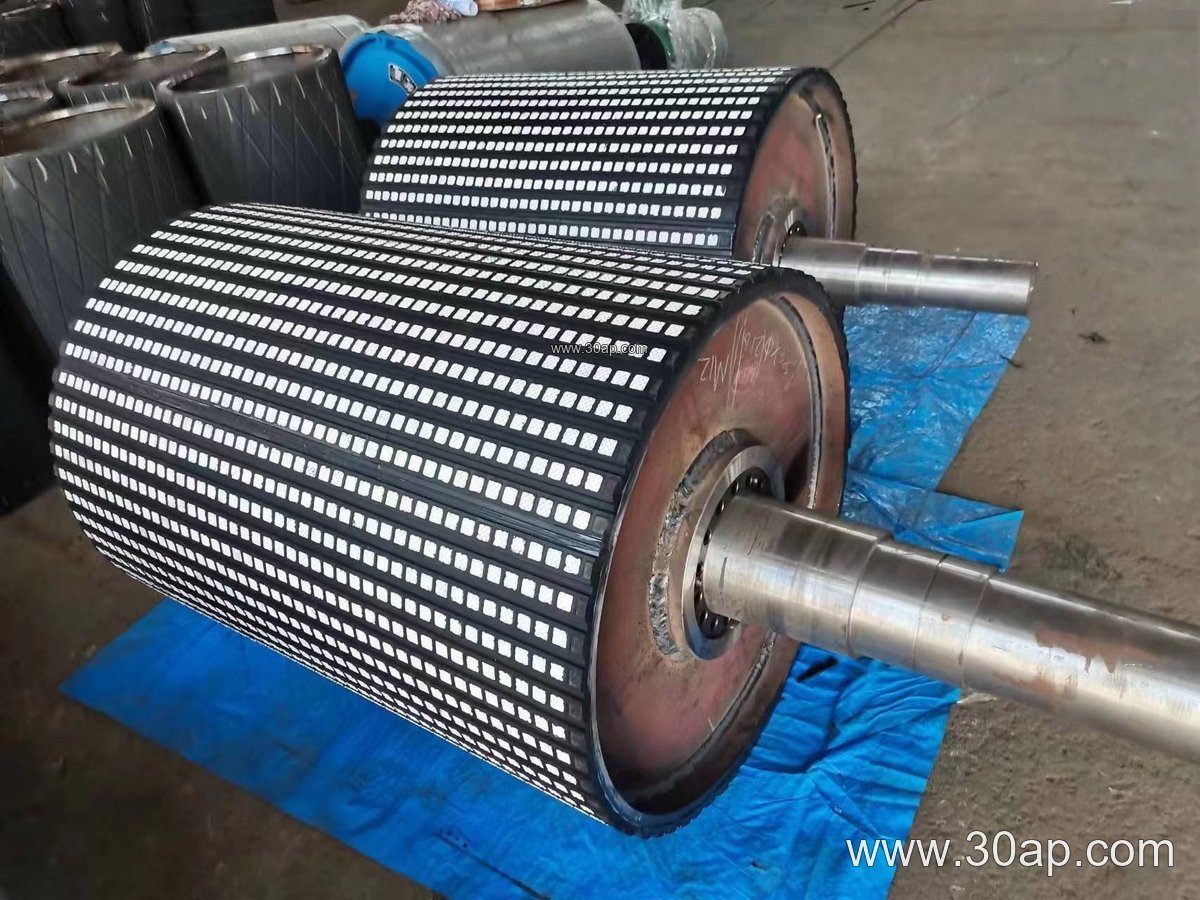
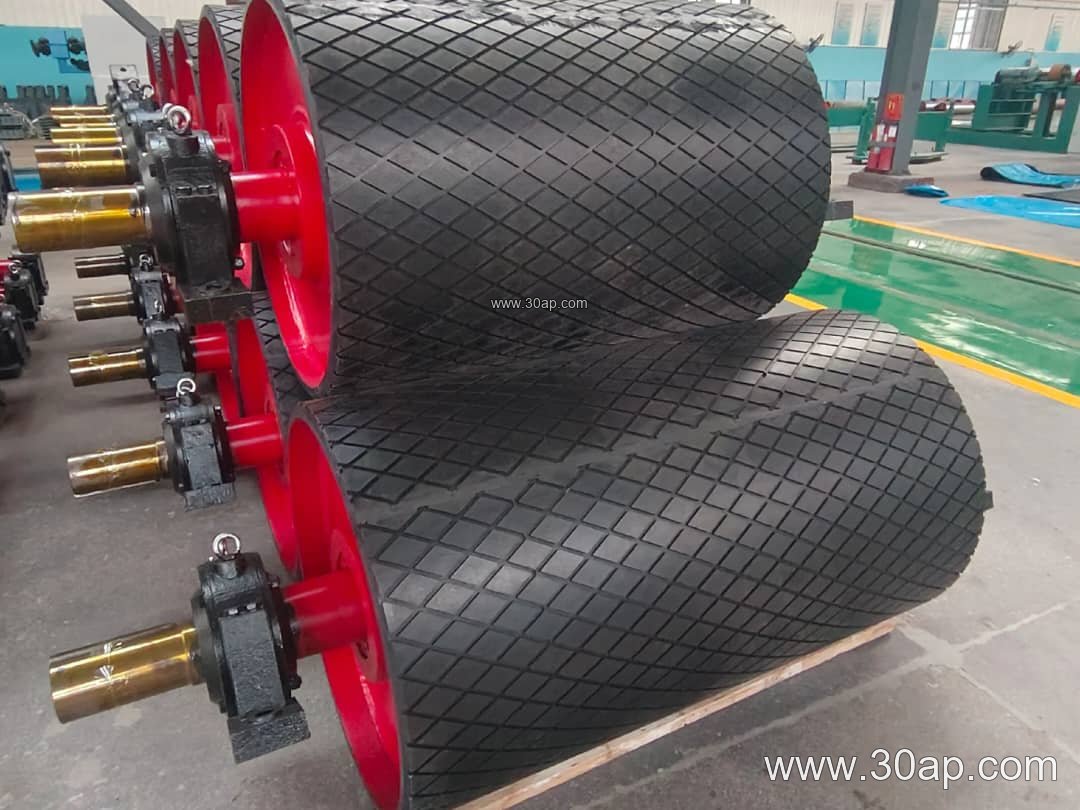
Drive pulleys often use diamond or herringbone lagging to improve traction. Tail pulleys may be plain or lagged depending on belt wrap and material carryback. Bend pulleys are usually plain and smaller in diameter to save space. Electric pulleys, also called motorized pulleys, integrate the motor inside the shell for compact installations.
Where It Fits in Bulk Handling
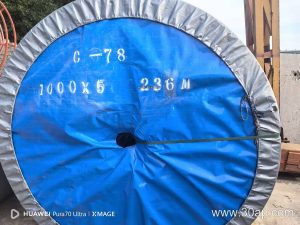
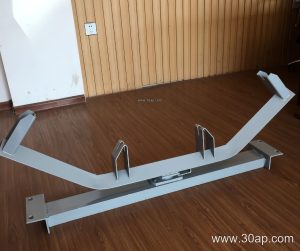
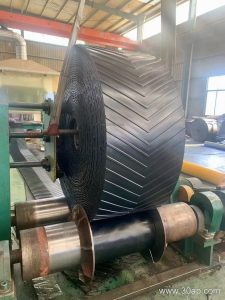
You will see these pulleys in coal mining, cement plants, power station coal yards, quarry and aggregate lines, and port bulk terminals. In a coal mining conveyor, a flame retardant conveyor belt runs over a drive pulley that must resist slip and wear. In a cement plant, heat resistant conveyor belt may carry clinker, and the pulley lagging must tolerate elevated temperatures. At a quarry, abrasion resistant conveyor belt handles sharp rock, so a ceramic lagged drive pulley can extend service life. The pulley works together with the conveyor belt, idler rollers, and conveyor brackets to keep material moving.
Matching Pulley to Belt and Duty
Belt width and pulley diameter are related but not fixed pairs. A B800 belt might run on a Ø500 pulley in one conveyor and a Ø630 pulley in another, depending on belt tension and wrap angle. Shell width is normally slightly wider than the belt: B400 around 500 mm, B650 around 750 mm, B1000 around 1150 mm, B1200 around 1400 mm, and B1400 around 1600 mm. These are reference examples, not universal rules. For heavy-duty mining conveyor belt or steel cord conveyor belt, larger diameters and thicker lagging are common to handle higher tensions. A B1200 × Ø1000 drive pulley is a typical combination in coal handling, but it is not mandatory for every B1200 belt.
Buyers should provide belt width, belt type (such as EP conveyor belt, NN conveyor belt, or steel cord), maximum belt tension, pulley position, and environmental conditions. For underground coal mining, flame retardant and anti-static properties are critical. For a crusher conveyor belt, impact resistance and lagging wear life matter. Specify the shaft diameter based on torque calculations, not just belt width.
Maintenance and Selection Tips
- Check lagging wear regularly; worn lagging causes belt slip and misalignment.
- Keep pulley face clean; material build-up can damage the belt edge.
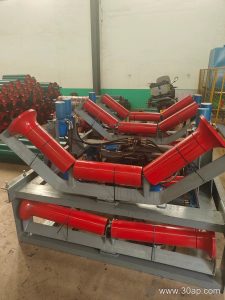
- Align the pulley with the conveyor frame using the conveyor bracket and shim as needed.
- For high-temperature service, confirm lagging compound rating with the supplier.
- When replacing a pulley, match shaft size and bearing type to the original design, or recalculate for changed duty.
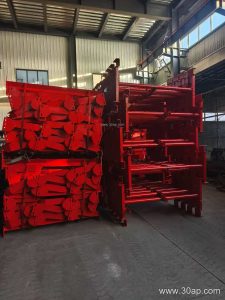
Whether you are specifying a drive pulley for a new aggregate line or replacing a tail pulley in a cement plant, the industrial conveyor pulley is a critical link between power and material flow. For related components such as rubber conveyor belt, idler roller, and conveyor bracket, work with a supplier who understands the whole conveyor system.