What a Bulk Material Conveyor Belt Does
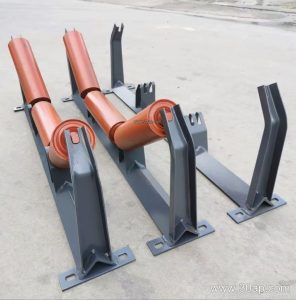
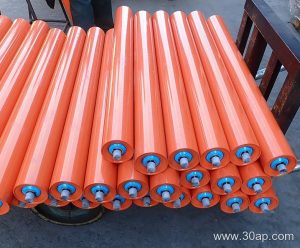
A bulk material conveyor belt is the load-carrying element of a continuous conveying system. It moves crushed rock, coal, clinker, ore, sand, aggregate and similar loose materials over long distances at a steady rate. The belt itself runs over a frame fitted with idler rollers, a drive pulley, a tail pulley and bend pulleys, each with a distinct role in keeping the belt tracking and tensioned. The belt is not a simple strip of rubber; its carcass, cover compounds and edge construction all determine how well it performs in a given duty.
Plants in mining, coal preparation, cement, steel, ports and power generation rely on this equipment daily. The same basic product appears as a quarry conveyor belt, a crusher conveyor belt or a ship loading conveyor belt, with construction adjusted to the material and environment.
Construction of the Belt
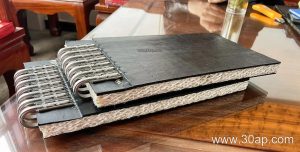
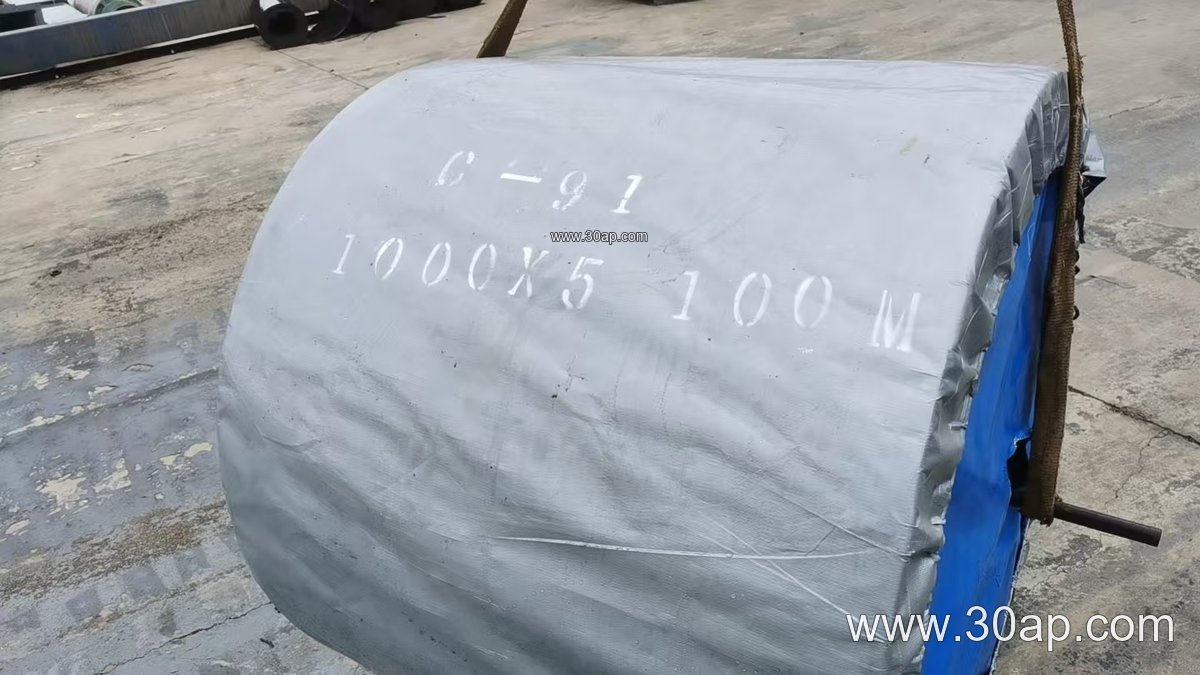
Most belts combine a fabric or steel carcass with rubber covers. Fabric cores use woven EP (polyester-cotton) or NN (nylon) plies, and multi-ply construction is common for general duties. Steel cord belts use parallel brass-plated wires for very high tension and long center distances. Cover compounds are chosen for abrasion, heat, oil, flame resistance or cold, and the top and bottom covers may differ in thickness.
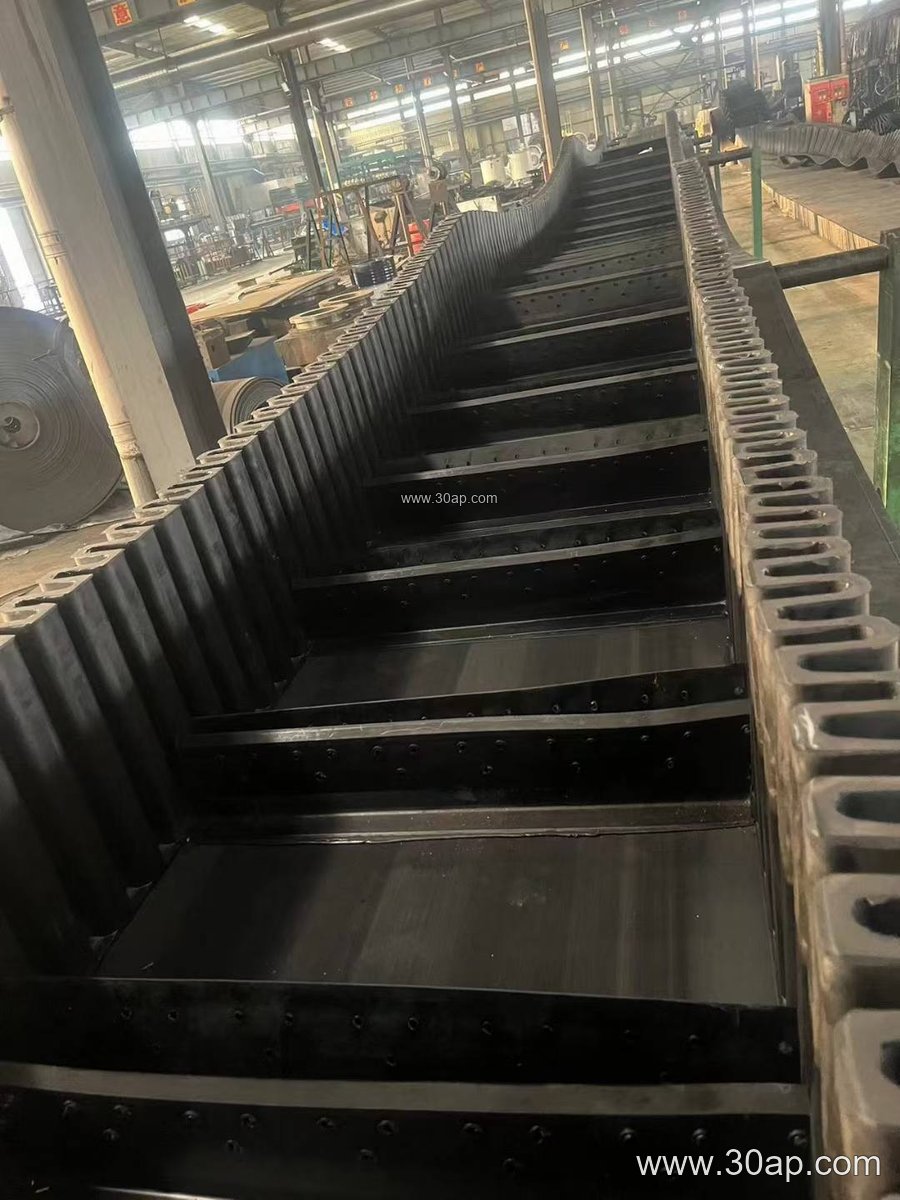
Edge protection, skim layers between plies and the bond between carcass and cover all affect service life. A poorly bonded cover can peel long before the carcass is worn out. Skirted and corrugated sidewall belts add raised edges to contain material on steep inclines, while chevron profiles improve grip on slopes.
Common Specifications
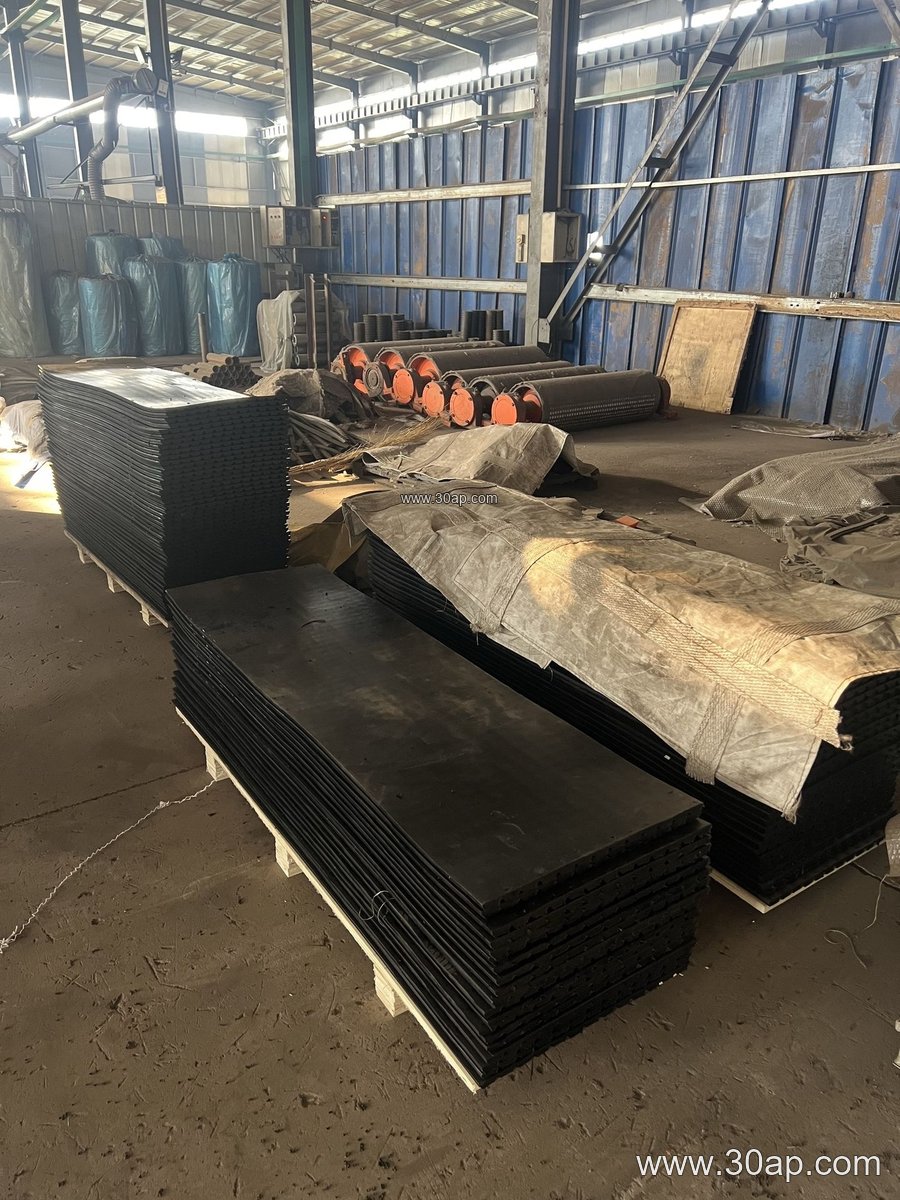
Belt sizes are selected from the conveyor design, not the other way around. The table below shows typical reference values; actual supply depends on the manufacturer and the project.
| Parameter | Typical reference values |
|---|---|
| Fabric core types | EP200, EP315, EP400, EP500, EP630, EP800, EP1000, EP1250 |
| Steel cord grades | ST1000, ST1250, ST1600, ST2000, ST2500 |
| Belt width | B500, B650, B800, B1000, B1200, B1400, B1600, B1800, B2000 |
| Cover thickness | 3+1.5, 4+2, 5+2, 6+2, 8+3 mm |
| Carcass plies | Usually 2 to 6 layers for fabric belts |
A 1000mm or 1200mm belt is common on main haulage lines, while 1400mm and 1600mm widths appear on high-capacity systems. Wider belts need larger pulleys and heavier frames, so width and pulley diameter are matched through engineering calculation, not a fixed rule.
Matching the Belt to the Duty
The first question is what the belt must resist. An abrasion resistant conveyor belt suits sharp crushed stone and sinter. A heat resistant conveyor belt handles cement clinker or hot ash. A flame retardant conveyor belt and anti-static construction are usual in underground coal mining, where a fire resistant conveyor belt is often required by site rules. Oil resistant and chemical resistant covers serve recycling and processing lines, and cold resistant grades are used in freezing climates.
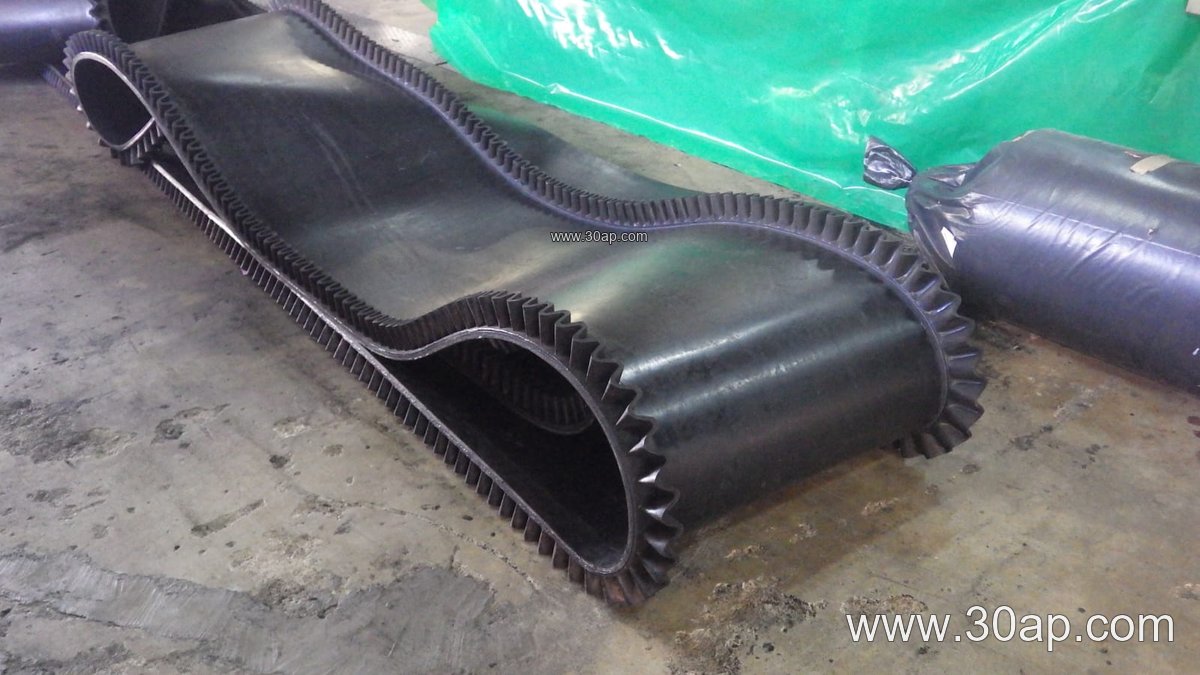
Load weight, lump size, incline and impact at the transfer point matter too. Impact resistant belts with thicker covers and breaker plies reduce damage under a crusher. A pipe conveyor belt encloses the material for dust control and curved routes, but it is a different system from a flat troughed belt and should not be treated as a direct substitute.
What Buyers Should Check
- Confirm the required tension grade and carcass type rather than ordering by width alone.
- State the material, temperature, moisture and any oil or chemical contact.
- Check pulley diameters and trough angles with the belt supplier before installation.
- Ask for cover thickness and ply construction in writing.
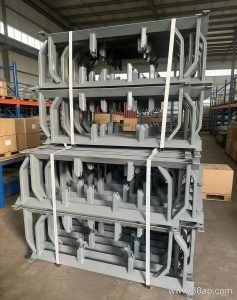
- Plan spare idler rollers, brackets and splice materials with the first order.
For plant operators, the practical aim is a belt that matches the conveyor pulley, frame and loading conditions. A correctly specified bulk material conveyor belt, whether an EP conveyor belt for a cement plant or a steel cord belt for an iron ore line, reduces downtime and keeps the material moving.