What a Four-Roll Idler Bracket Does
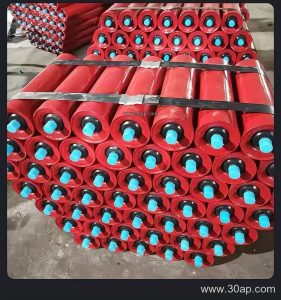
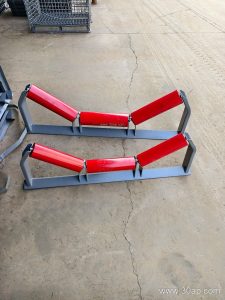
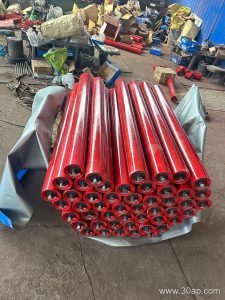
A four-roll idler bracket is a support frame that carries four idler rollers under the belt line, usually arranged in a deep trough or in a transitional pattern. Instead of the common three-roller trough set, this bracket spreads the load across four contact points, which helps on wide belts and on lines where lump size or belt sag is a concern. In a quarry, a coal preparation plant, or a cement plant, the bracket keeps the conveyor belt tracking in a stable trough while the idler roller rotates freely under load.
The same item is often called a four-roller idler frame or a four-roll troughing bracket. Those names describe the same product; they are not separate hardware families.
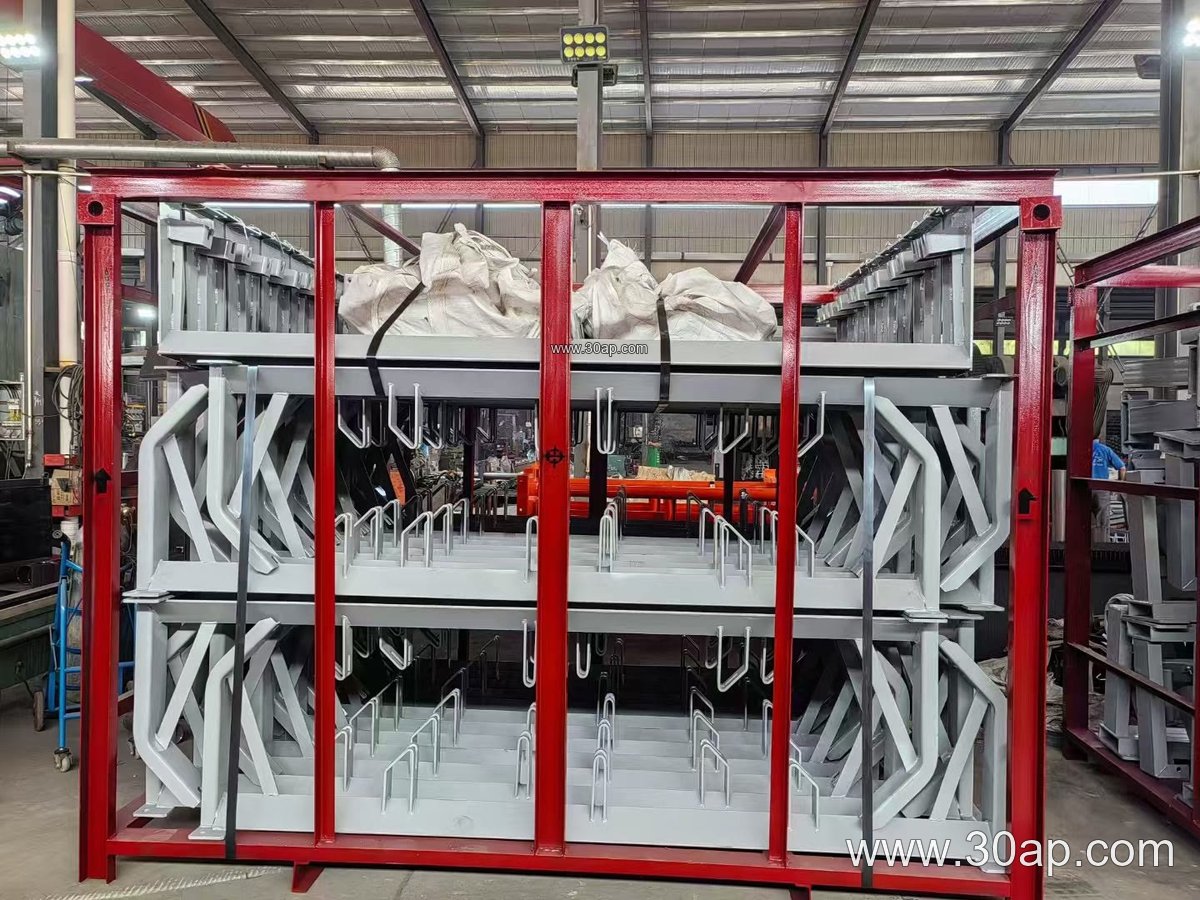
How the Bracket Is Built
Most four-roll idler brackets are welded from angle steel, channel steel, or folded steel plate. The cross beam holds four mounting positions, and the two outer stations are set at a steeper angle than the two inner ones. That geometry gives a deeper, more rounded trough profile than a three-roll arrangement, which is useful when the belt must contain a heavy load without pinching at the edges.
- Frame material: angle steel, channel steel, or bent plate
- Trough angles: commonly 20, 30, 35, or 45 degrees, with the outer pair steeper
- Roller diameters: typically Ø89, Ø108, Ø133, Ø159, or Ø194
- Belt widths served: B500 through B2200, depending on the design
- Mounting: fixed welded frame, bolted frame, or an adjustable version
Adjustable four-roll brackets let maintenance crews fine-tune the trough angle between the common settings. Fixed versions are simpler and are chosen where the belt width and material are already settled.
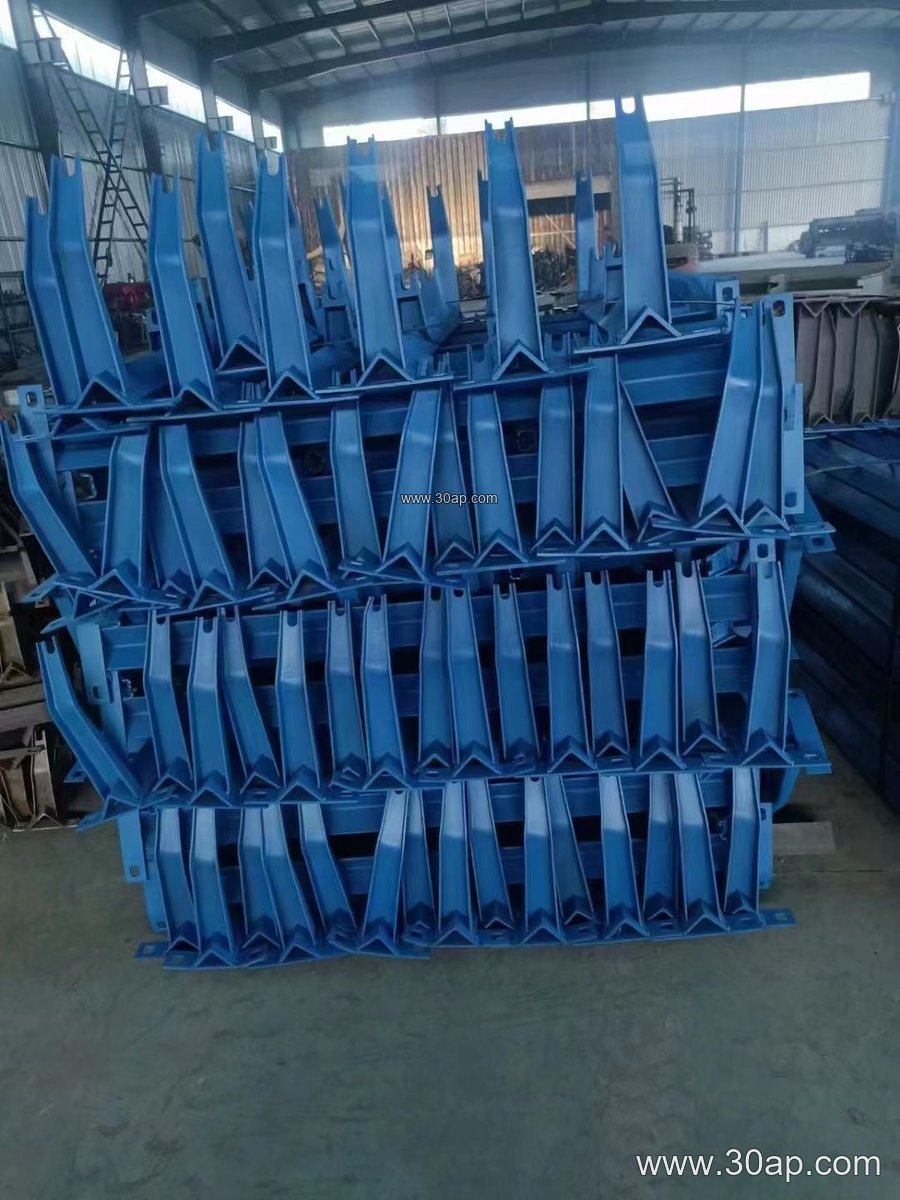
Where It Fits on the Conveyor
The bracket normally sits on the carrying side, mounted to the stringer or to a cross support. It is most often found at loading zones, at transfer points, and along the middle of long runs where belt sag must be controlled. A four-roll frame is also used as a transition bracket near the tail and head, helping the belt move from a flat profile into a full trough without stressing the edges.
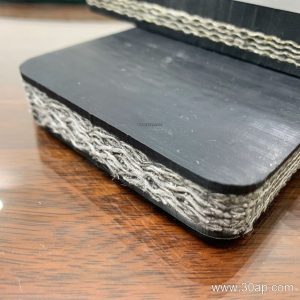
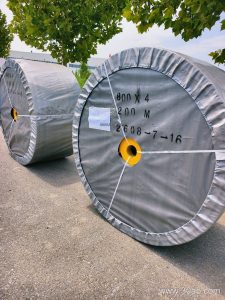
It works together with the conveyor pulley at each end, the idler roller set along the run, and the conveyor belt itself. The bracket does not replace a drive pulley or a bend pulley; it only supports the belt between them. On a heavy-duty mining conveyor belt or a high abrasion resistant conveyor belt, a stiffer four-roll frame can reduce edge damage and keep the load centered.
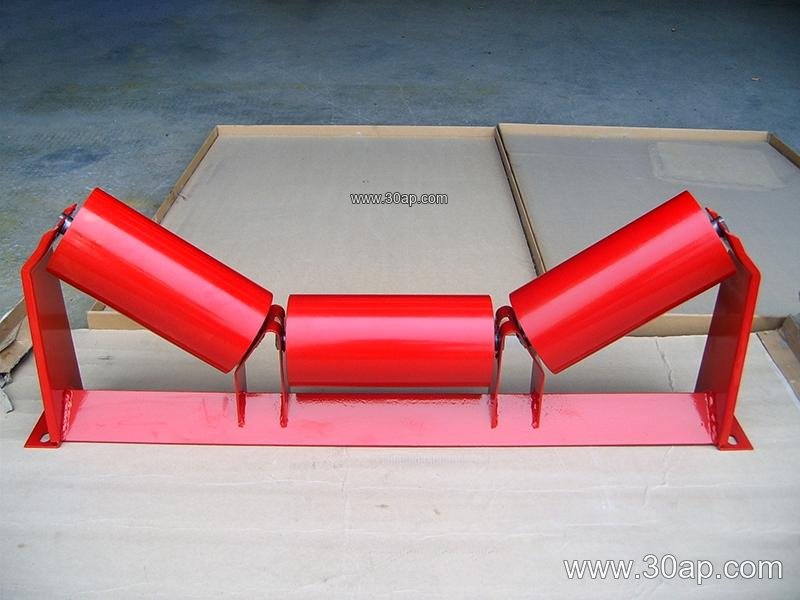
Matching Bracket, Belt, and Roller
Buyers should treat belt width, trough angle, and roller diameter as a set chosen by design, not as a fixed rule. A B800 belt may run with a 35 degree four-roll frame and Ø108 rollers, while a B1200 line in a power plant coal yard might use 45 degrees and Ø133 rollers. Wider belts such as B1600 or B1800 usually need a heavier cross beam and larger roller diameters. The table below shows common reference combinations only.
| Belt width | Typical trough angle | Common roller diameter |
|---|---|---|
| B500 / B650 | 20 to 30 degrees | Ø89 |
| B800 / B1000 | 30 to 35 degrees | Ø108 |
| B1200 / B1400 | 35 to 45 degrees | Ø133 |
| B1600 / B1800 | 35 to 45 degrees | Ø159 |
| B2000 / B2200 | 45 degrees | Ø194 |
These values are reference data. Hole spacing and beam length change with belt width and trough angle, so the bracket should be ordered against the actual conveyor drawing.
Buyer Checklist
- Confirm the belt width and the required trough angle before ordering.
- Check that the roller diameter matches the existing idler roller set.
- Decide between fixed and adjustable frames based on whether the trough angle may change.
- Ask for the mounting hole pattern and beam length, since these vary by design.
- For dusty or corrosive sites, confirm the surface finish and paint system.
- On steep or high-tonnage lines, verify that the frame stiffness suits the load.
On a wash plant line carrying a fabric core conveyor belt, a four-roll bracket with a moderate trough angle often gives a good balance between load capacity and belt life. On a long overland run with a steel cord conveyor belt, the same frame type may need a heavier section and closer spacing. Matching the bracket to the belt, the roller, and the duty is what keeps the line running quietly.