What a Conveyor Bracket Quotation Covers
A conveyor bracket quotation is a commercial and technical offer for the support frames that hold idler rollers and carry the conveyor belt along its path. In many plants the bracket is treated as a simple accessory, yet it sets the belt line, controls trough shape, and affects how easily a system can be maintained. A clear quotation should identify the bracket type, the belt width it is built for, the trough angle, the roller diameter it accepts, and the material and finish. Without those details, two offers may look similar but fit very different conveyors.
On a typical quotation, the main item is often called a conveyor bracket or idler bracket. The same product may appear as a roller support bracket, a idler frame bracket, or a belt conveyor bracket. These are equivalent names for the same family of support components, and buyers can use them to compare offers. The quotation should also state whether the bracket is fixed or adjustable, because that choice affects installation and future alignment work.
How the Bracket Is Built and Where It Sits
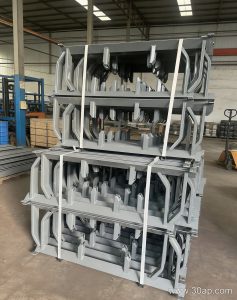
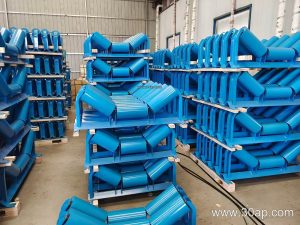
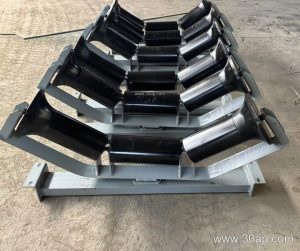
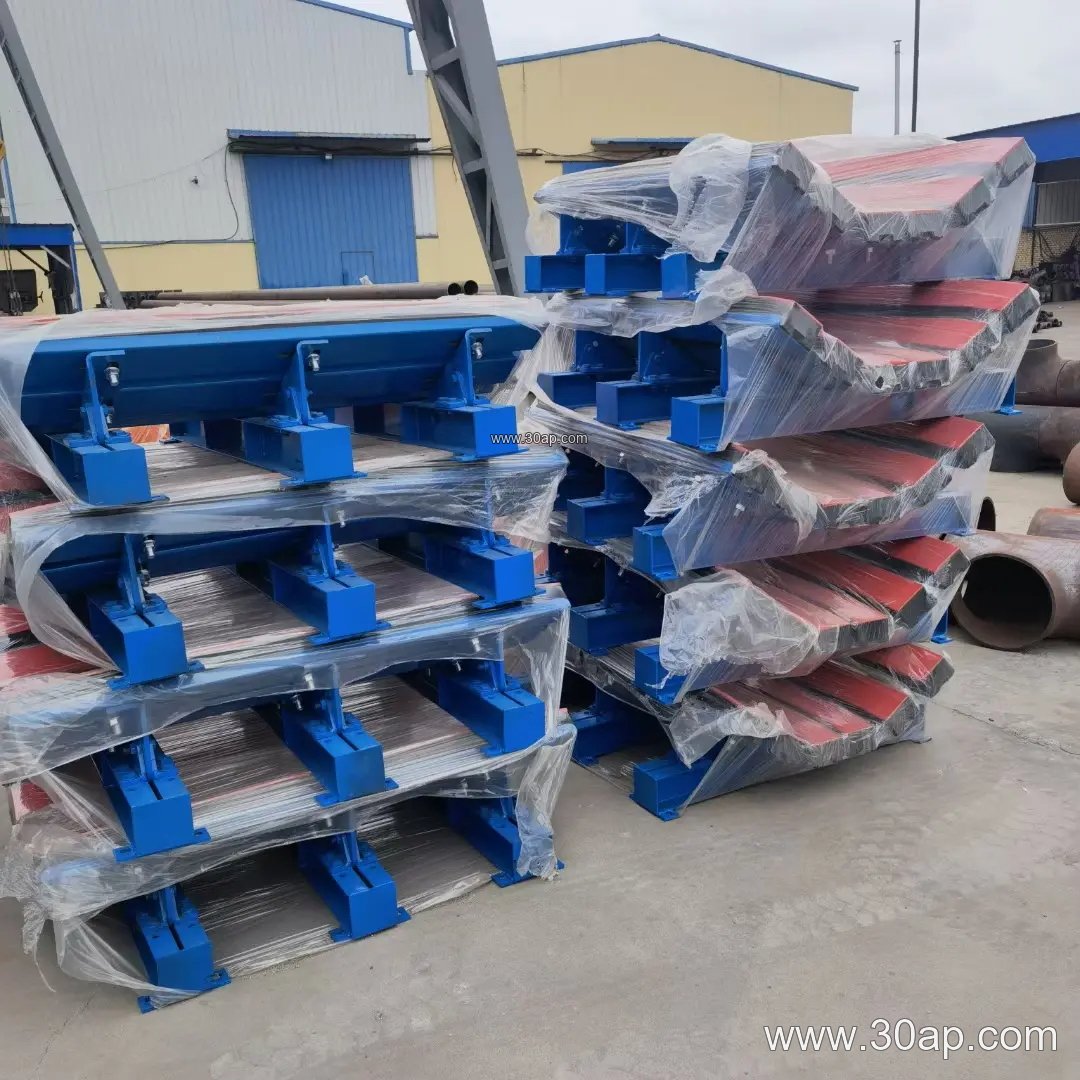
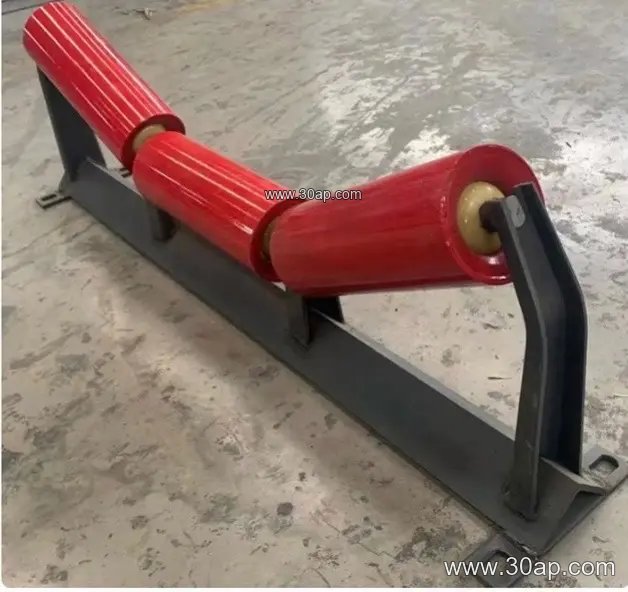
Most conveyor brackets are fabricated from angle steel, channel steel, or folded steel plate. The frame may include a cross beam, mounting plates, and slots or holes for roller shafts. On the carrying side, a trough bracket holds three or more idlers to form a trough. On the return side, a flat bracket or a V-shaped return bracket supports the belt. Transition brackets are used where the belt changes from flat to troughed. Impact brackets with cushion rollers are common under loading points, while self-aligning brackets help keep the belt centered.
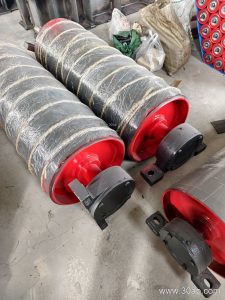
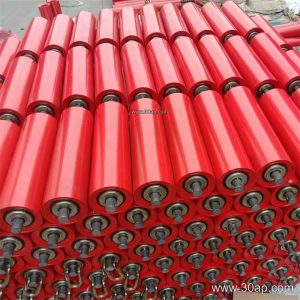
The bracket works together with the conveyor belt, the idler roller, and the conveyor pulley. The belt rests on the rollers, the rollers sit in the bracket, and the pulley drives or redirects the belt. A bracket quotation should therefore mention the roller diameter it suits, such as Ø89, Ø108, Ø133, Ø159, or Ø194. It should also give the belt width, for example B650, B800, B1000, B1200, or B1400. Common trough angles are 20, 30, 35, and 45 degrees. Adjustable brackets can be set within a range of these angles, which is useful when a plant runs several belt widths or wants to fine-tune the trough profile.
Where These Brackets Are Used
Support brackets appear in almost every bulk handling line. In a quarry or aggregate plant, they carry the belt through crushers and screens. In a coal washing plant or power station coal yard, they support the belt on long inclined runs. Cement plants use them on clinker and raw meal lines, while steel plants and sintering plants rely on them in hot and dusty areas. Port terminals and ship loading conveyors also use heavy brackets on wide belts. The same bracket family is found in smaller sand and gravel lines, mixing plants, and tunnel spoil removal systems.
Because conditions vary, the quotation should match the bracket to the duty. A dusty cement line may need easy-clean frames, while a primary crusher discharge point may call for impact brackets. A long overland conveyor may use self-aligning brackets to reduce belt wander. The bracket itself is not the belt, but it influences belt life by keeping the belt supported and aligned. For this reason, buyers often review the bracket quotation together with the belt specification, such as an EP conveyor belt or a steel cord conveyor belt, and with the roller schedule.
Parameters Buyers Should Check
A useful quotation lists the main dimensions and options in a readable table. The values below are common reference points, not fixed rules. Actual hole spacing and beam length are determined by the belt width, trough angle, and bracket design.
| Item | Typical Reference | Notes |
|---|---|---|
| Bracket type | Trough, transition, return, V-return, impact, self-aligning, adjustable | State fixed or adjustable |
| Belt width | B500, B650, B800, B1000, B1200, B1400, B1600 | Other widths by design |
| Trough angle | 20°, 30°, 35°, 45° | Adjustable versions cover a range |
| Roller diameter | Ø89, Ø108, Ø133, Ø159, Ø194 | Match the idler roller shaft |
| Material | Angle steel, channel steel, folded plate | Finish and coating to be stated |
| Mounting | Bolted or welded frame | Hole spacing per drawing |
Buyers should also ask for the drawing number, the surface treatment, and the quantity per set. If the quotation includes installation hardware, that should be listed. For a replacement project, it helps to send a photo or sample of the existing bracket, because small differences in hole spacing can stop a frame from fitting. A quotation that shows the bracket type, belt width, trough angle, and roller diameter in one line is easier to check against the site.
Quotation Review and Maintenance Points
Before accepting a conveyor bracket quotation, confirm that each line item matches the conveyor it is meant for. Check that the trough angle suits the material and belt, that the roller diameter matches the idler roller, and that the bracket material suits the environment. For a coal mining conveyor belt or an underground mining conveyor belt, flame retardant and anti-static properties are usually specified for the belt, while the bracket quotation should focus on fit, strength, and corrosion protection.
During operation, brackets should be checked for loose bolts, bent frames, and worn mounting points. A bracket that has moved can misalign the belt and cause edge damage. Keeping a small stock of common brackets for the main belt widths on site can reduce downtime. The quotation is the first step in that spare parts plan, and a clear offer makes later ordering simpler.