What a 1000mm Conveyor Belt Is
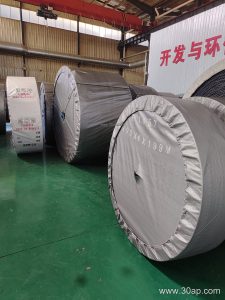
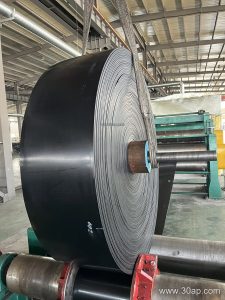
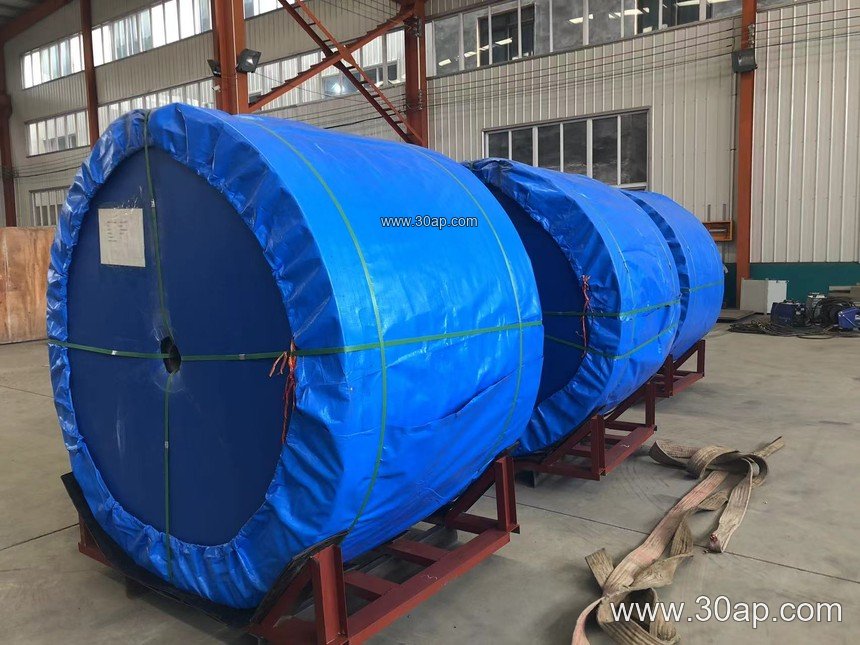
A 1000mm conveyor belt is a one-metre-wide belt designed for continuous bulk material transport. In the trade, it is also called a B1000 belt or a 1000mm wide conveyor belt. This width sits in the middle-to-heavy range of standard belt widths, so it is common on main haulage lines in mines, cement plants, power stations, quarries, and port loading systems where tonnage matters but the structure still needs to remain manageable.
The width is only one part of the specification. A 1000mm wide conveyor belt is defined by its carcass, cover rubber, strength grade, and edge construction. Two belts of the same width can behave very differently depending on those details.
Construction and Common Specifications
Most 1000mm belts use a fabric core or a steel cord carcass. Fabric core types include EP conveyor belt and NN conveyor belt constructions, while steel cord conveyor belt designs are chosen for long runs and high tension. The cover rubber is usually specified as a top and bottom thickness pair, such as 4+2 mm or 6+2 mm, and the carcass may have two to six plies.
| Parameter | Common Reference |
|---|---|
| Belt width | B1000 (1000mm wide conveyor belt) |
| Fabric strength grades | EP200, EP400, EP630, EP800, EP1000 |
| Steel cord grades | ST1000, ST1250, ST1600, ST2000 |
| Cover thickness | 4+2 mm, 5+2 mm, 6+2 mm |
| Carcass plies | 2 to 6 plies, depending on design |
Cover compound selection is often more important than the headline strength. Abrasion resistant conveyor belt grades suit crushed stone and ore, heat resistant conveyor belt grades suit cement clinker and sinter, and flame retardant conveyor belt or fire resistant conveyor belt grades are common in coal mining conveyor belt systems underground. Oil resistant, cold resistant, and anti-static versions are available for specific duties.
Where It Fits in a Conveyor Line
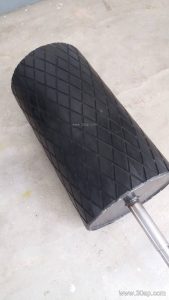
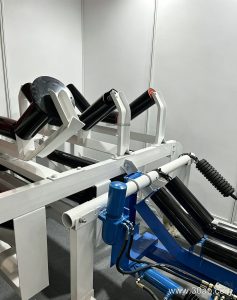
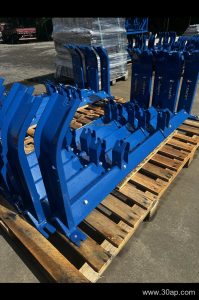
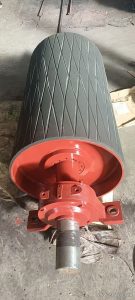
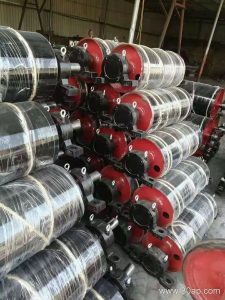
A 1000mm belt usually runs on a troughing idler roller set mounted on a conveyor bracket, with a conveyor pulley at the drive and tail ends. The belt width does not fix the pulley diameter; drum sizing follows tension, wrap angle, and shaft load, so the pulley and idler set should be matched by the conveyor designer rather than guessed from width alone.
Typical duties include primary and secondary crushing circuits, raw mill feed, coal yard transfer, aggregate stockpiling, and ship loading. In a quarry conveyor belt line or a crusher conveyor belt discharge, a 1000mm belt often carries rock and ore at high tonnage. In a power plant conveyor belt system it may handle coal, while a cement plant conveyor belt may carry limestone, clinker, or gypsum.
Selecting the Right Belt
- Confirm the actual duty: material type, lump size, moisture, temperature, and any oil or chemical exposure.
- Check the required tension and select the carcass grade, for example EP800 or ST1600, against the conveyor design.
- Choose cover thickness and compound to match abrasion, impact, or heat conditions.
- For underground coal work, verify flame retardant and anti-static properties with the supplier.
- Allow for splicing method: endless conveyor belt joints, mechanical fasteners, or vulcanised splices each need different edge preparation.
Special profiles are worth considering where the standard flat belt struggles. A chevron conveyor belt or corrugated sidewall conveyor belt can help on steep inclines, and a skirted conveyor belt reduces spillage at transfer points. These are alternative designs, not replacements for a flat 1000mm belt on a standard troughing line.
Installation and Maintenance Notes
Alignment is critical on a one-metre-wide belt because a small tracking error creates large edge loads. Check idler roller alignment, pulley crown, and bracket squareness during installation. Keep the belt tension within the design range and inspect splices regularly. Store spare belts flat and away from sunlight and ozone sources.
For buyers, ask for the carcass type, ply count, cover thickness, strength grade, and applicable rubber compound data in writing. A 1000mm conveyor belt is a system component, so the final choice should follow the conveyor design and the real operating conditions rather than width alone.