What a Heavy-Duty Welded Pulley Is
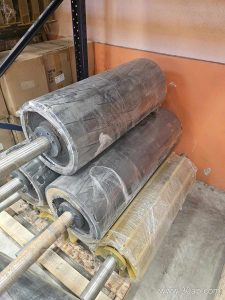
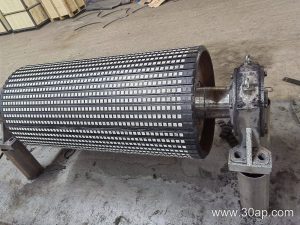
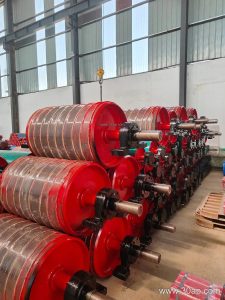
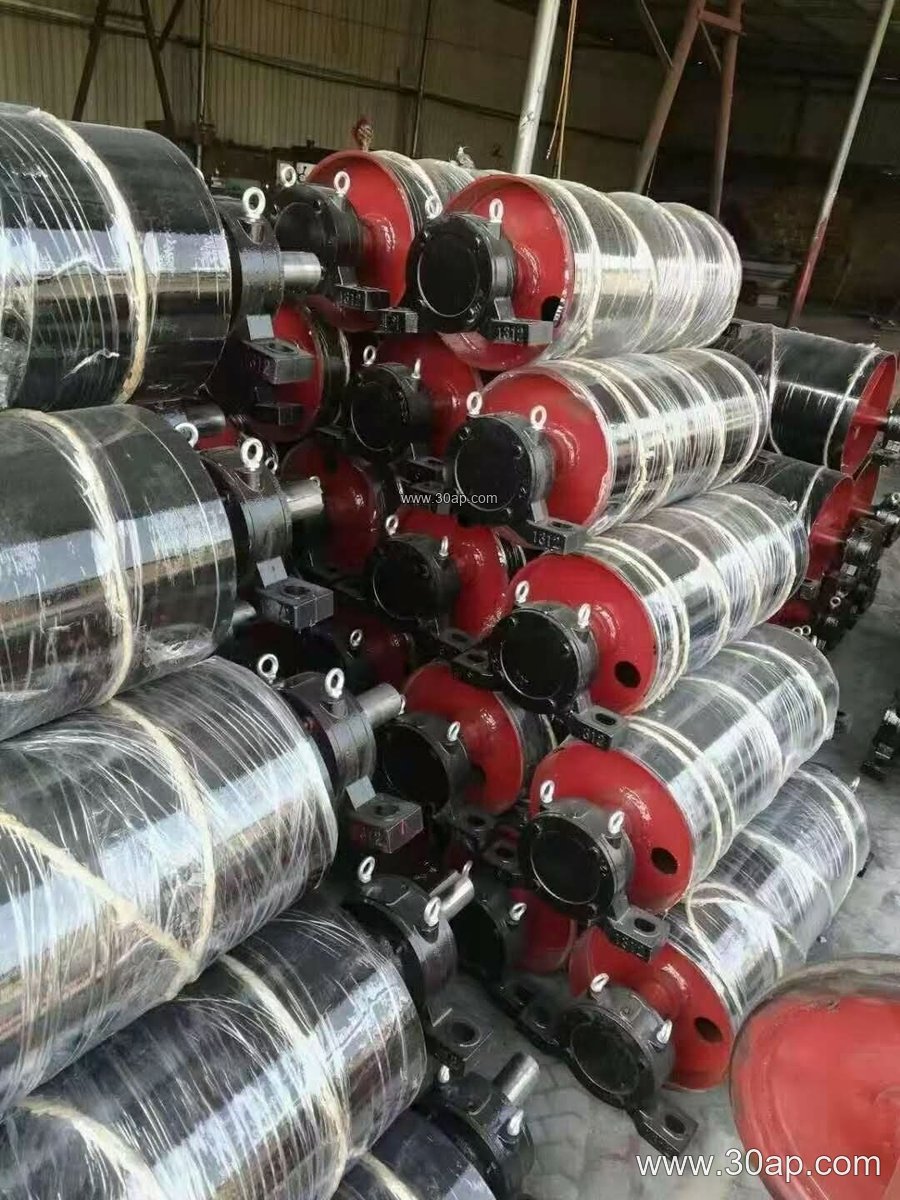
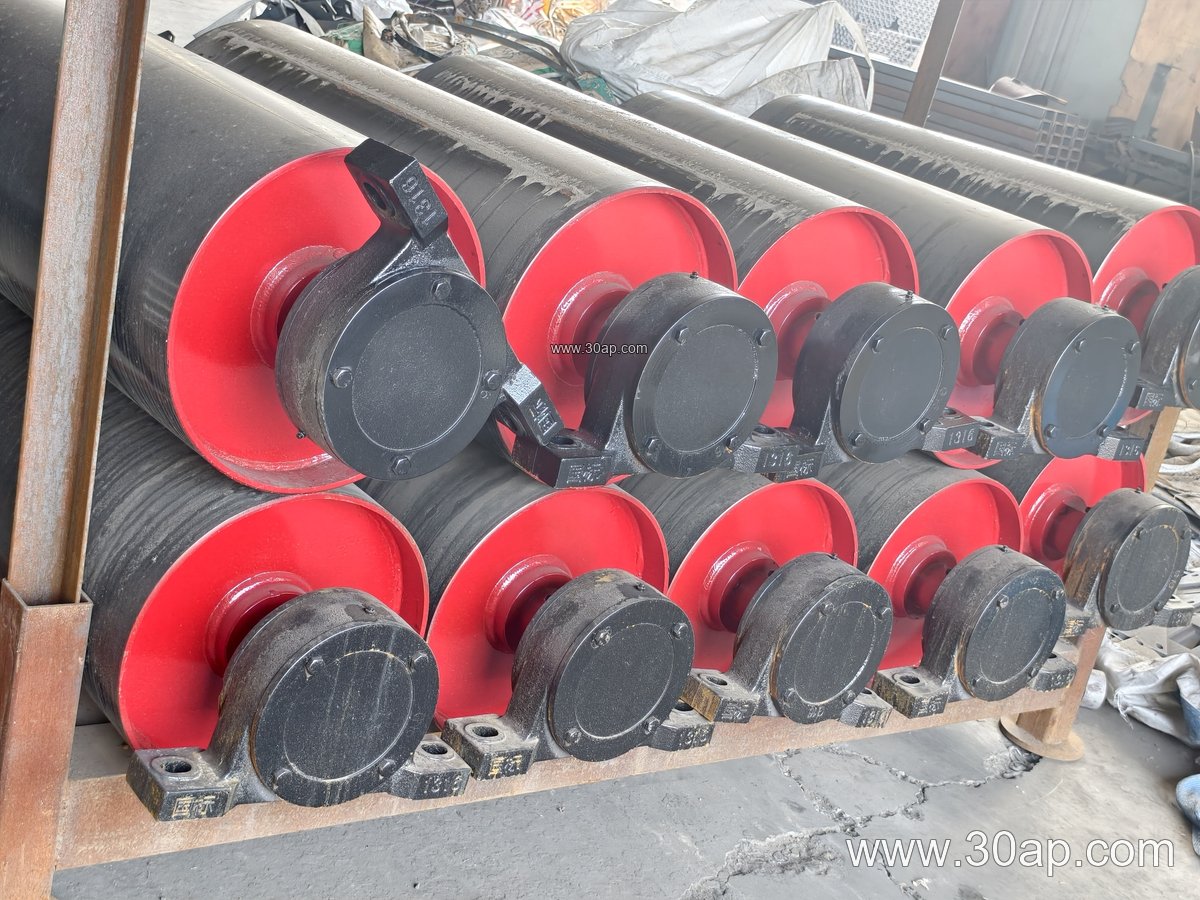
A heavy-duty welded pulley is a conveyor pulley built with a welded steel shell, end discs, and hub assembly to handle high belt tensions and abrasive loads. Unlike light-duty designs that may use cast or bolted components, the welded construction provides a robust, continuous structure. This pulley is commonly used as a drive, tail, or bend pulley in bulk material handling, but it is not interchangeable with other pulley types such as idler rollers or conveyor brackets. When specifying, buyers should refer to the exact subtype—drive, tail, or bend—because each serves a distinct role in the conveyor system.
Construction and Key Features
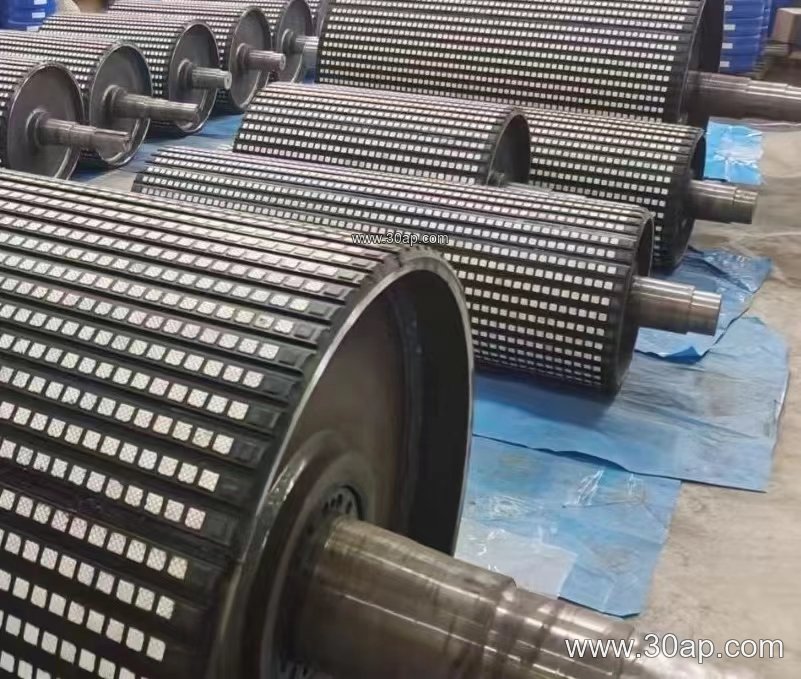
The heavy-duty welded pulley typically features a thick-walled steel shell, reinforced end plates, and a shaft sized for torque and load. Welding ensures a strong bond between the shell and end discs, reducing the risk of fatigue failure under continuous operation. Surface options include plain, rubber lagging, or ceramic lagging to improve traction and wear resistance. Common lagging thicknesses are 8, 10, 12, 15, and 20 mm, selected based on the application. The pulley face width usually exceeds the belt width to accommodate misalignment; for example, a B800 belt might use a pulley face of about 950 mm, while a B1200 belt could have a face around 1400 mm. Diameters range from Ø200 to Ø1800, and shaft diameters from Ø50 to Ø200, determined by design requirements rather than a fixed rule per belt width.
Where It Is Used
Heavy-duty welded pulleys are found in industries where conveyors move large volumes of abrasive or heavy materials. In a limestone quarry, they drive a primary conveyor that feeds a crusher, often paired with an abrasion resistant conveyor belt to withstand sharp rock. At a coal-fired power plant, these pulleys handle coal delivery on a flame retardant conveyor belt, ensuring safe operation. Other applications include iron ore mines, cement plants, and port bulk terminals. The pulley works alongside conveyor idler rollers and conveyor brackets to maintain belt alignment and tension. For extremely wide belts, such as a 1800mm wide conveyor belt, the pulley must be engineered to match the belt width and load, but the diameter is not dictated solely by width—it depends on the required wrap angle and belt tension.
Specification Considerations
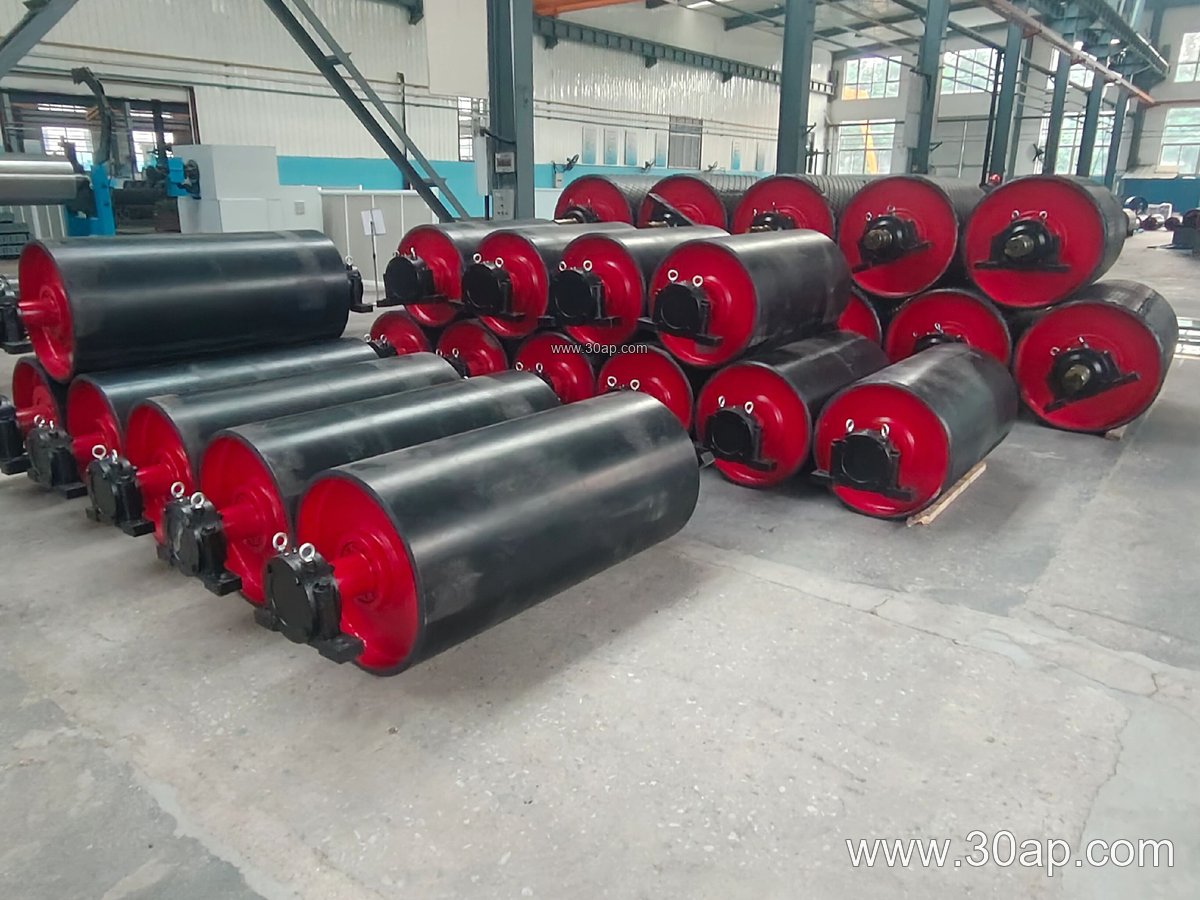
When selecting a heavy-duty welded pulley, several parameters matter. The table below lists common reference values for belt width and corresponding pulley face width, but these are not universal pairings—each system requires individual calculation.
| Belt Width (mm) | Typical Pulley Face Width (mm) | Common Diameter Range (mm) |
|---|---|---|
| B400 | ~500 | Ø200–Ø315 |
| B650 | ~750 | Ø250–Ø400 |
| B800 | ~950 | Ø315–Ø500 |
| B1000 | ~1150 | Ø400–Ø630 |
| B1200 | ~1400 | Ø500–Ø800 |
| B1400 | ~1600 | Ø630–Ø1000 |
| B1600 | ~1800 | Ø800–Ø1250 |
These values are for reference only; actual dimensions depend on the conveyor design, belt type (such as EP conveyor belt or steel cord conveyor belt), and load conditions. For instance, a B1200 × Ø1000 heavy-duty welded pulley might be used in a high-tension drive application, while a B800 × Ø500 could serve as a tail pulley in a smaller system. Shaft diameter is determined by torque and bending loads, not by belt width alone.
Buyer’s Checklist
- Confirm the pulley subtype: drive, tail, or bend—each has different design priorities.
- Specify the belt width and type (e.g., multi-ply fabric core conveyor belt or steel cord) to ensure compatibility.
- Choose lagging based on traction needs: rubber for general use, ceramic for high abrasion.
- Verify shaft diameter and bearing selection with the pulley manufacturer, as these are load-dependent.
- Consider environmental factors: heat resistant conveyor belt in foundries, oil resistant conveyor belt in recycling, or cold resistant conveyor belt in cold climates.
Regular inspection of the welded pulley for cracks or lagging wear helps prevent unplanned downtime. Partnering with a reliable supplier ensures the pulley matches the conveyor’s demands, whether in a sand and gravel plant or a fertilizer handling facility.