What an EP Conveyor Belt Is
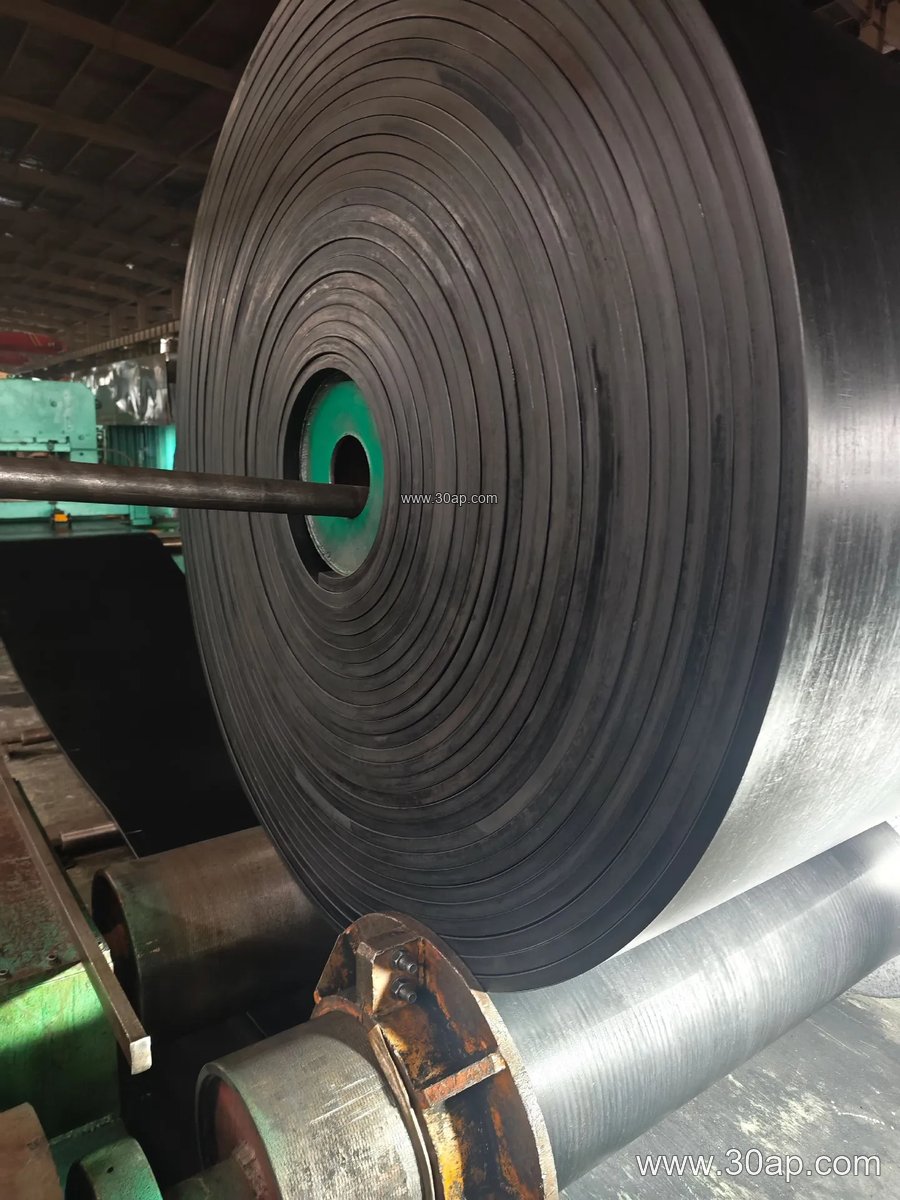
An EP Conveyor Belt is a fabric-core rubber belt built around polyester (E) warp yarns and polyamide (P) weft yarns. This EP fabric carcass, also described as an EP Fabric Core Conveyor Belt, gives the belt low elongation in the length direction and good flexibility across the width. That balance is why the product is common on long overland runs, inclined haulage and plant-to-plant transfer systems in mining, cement works, power stations, quarries and sand and gravel yards.
The carcass carries the tension. Rubber covers protect the fabric from abrasion, moisture, heat or oil, depending on the compound chosen. A buyer will also see the name EP Rubber Conveyor Belt used for the same product; both terms point to a polyester-polyamide fabric core rather than a steel cord construction.
Construction and Strength Grades
EP fabric plies are bonded between top and bottom covers, and the belt is finished with edges cut or moulded according to the application. Carcass plies commonly run from 2 to 6 layers, and cover thickness is usually quoted as a pair, for example 4+2 mm or 6+2 mm, where the first figure is the carrying cover and the second is the pulley cover.
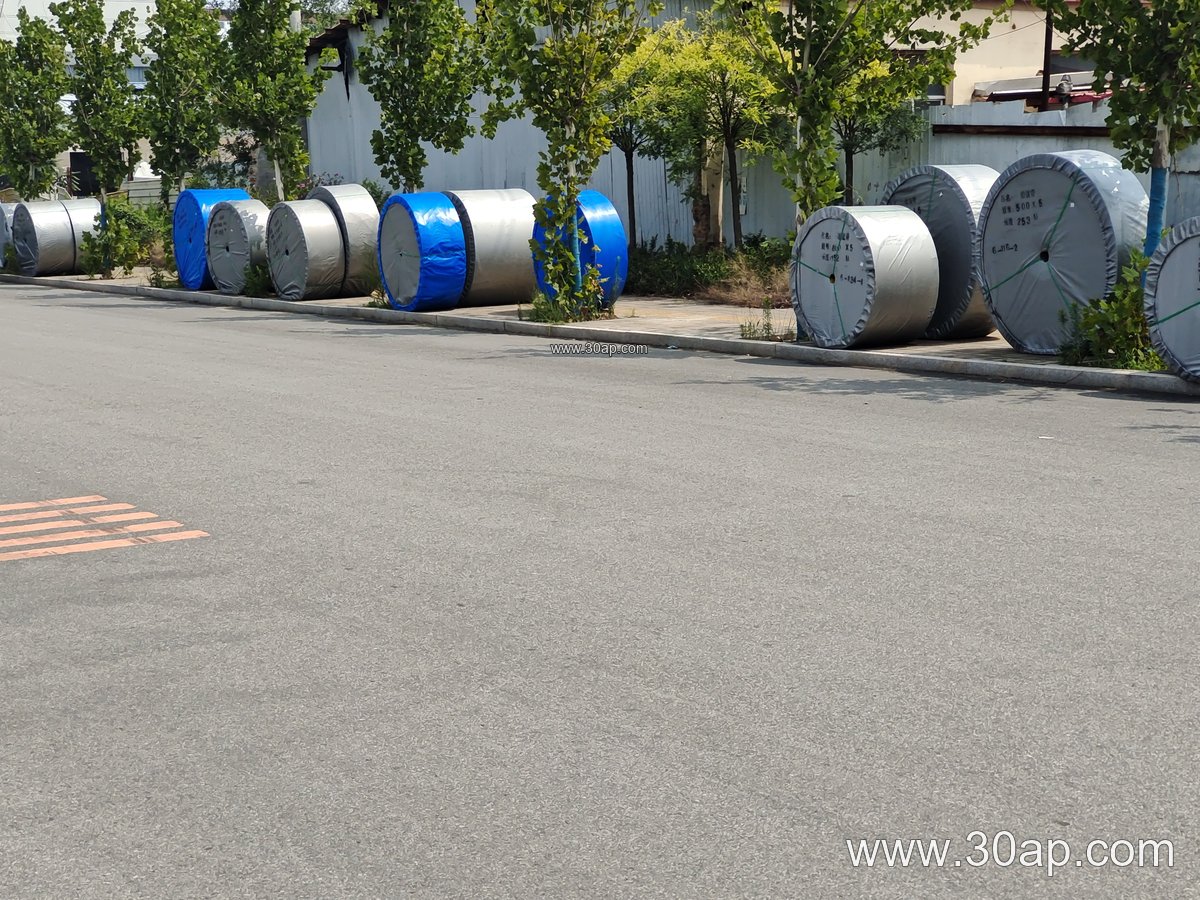
Strength is normally stated as the full-belt tensile grade in newtons per millimetre of width. Common grades include EP200, EP315, EP400, EP500, EP630, EP800, EP1000, EP1250, EP1600 and EP2000. These are reference values, not universal promises; a supplier’s construction and cover compounds will affect what is delivered for a given duty.
| Reference item | Common range | Notes |
|---|---|---|
| Tensile grade | EP200 to EP2000 | Selected from calculated belt tension and safety factor |
| Belt width | B500, B650, B800, B1000, B1200, B1400, B1600, B1800, B2000 | Match to lump size, throughput and pulley face |
| Carcass plies | 2 to 6 | Depends on grade and manufacturer |
| Cover thickness | 3+1.5, 4+2, 5+2, 6+2, 8+3 mm | Wear side first, pulley side second |
Cover compound choice matters as much as the grade. Abrasion Resistant Conveyor Belt covers suit crushed stone and ore; Heat Resistant Conveyor Belt grades serve clinker, sinter and cement kiln lines; Flame Retardant Conveyor Belt and Anti-Static Conveyor Belt constructions are usual in underground coal mining; Oil Resistant Conveyor Belt compounds are used around oil-bearing feedstock. Belt width does not by itself fix pulley diameter or shaft size, so those values come from the conveyor design, not from a catalogue guess.
Where It Fits in the Plant
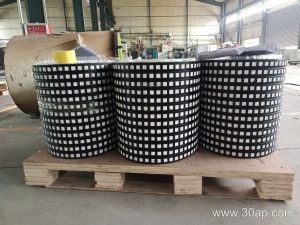
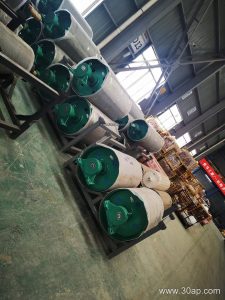
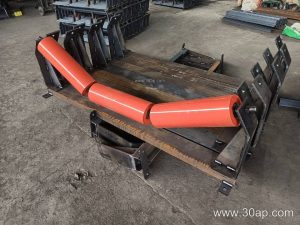
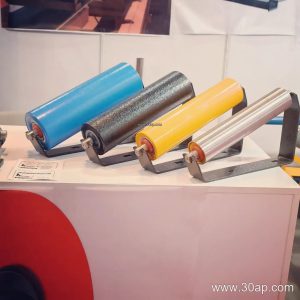
In a mine or quarry, an EP belt often runs from the primary crusher to the stockpile, carrying rock and ore over idler roller sets mounted on a steel frame. In a cement plant it may move limestone, clay, clinker or cement; in a power plant it handles coal and ash; in a port or ship loading line it moves bulk material at high tonnage. The belt works with conveyor pulley units at the head, tail and bend positions, each chosen for its own duty rather than treated as interchangeable.
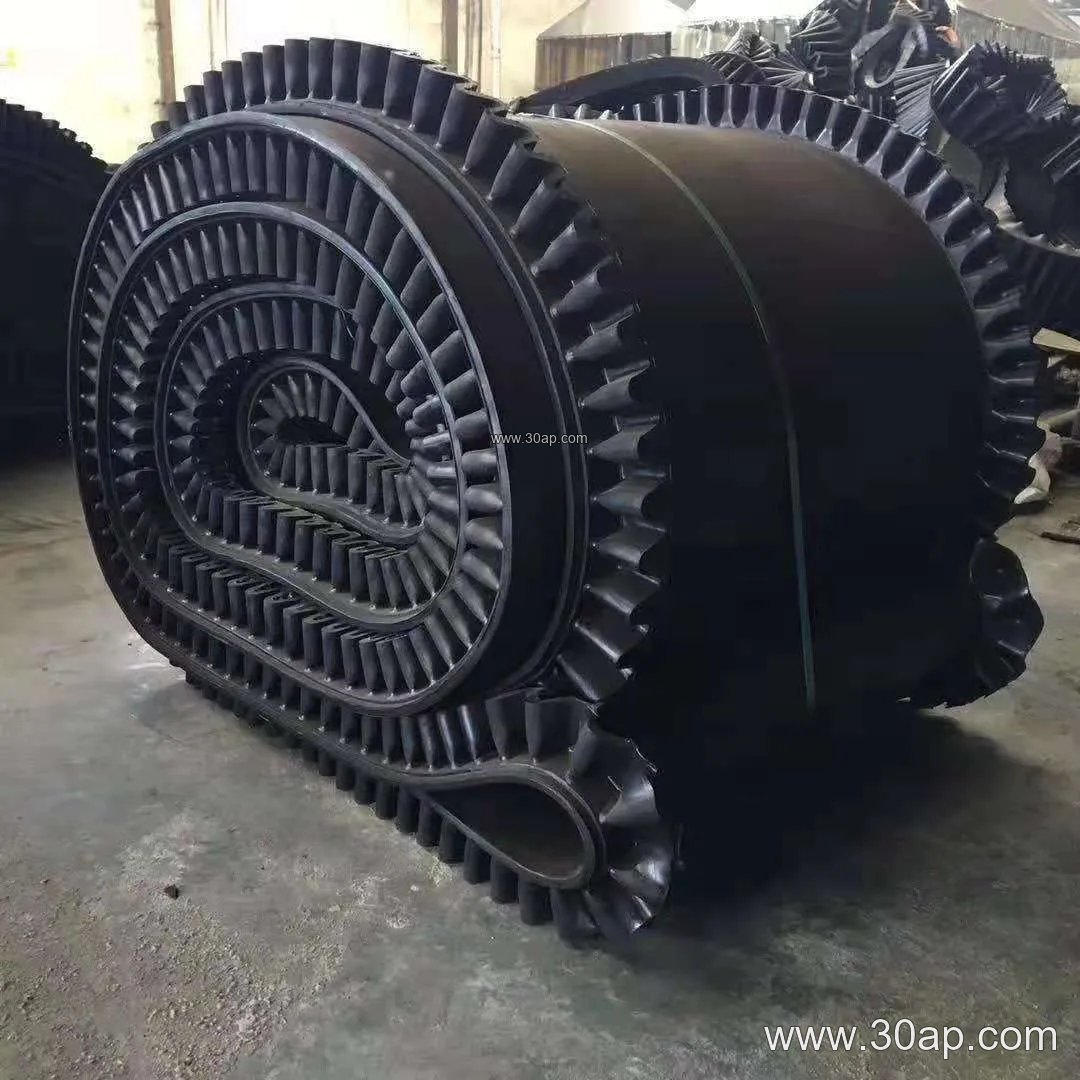
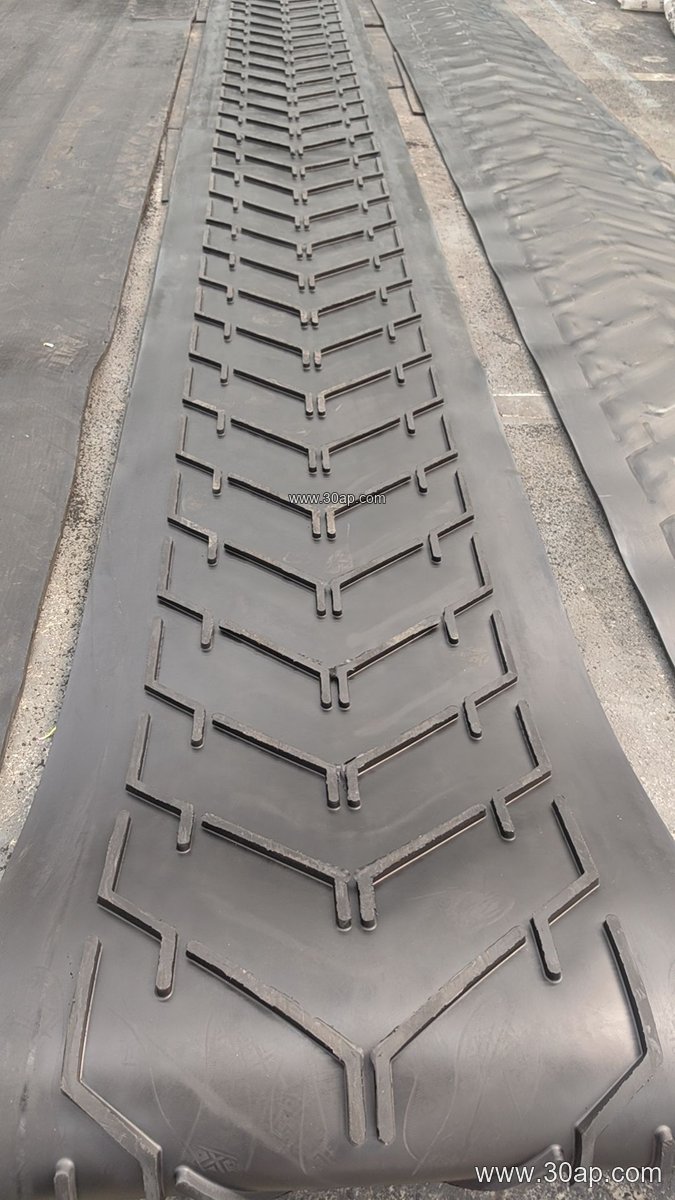
Other constructions appear where the duty calls for them. A Steel Cord Conveyor Belt may be preferred for very long, high-tension trunk lines; an NN Conveyor Belt is a nylon-core alternative; a Chevron Conveyor Belt or Corrugated Sidewall Conveyor Belt handles steep inclines and material that would otherwise roll back. Those are comparisons, not replacements for an EP fabric core belt in a normal troughed installation.
Buyer Checklist
- Confirm the required tensile grade and belt width against the actual conveyor tension calculation.
- State the material, lump size, temperature and any oil, acid or chemical exposure so the cover compound is right.
- Give pulley diameters, trough angle and transition distances so the belt can be built to suit them.
- For underground coal work, specify flame retardant and anti-static properties in writing.
- Ask for the splice method and edge condition, since these affect belt life and tracking.
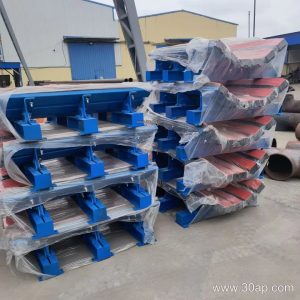
- Keep spare idler roller and conveyor bracket stock consistent with the belt line, not mixed between conveyors.
Installation and Maintenance Notes
Correct alignment at the head and tail, adequate counterweight and clean pulleys reduce edge damage. Inspect covers for cuts and exposed fabric, check splice integrity, and watch for material build-up on the return side. Store belts in a dry, shaded place and avoid tight coils. On long inclines, confirm the belt’s elongation behaviour with the supplier before commissioning, because EP fabric stretch differs from steel cord designs.
For plant engineers comparing options, the practical question is not which belt is best in general but which construction matches the tension, abrasion, temperature and safety rules of that specific conveyor. An EP Conveyor Belt remains a versatile answer for many of those duties, provided the grade, width and cover are specified from real operating data.