What a Conveyor Carrying Bracket Does on the Load Side
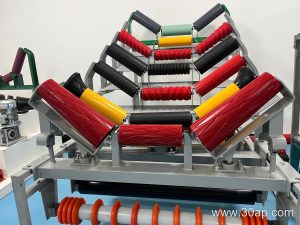
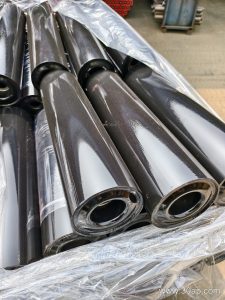
A conveyor carrying bracket is the steel frame that holds the load-carrying idler rollers in place along the top run of a belt conveyor. It keeps each roller at the correct angle and spacing so the belt forms a stable trough, and it transfers the weight of the material and the belt into the conveyor structure. In a quarry, a coal preparation plant or a cement kiln feed line, these brackets are among the most numerous components on the whole machine, so getting them right matters for belt tracking and roller life.
The part is often called a troughing idler bracket or carrying idler frame when the application is discussed on site. Those names describe the same assembly that supports the upper rollers under the conveyor belt.
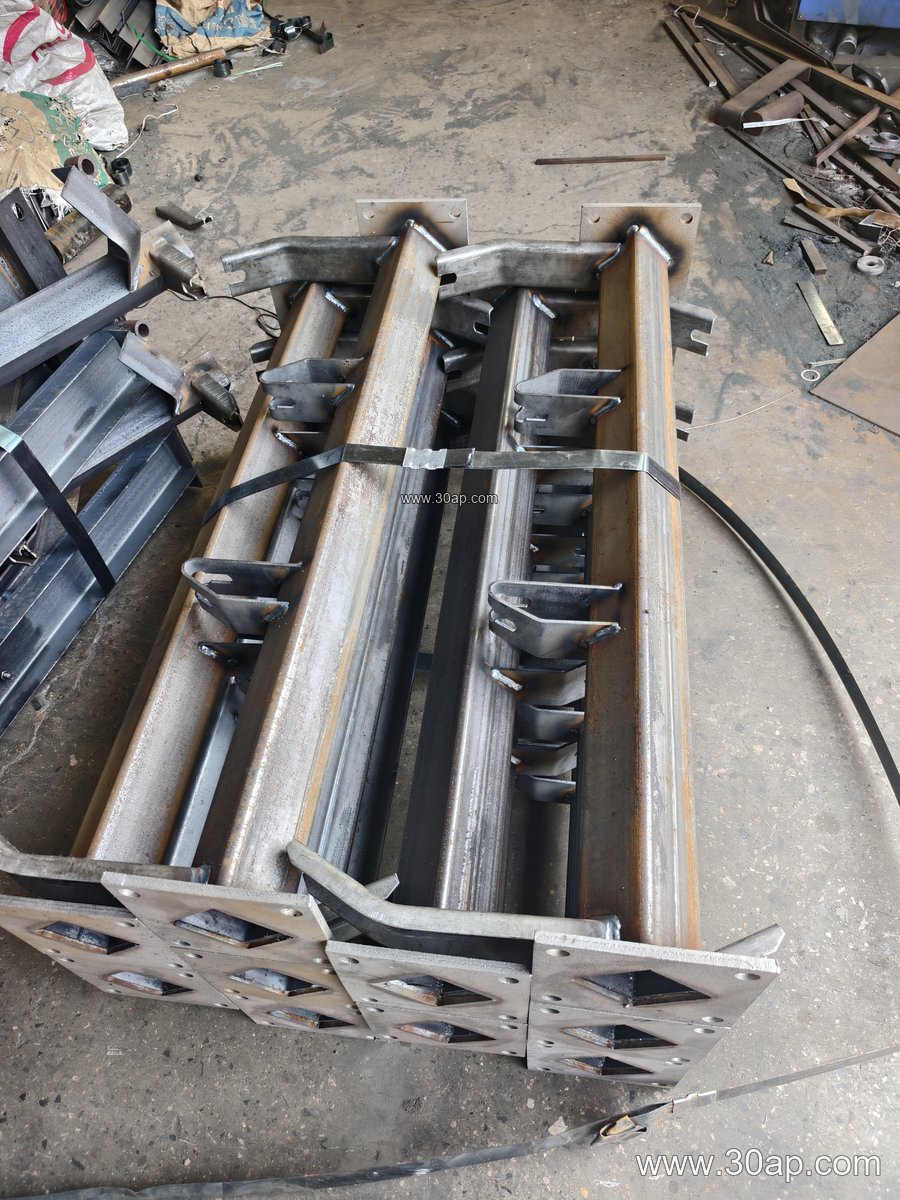
Construction and Common Forms
Most units are fabricated from angle steel, channel steel or folded steel plate, then drilled for roller shafts and bolted or welded to the conveyor stringer. A three-roller bracket is the usual arrangement for troughing stations, while two-roller and five-roller designs appear where belt width or material load requires a different support pattern.
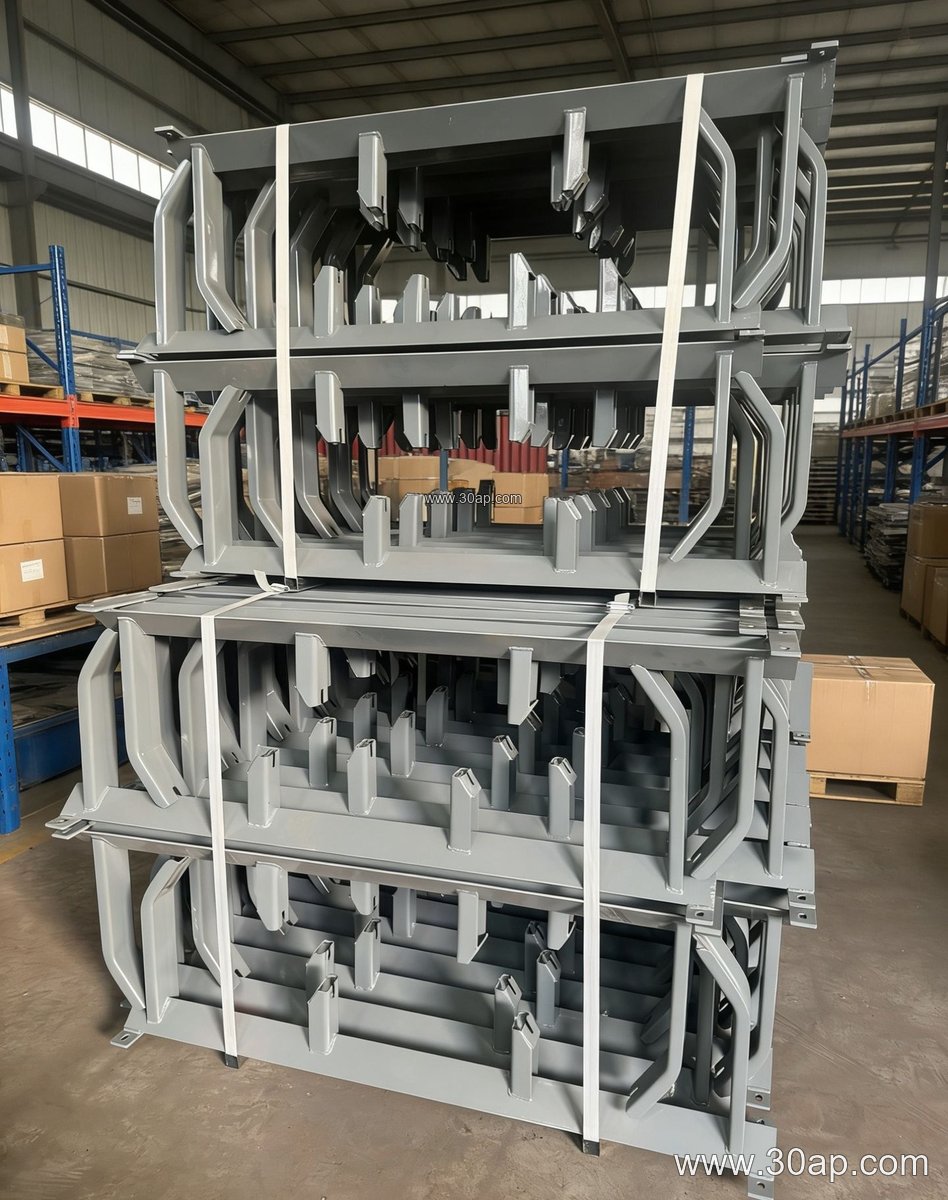
Typical reference data for bracket selection looks like this:
| Bandwidth (B) | Trough angle | Roller diameter |
|---|---|---|
| B500 | 20 degrees | Ø89 |
| B650 | 30 degrees | Ø89 |
| B800 | 35 degrees | Ø108 |
| B1000 | 35 degrees | Ø108 |
| B1200 | 45 degrees | Ø133 |
| B1400 | 45 degrees | Ø133 |
| B1600 | 35 degrees | Ø159 |
| B1800 | 45 degrees | Ø159 |
| B2000 | 45 degrees | Ø194 |
These are common pairings, not fixed rules. A given belt width can be matched with more than one trough angle or roller diameter depending on belt speed, lump size and loading conditions, and the mounting hole spacing and crossbeam length change with width and trough angle. Fixed and adjustable versions both exist. An adjustable bracket lets the maintenance team move between 20, 30, 35 and 45 degrees, which is useful during commissioning or when a transition section needs fine tuning.
Where Carrying Brackets Are Used
You will find them on the load side of nearly every bulk handling line. In an iron ore or limestone mine they sit under the primary haulage belt; in a power plant coal yard they support the belt that feeds the bunkers; in an aggregate crushing and screening line they appear from the crusher discharge through to the stockpile conveyor. Port ship loaders, fertilizer plants and grain silos use the same principle, with brackets sized to the belt and the duty.
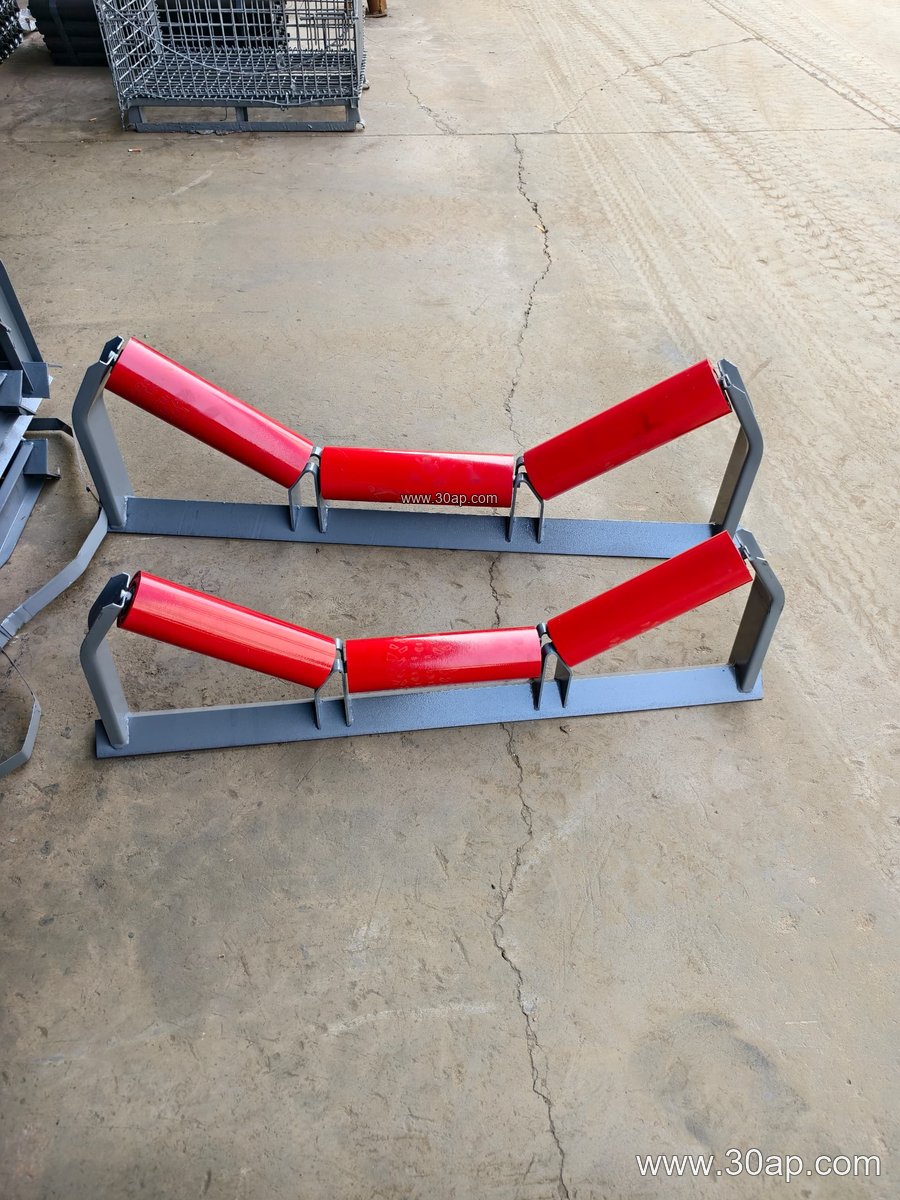
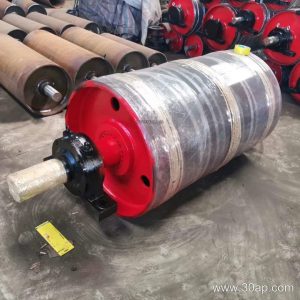
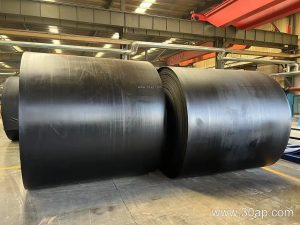
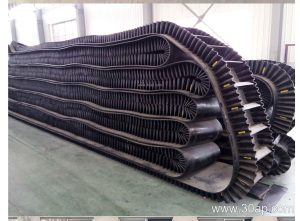
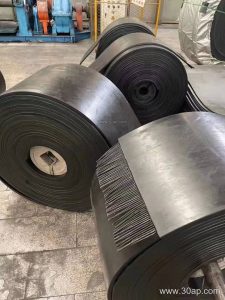
The surrounding equipment matters too. The carrying bracket works with the conveyor pulley at the head and tail, the return idlers below, and the belt itself. A heavy-duty mining conveyor belt or a steel cord conveyor belt carrying coarse rock puts more load on the bracket than a light fabric core belt moving sand, so the frame gauge and roller diameter should follow the actual duty rather than a generic rule.
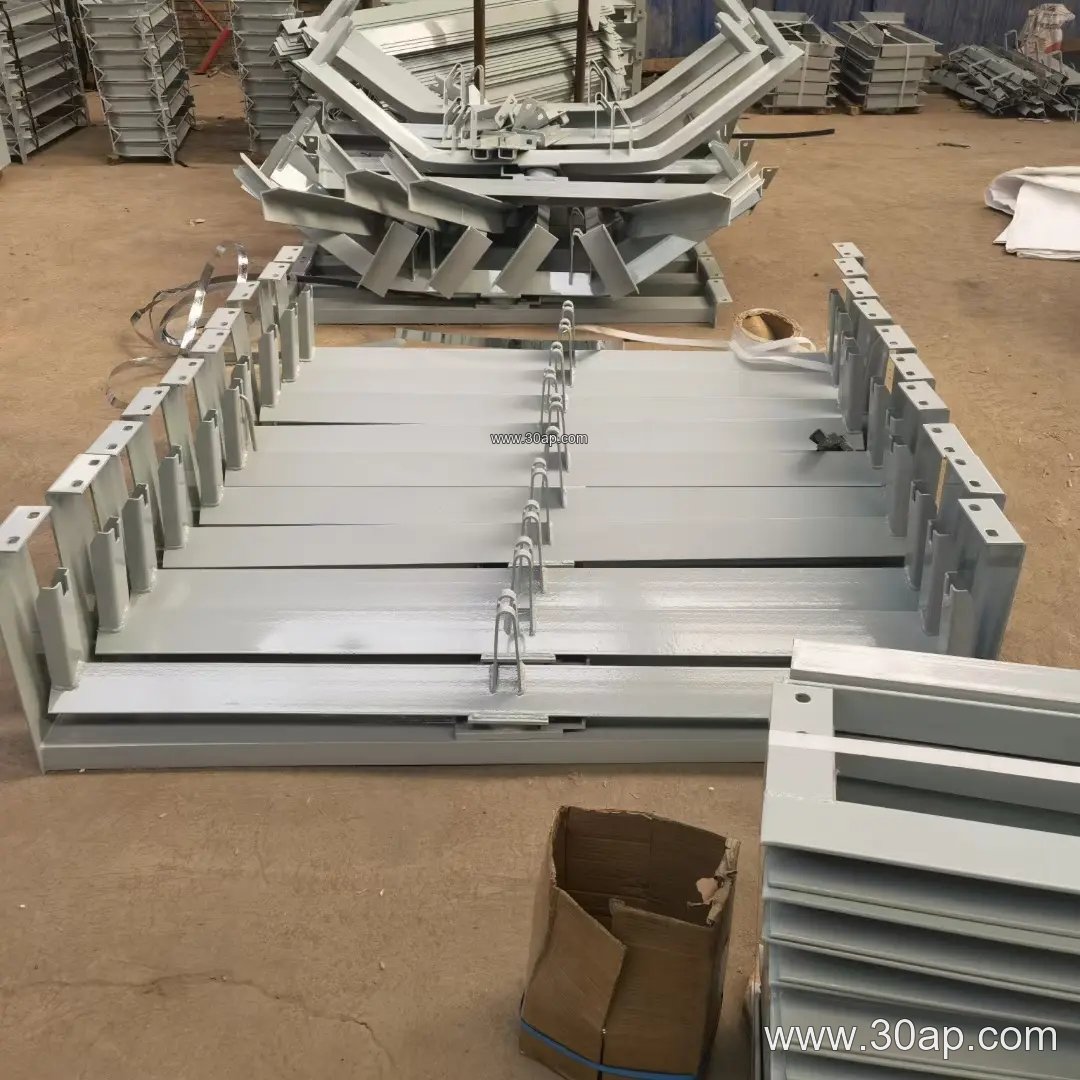
Matching the Bracket to Rollers and Belts
Roller diameter and bracket height are linked. A Ø108 roller in a 35 degree frame on a B800 belt behaves differently from a Ø133 roller in a 45 degree frame on a B1200 belt, and the bracket must be drilled for the correct shaft. Trough angle also affects belt training: a 30 degree trough holds a moderate load well, while a 45 degree trough contains a deeper material bed on wide belts. Transition brackets near the head and tail pulleys are set to progressively flatten the trough, and these should be ordered as a separate item rather than forced into a standard carrying frame.
Impact zones below a crusher discharge usually call for impact idler brackets with resilient rollers, and self-aligning or forward-tilted brackets may be added where the belt tends to wander. None of these replace the standard carrying bracket along the main run; they supplement it at specific points.
Buyer Checklist
- Confirm belt width, trough angle and roller diameter together, not one at a time.
- State whether the frame is fixed or adjustable, and whether mounting hole spacing must match existing stringers.
- Check material and finish against the site environment, including dust, moisture and temperature.
- Ask for the roller shaft size and the bracket’s rated load so the frame matches the conveyor belt and the idler roller set.
- Order transition and impact frames separately from standard carrying brackets.
For projects in mining, cement, steel or port handling, a correctly specified conveyor carrying bracket keeps the trough shape consistent, reduces belt edge wear and helps the rollers run true over years of service.