What a Custom Conveyor Pulley Really Is
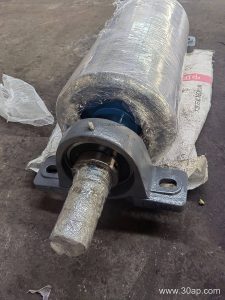
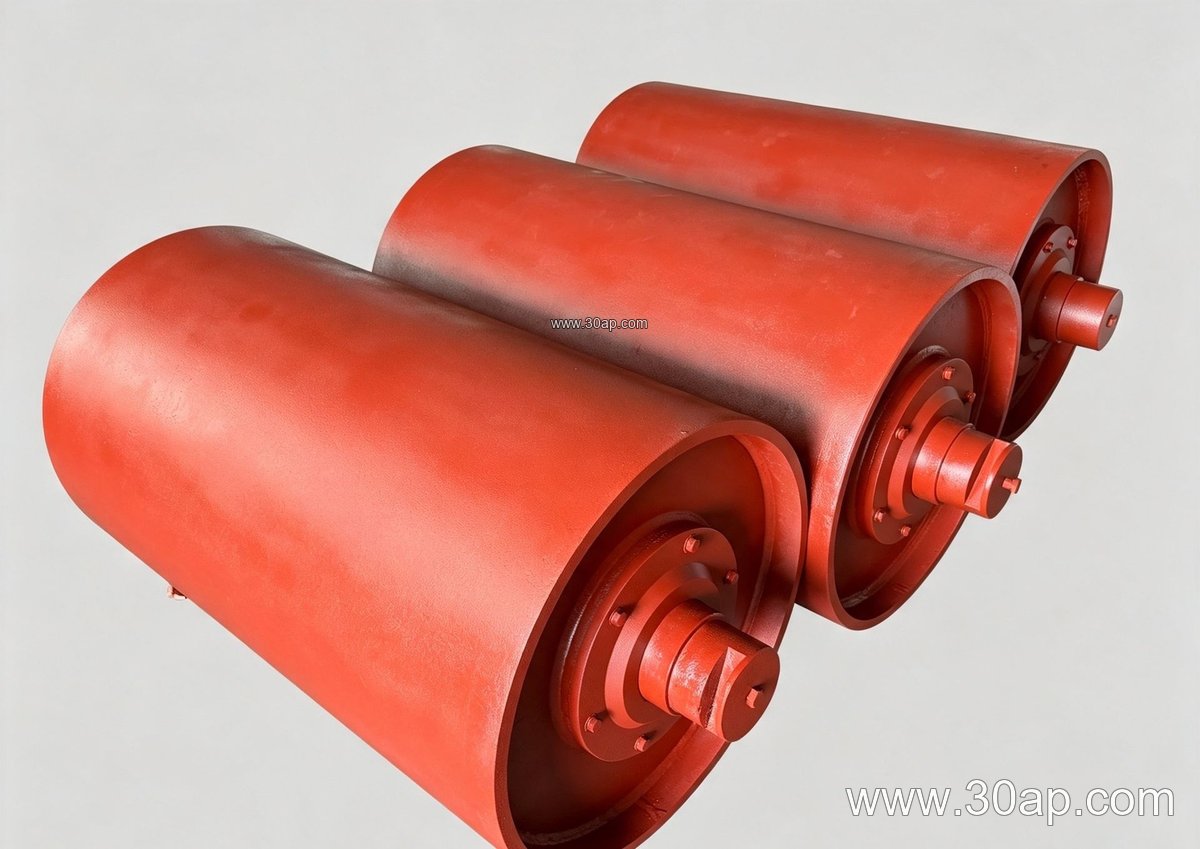
A custom conveyor pulley is a drum built to the geometry, load case and surface condition of a specific conveyor, rather than pulled from a standard catalogue. It is the same product as a made-to-order conveyor drum, and the term usually covers the complete assembly: shell, shaft, hubs, end discs, bearing housings and the lagging applied to the face. In a quarry or a cement plant, the pulley is often the part that decides whether a belt tracks cleanly at 800 t/h or walks off the structure within a shift.
Because the drum is matched to the duty, the buyer can specify shell diameter, face width, shaft diameter, bearing type and surface finish together. That flexibility matters most where a conveyor has been upgraded, where a transfer point has been rebuilt, or where a stock unit simply will not fit between the stringers.
How the Assembly Is Built
The shell is normally rolled from steel plate and machined at the ends to accept welded or bolted end discs. The shaft is sized from torque and bending load, not from belt width, so a B800 conveyor may use a Ø80 shaft in one layout and a Ø100 shaft in another depending on wrap angle and tension. Common shaft sizes include Ø50, Ø60, Ø70, Ø80, Ø90, Ø100, Ø120, Ø140, Ø160, Ø180 and Ø200, each chosen by calculation.
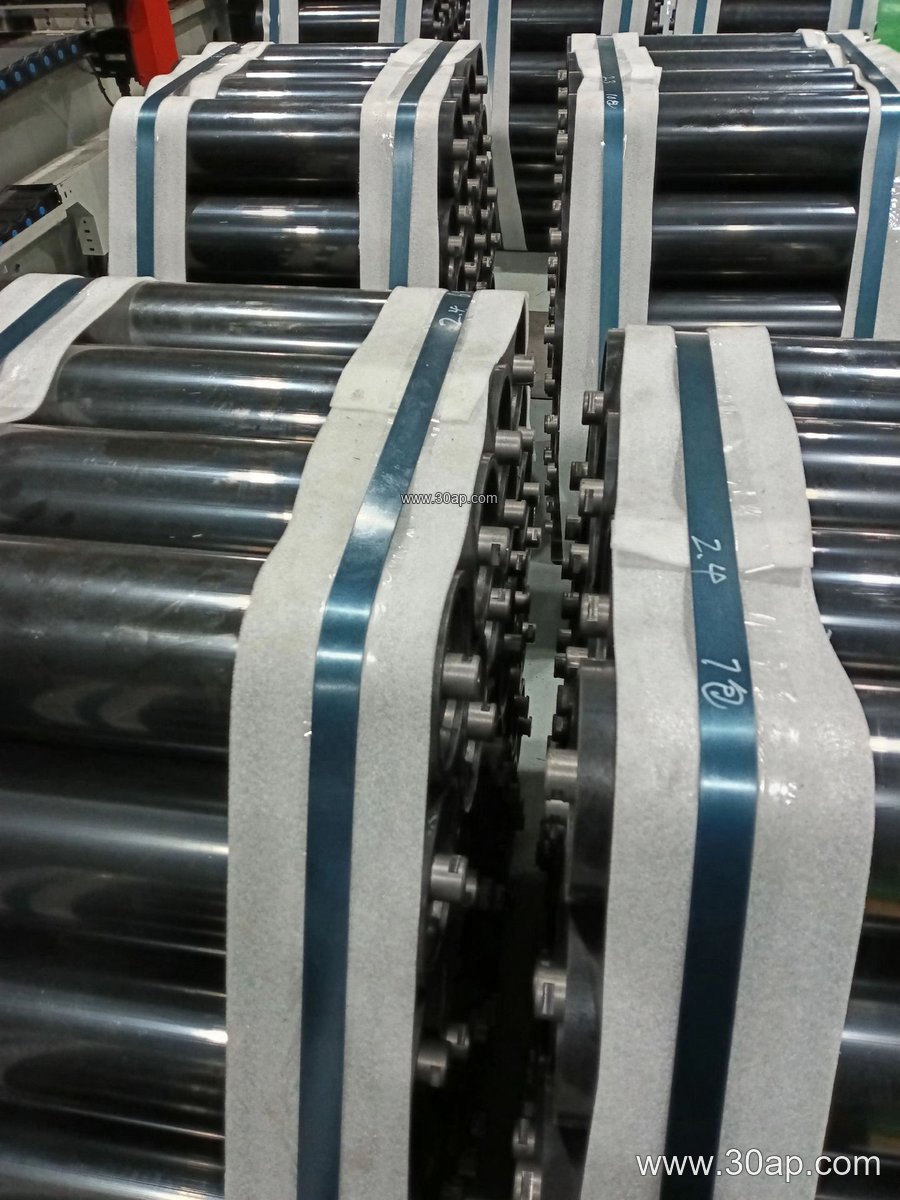
Bearing housings are usually split plummer blocks for easy removal, and the drum is balanced before lagging. Face width is kept slightly wider than the belt so the belt is supported across its full width; B650 typically needs about 750 mm of face, B1000 about 1150 mm, and B1400 about 1600 mm.
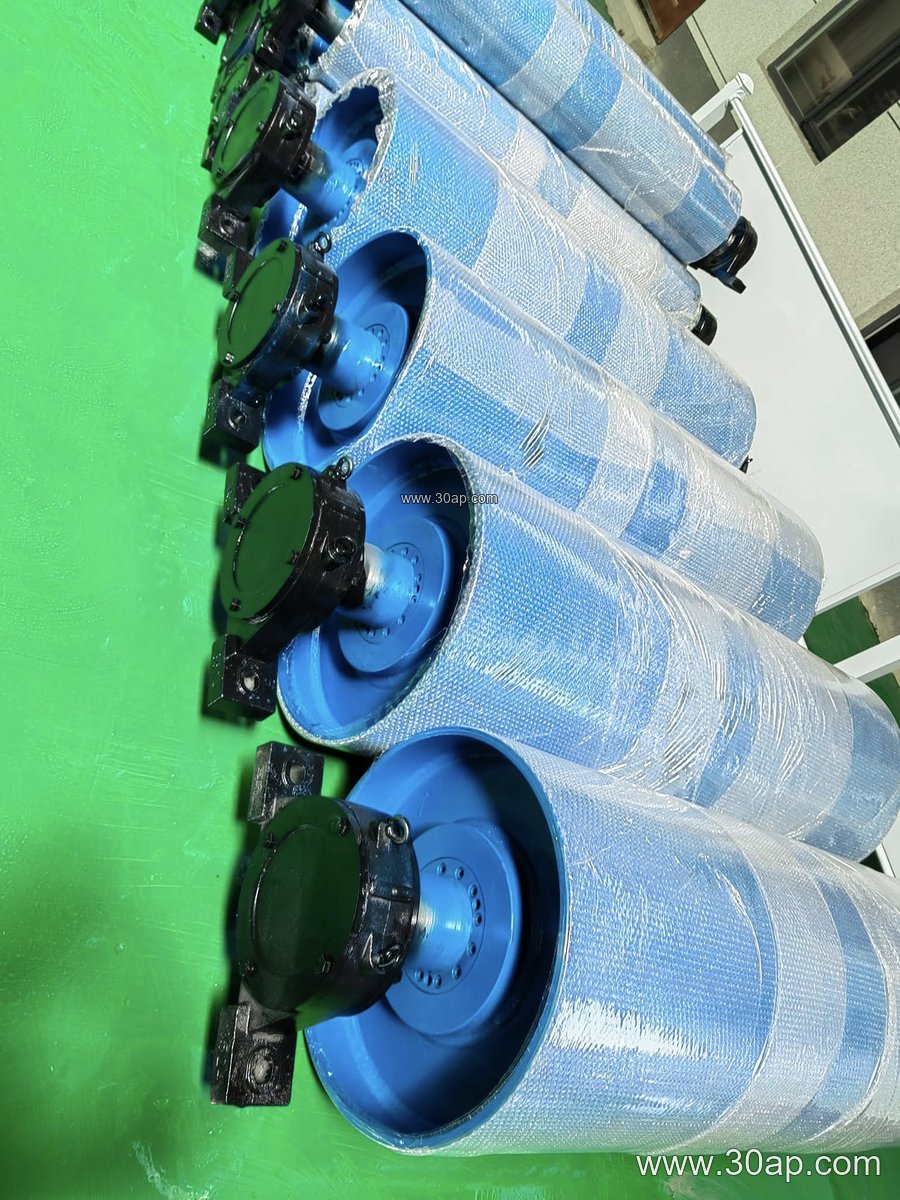
- Shell and end disc weld detail reviewed for fatigue at the hub
- Shaft keyed or shrink-fitted to the hubs
- Lagging bonded or vulcanised to the shell, with edges sealed
- Bearing selection matched to radial load and speed
Matching Diameter to Belt Width and Tension
There is no fixed rule that ties one belt width to one drum diameter. Diameter is driven by belt tension, wrap angle, lagging grip and the allowable bending fatigue of the belt carcass. Typical references used in design include B800 x Ø500, B1200 x Ø1000 and B1400 x Ø800, but each is a starting point for calculation, not a supply promise.
Common diameters run from Ø200 and Ø250 on small short centres up to Ø1250, Ø1400, Ø1600 and Ø1800 on high-tension main lines. A steel cord conveyor belt needs a larger minimum pulley diameter than a fabric core belt of the same width, because the cord layer tolerates less bending. Where an EP conveyor belt or a multi-ply fabric core belt is used, a smaller drum is often acceptable.
Surface Forms and Where They Fit
Lagging choice follows the application. Plain finish suits light duty and cleaning-friendly service. Hot vulcanised rubber gives the most reliable bond for abrasive ore and aggregate. Diamond grooving sheds water and fines, while chevron lagging improves grip on wet incline belts. Ceramic tiles are used where slip and wear are both severe, and 8, 10, 12, 15 or 20 mm thicknesses are common.
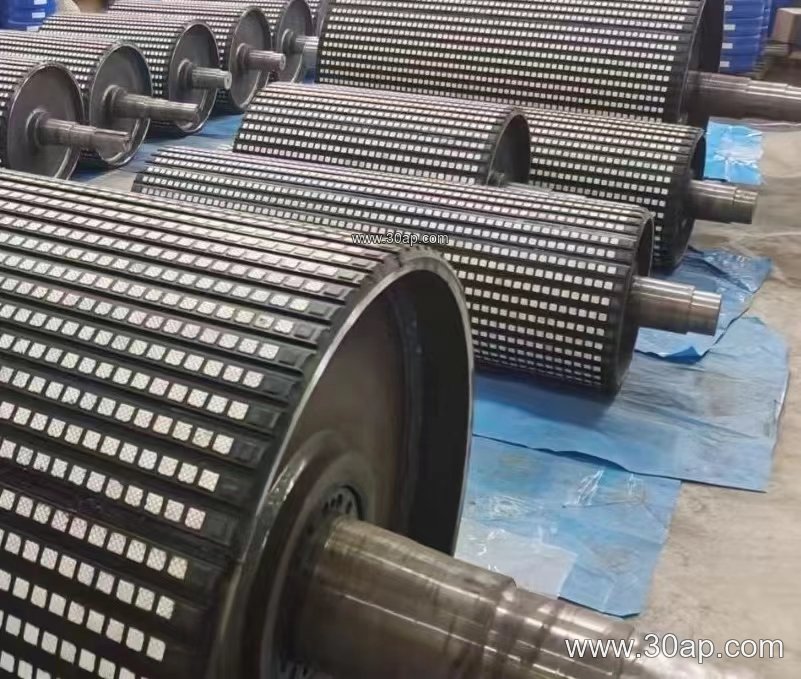
Tail and take-up positions benefit from slightly crowned or grooved lagging to help training, while a drive pulley needs consistent friction across the arc of contact. A bend pulley in a long overland route may run plain to reduce build-up.
Where These Drums Are Used
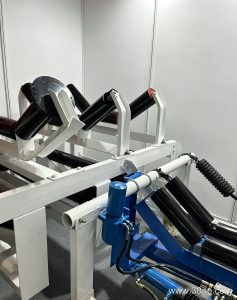
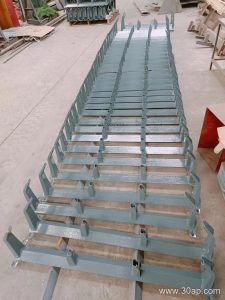
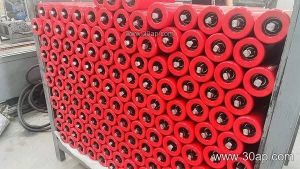
In a limestone quarry, the head pulley on a primary discharge conveyor works with a heavy-duty mining conveyor belt carrying run-of-mine rock. In a cement plant, drums handle clinker and raw meal on belts that may be heat resistant conveyor belt grades, and the pulley lagging must tolerate both abrasion and temperature. Similar assemblies appear in coal preparation plants, iron ore terminals and aggregate washing lines, usually alongside conveyor idler roller sets and fabricated conveyor bracket frames.
What a Buyer Should Confirm Before Ordering
Provide the belt width, belt type, belt speed, wrap angle and the maximum operating tension. State the mounting position and whether the drum is a drive, tail, take-up or bend unit, since these are different duties and are not interchangeable. Confirm shaft diameter from the torque calculation, and specify bearing type, lagging pattern and thickness.
Ask for the balancing grade, the lagging adhesion method and the inspection record of the weld. A drum that is correct on paper but poorly balanced will shorten bearing life on any conveyor.
Maintenance Notes
Check lagging wear at the edges first, since belt mistracking concentrates load there. Re-torque bearing housing bolts after the first weeks of running, and monitor shell temperature for signs of bearing distress. Keep the belt cleaner working, because carryback fines packed onto a pulley face change its effective diameter and cause tracking faults.
For replacement planning, record the drum tag number, face width, diameter and lagging thickness so a future custom conveyor pulley can be built to the same interface without re-measuring the whole conveyor.