What a Conveyor Equipment Idler Does on the Line
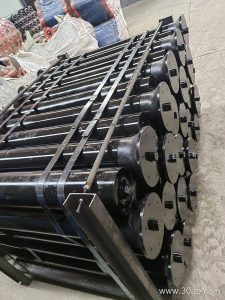
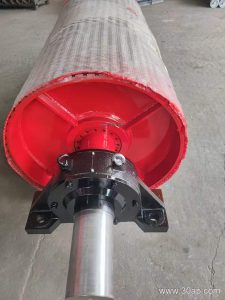
A conveyor equipment idler is the rotating support that carries the conveyor belt and the material load along the structure. In practice, most operators call it an idler roller or simply a roller, and it sits between the head and tail of the machine while the conveyor pulley at each end drives and returns the belt. The idler does not pull the belt; it reduces friction, holds the belt in a stable trough shape, and keeps material from spilling on the carrying side. On the return side, a flat or V-shaped roller set supports the empty belt so it does not sag between frames.
Because a typical bulk handling line may use hundreds of these units, small differences in bearing quality, sealing, and shell roundness add up quickly in power draw and maintenance hours. That is why buyers in a quarry, a cement plant, or a power plant coal yard often treat the idler as a wear part with a defined service life rather than a one-time purchase.
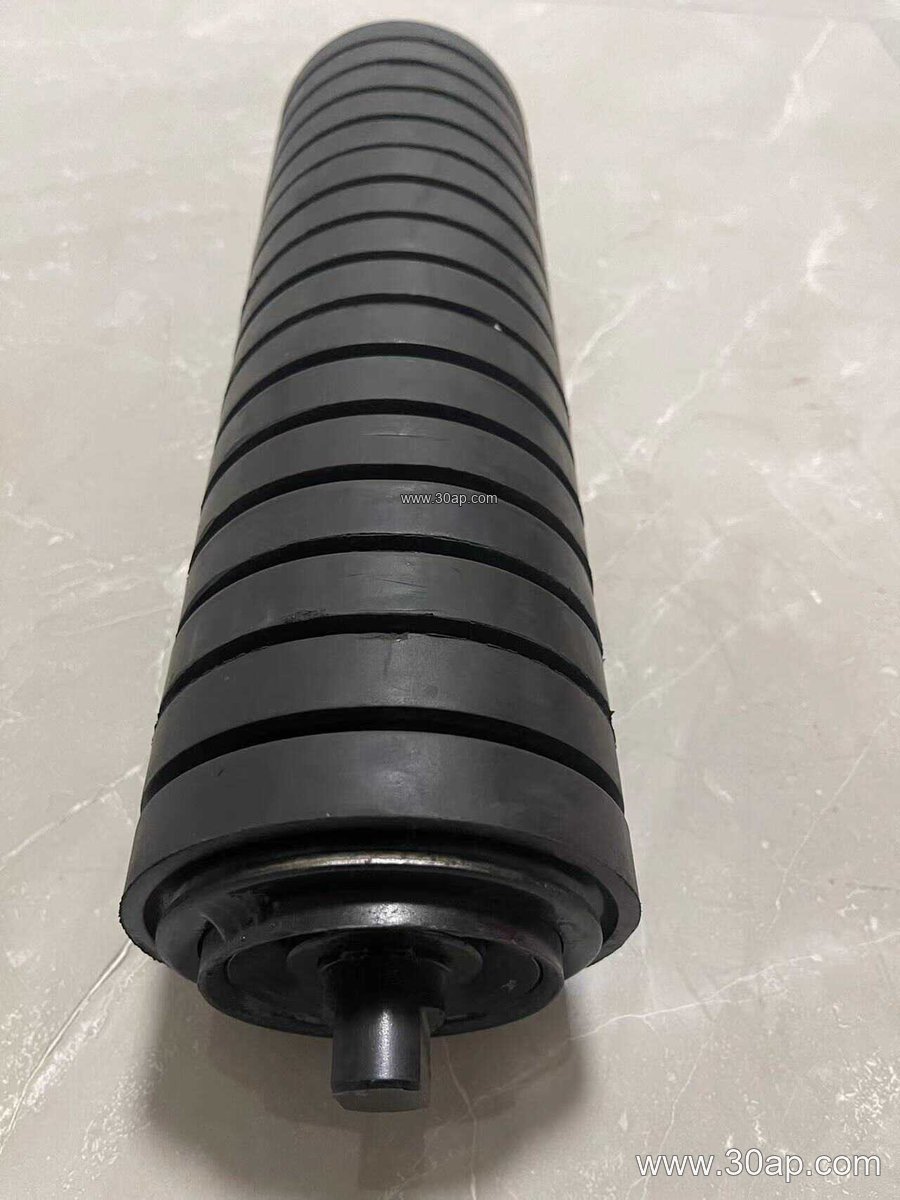
How an Idler Roller Is Built
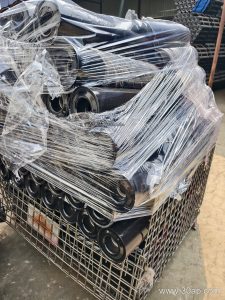
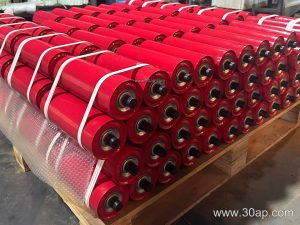
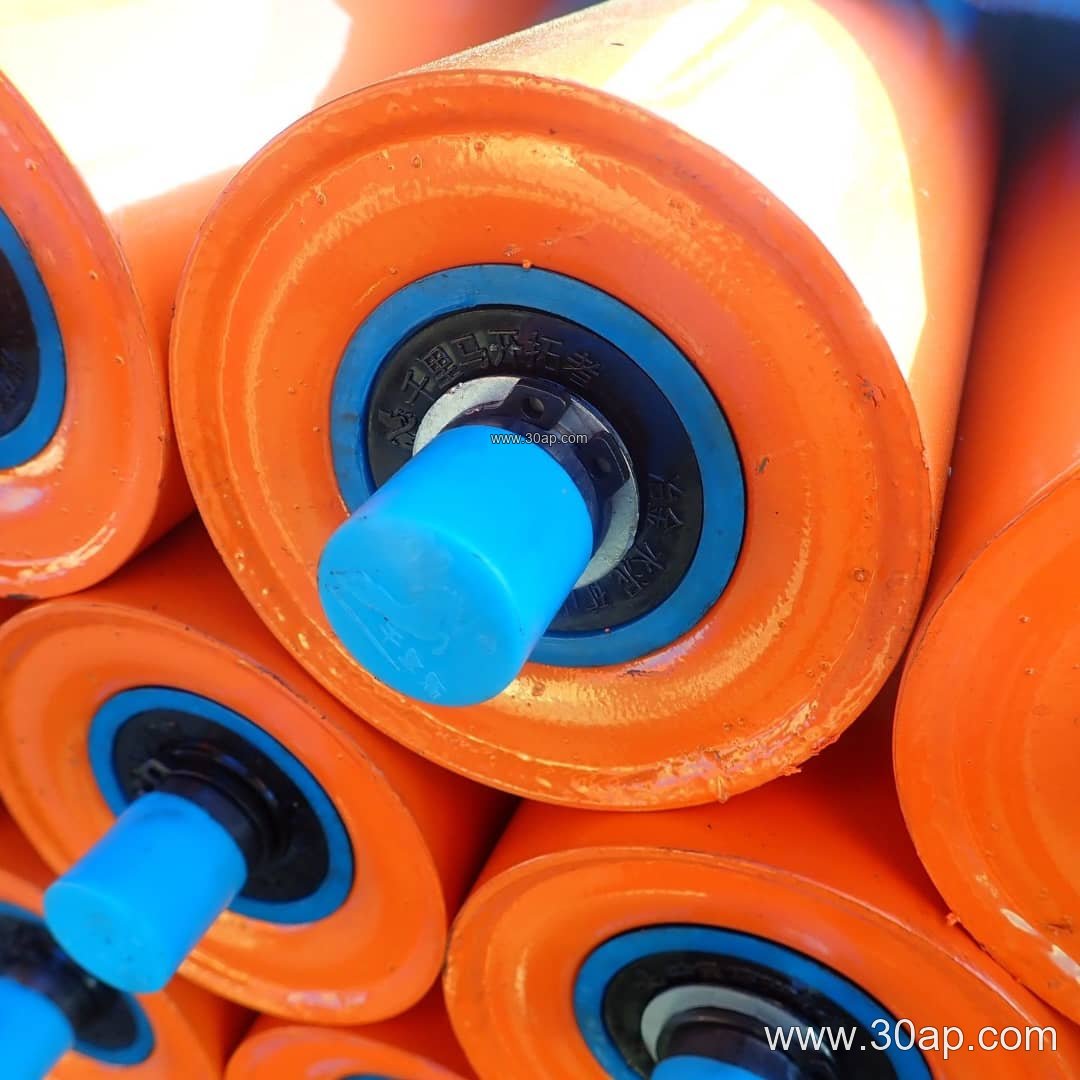
The basic assembly is simple but the details matter. A steel tube shell rotates on a shaft through two bearing housings, and each housing carries a bearing, a seal, and a lubricant cavity. Common bearing numbers include 6204, 6205, 6305, 6306, 6308, and 6310, and the correct bearing depends on load, speed, and roller diameter rather than belt width alone. Shell surfaces may be plain steel, nylon, ceramic, or fitted with rubber rings for impact absorption.
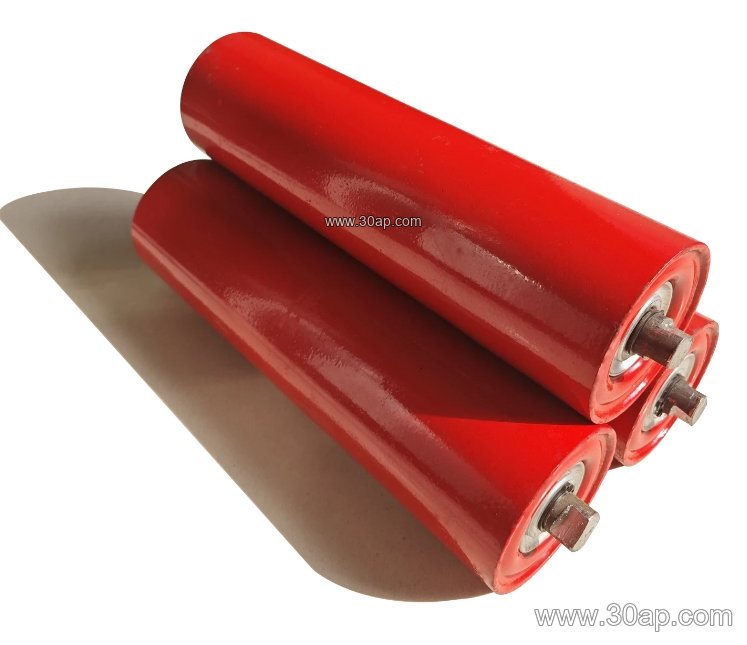
- Shell and shaft: welded tube with machined shaft ends for a true running surface.
- Bearing housing: stamped or cast, with labyrinth or contact seals to keep out dust and water.
- Seal and grease: the first line of defense in dusty crushing and screening circuits.
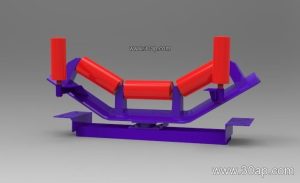
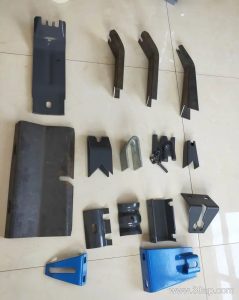
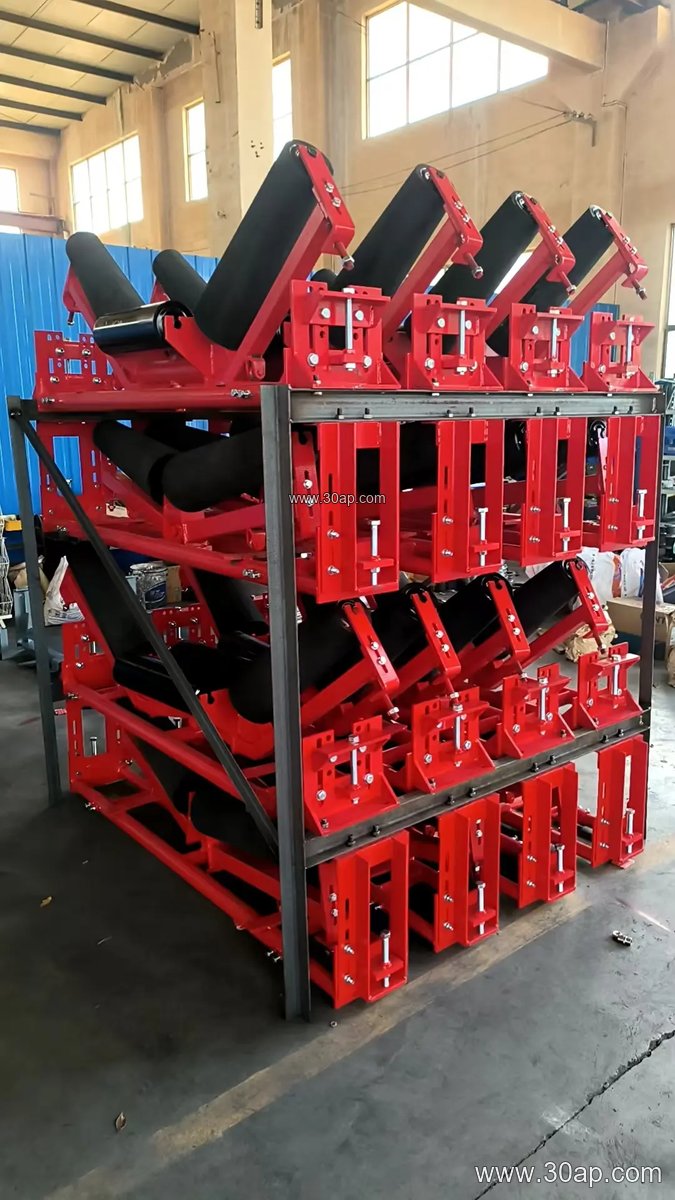
- Frame connection: the roller drops into a conveyor bracket or frame notch, so hook and flat designs must match the structure.
Roller diameters commonly range from about Ø63 mm up to Ø219 mm, and belt widths from B400 to B2400 appear across aggregate, mining, and port installations. These are reference ranges, not fixed combinations; the final match is set by the conveyor designer.
Trough, Impact, and Return Positions
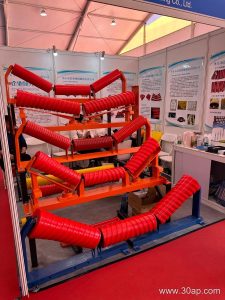
On the carrying side, three-roll trough sets with a 20, 30, 35, or 45 degree trough angle are the standard way to shape the belt and hold a bulk material load. A single-roll or two-roll arrangement may suit narrower belts or special duty. Where material drops from a crusher or a chute, impact idlers with rubber rings absorb the shock that would otherwise damage the belt cover and the roller bearings. On the return run, flat rollers or V-type return sets keep the belt aligned and reduce trapped material.
Self-aligning types, including friction and cone designs, correct minor belt wander. Training idlers are not a substitute for proper pulley alignment, but they help on long overland sections. Spiral or disc rollers are sometimes chosen where sticky material builds up on the return belt. Elsewhere, an abrasion resistant conveyor belt may be paired with smooth steel rollers, while a heat resistant conveyor belt in a clinker or sinter line needs attention to bearing temperature and grease choice.
Where These Units Are Used
You will find idler sets in almost every bulk material circuit. In a limestone quarry or aggregate line, they carry crushed rock from the crusher to the screening deck. In a coal handling plant at a power station, flame retardant and anti-static belt grades are common, and the rollers must tolerate coal dust and wash-down. Cement plants use them on clinker and raw meal routes, while iron ore and copper ore operations demand heavy-duty frames and thick shells for high tonnage. Port ship loaders and stockyard conveyors rely on long idler strings to keep the belt tracking over hundreds of meters.
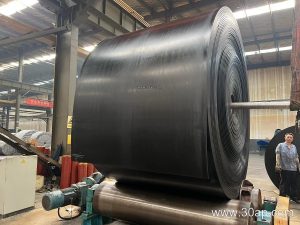
Selection should always start from the conveyor belt specification, the material, the belt speed, and the ambient conditions. A steel cord conveyor belt for a long overland run and a multi-ply fabric core belt on a short transfer may need different roller spacing and different bearing protection. Matching an EP conveyor belt or an NN conveyor belt to the right idler set is part of the same design decision, not a separate one.
Buyer Checklist Before Ordering
Ask for the roller diameter, shell thickness, bearing number, seal type, and the frame or bracket drawing. Confirm the trough angle and the roll length for your belt width, and state whether the position is carrying, impact, or return. For dusty or wet sites, specify the sealing arrangement rather than accepting a general description. For high-temperature zones, confirm the lubricant and clearance. Finally, request a sample or a dimensional drawing so the roller fits the existing conveyor bracket without field modification.
Good idler practice is unglamorous: correct spacing, free rotation, and clean seals. Done well, it protects the belt, lowers energy use, and keeps the line running through the next shift.