What a Steel Plant Conveyor Belt Has to Handle
A steel plant conveyor belt operates in one of the toughest material handling environments imaginable. From raw ore and coke to sinter, pellets, slag, and finished products, the belt must withstand heat, abrasion, impact, and often oil or chemical exposure. Unlike a general-purpose conveyor belt used in a warehouse or a sand and gravel yard, the steel plant conveyor belt is typically a heavy-duty, high-performance component engineered for continuous operation under extreme conditions. This article explains how these belts are built, where they are used, and what buyers should consider when specifying one.
Construction and Material Options
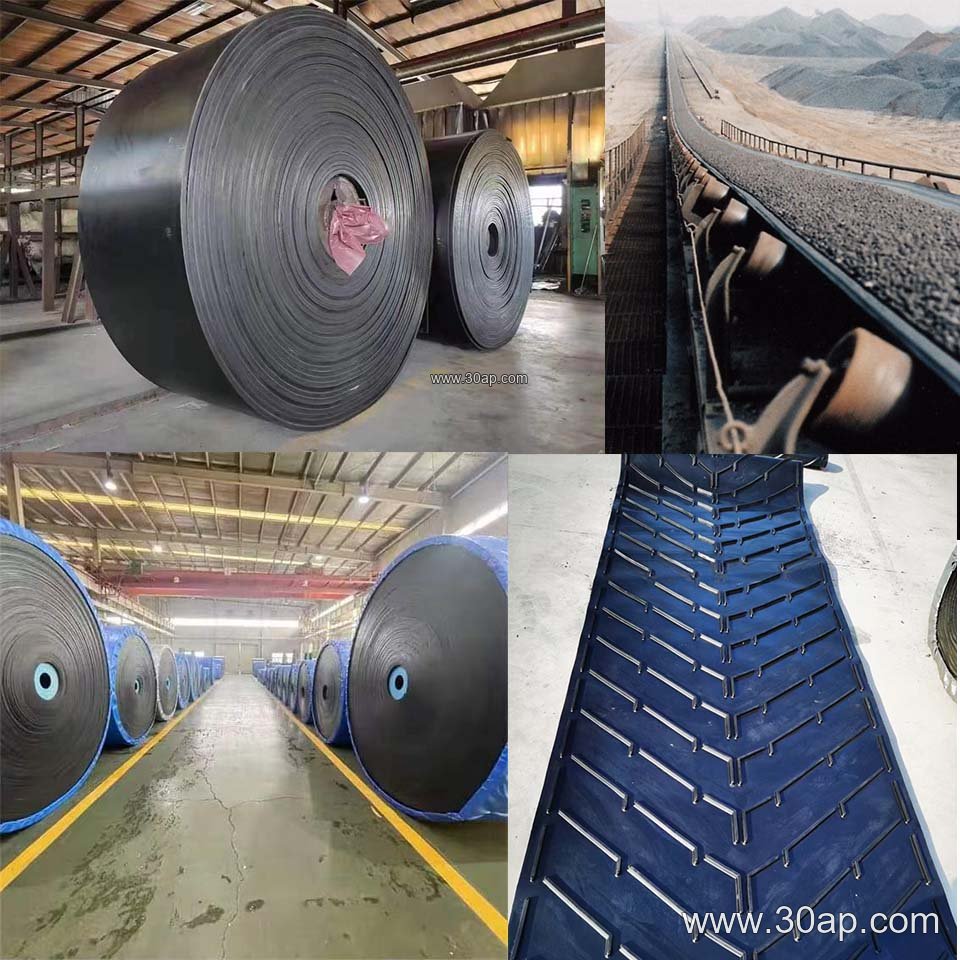
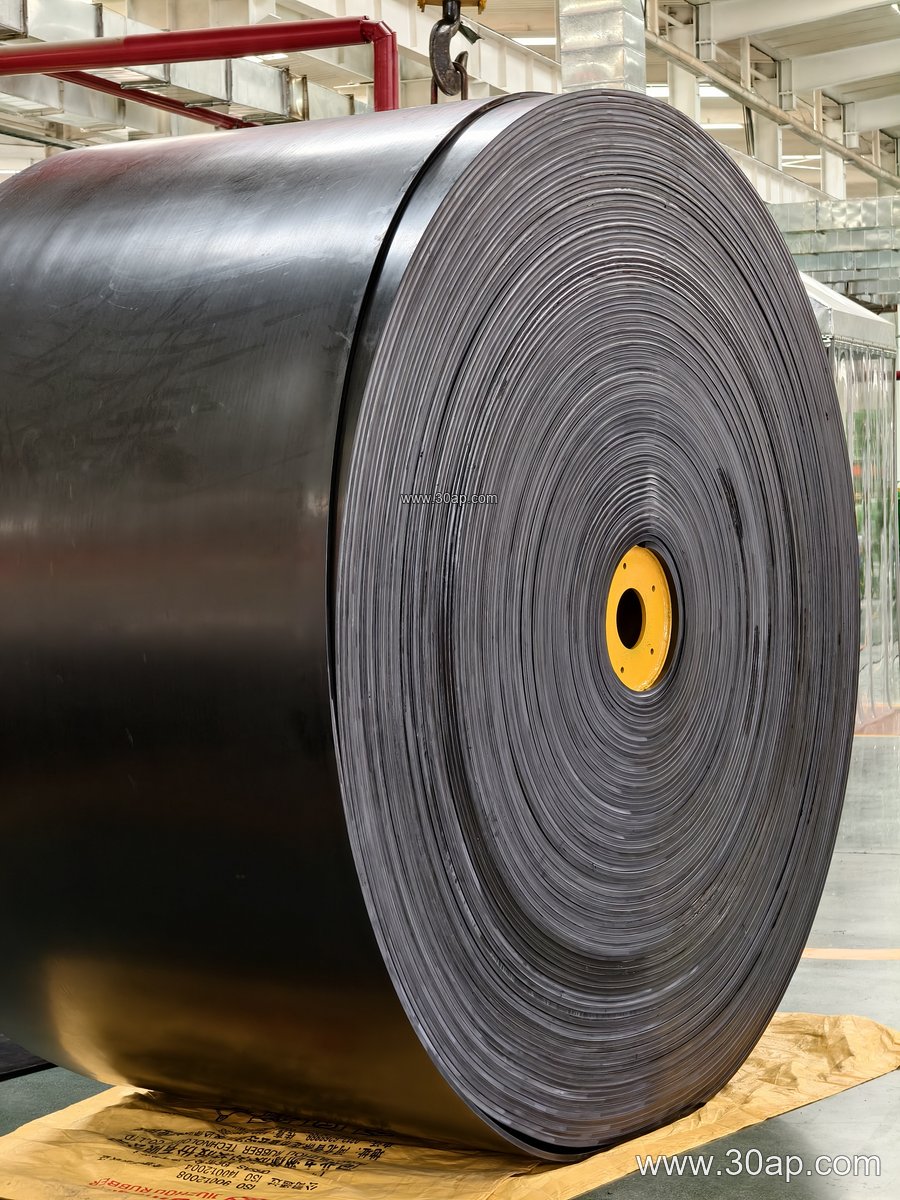
The core structure of a steel plant conveyor belt usually consists of a fabric core or a steel cord core, covered with rubber compounds selected for the specific duty. Common constructions include:
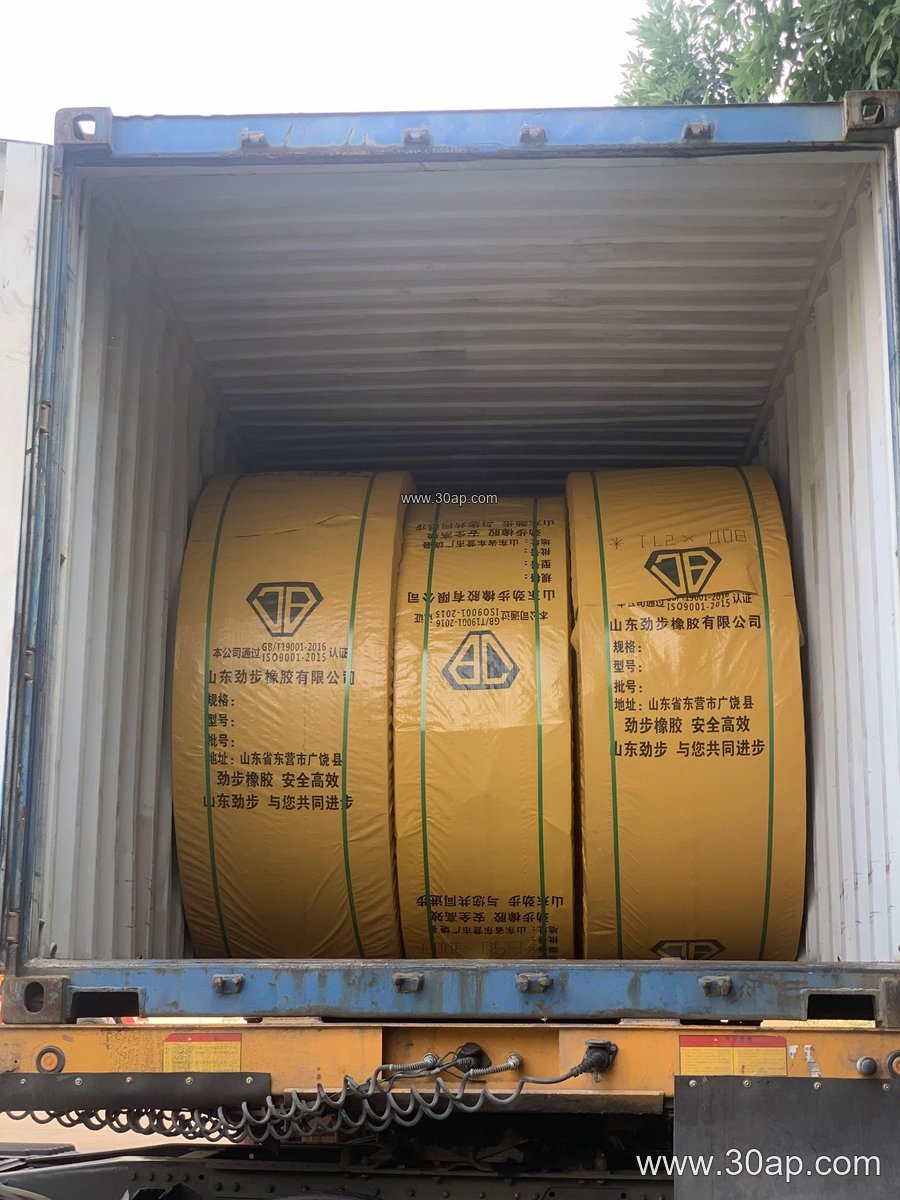
- EP conveyor belt – polyester fabric core, offering low elongation and good tensile strength. Typical grades include EP200, EP315, EP400, EP500, EP630, EP800, EP1000, EP1250, EP1600, and EP2000.
- NN conveyor belt – nylon fabric core, known for high elasticity and impact resistance, often used in absorbing shock loads from crushers or transfer points.
- Steel cord conveyor belt – used for very long distances and high tension, with strength grades such as ST1000, ST1250, ST1600, ST2000, ST2500, and ST3150.
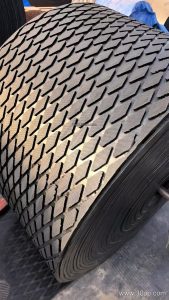
For steel plant applications, cover compounds are frequently heat resistant, abrasion resistant, or oil resistant. A heat resistant conveyor belt protects the carcass from hot sinter or coke, while an abrasion resistant conveyor belt extends service life in handling iron ore, limestone, or slag. Flame retardant and anti-static properties are often required in coal handling or underground sections.
Typical Belt Specifications
The following table shows common reference data for steel plant conveyor belts. Actual values depend on the specific design, manufacturer, and application.
| Parameter | Common Range / Examples |
|---|---|
| Belt width | B500, B650, B800, B1000, B1200, B1400, B1600, B1800, B2000 |
| Fabric core strength (EP) | EP200, EP315, EP400, EP500, EP630, EP800, EP1000, EP1250, EP1600, EP2000 |
| Steel cord strength (ST) | ST1000, ST1250, ST1600, ST2000, ST2500, ST3150 |
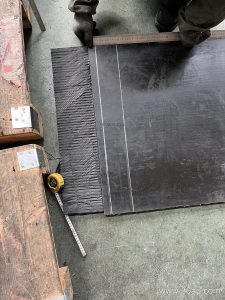
| Cover thickness (top + bottom) | 3+1.5 mm, 4+2 mm, 5+2 mm, 6+2 mm, 8+3 mm |
| Number of fabric plies | 2 to 6 |
| Special features | Heat resistant, abrasion resistant, oil resistant, flame retardant, anti-static, cold resistant |
For example, a steel plant conveyor belt handling hot sinter might use an EP1000/3 with 6+2 mm heat resistant cover, while a high-tension overland conveyor may require an ST1600 steel cord belt. The belt width should be matched to the conveyor pulley and idler roller dimensions, but no single width is tied to one pulley diameter.
Where It Is Used in Steel Plants
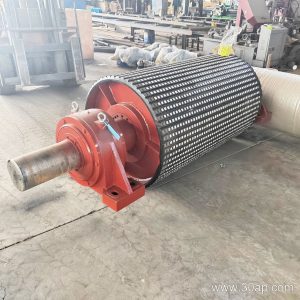
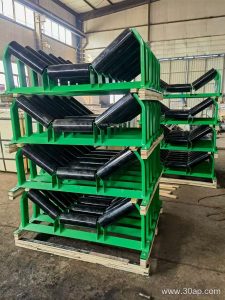
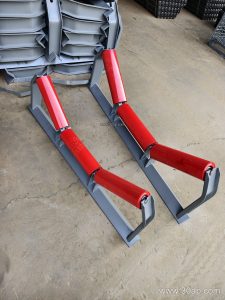
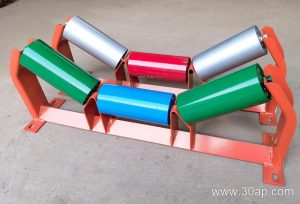
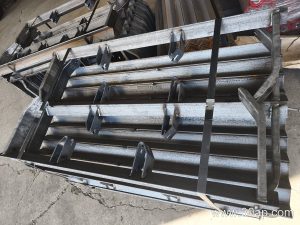
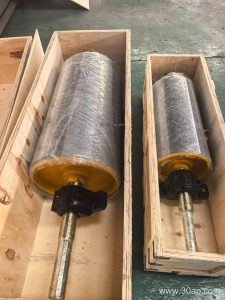
Steel plant conveyor belts are found throughout the production flow. They transport iron ore and pellets from stockyards to blast furnaces, coke from ovens to sinter plants, limestone and dolomite to kilns, and slag to processing areas. In electric arc furnace shops, heat resistant belts handle hot briquettes. In rolling mills, oil resistant belts may carry scale and oily scrap. The belts work alongside conveyor pulleys, idler rollers, and conveyor brackets that support the entire system.
Beyond steel plants, similar heavy-duty belts serve in mining, coal mining, cement plants, power plants, and quarry operations. For instance, a mining conveyor belt or coal mining conveyor belt often shares the same flame retardant and abrasion resistant requirements. However, the steel plant conveyor belt is specifically selected for its ability to tolerate elevated temperatures and sharp, heavy materials.
Buyer Checklist
When purchasing a steel plant conveyor belt, consider these points:
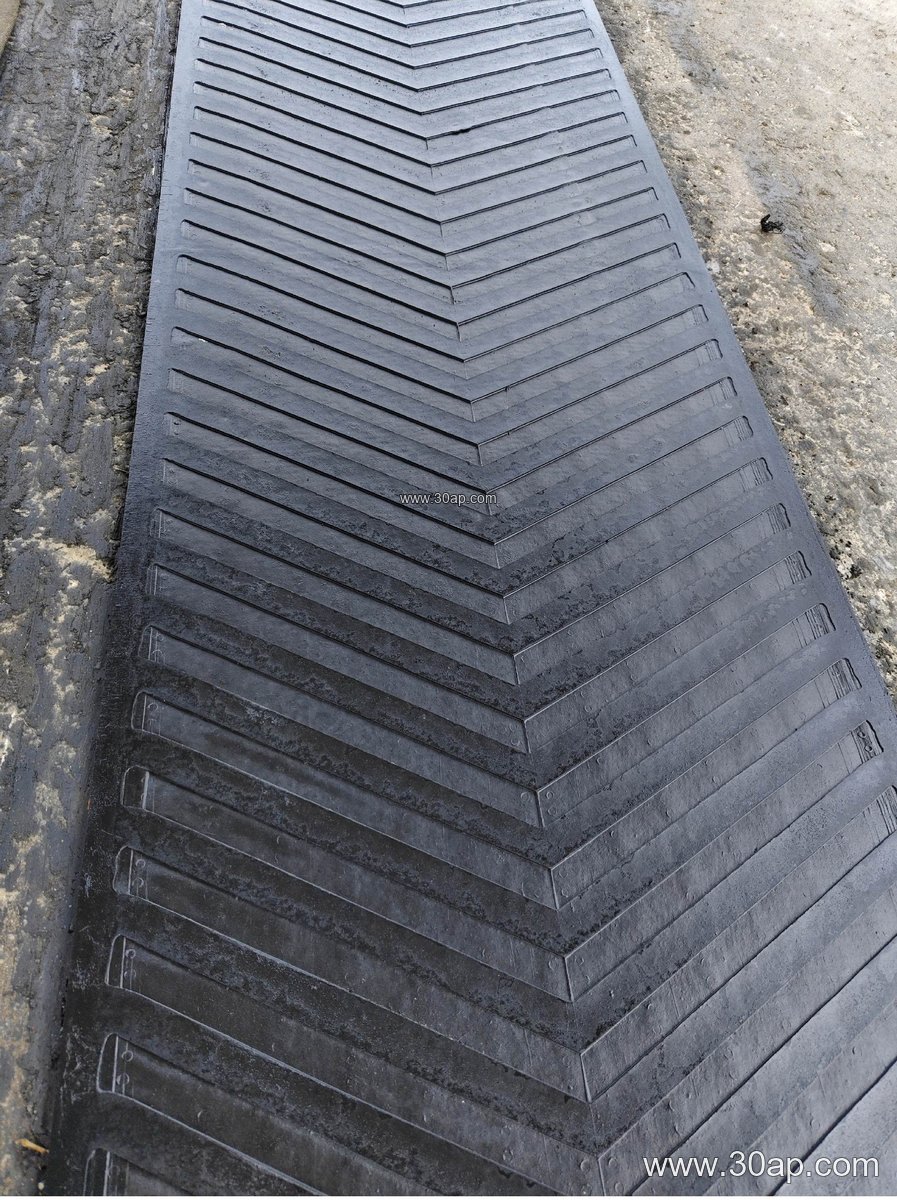
- Material to be conveyed: hot, abrasive, oily, or chemical? This determines the cover compound (heat resistant, abrasion resistant, oil resistant, etc.).
- Belt tension and distance: short transfers may use EP or NN fabric belts; long overland conveyors often need steel cord.
- Impact and loading: crusher discharge points favor NN or high-impact EP constructions.
- Safety requirements: flame retardant and anti-static belts for coal or dusty areas.
- Environmental conditions: cold resistant belts for winter operation, or acid resistant for pickling lines.
- Compatibility: ensure belt width, thickness, and splice method match the conveyor pulleys and idler rollers.
Always request the manufacturer’s data sheet for the specific belt grade and confirm that the cover thickness and carcass strength suit your service conditions. A well-specified steel plant conveyor belt reduces downtime and maintains efficient material flow in the harshest industrial settings.