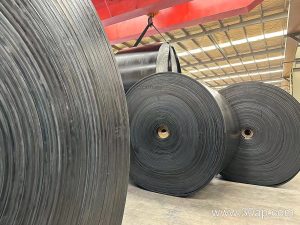
What a Custom Idler Really Means
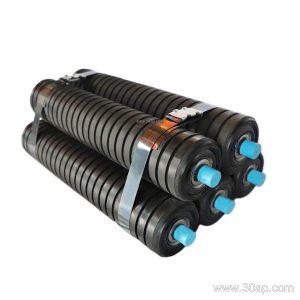
A custom idler is a conveyor idler roller built to match a specific belt width, trough angle, load profile, and mounting arrangement rather than being pulled from a standard catalogue. In practice, the term usually refers to a tailored idler roller assembly, often a three-roll troughing set, that fits the exact geometry of a conveyor belt line. Buyers in quarry, limestone, iron ore, and coal washing plants ask for this kind of idler when standard units cause belt misalignment, edge wear, or poor material containment. The same idea applies when a conveyor bracket or conveyor pulley interface leaves little room for adjustment, so the idler has to be made to suit the frame rather than the other way round.
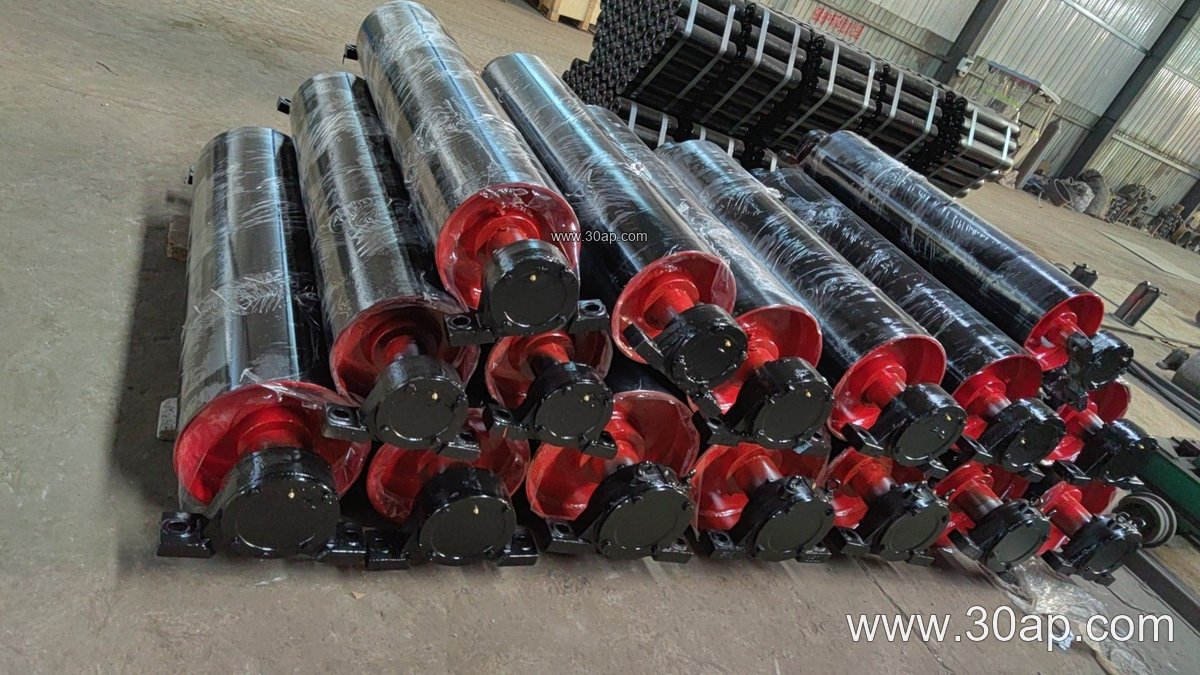
How a Custom Idler Is Built
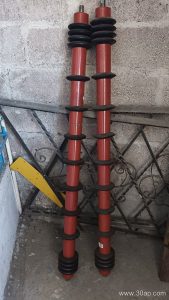
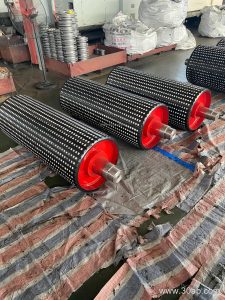
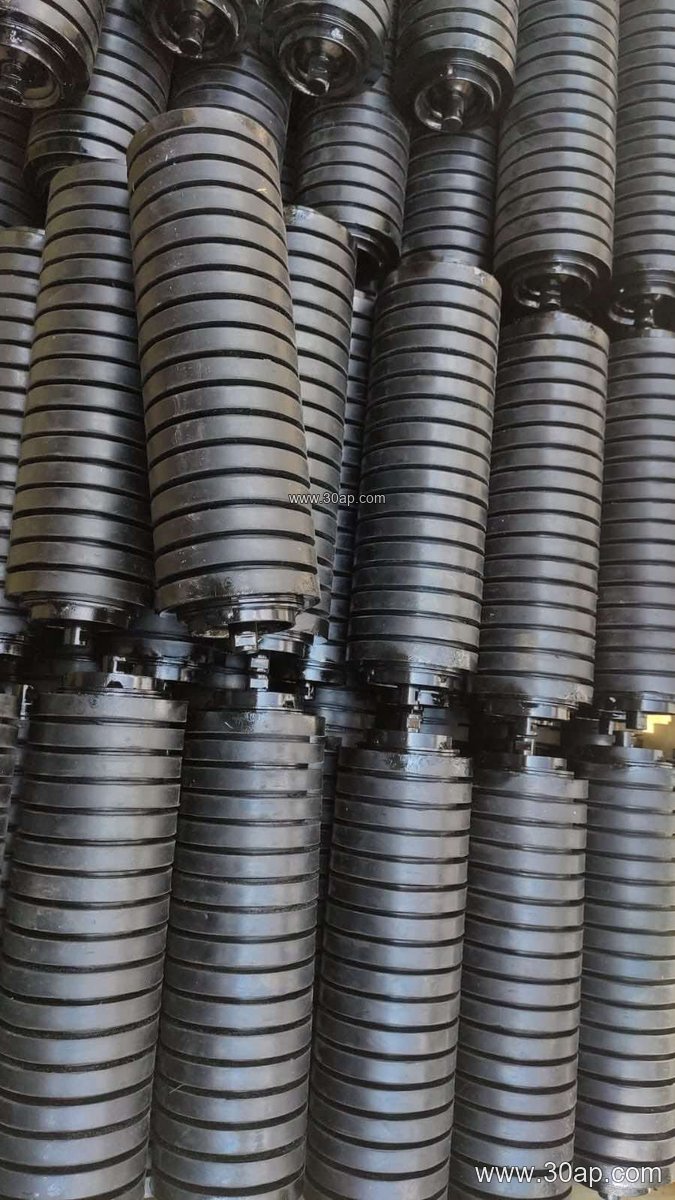
The core of the unit is a steel tube shell fitted with bearing housings, a shaft, and a sealing system. For abrasive duties such as a crusher conveyor belt or an ore conveyor belt, the shell may carry a rubber ring or ceramic lagging to protect the belt cover. Bearing selection follows the load and speed: common sizes include 6204, 6205, 6305, 6306, 6308, and 6310, but no single bearing is tied to one roller diameter. Roll diameter is chosen from a range such as Ø89, Ø108, Ø127, Ø133, Ø159, or Ø178 mm depending on belt tension and available space. Trough angle – 20, 30, 35, or 45 degrees – is set by the frame and the material being carried. A custom idler often includes a slight forward tilt of about 1.5 to 2 degrees on the side rolls to help centre the belt, especially where a fabric core conveyor belt or steel cord conveyor belt runs at higher speed.
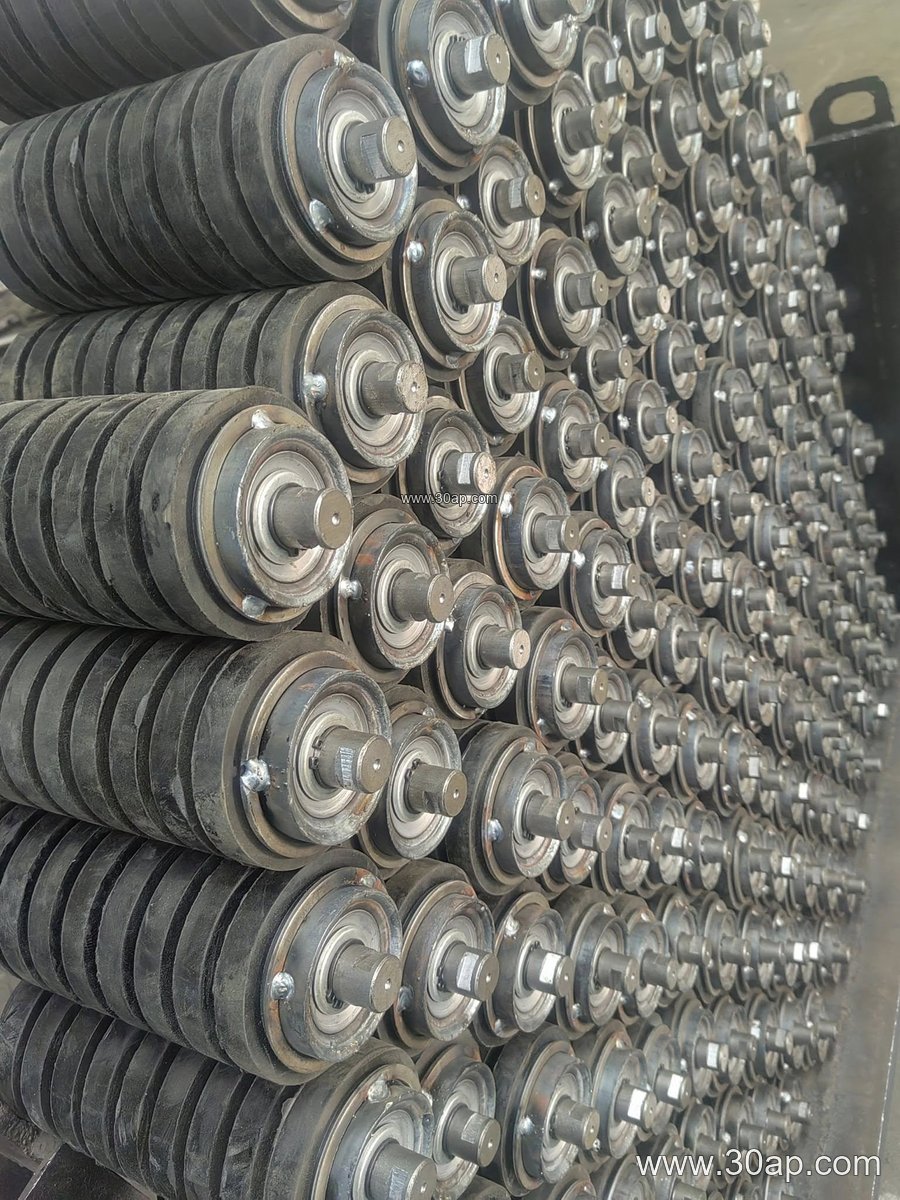
Where Custom Idlers Are Used
These idlers appear in bulk material handling across many industries. In a sand and gravel line, a custom troughing set may be needed to match a 1000mm or 1200mm wide conveyor belt running at a fixed transition distance. In a cement plant, heat resistant conveyor belt sections often call for idlers with heat-tolerant seals and heavier shells. Port and ship loading conveyors use wide belts, sometimes 1800mm or 2000mm, where idler roll length and frame spacing must be calculated rather than guessed. Underground coal mining conveyor belt systems often require flame retardant conveyor belt compatibility and compact idler profiles to fit limited clearance. A custom idler is also a practical answer when a conveyor bracket has been modified on site or when a replacement idler roller must fit an existing shaft without reworking the frame.
Key Dimensions and Typical Ranges
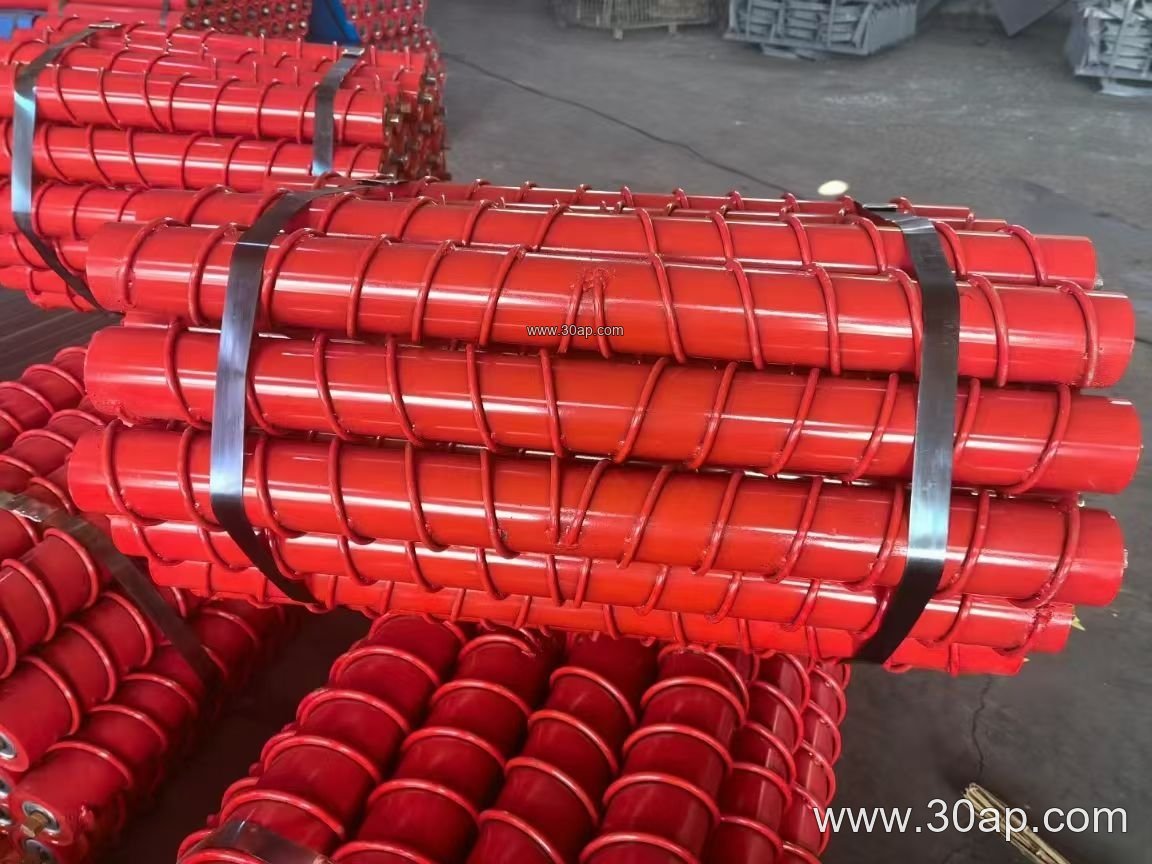
The table below shows common reference values, not fixed supply promises. Actual roll length, diameter, and bearing choice are confirmed by design for each conveyor.
| Parameter | Common reference range |
|---|---|
| Belt width (B) | B500, B650, B800, B1000, B1200, B1400, B1600, B1800, B2000 |
| Roll diameter | Ø63, Ø76, Ø89, Ø102, Ø108, Ø127, Ø133, Ø159, Ø178, Ø194, Ø219 mm |
| Trough angle | 20°, 30°, 35°, 45° |
| Roll surface | Steel tube, nylon, ceramic, rubber ring |
| Bearing | 6204, 6205, 6305, 6306, 6308, 6310 |
| Typical roll length for three-roll troughing (B500 to B2000) | About 200 mm to 750 mm, side and centre rolls may differ |
For example, a B800 belt may use a 315 mm roll in a three-roll set, while a B1400 belt may use around 530 mm. These are common starting points only; the final figure depends on belt width, trough angle, and the idler group form.
What to Check Before Ordering
- Confirm the belt width and the actual frame opening, not just the nominal conveyor size.
- State the trough angle and whether the set is two-roll or three-roll.
- Describe the material: abrasive rock, wet coal, hot clinker, or oil-contaminated feed all point to different shell and seal choices.
- Provide the shaft end detail and the conveyor bracket dimensions so the idler roller seats correctly.
- Match the idler to the conveyor belt type, whether that is an EP conveyor belt, an NN conveyor belt, or a steel cord conveyor belt, because tension and tracking behaviour differ.
A well-specified custom idler reduces belt edge damage, improves tracking, and extends the working life of the whole conveyor line. Buyers who supply clear dimensional and duty information usually get a better fit than those who order by belt width alone. For related conveyor components and idler roller options, visit www.jiuwei-transmission.com or search for conveyor idler roller custom solutions.