What an Underground Conveyor Belt Is
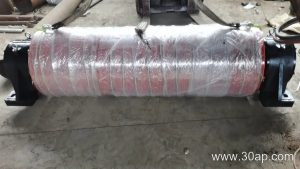
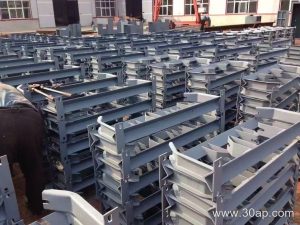
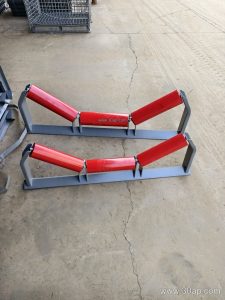
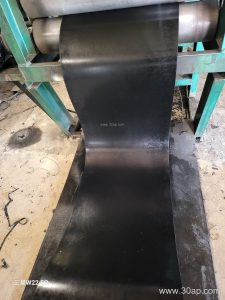
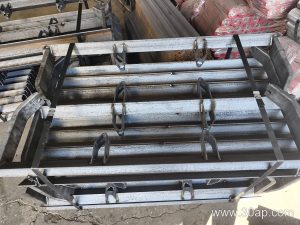
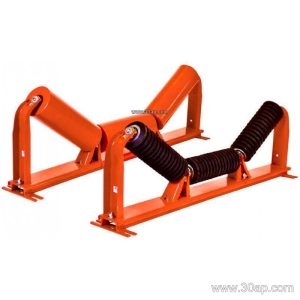
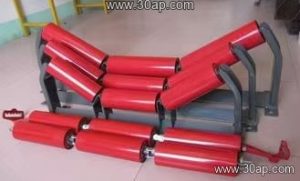
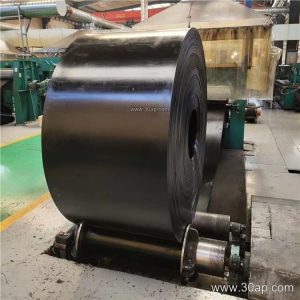
An underground conveyor belt is the continuous load-carrying element of a belt conveyor installed in mines, tunnels and other below-surface material handling systems. Unlike a surface conveyor, this belt works in confined spaces with limited headroom, restricted ventilation and often wet or dusty conditions. It moves coal, ore, rock, aggregate and other bulk materials from the working face to the shaft or portal, and it is frequently described by its broader equipment name, the mining conveyor belt. The belt itself is only one part of the system; the conveyor pulley, idler roller and conveyor bracket set the path and support the load along the route.
Construction and Common Belt Types
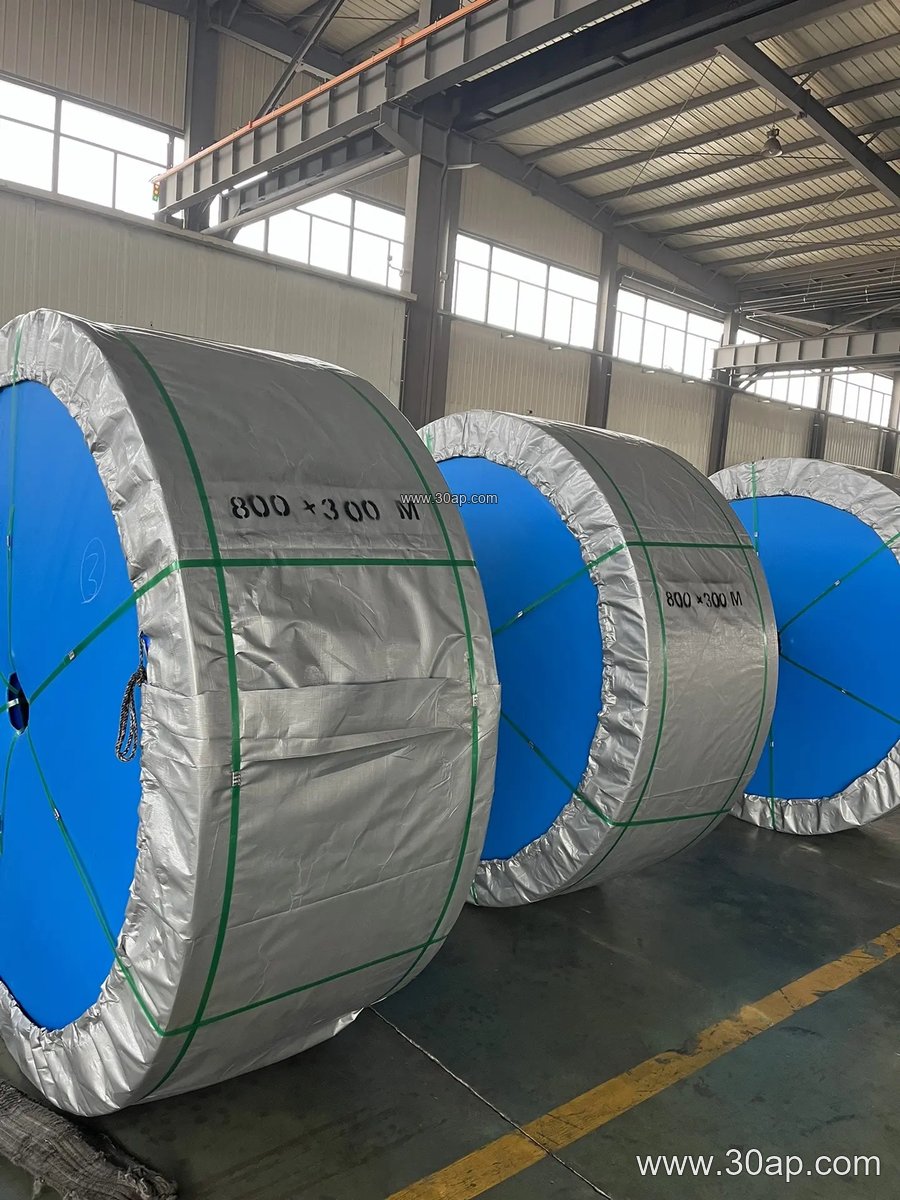
Most underground belts combine a fabric or steel reinforcement with rubber covers. The carcass determines tensile strength and troughability, while the cover protects against abrasion, impact, moisture and, in coal mines, flame propagation. Common constructions include EP conveyor belt with polyester-polyamide fabric, NN conveyor belt with nylon fabric, and steel cord conveyor belt for long runs and high tension. Multi-ply fabric core conveyor belt is typical where moderate strength and good flexibility are needed around small pulleys.
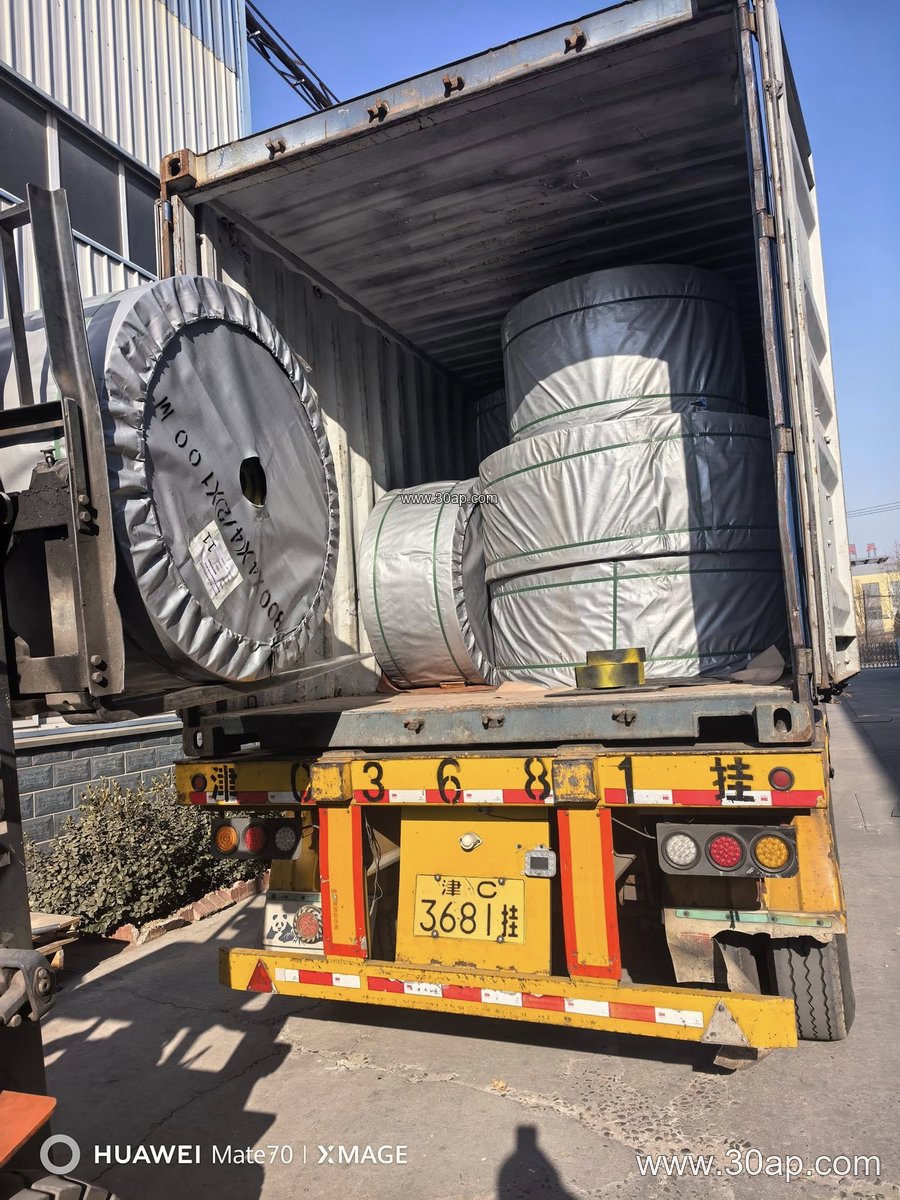
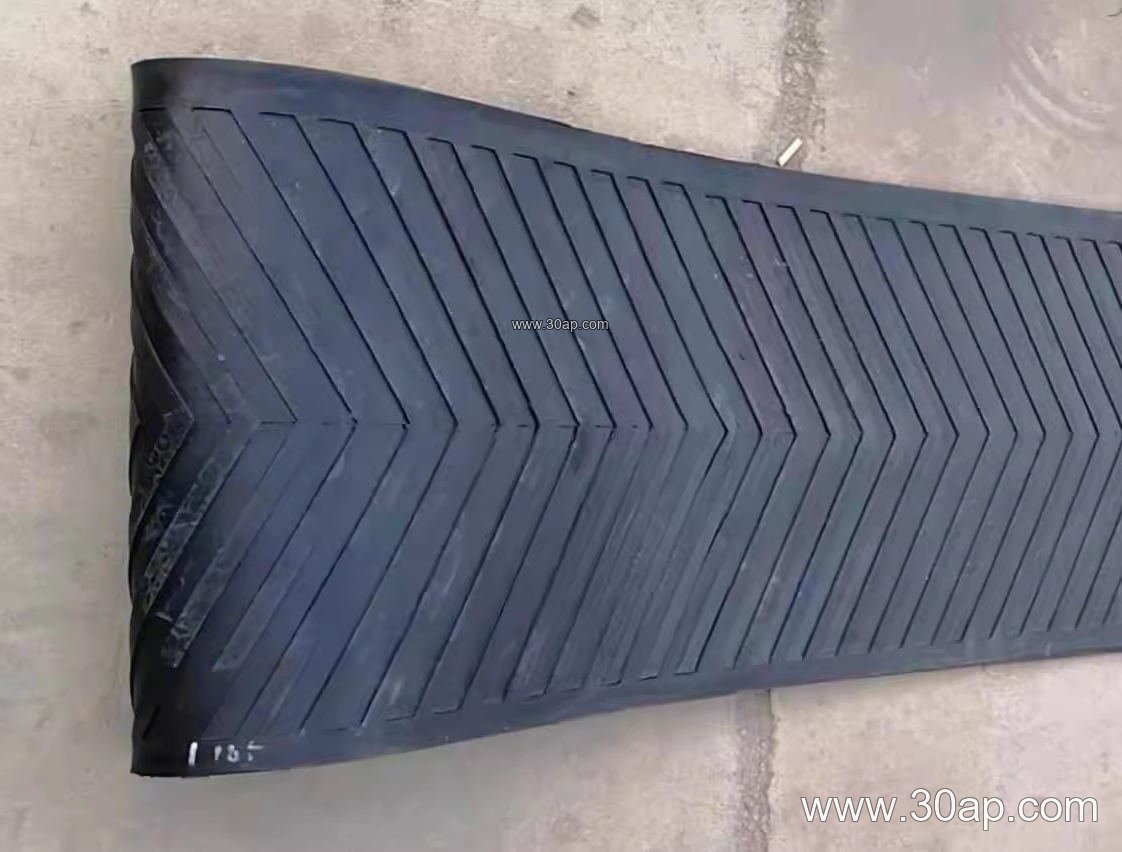
In coal mining, PVC and PVG conveyor belt constructions are widely used because they can be formulated as flame retardant conveyor belt products. Rubber covers are also available in abrasion resistant, heat resistant, oil resistant, cold resistant and anti-static forms. Special profiles include chevron conveyor belt for inclined haulage, corrugated sidewall conveyor belt and skirted conveyor belt for steep or contained paths, and pipe conveyor belt where dust control and route flexibility matter.
Where It Is Used
Underground coal mining conveyor belt systems handle raw coal from continuous miners and loaders. In metal mines, ore conveyor belt duty often involves sharp, heavy rock, so impact resistant and high abrasion resistant covers are common. Tunneling and quarry projects use shorter, relocatable conveyors to move spoil and stone. Cement plants, power plants and steel plants also run enclosed or inclined belts below grade, while sand making and stone crushing lines rely on crusher conveyor belt sections to link processing stages. The same belt may see service in a port or ship loading tunnel, though salt air and humidity then call for careful cover selection.
Typical Reference Specifications
Values below are common reference data, not fixed combinations. Final belt width, strength and cover thickness should follow the conveyor design, material size and duty cycle.
Fabric and Steel Cord Grades
- EP grades: EP200, EP315, EP400, EP500, EP630, EP800, EP1000, EP1250, EP1600, EP2000
- NN grades: NN100, NN200, NN300, NN400
- Steel cord grades: ST1000, ST1250, ST1600, ST2000, ST2500, ST3150
- PVC/PVG mining grades: PVG800, PVG800S and similar flame retardant constructions
Width and Cover Reference
| Parameter | Common reference range |
|---|---|
| Belt width | B500, B650, B800, B1000, B1200, B1400, B1600, B1800, B2000 |
| Cover thickness | 3+1.5, 4+2, 5+2, 6+2, 8+3 mm |
| Carcass plies | 2 to 6 layers, depending on grade |
A narrow belt and a wide belt can both be correct for different tonnages; there is no rule that ties one belt width to one pulley diameter. Shaft and pulley sizing must be calculated from actual tensions, not guessed from belt width alone.
Buyer Checklist
- Confirm the material: coal, iron ore, copper ore, limestone or mixed aggregate each places different demands on covers.
- Check flame retardant and anti-static requirements for underground coal mining conveyor belt service before ordering.
- Match the carcass grade to the calculated working tension, not to the widest belt available.
- Review pulley diameters, idler roller spacing and conveyor bracket clearance so the belt can trough and track properly.
- Decide whether an endless conveyor belt splice or mechanical joint suits the installation and maintenance plan.
- Ask for cover thickness and grade data in writing, and keep spare belt, rollers and pulleys consistent with the original design.
For more on compatible components and belt options, see the range at www.morningconveyor.com underground conveyor belt and the roller and pulley pages at www.morningconveyor.com idler roller. A well-matched underground conveyor belt, supported by correctly sized pulleys and rollers, keeps haulage steady from the face to the surface.