What an Aggregate Production Line Idler Does
An aggregate production line idler is the rotating support that carries and shapes the conveyor belt along every stage of a crushing and screening circuit. In a sand and gravel plant, the belt may leave the crusher loaded with sharp, heavy rock, pass over a screen deck, and discharge onto a stockpile, so the idlers must keep the belt tracking, absorb impact, and protect the belt carcass from abrasion. A properly chosen idler roller is not a small detail; it influences belt life, power draw, and how much spillage the operator has to clean up each shift.
How the Idler Is Built
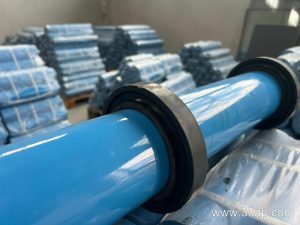
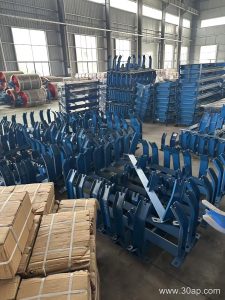
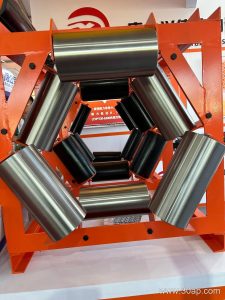
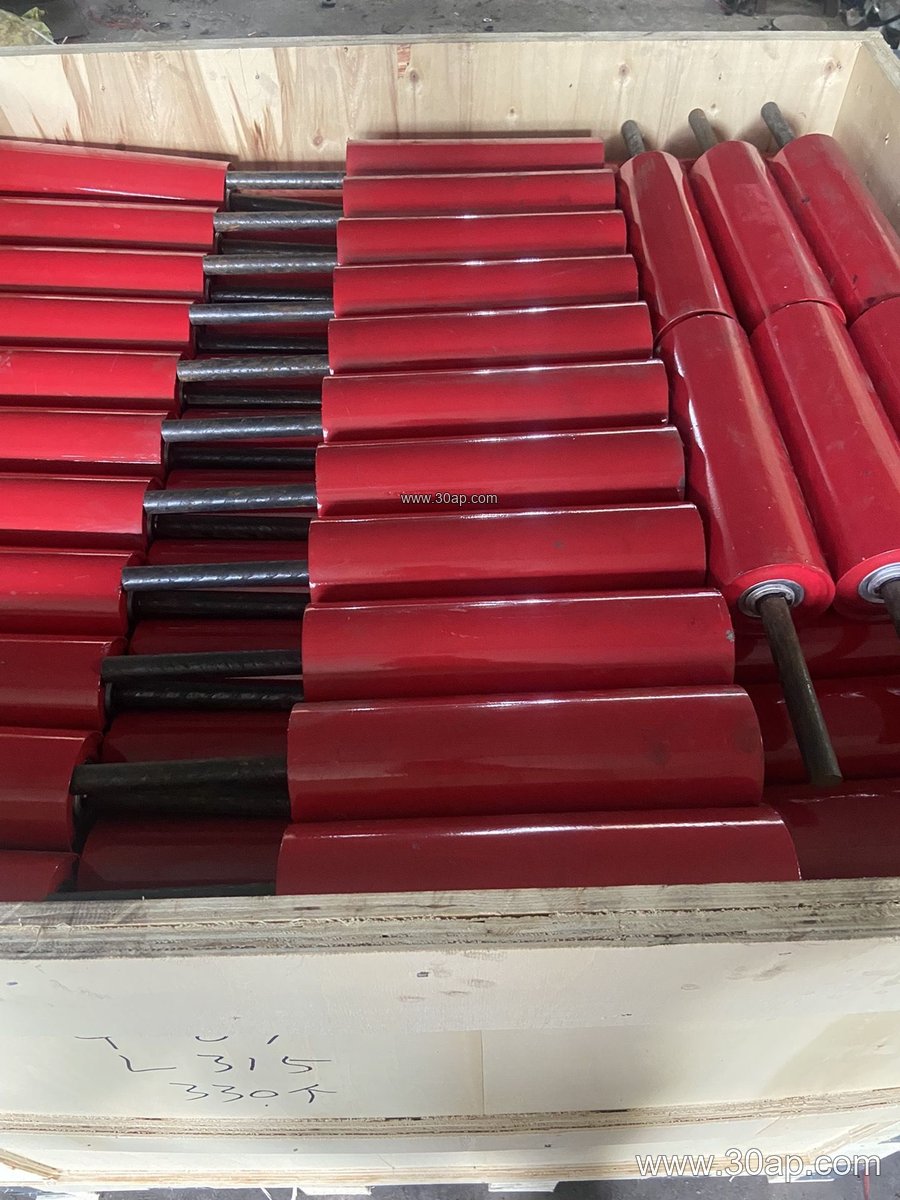
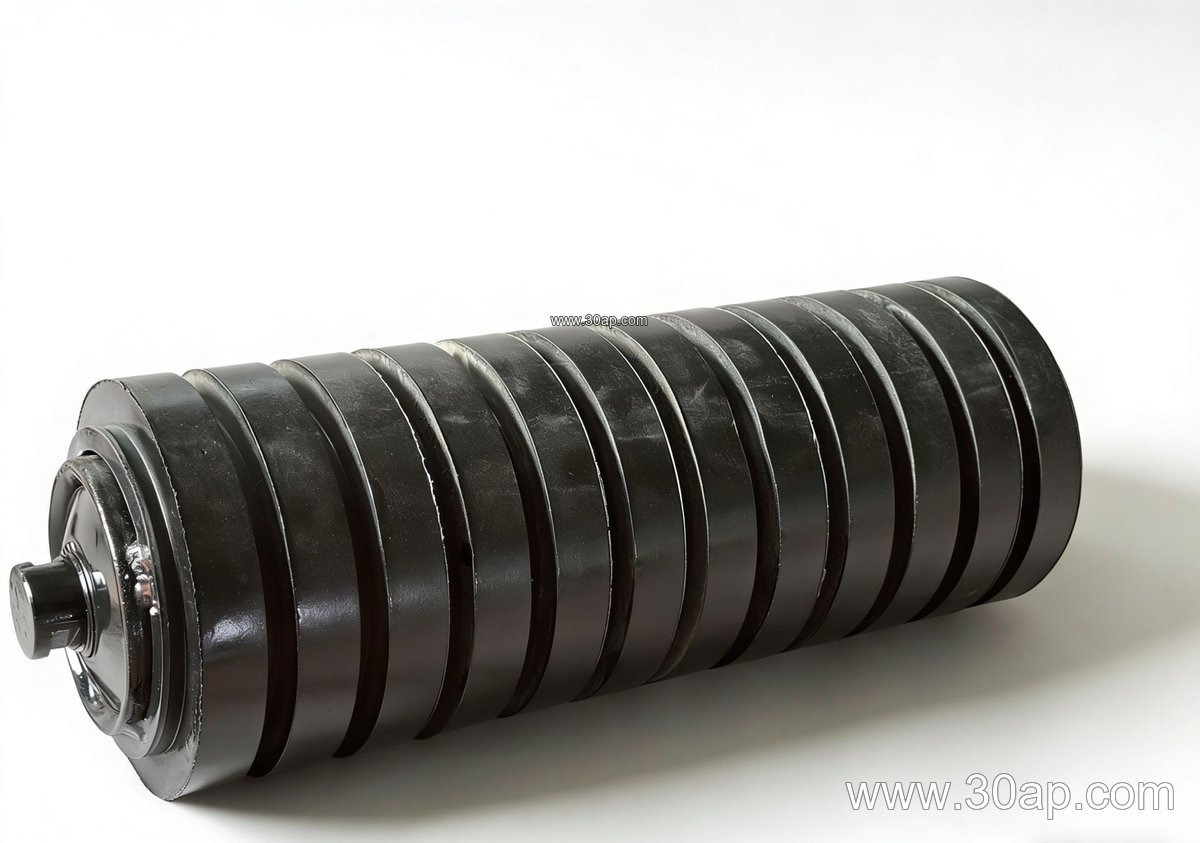
Most aggregate duty idlers share a similar structure. A steel tube forms the roller shell, and pressed bearing housings are welded into each end. Sealed ball bearings, often in the 6204 to 6310 range depending on load and shaft design, run on a fixed shaft. Labyrinth seals and grease retainers keep out the fine dust that is unavoidable around a crusher or screen. The roller surface may be plain steel, nylon, ceramic, or fitted with rubber rings for impact absorption. The idler sits in a conveyor bracket or frame that fixes the roll angle and spacing.
The carrying side usually uses a three-roll troughing set, while the return side may use a single flat roll or a V-shaped return idler. In a typical three-roll troughing arrangement, the roll length changes with belt width and trough angle; common examples are roughly 200 mm rolls at B500, 315 mm at B800, 465 mm at B1200, and 600 mm at B1600. These are reference examples only, and side rolls and center rolls can differ. Diameters commonly range from Ø63 up to Ø219, with Ø89, Ø108, Ø127, and Ø159 seen frequently in aggregate plants.
Where It Fits in the Plant
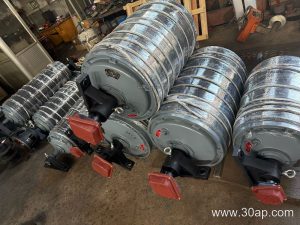
In a quarry or stone crushing line, impact idlers with rubber rings are often placed under the crusher discharge where lumps fall onto the belt. Troughing idlers then carry the load up the main incline, and transition idlers ease the belt from the flat pulley into the trough profile near the head and tail. Self-aligning idlers help correct mistracking on long runs, and return idlers support the empty strand. The same logic applies in a cement plant handling clinker or limestone, in a power plant coal yard, and in a concrete batching plant where precise feed matters.
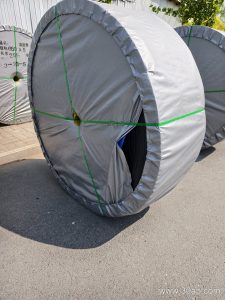
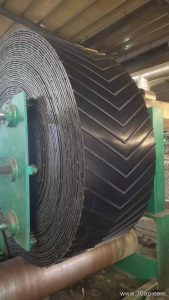
The idler must match the belt it supports. A heavy-duty mining conveyor belt with a thick cover needs robust rollers and adequate spacing, while a chevron conveyor belt or corrugated sidewall conveyor belt may require modified idler layout to avoid contact with cleats or walls. Where fines and dust dominate, sealed idlers and smooth roll surfaces reduce buildup.
Matching Idlers to Belt and Duty
Buyers should think about belt width, trough angle, load, and environment together. A 30-degree trough is common for general aggregate conveying, while 35 or 45 degrees may suit higher capacity or containment needs. Roll diameter should follow the belt speed and load rather than a single fixed rule, and shaft size is a separate design decision, not something that can be read directly from belt width. Bearing selection depends on radial load and service life targets.
- Belt width examples: B650, B800, B1000, B1200, B1400, B1600
- Common trough angles: 20, 30, 35, 45 degrees
- Common roll diameters: Ø89, Ø108, Ø127, Ø133, Ø159, Ø178
- Surface options: steel tube, nylon, ceramic, rubber ring
For abrasive rock, an abrasion resistant conveyor belt paired with well-sealed idlers reduces wear on both components. In cold climates, a cold resistant conveyor belt may be used, but idler bearings and seals still need to suit low temperatures. Where coal or combustible dust is present, a flame retardant conveyor belt and anti-static conveyor belt are often specified, and idler selection should follow the same safety logic.
Maintenance and Buying Notes
Check idler rotation, seal condition, and frame alignment during routine inspections. A seized roller can wear through a belt cover quickly, and a misaligned bracket can cause edge damage. Keep spare rolls in the sizes actually used on site, and record roll length, diameter, and bearing type for each conveyor. When requesting quotations, provide belt width, trough angle, roll diameter, load conditions, and the environment, whether that is a dusty quarry, a wet wash plant, or a port stockyard. Avoid assuming that one belt width locks in a single pulley or idler size; the full conveyor design decides the match.
The aggregate production line idler is a simple component, but choosing it with the belt, frame, and duty in mind keeps the whole circuit running with fewer stoppages.