What a Tail Pulley Does
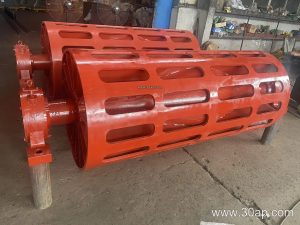
A tail pulley sits at the return end of a belt conveyor, where the carrying run turns back into the return run. It supports the conveyor belt, helps maintain alignment, and works with the take-up system to keep tension steady. In a typical aggregate or cement plant layout, the tail pulley is the last roller the belt passes over before starting its return journey, so its condition directly affects belt tracking and the life of the belt splice.
Although the term is often used loosely, a tail pulley is not a drive pulley. The drive pulley transmits power; the tail pulley mainly guides and supports. It is also not a bend pulley, which redirects the belt at an intermediate point. Keeping these roles separate helps when specifying spare parts and planning maintenance.
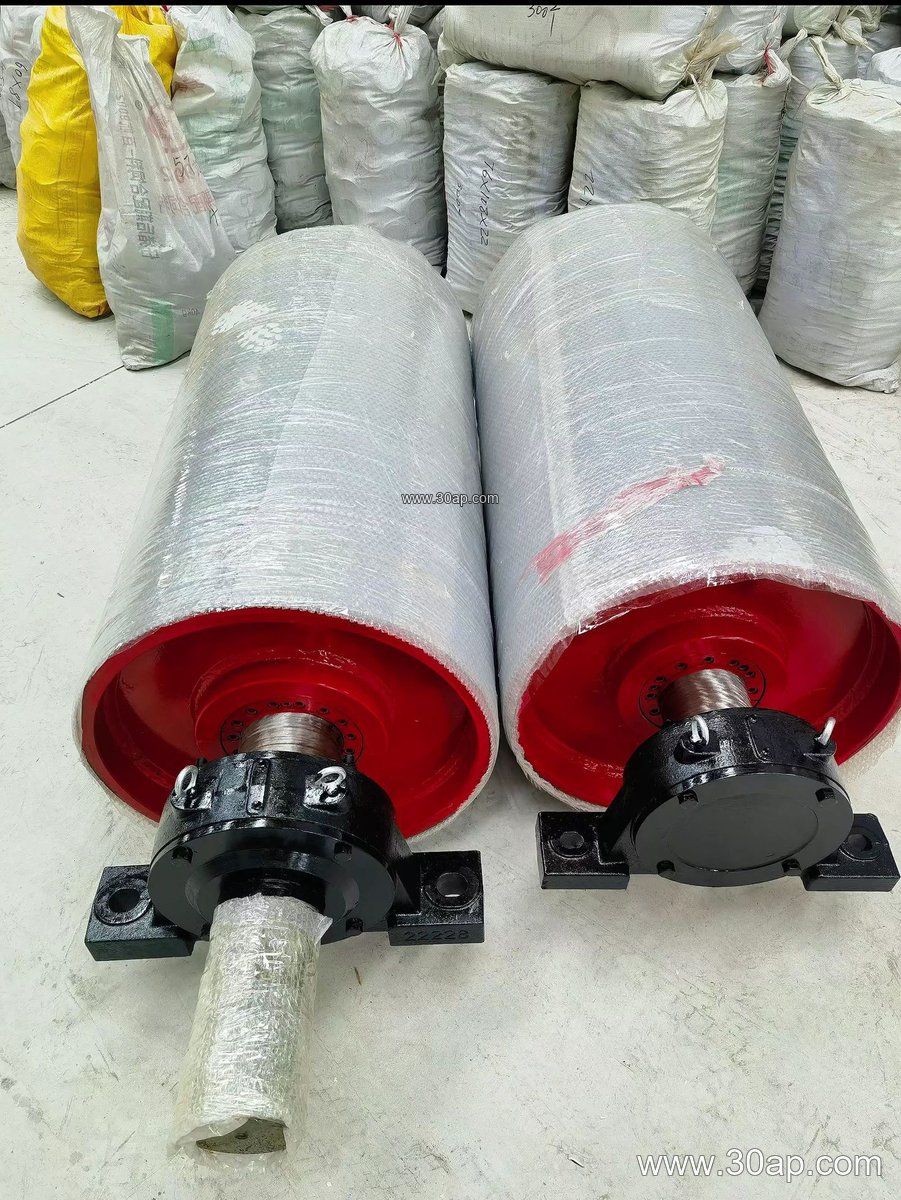
Construction and Surface Options
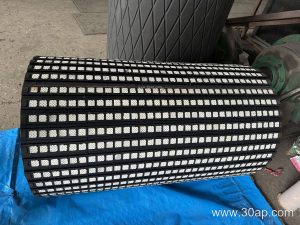
Most tail pulleys use a welded steel drum with shafts, bearing housings, and a lagged surface. Common surface forms include plain, rubber lagged, diamond grooved, and ceramic lagged. Lagging thickness is often 8, 10, 12, 15, or 20 mm depending on belt width and material conditions. In a quarry conveyor handling abrasive rock, a rubber lagged or diamond grooved surface can improve grip and reduce slip, while a plain drum may suit lighter duties.
Typical shell diameters range from Ø200 to Ø800 for many tail positions, with larger sizes used on high-capacity systems. Common belt widths include B500, B650, B800, B1000, B1200, and B1400. The pulley face width is usually slightly wider than the belt, for example about 600 mm for B500 and about 1400 mm for B1200. Shaft diameter is determined by torque and load, not by belt width alone, so a B800 tail pulley may use different shaft sizes on different conveyors.
| Parameter | Typical Reference Range |
|---|---|
| Belt width | B500, B650, B800, B1000, B1200, B1400 |
| Pulley diameter | Ø200, Ø315, Ø400, Ø500, Ø630, Ø800 |
| Face width | Approx. 600 mm for B500; 950 mm for B800; 1400 mm for B1200 |
| Lagging thickness | 8, 10, 12, 15, 20 mm |
| Shaft diameter | Ø50 to Ø200, selected by design load |
Where Tail Pulleys Are Used
Tail pulleys appear in stone crushing lines, sand and gravel plants, cement clinker handling, and power plant coal conveying. In a crusher discharge conveyor, the tail pulley often faces fine dust and uneven loading, so sealed bearings and wear-resistant lagging matter. In a coal mining conveyor, flame retardant and anti-static belt grades may be required, and the tail pulley should be matched to the belt’s tracking behavior. The same component also works in port bulk terminals and fertilizer plants, where corrosion resistance and easy cleaning can influence the surface choice.
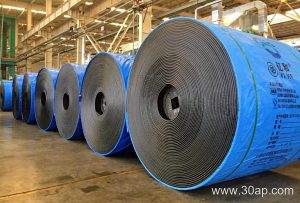
When the conveyor uses an EP conveyor belt or a steel cord conveyor belt, the tail pulley diameter should be checked against the belt manufacturer’s minimum pulley recommendation. A fabric core belt generally tolerates a smaller pulley than a stiff steel cord belt, but the final choice depends on belt construction and tension.
Buyer Checklist
- Confirm the actual function: tail pulley, bend pulley, or take-up pulley. Each has a different load case.
- Match face width to belt width, and check that the pulley is not narrower than the belt.
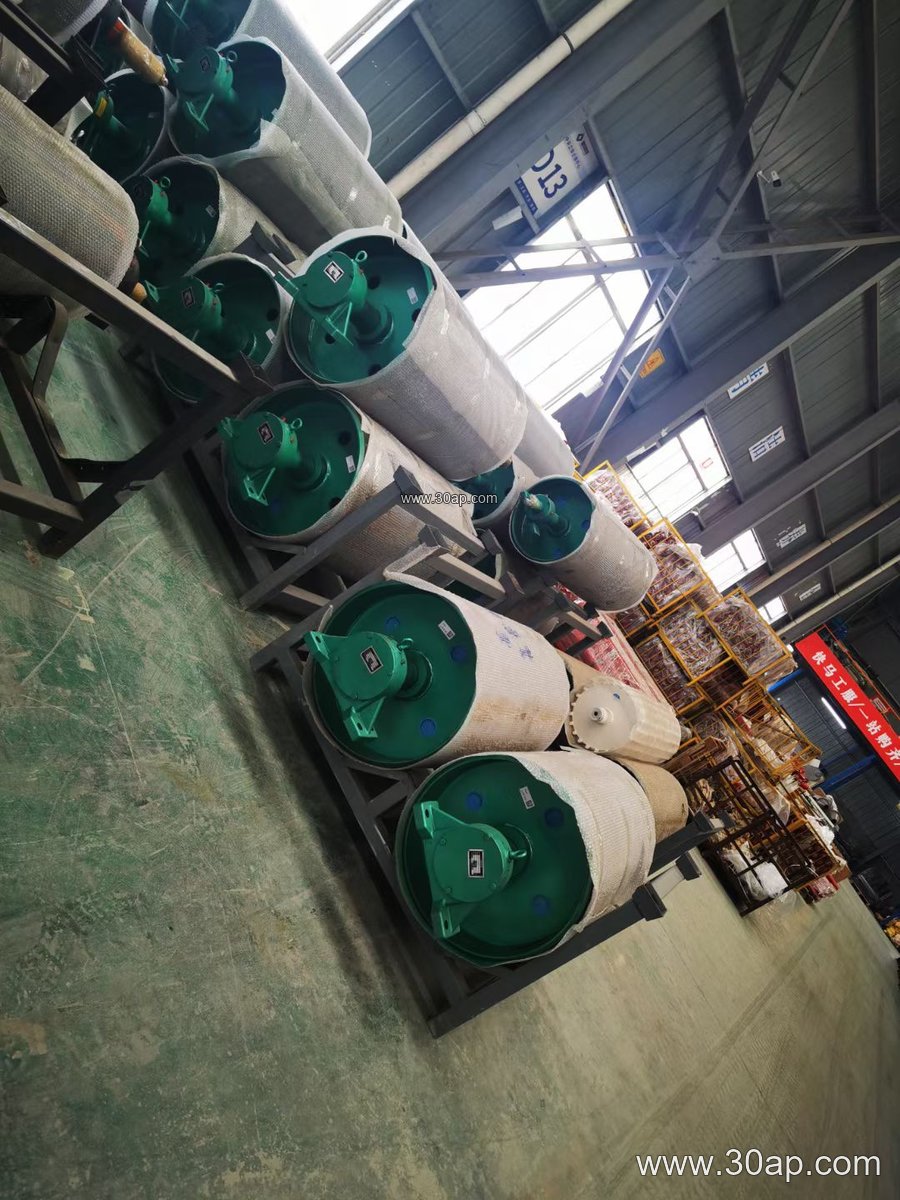
- Select lagging for the material: abrasive ore, wet coal, or sticky clinker may need different surfaces.
- Ask for bearing type, sealing, and shaft dimensions based on calculated load, not guesswork.
- Check compatibility with conveyor brackets and the take-up frame before ordering.
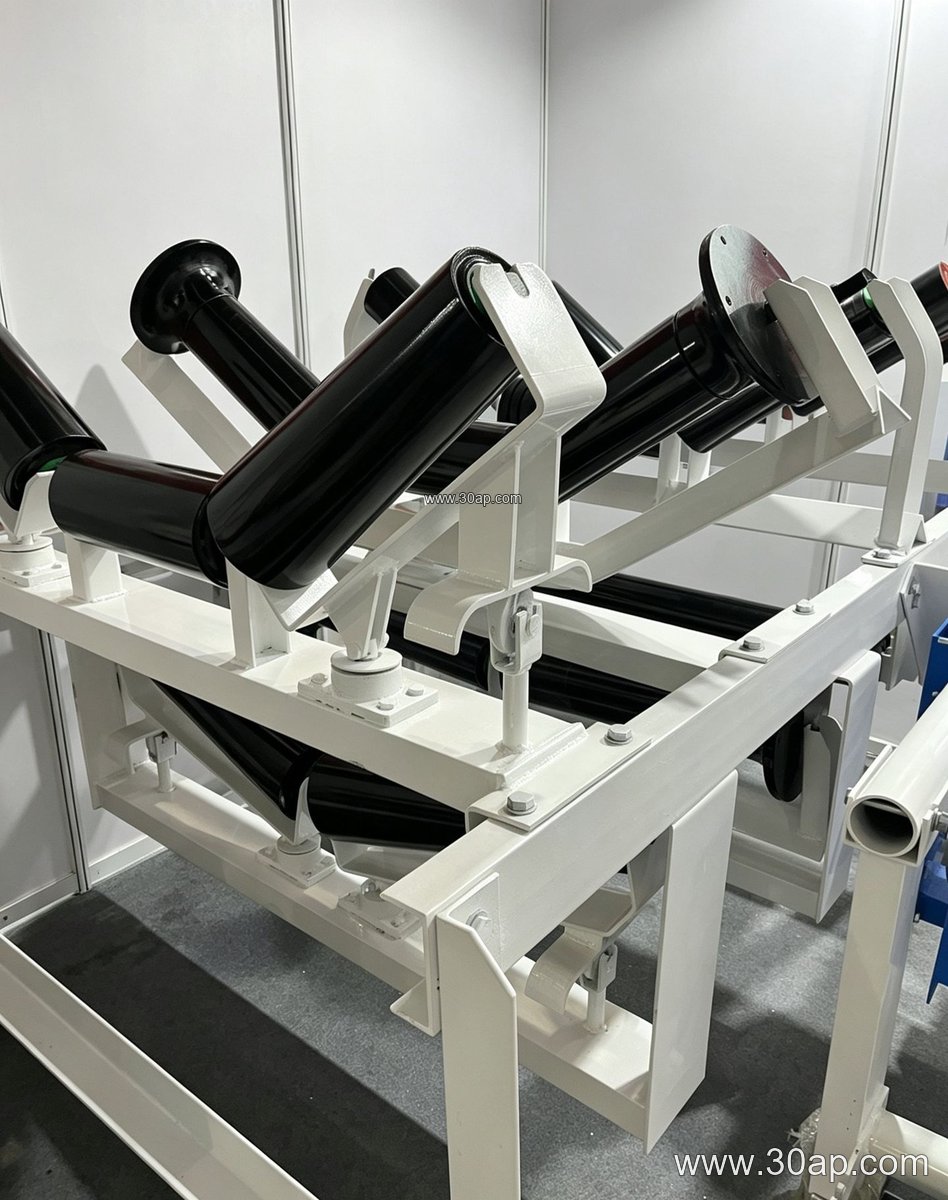
For a replacement, record the existing pulley diameter, face width, shaft size, and lagging condition. Photographs of the mounting area and conveyor bracket help avoid fit problems. A tail pulley that tracks poorly can damage the belt edge, so alignment and tension should be checked together with the idler roller set and the conveyor structure.
Whether the plant handles iron ore, limestone, or grain, the tail pulley is a small but critical part of the conveyor pulley group. Specify it by duty, not by habit, and the conveyor will run more smoothly.