What a 1400mm Diameter Conveyor Pulley Is
A 1400mm diameter conveyor pulley is a large drum used to drive, tension, or redirect a conveyor belt in high-capacity bulk handling systems. This size falls into the heavy-duty range, where the pulley must handle significant torque, belt tension, and radial loads without excessive deflection. It is commonly found at the head or drive position of long overland conveyors, in primary crushing circuits, and in plants where wide belts carry abrasive or heavy materials. The 1400mm diameter helps distribute bending stress along the shaft and reduces the number of belt revolutions per minute, which can extend belt life in demanding environments such as limestone quarries, iron ore concentrators, and power plant coal yards.
Construction and Key Components
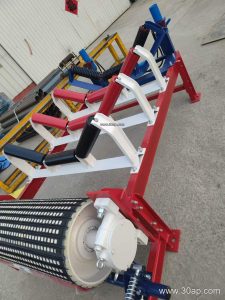
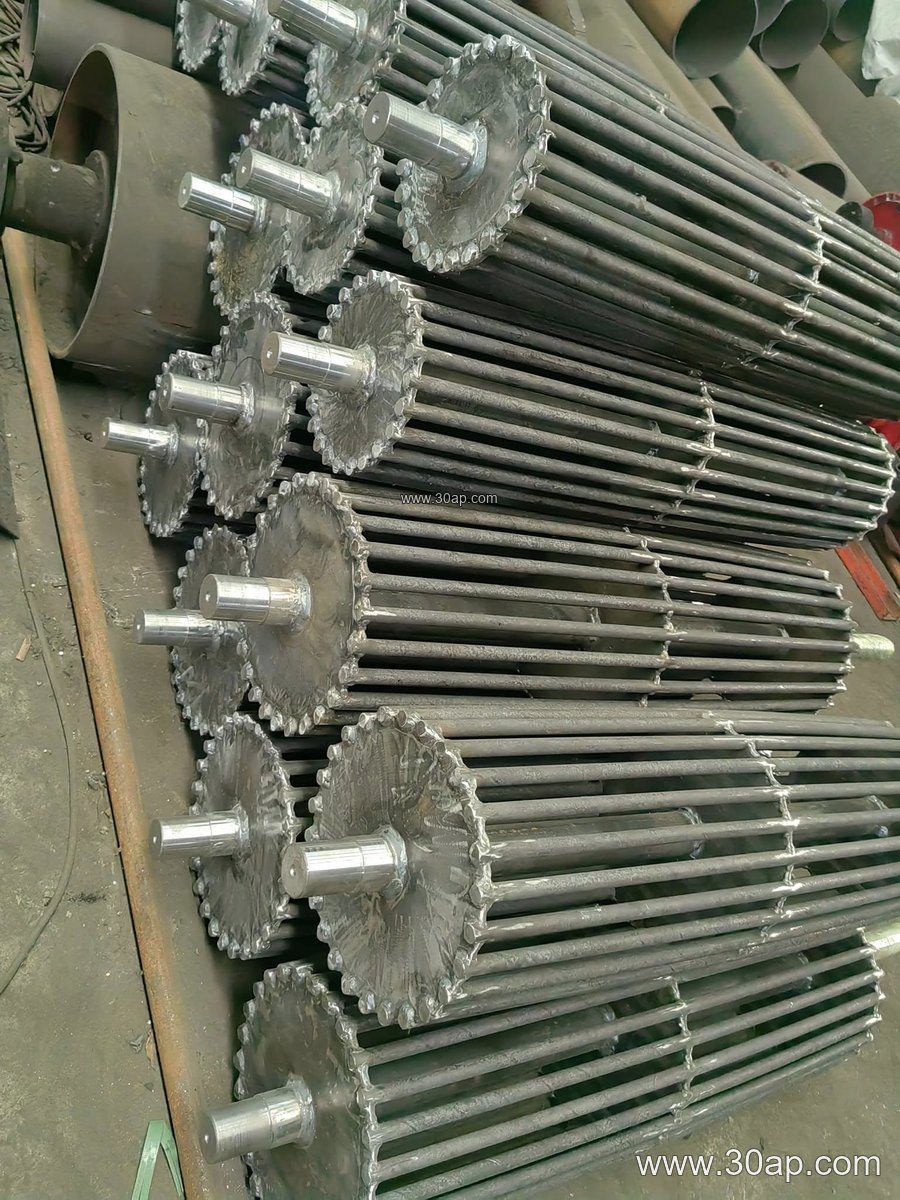
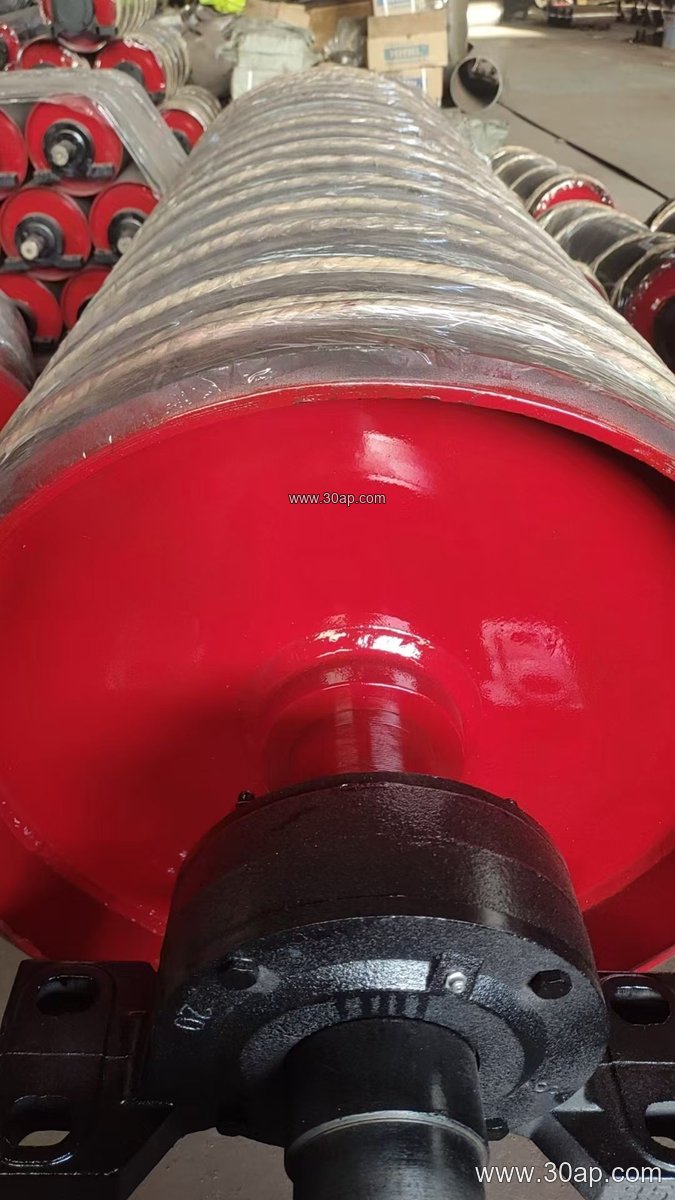
A pulley of this diameter is typically built with a welded steel shell, two or more end discs, a hub, and a through-going shaft. The shell may be machined from seamless tube or rolled plate, with the surface prepared for lagging. Common surface options include plain steel, hot-vulcanized rubber lagging, cold-bonded rubber, diamond grooving, and ceramic tiles. Lagging thickness often ranges from 8 mm to 20 mm depending on the required friction and wear resistance. The shaft diameter is not fixed by belt width alone; it is determined by torque, bearing span, and load calculations. Typical shaft sizes for large pulleys may fall between Ø160 and Ø200, but the final value must come from the pulley designer.
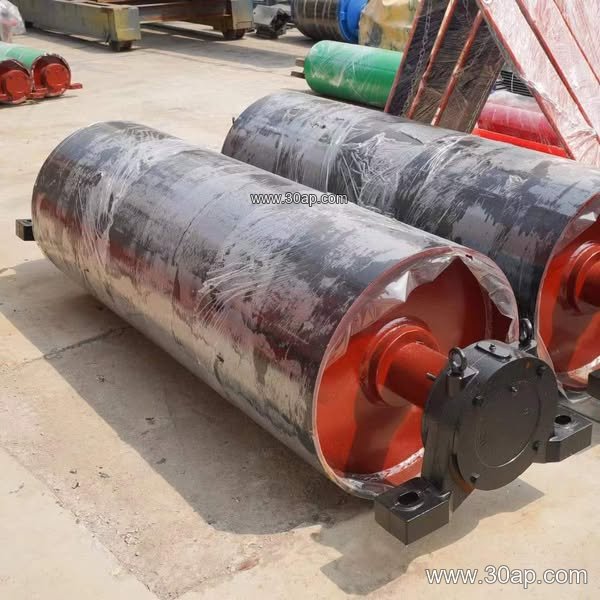
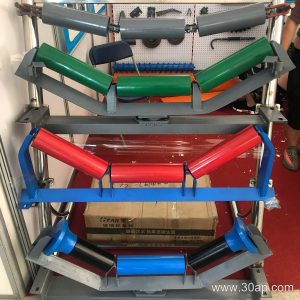
Bearings are usually spherical roller types housed in pillow blocks or flanged bearing housings. The pulley assembly may include a keyed shaft connection, a shrink disc, or a ringfeder locking assembly. For drive pulleys, the motor and gearbox connect through a coupling or a shaft-mounted reducer. A conveyor bracket or support frame holds the bearing housings and must be aligned accurately to avoid edge loading on the belt.
Where It Fits in a Conveyor System
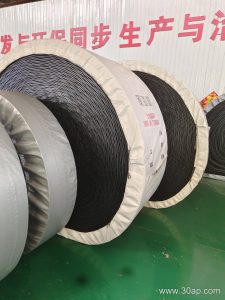
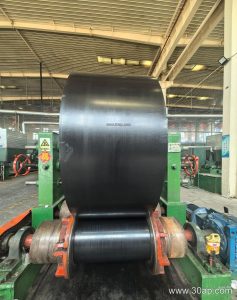
Although a 1400mm diameter pulley can serve as a drive pulley, tail pulley, or bend pulley, these roles are not interchangeable. A drive pulley transmits power to the belt, a tail pulley maintains tension at the loading end, and a bend pulley changes belt direction without driving. The 1400mm size is often selected for drive positions on belts wider than 1200 mm, where the belt carries materials such as crushed stone, clinker, or ore. In a quarry or aggregate line, it may work with a heavy-duty mining conveyor belt or an abrasion resistant conveyor belt to handle sharp rock. In a cement plant, it might pair with a heat resistant conveyor belt when clinker temperatures are elevated. For underground coal mining, a flame retardant conveyor belt is common, and the pulley must be designed with suitable clearance and sealing for dusty conditions.
Belt Width and Pulley Diameter Relationship
There is no fixed rule that one belt width must use one pulley diameter. A 1400mm diameter pulley can be paired with several belt widths, provided the pulley face width is wider than the belt and the belt path is supported correctly. The table below shows common pulley face widths relative to belt width, based on typical design practice. These are reference values, not universal specifications.
| Belt Width (mm) | Typical Pulley Face Width (mm) |
|---|---|
| B1000 | 1150 |
| B1200 | 1400 |
| B1400 | 1600 |
| B1600 | 1800 |
| B1800 | 2000 |
| B2000 | 2200 |
For a 1400mm diameter pulley, common belt pairings might include B1200, B1400, or B1600, but the final choice depends on the conveyor’s tension, speed, and take-up arrangement. A pulley with a 1400mm face width is often used with a 1200mm wide conveyor belt, while a 1600mm face width suits a 1400mm belt. The pulley diameter and belt width combination should always be checked against the belt’s minimum pulley diameter requirement, which the belt manufacturer provides.
Buyer Checklist for a 1400mm Diameter Conveyor Pulley
- Confirm the pulley’s role: drive, tail, or bend. Each has different design requirements for torque, lagging, and shaft connection.
- Specify the belt width and type. A rubber conveyor belt, EP conveyor belt, or steel cord conveyor belt may have different minimum pulley diameter recommendations.
- Choose the lagging surface based on material and environment. Diamond grooving improves traction in wet conditions, while ceramic lagging resists abrasive wear in iron ore or copper ore handling.
- Provide the required shaft diameter and bearing type, or ask the pulley manufacturer to calculate them from torque and load data.
- Check the pulley face width against the belt width to ensure proper support and avoid belt edge damage.
- Plan for maintenance access. Large pulleys require adequate space for bearing inspection and lagging replacement.
For bulk material conveyor systems in mining, cement, or power generation, a 1400mm diameter conveyor pulley is a robust component that must be matched to the belt, the load, and the surrounding structure. Buyers should work with a pulley designer to verify shaft size, lagging, and bearing selection rather than relying on a single size chart.