What a Wear-Resistant Mining Idler Does
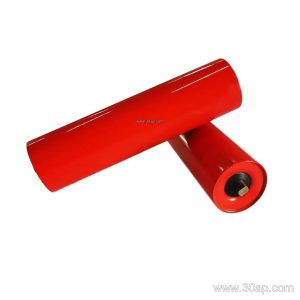
A wear-resistant mining idler is the roller that carries a loaded conveyor belt in a mine, quarry, or processing plant. Its job sounds simple: support the belt, let it roll, and keep the material moving. In practice, the idler faces constant grit, moisture, impact, and long running hours. A standard roller may wear through its shell or seize its bearings quickly in these conditions. The wear-resistant version is built to hold its shape and keep turning when the environment is unkind to ordinary hardware.
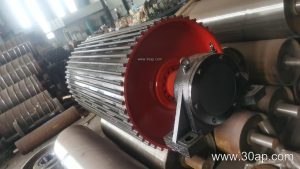
This component is also called a wear-resistant conveyor roller, and the two names describe the same product. It is a carrying or return roller, not a drive pulley, tail pulley, or bend pulley. Those pulleys transmit power and change belt direction at the conveyor ends, while the idler supports the belt along the run.
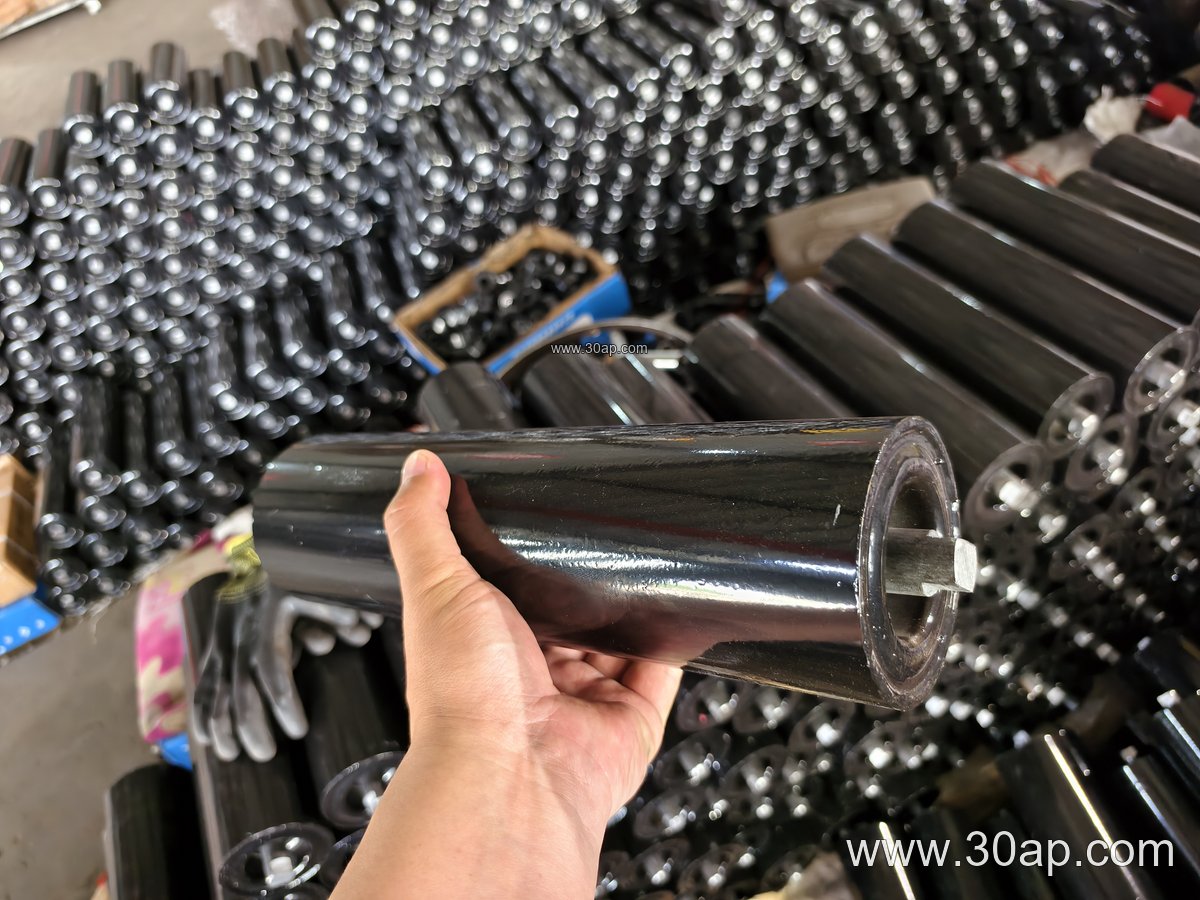
Construction and Surface Options
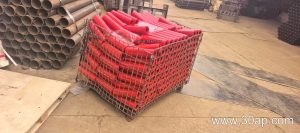
Most idlers use a steel tube shell, a shaft, bearing housings, and a sealing arrangement. The wear-resistant difference comes from the shell material, wall thickness, and bearing protection. Common shell choices include steel, nylon, ceramic, and rubber rings. A ceramic or rubber-covered shell can resist abrasive sliding contact, while a heavier steel tube adds structural life in high-load zones.
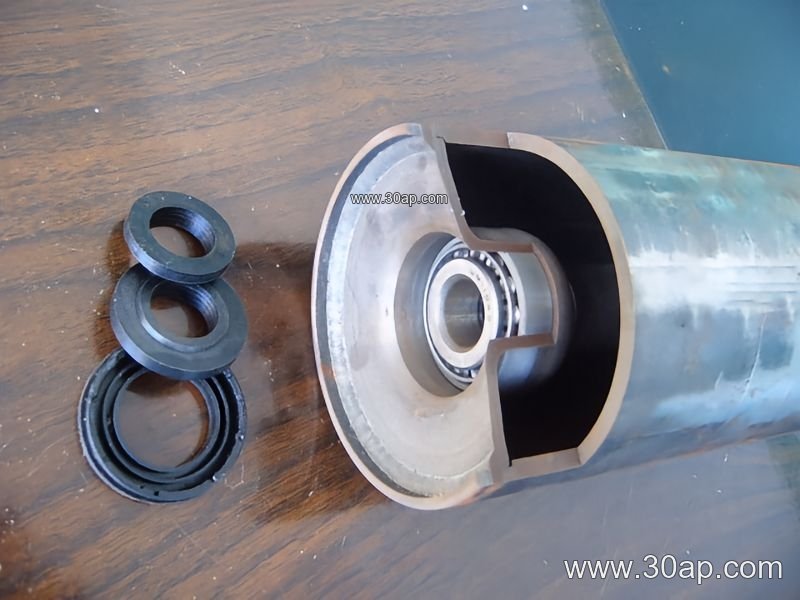
Sealing matters as much as the shell. Dust and fine grit are the main enemies of bearings, so a well-designed labyrinth seal, plus proper grease retention, extends service life. Common bearing sizes include 6204, 6205, 6305, 6306, 6308, and 6310, but bearing selection should follow the actual load and speed rather than a fixed rule.
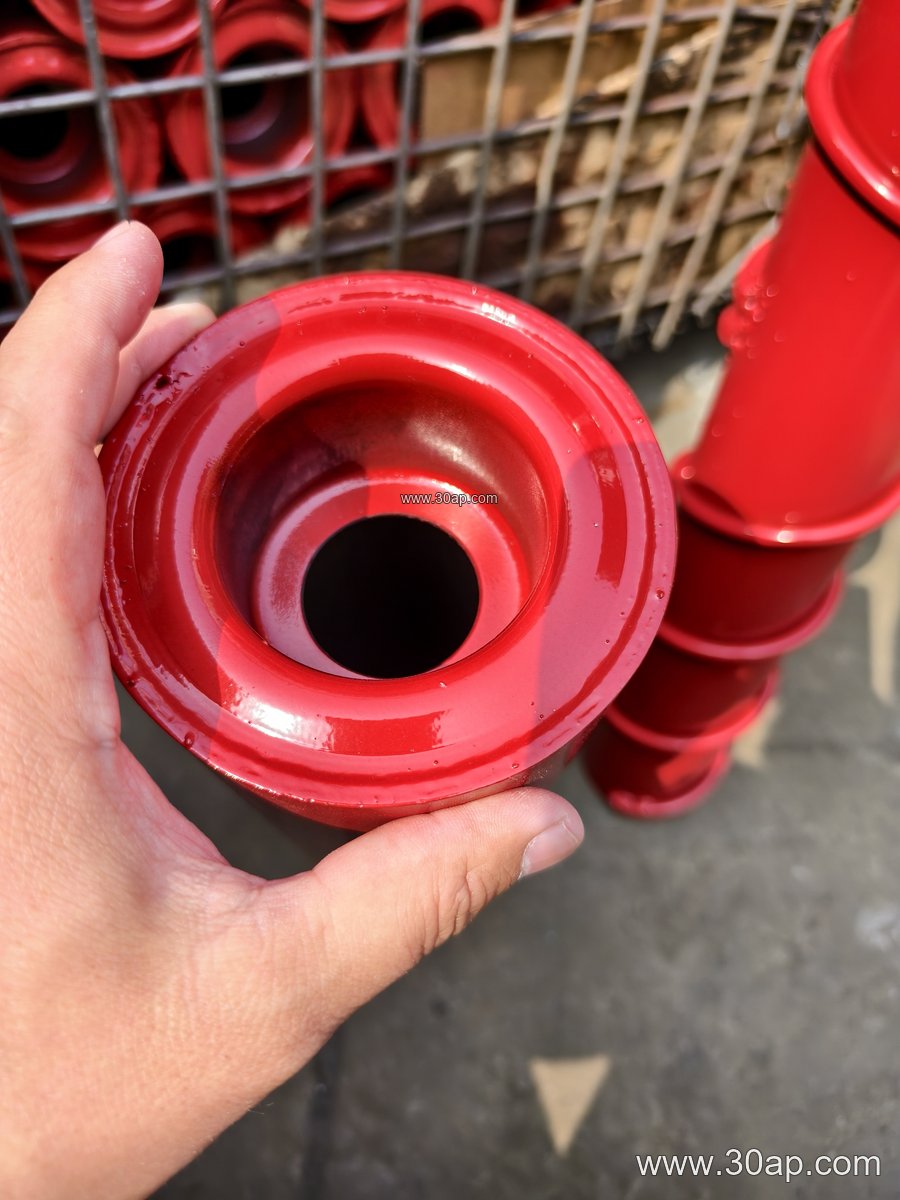
Reference dimensions for planning
| Item | Common range |
|---|---|
| Roller diameter | Ø63, Ø76, Ø89, Ø102, Ø108, Ø127, Ø133, Ø159, Ø178, Ø194, Ø219 mm |
| Belt width | B400, B500, B650, B800, B1000, B1200, B1400, B1600, B1800, B2000, B2200, B2400 |
| Trough angle | 20°, 30°, 35°, 45° |
| Roller surface | Steel tube, nylon, ceramic, rubber ring |
| Bearing | 6204, 6205, 6305, 6306, 6308, 6310 |
Roller length changes with belt width, trough angle, and the idler set form. For a three-roll troughing set, common examples are about 200 mm for B500, 250 mm for B650, 315 mm for B800, 380 mm for B1000, 465 mm for B1200, 530 mm for B1400, 600 mm for B1600, 670 mm for B1800, and 750 mm for B2000. Side rollers and center rollers can differ, so these are examples, not fixed matches.
Where It Fits in the Conveyor Line
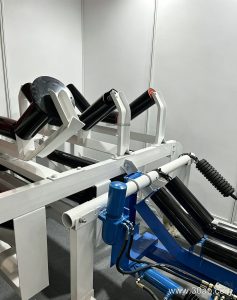
Troughing idlers form the carrying side, usually as a single-roll, two-roll, or three-roll set. Return idlers support the empty belt underneath, and V-type return rollers help with belt tracking. Impact idlers and rubber-ring impact rollers sit below loading points where falling rock hits the belt. Transition idlers ease the belt from flat to troughed shape. Self-aligning idlers, including friction and tapered types, correct minor misalignment. A wear-resistant mining idler may appear in any of these positions, depending on the duty.
Typical workplaces include a coal washing plant, an iron ore yard, a limestone quarry, a cement plant, a power plant coal yard, a crushing and screening line, and a port bulk terminal. In each case the idler works with a conveyor belt and a conveyor pulley, supported by a conveyor bracket or frame.
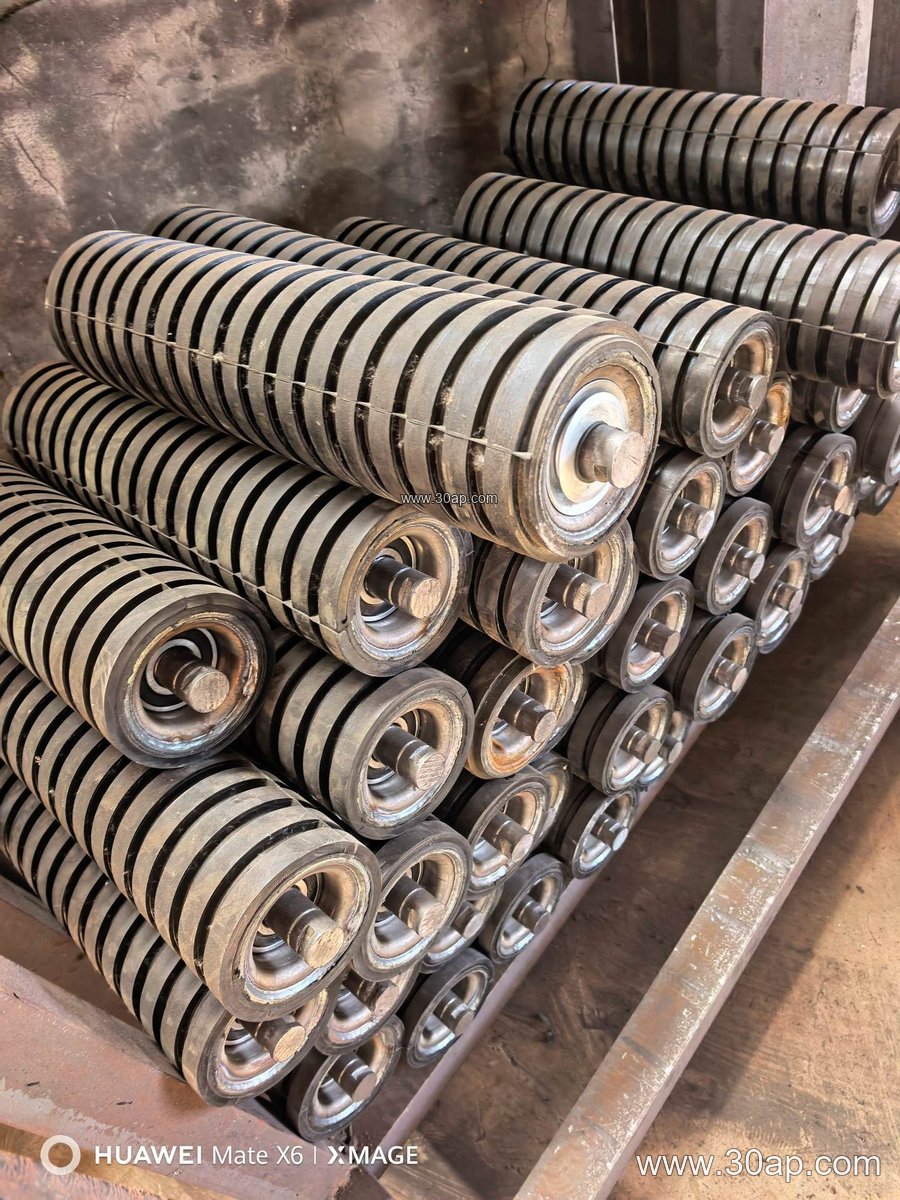
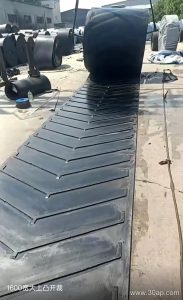
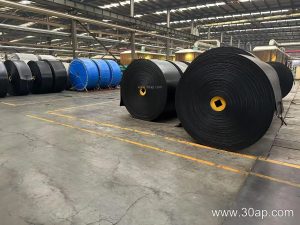
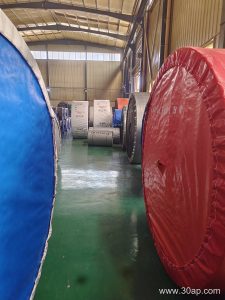
The belt itself also affects roller wear. A heavy-duty mining conveyor belt, an abrasion resistant conveyor belt, or a steel cord conveyor belt carries different loads and stiffness. A pipe conveyor belt or a corrugated sidewall conveyor belt may need special roller spacing. Buyers often compare a fabric core conveyor belt such as an EP conveyor belt with a steel cord belt when planning the idler layout, because belt tension and weight change the load on each roller.
Buyer Checklist
- Match roller diameter and shaft to the actual belt load, not to belt width alone.
- Choose the shell material for the dominant wear mode: sliding abrasion, impact, or corrosion.
- Confirm the trough angle and idler set form before ordering lengths.
- Review sealing and bearing protection for dusty or wet conditions.
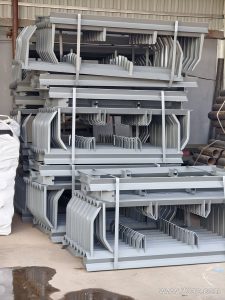
- Check that the mounting matches the existing conveyor bracket.
- For flame or fire risk areas, coordinate the idler choice with a flame retardant conveyor belt or fire resistant conveyor belt.
A wear-resistant mining idler is a small part with a large effect on uptime. Matching it to the belt, the material, and the mounting saves replacement work and keeps the line moving.