What a Conveyor Self-Aligning Idler Does
A conveyor self-aligning idler is a training idler that keeps the belt centered on the conveyor structure. It responds to belt misalignment by pivoting or steering slightly, so the belt returns to its correct path. This idler is often used on the carrying side, and in some layouts on the return side, to correct wander caused by uneven loading, structure misalignment, or belt tension differences. In a quarry or aggregate line, a self-aligning idler helps prevent spillage and edge damage before they become a maintenance problem.
The device is not a drive pulley or a tail pulley. Those components transmit power and set belt tension, while the self-aligning idler is a supporting roller that also guides the belt. A conveyor pulley at the head or tail has a different job, so the two should not be confused when specifying parts.
How It Is Built
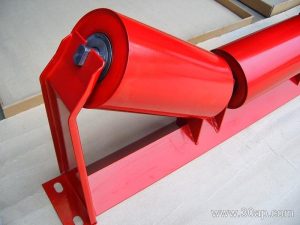
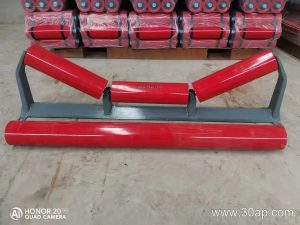
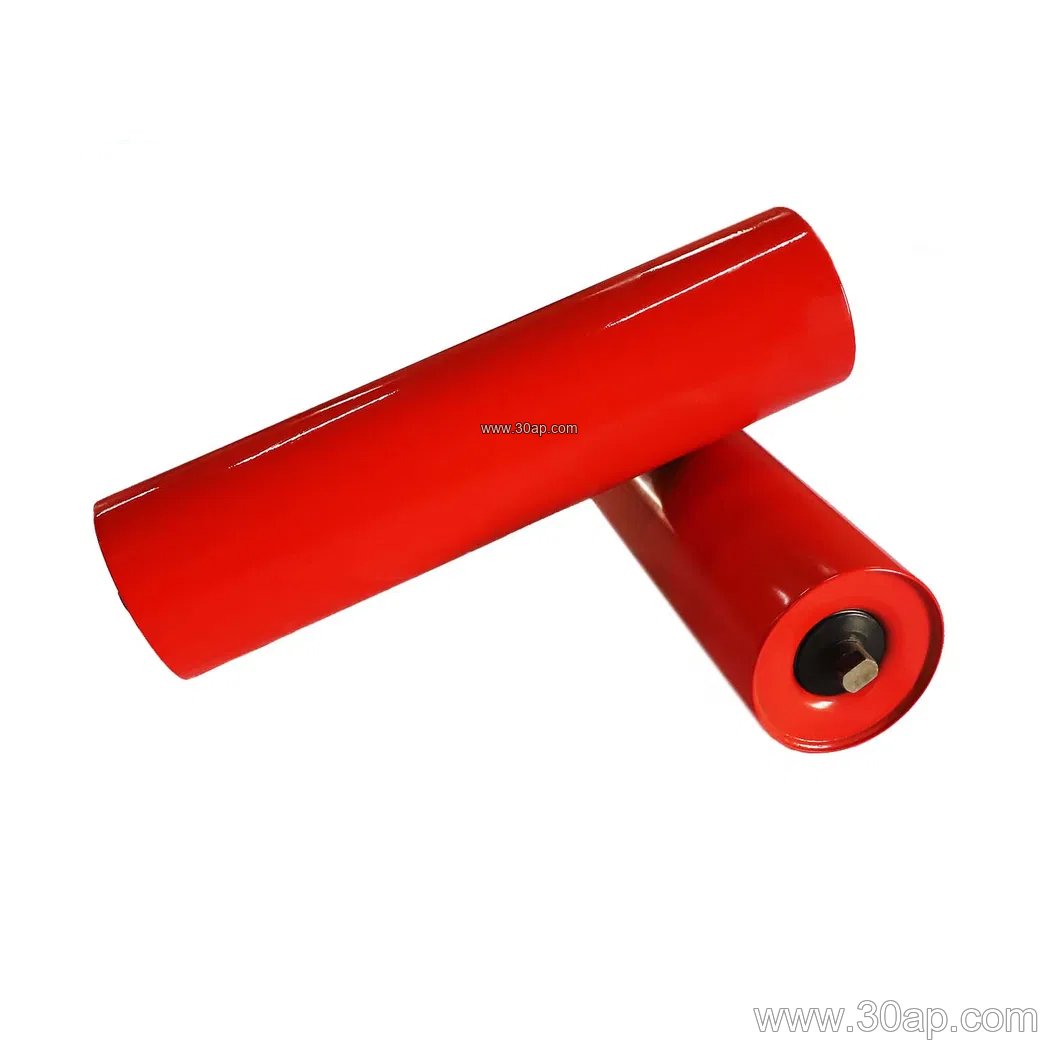
A typical self-aligning idler uses a set of rollers mounted on a pivoting frame. The frame is connected to a conveyor bracket that allows a small amount of rotation. When the belt drifts, it contacts a vertical guide roller or a tapered roller end, and the resulting force turns the idler assembly. This steering action nudges the belt back toward the center. Common constructions include friction self-aligning idlers and tapered self-aligning idlers, and the roller surface may be steel, rubber-covered, or nylon depending on the duty.
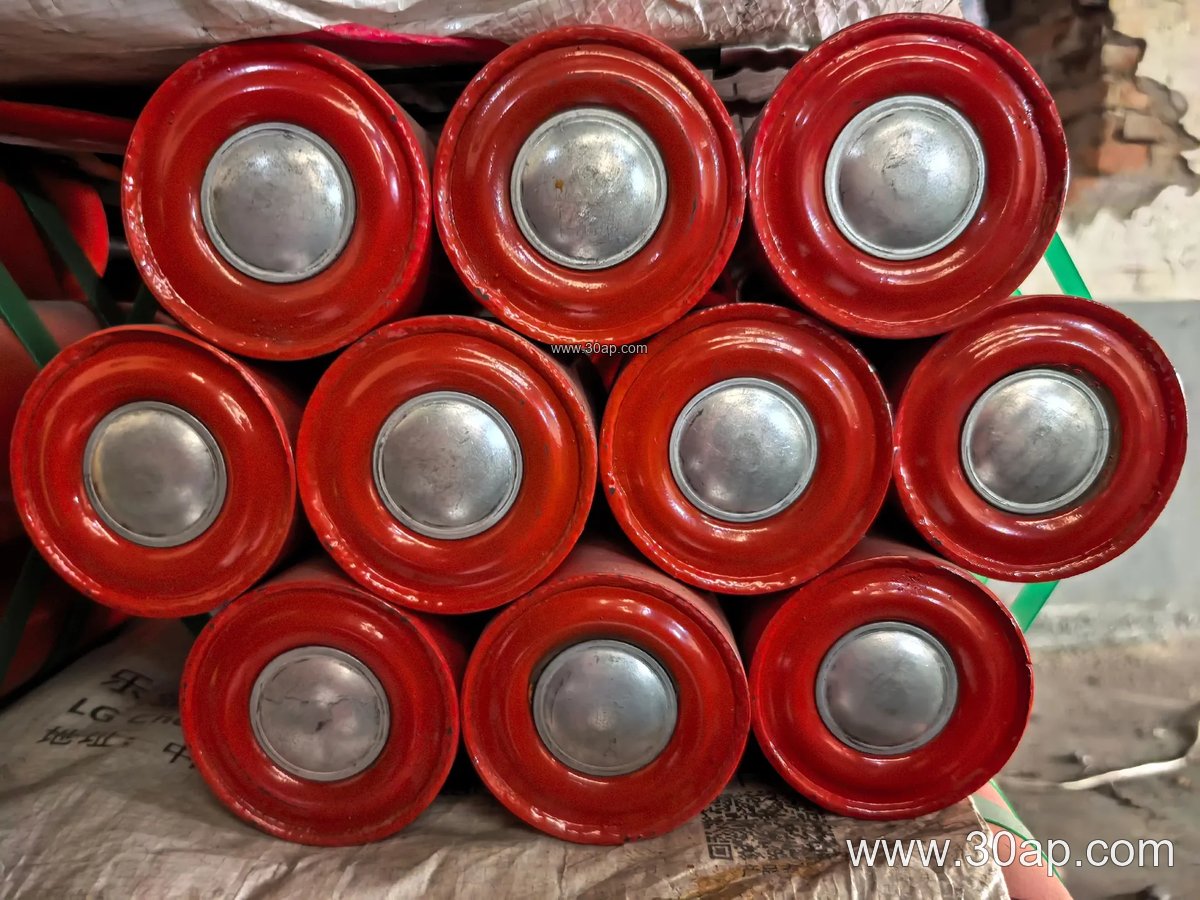
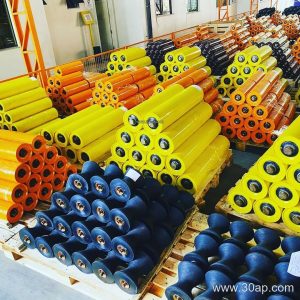
Bearing selection is matched to the load and speed. Common bearing sizes include 6204, 6205, 6305, 6306, 6308, and 6310, but the bearing is chosen with the roller diameter and load, not by belt width alone. Roller diameters for training idlers often range from Ø89 to Ø159, with larger sizes used on heavy-duty conveyors. A rubber-covered roller can improve grip on wet or dusty belts, while a plain steel roller suits cleaner, drier conditions.
Where It Fits on the Conveyor
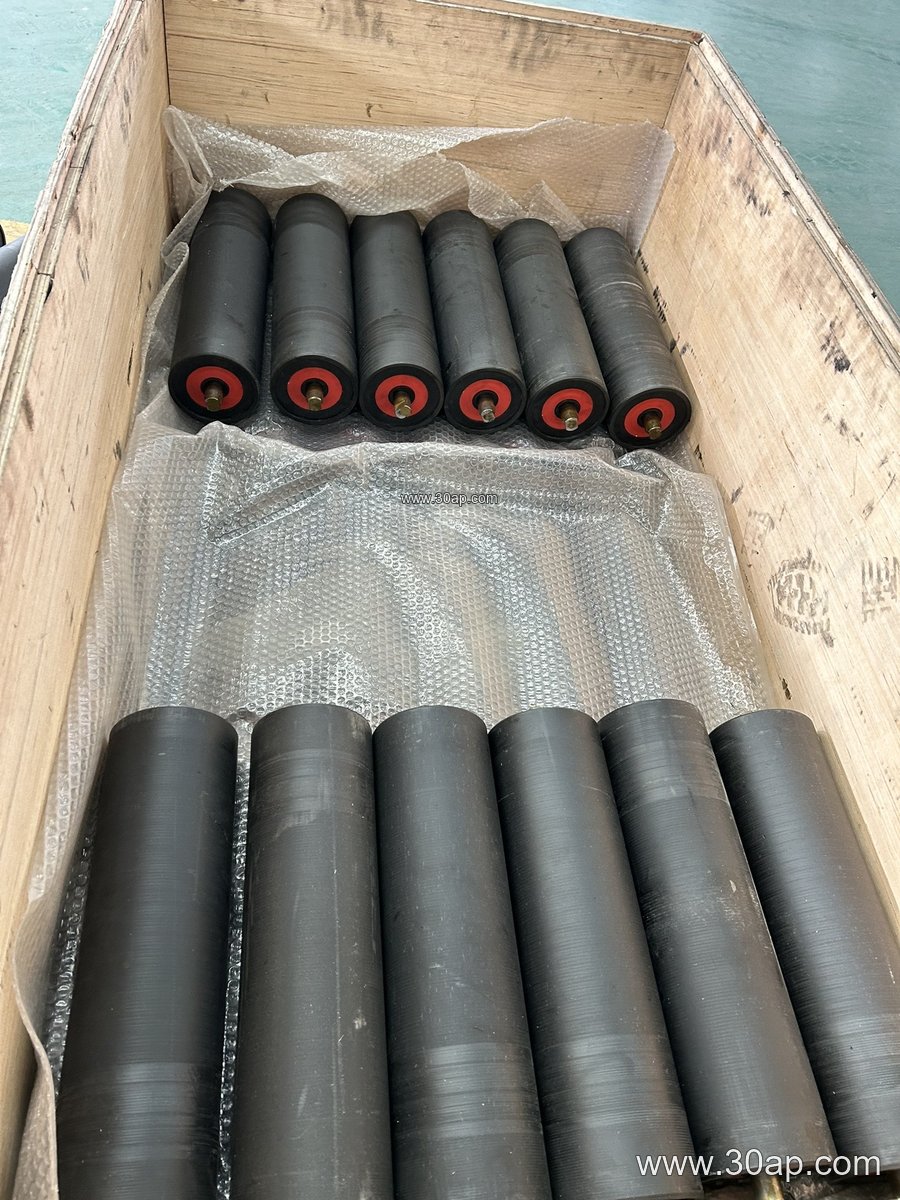
Self-aligning idlers are usually installed at intervals along the carrying run, especially after loading points and on long sections where the belt is prone to wander. In a coal mining conveyor or a cement plant, they may be placed ahead of the head pulley to center the belt before discharge. On the return side, a V-type return idler is a different component; it supports the belt but does not steer it in the same way. A self-aligning return idler, where used, is a separate subtype and should be specified as such.
These idlers work with the conveyor belt, idler roller groups, and conveyor brackets to form a stable track. They are common in bulk material handling at power plant coal yards, iron ore terminals, and stone crushing plants. In dusty or wet duty, the pivoting mechanism should be checked for build-up that could restrict movement.
Common Sizes and Selection Notes
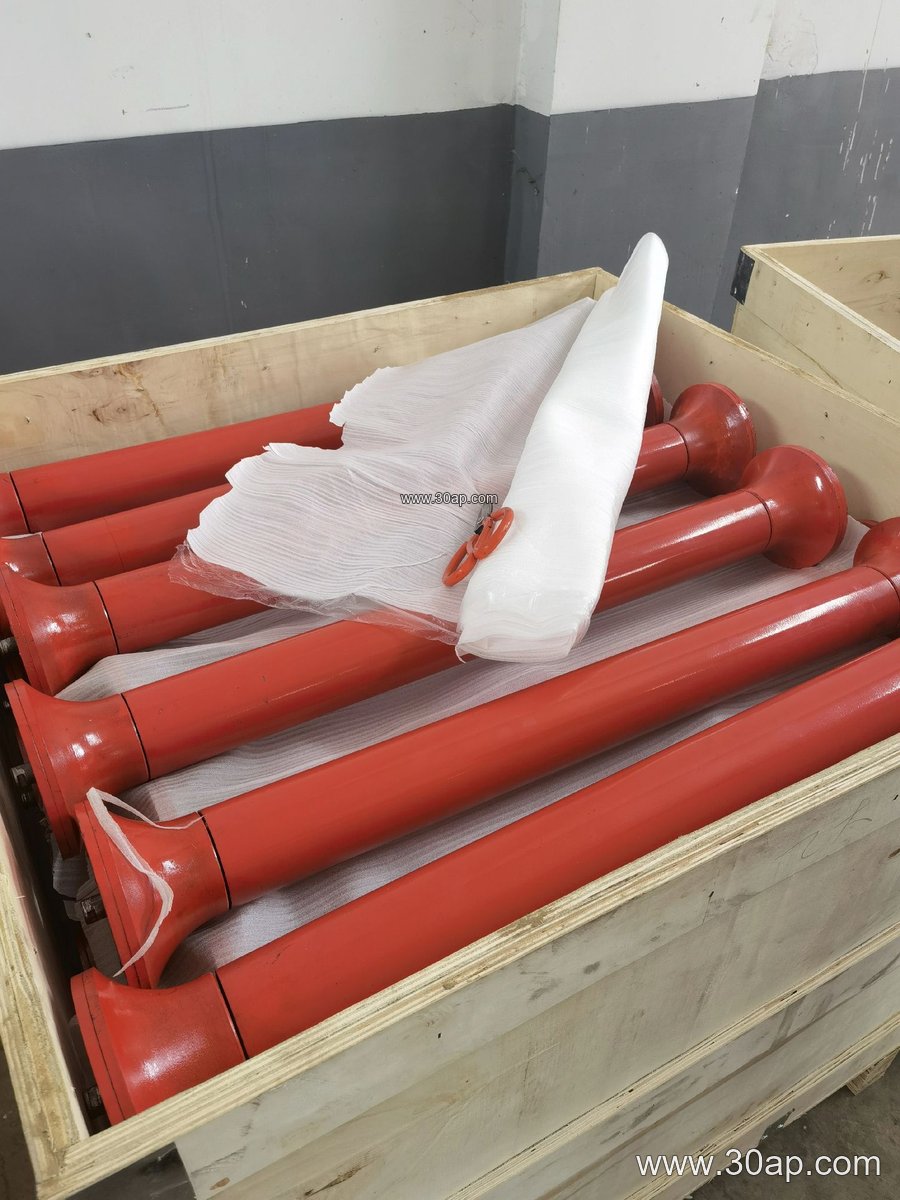
Belt width and roller length are related but not fixed. A three-roll troughing set might use a center roll of about 200 mm for B500, 315 mm for B800, 465 mm for B1200, and 600 mm for B1600, but side rolls and self-aligning frames can differ. The table below gives common reference values, not a universal match.
| Belt Width (B) | Typical Center Roll Length | Common Roller Diameter Range |
|---|---|---|
| B500 | 200 mm | Ø63–Ø89 |
| B650 | 250 mm | Ø76–Ø108 |
| B800 | 315 mm | Ø89–Ø127 |
| B1000 | 380 mm | Ø102–Ø133 |
| B1200 | 465 mm | Ø108–Ø159 |
| B1400 | 530 mm | Ø127–Ø159 |
| B1600 | 600 mm | Ø133–Ø178 |
Troughing angles of 20, 30, 35, and 45 degrees are common, and a slight forward tilt of about 1.5 to 2 degrees may be used on training idlers to assist centering. The correct combination depends on belt speed, material load, and structure. A buyer should confirm the shaft diameter and bracket pattern with the conveyor manufacturer rather than assuming a size from belt width.
Buyer Checklist
- Confirm the mounting position: carrying side or return side, and the bracket type.
- Match roller diameter to the existing idler frame and load, not only to belt width.
- Check the environment: abrasive dust, water, or heat may call for a rubber-covered or sealed design.
- Ask for the pivoting range and guide roller arrangement to ensure it suits the belt speed.
- Review compatibility with the conveyor belt and nearby conveyor pulley before installation.
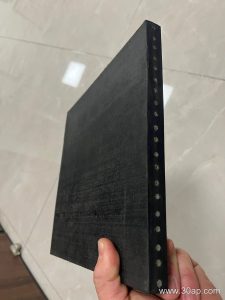
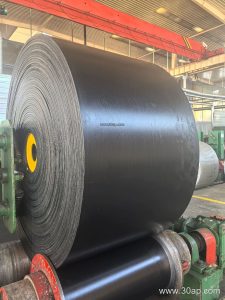
For abrasive bulk lines, an abrasion resistant conveyor belt paired with well-chosen training idlers can reduce edge wear. In coal or port service, a flame retardant conveyor belt may be required by the site, and the idler selection should follow the same duty class. Regular inspection of the self-aligning idler frame and bearings keeps the belt tracking correctly and avoids unexpected downtime.