Why the Right Conveyor Bracket Determines System Longevity
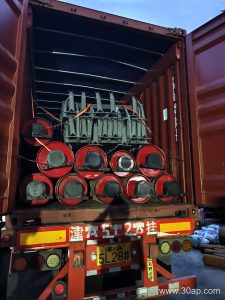
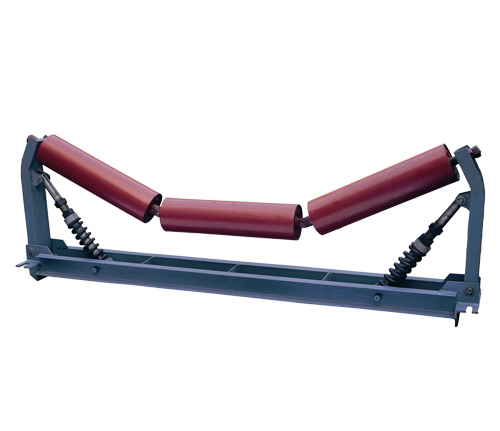
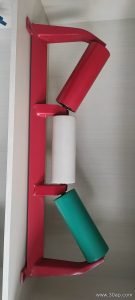
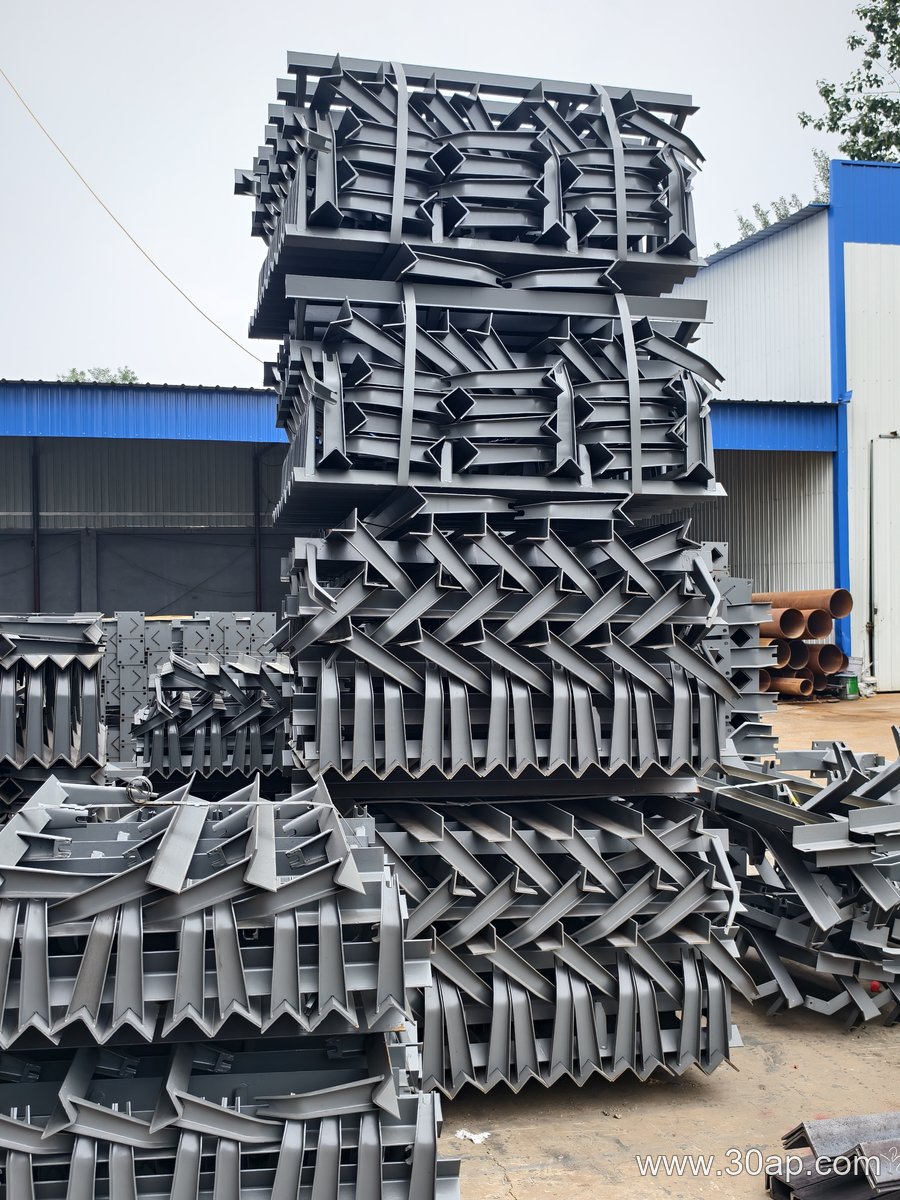
The conveyor bracket may seem like a simple steel form, but it is the critical interface between your conveyor frame and the rollers, idlers, or drives it supports. A poorly chosen bracket leads to misalignment, vibration, and premature bearing failure. When selecting a conveyor bracket, first verify the material grade—powder-coated mild steel suits dry indoor lines, while galvanized or stainless steel is mandatory for washdown, food, or corrosive environments.
Key Selection Criteria for Industrial Buyers
- Load rating: Match the bracket’s dynamic capacity to your maximum belt tension plus a 1.5 safety factor.
- Slot geometry: Choose slotted bolt holes for easy vertical adjustment during installation and realignment.
- Compatibility: Confirm the bracket’s center distance matches your existing roller shaft diameters (e.g., 20mm, 25mm, 30mm).
- Weld vs. bolt-on: Welded brackets offer rigidity for heavy impact zones; bolt-on allows modular reconfiguration.
Purchasing Advice
Request a sample bracket and torque-test it on your actual frame before bulk ordering. Check that the bracket’s mounting face is flat within 0.1mm to avoid roller skew. Always order spare brackets for critical transfer points—downtime on a single failing bracket can stop an entire packing line. For high-speed conveyors over 2 m/s, specify precision-machined brackets with sealed bearings to reduce maintenance intervals.
Understanding Conveyor Belt Fundamentals
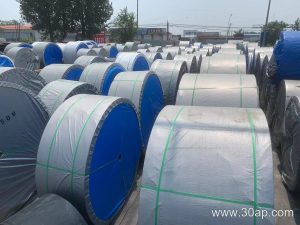
A conveyor belt is more than a moving surface; it is a precision-engineered system that determines throughput, safety, and operating costs. Choosing the wrong belt can lead to downtime, product damage, and unnecessary maintenance.
Key Factors in Conveyor Belt Purchasing
- Material compatibility: Match the belt surface to your product’s weight, temperature, and abrasiveness. For sharp or hot items, use reinforced rubber or metal mesh belts.
- Tensile strength: Calculate peak load and start-up torque. A belt with insufficient breaking strength will stretch or snap under heavy cycles.
- Environment resistance: In oily, wet, or chemical-laden settings, select belts with nitrile, PVC, or polyurethane coatings to prevent swelling or delamination.
- Tracking and tensioning: Ask about crown pulleys, auto-tensioners, and edge guides. Proper tracking reduces edge wear and misalignment claims.
Application-Specific Advice
For food handling, choose a seamless, FDA-grade belt that can be steam-cleaned. For high-speed logistics, a low-friction, fabric-reinforced conveyor belt improves transfer accuracy. Always request a load test report from the supplier before bulk order.
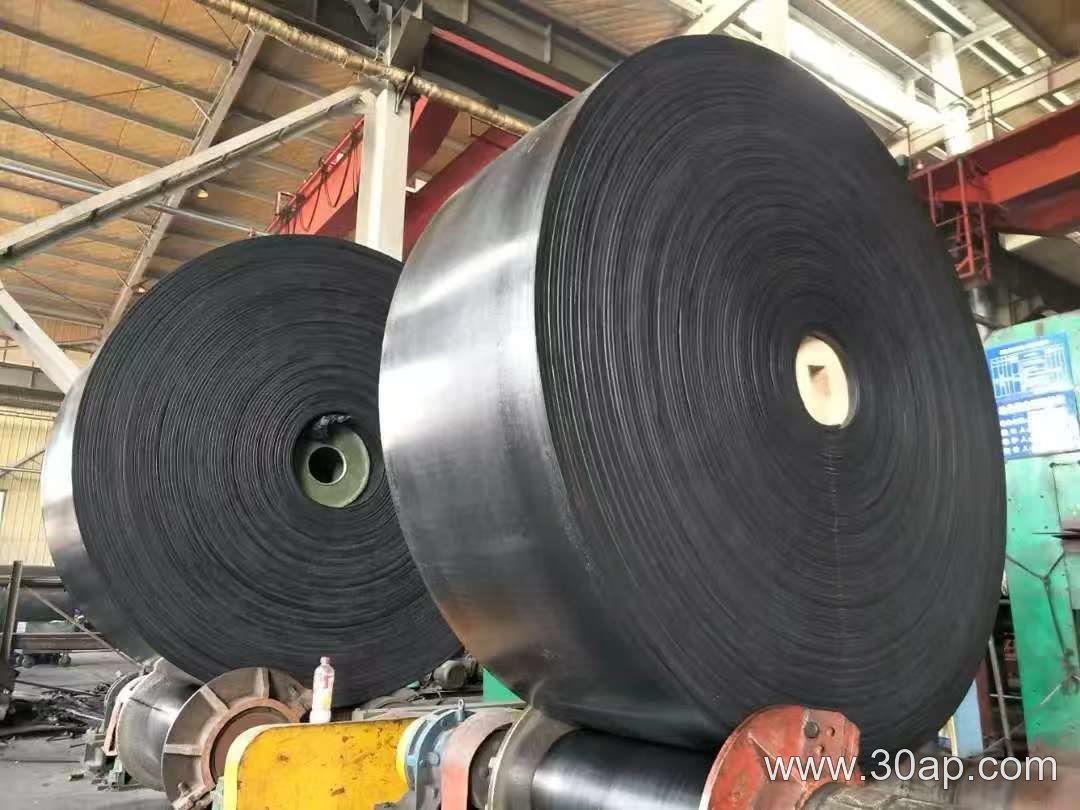
Finally, factor in splice type—mechanical fasteners are quick, but vulcanized splices offer longer service life. Balance upfront cost against total cost of ownership. A reliable conveyor belt is an investment in continuous production.
Understanding the Critical Role of the Idler Roller
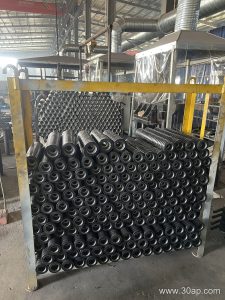
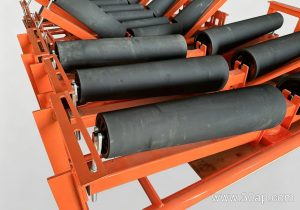
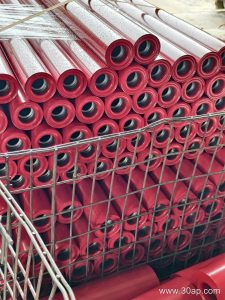
The idler roller is the unsung workhorse of any bulk material handling system. It supports the belt and cargo, shapes the belt trough, and minimizes friction along the conveyor path. Choosing the right idler roller directly impacts belt life, energy consumption, and downtime costs.
Key Factors When Choosing an Idler Roller
- Load rating: Match the roller’s dynamic load capacity to your peak material weight, not just average flow.
- Belt speed and diameter: Higher speeds require precision-balanced rollers with lower runout to prevent vibration and premature bearing failure.
- Environmental conditions: For dusty, wet, or corrosive sites, specify sealed bearings and corrosion-resistant shells (e.g., HDPE or stainless steel).
- Roller spacing: Follow manufacturer guidelines for troughing, impact, and return rollers to avoid belt sag or excessive stress.
Practical Purchasing Advice
Always request test data for radial runout and bearing life (L10). Compare total cost of ownership—not just upfront price—including energy savings from low rolling resistance. Verify that the idler roller’s shell thickness and end disc design match your impact zones, and insist on interchangeable dimensions for easy retrofit.
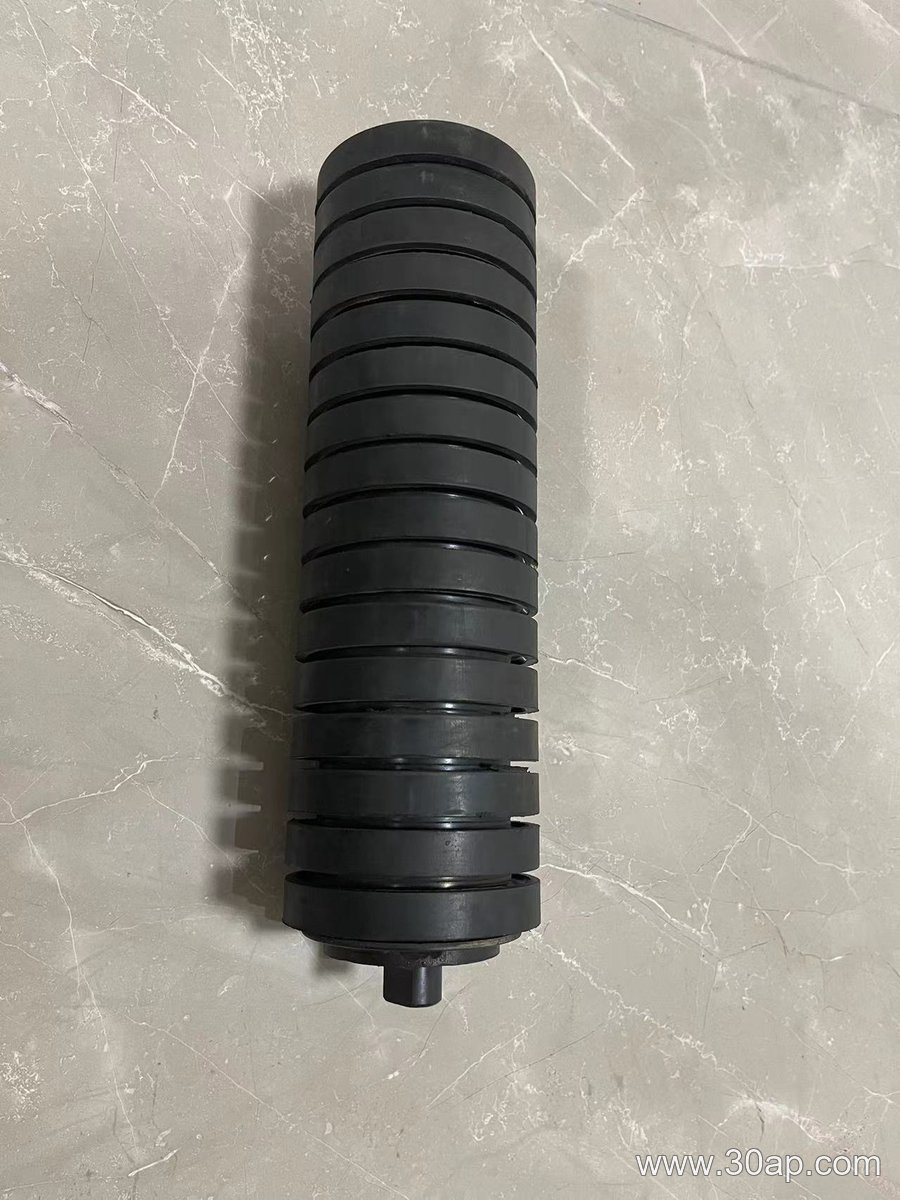
Investing in quality idler rollers pays for itself through reduced belt wear and fewer unscheduled stops. Audit your current rollers for wear patterns (e.g., shell grooving or seized bearings) and replace them proactively.
Understanding Conveyor Pulley Core Functions
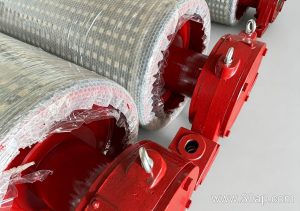
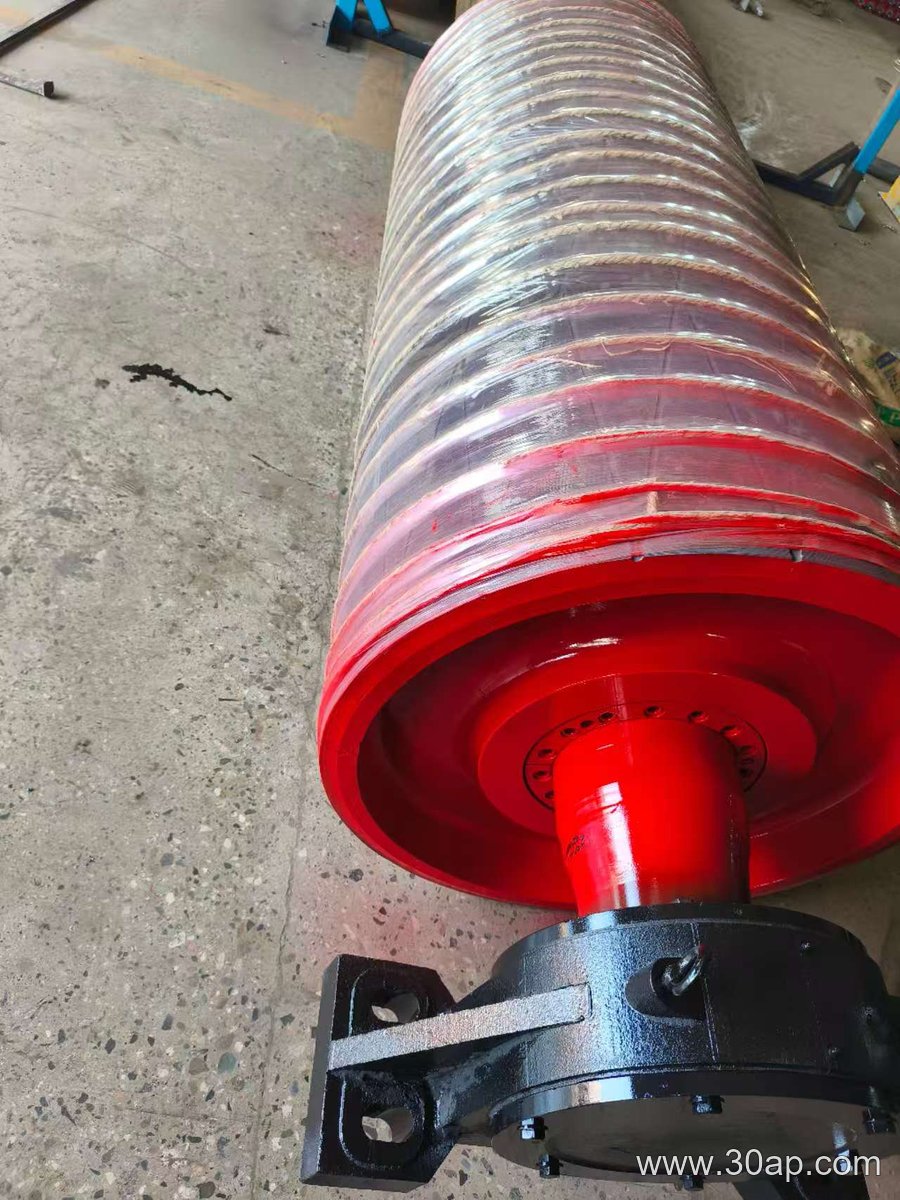
The conveyor pulley is the mechanical heart of any belt conveying system, transmitting drive torque and maintaining belt tension. Choosing the wrong pulley leads to belt slippage, misalignment, and premature bearing failure. Start by defining the system’s peak belt tension and wrap angle; these directly determine the required shaft diameter and hub design.
Key Specifications for Procurement
- Face width should exceed belt width by at least 150–200 mm to allow for tracking adjustments.
- Crown profile (2–3 mm) improves self-centering, but only for non-lagged pulleys.
- Lagging type: ceramic for wet or high-tension applications; rubber for general duty; plain steel for low-friction return idlers.
- Shaft material: verify EN 10083 or ASTM A36 with proper keyway stress analysis.
Selection and Purchasing Advice
Request a finite element analysis (FEA) report for the pulley assembly under max radial load. Insist on dynamic balancing grade G6.3 for speeds above 5 m/s. For corrosive environments, specify epoxy coating and stainless steel hubs. Finally, compare total cost of ownership—a quality pulley with replaceable lagging and sealed bearings often outlasts three cheap units, reducing downtime and spare stock.