What a 6206 Bearing Idler Is
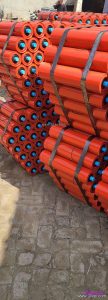
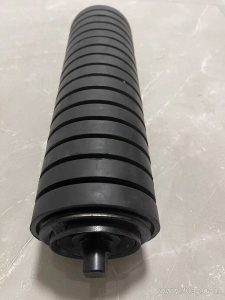
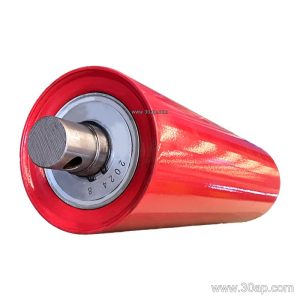
A 6206 bearing idler is a conveyor roller built around a single-row deep-groove ball bearing with a 30 mm bore. In a conveyor line, this roller supports the belt and lets it travel with low rolling resistance. The 6206 bearing is a common choice for medium-duty idlers, and it can appear in troughing sets, transition positions, and return runs depending on the load and belt width. When buyers ask for a 6206 bearing idler, they usually mean a complete roller assembly with the bearing fitted, sealed, and greased for installation.
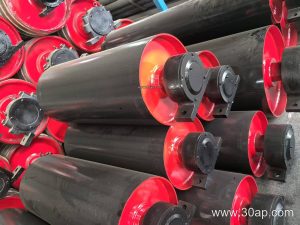
The roller itself is often called a conveyor idler roller or simply an idler. It is not a drive pulley, tail pulley, or bend pulley, and it should not be substituted for one of those components. Pulleys transmit power or change belt direction; idlers support the belt along the carrying and return sides. Keeping that distinction clear matters when specifying replacement parts for a coal mining conveyor belt, a quarry conveyor belt, or a cement plant line.
How the Roller Is Built
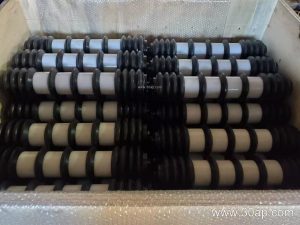
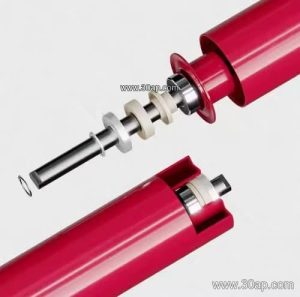
Most 6206 bearing idlers share a similar construction. A steel tube forms the roller shell, and the bearing sits in a housing at each end. Seals keep dust and water out, while the bearing cavity holds grease. The shaft passes through the bearing bore and is fixed to the conveyor bracket or frame. Roller surfaces may be plain steel, nylon, ceramic, or rubber rings, and the choice depends on whether the position needs abrasion resistance, belt protection, or material shedding.
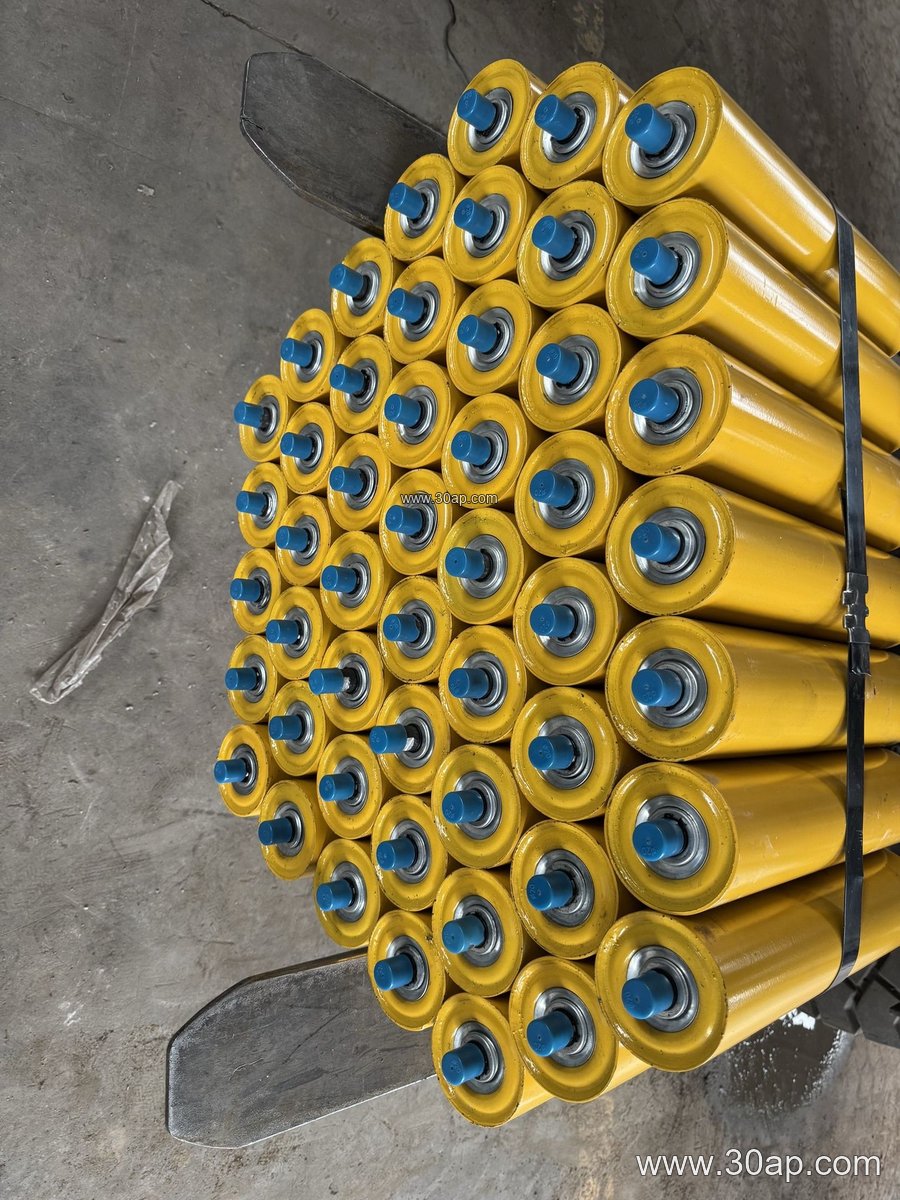
- Bearing: 6206 deep-groove ball bearing, 30 mm bore
- Shell: steel tube, sometimes with a rubber or ceramic surface
- Sealing: labyrinth or contact seal, depending on the duty
- Mounting: fixed shaft with flats or a through-shaft design
Bearing numbering is not a fixed match to roller diameter. A 6206 bearing can be used with more than one shell size, and the roller diameter should be selected from the conveyor design rather than from the bearing number alone.
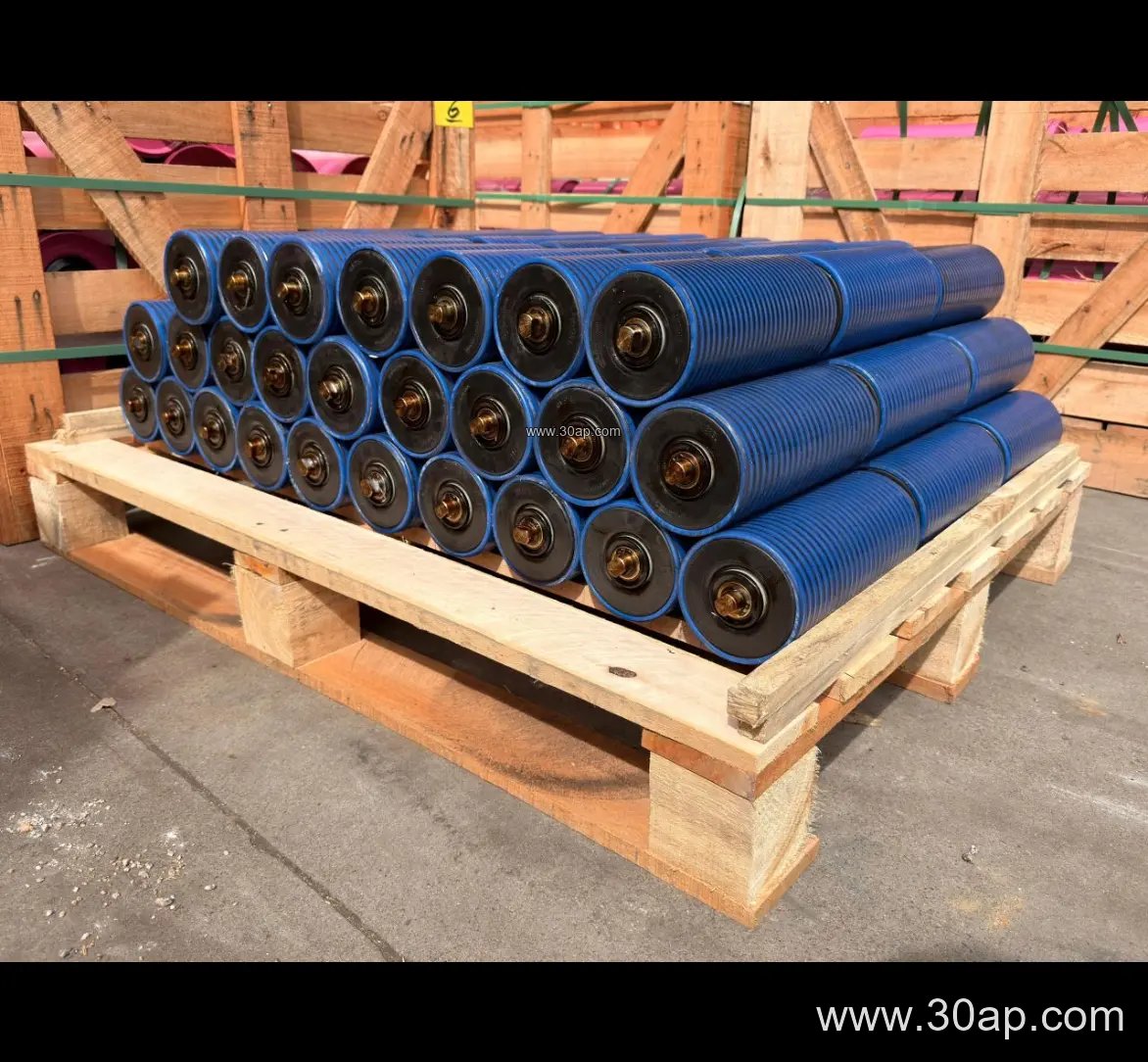
Where It Fits on the Conveyor
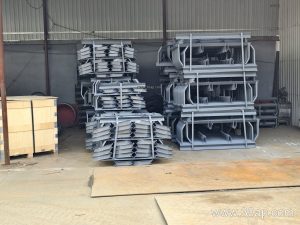
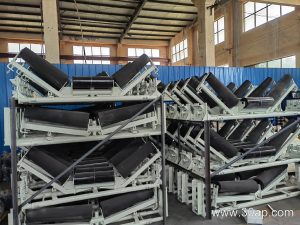
On the carrying side, 6206 bearing idlers often appear in three-roll troughing sets, where the side rollers are inclined at 20, 30, 35, or 45 degrees. The same bearing size can also be used in a two-roll set or a single-roll arrangement on narrower belts. At the tail end, transition idlers ease the belt from a flat profile into the trough. On the return side, the roller may sit in a flat return set or a V-return set, depending on belt width and the amount of material carryback.
Typical roller lengths vary with belt width and trough angle. For a three-roll troughing set, common roller lengths are around 200 mm for B500, 250 mm for B650, 315 mm for B800, 380 mm for B1000, 465 mm for B1200, 530 mm for B1400, 600 mm for B1600, 670 mm for B1800, and 750 mm for B2000. These are reference examples, not fixed rules, and side rollers can differ from the center roller.
Industries and Belt Types
You will find 6206 bearing idlers in sand and gravel plants, limestone quarries, iron ore and copper ore handling, coal preparation plants, power station coal yards, and bulk material terminals. In these settings, the idler works with a rubber conveyor belt, an EP conveyor belt, or a steel cord conveyor belt, and the belt construction affects the load the roller must carry. A heavy-duty mining conveyor belt on a primary crusher line puts more demand on the idler than a light aggregate conveyor belt on a short transfer.
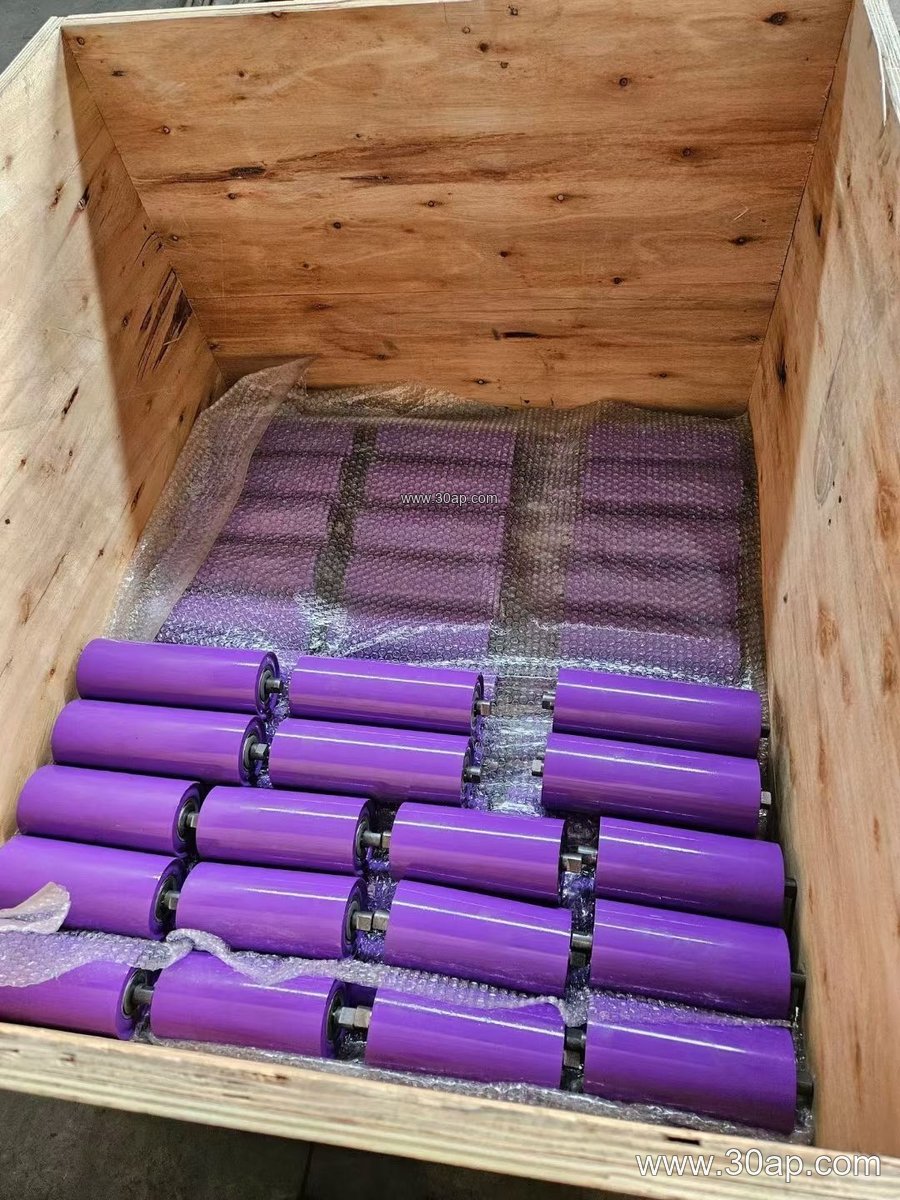
Where the belt carries hot clinker or sinter, a heat resistant conveyor belt may be used, and the idler position should be checked for temperature effects on grease and seals. In dusty coal handling, a flame retardant conveyor belt is common, and the idler seals need to resist fine dust. For oily scrap or recycled material, an oil resistant conveyor belt may be paired with idlers that keep lubricant away from the rubber.
Selection Points for Buyers
Before ordering, confirm the roller diameter, the roller length, the shaft end shape, and the trough angle of the set. Check whether the position is carrying or return, and whether the roller needs a rubber ring for impact absorption. Confirm the bearing is a genuine 6206 and that the seal type suits the environment. On a coal mining conveyor belt or an underground mining conveyor belt, flame retardant and anti-static properties may be required for the belt, and the idler should be compatible with that installation.
Also check the conveyor bracket and frame dimensions. A roller that fits the bearing but not the bracket will not install cleanly. For a replacement program, keep a small stock of common lengths and record the roller diameter and bearing number for each position. That record makes future orders faster and reduces the risk of fitting the wrong roller on a bend pulley station or a drive station.