What a Disc Idler Does
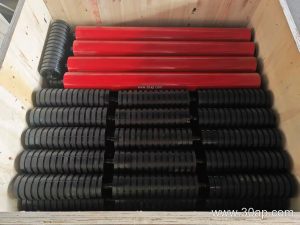
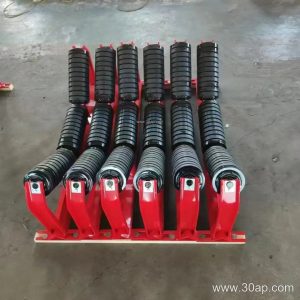
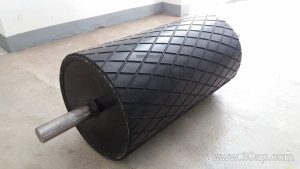
A disc idler is a roller built with a series of discs, usually rubber or polymer, mounted along the shaft instead of a single continuous shell. The discs contact the belt and support it while allowing fines and moisture to fall away between them. In a quarry or a limestone mine, this self-cleaning action helps keep the return strand from building up sticky material. The same idea appears on the carrying side where impact and material carry-back are concerns.
The disc idler is a distinct component from a conveyor pulley. Drive, tail and bend pulleys transmit power or change belt direction, while a disc idler only supports and guides the belt. It also differs from a plain troughing idler, which uses a smooth steel or rubber-covered shell. Both belong to the idler roller family, but they solve different problems.
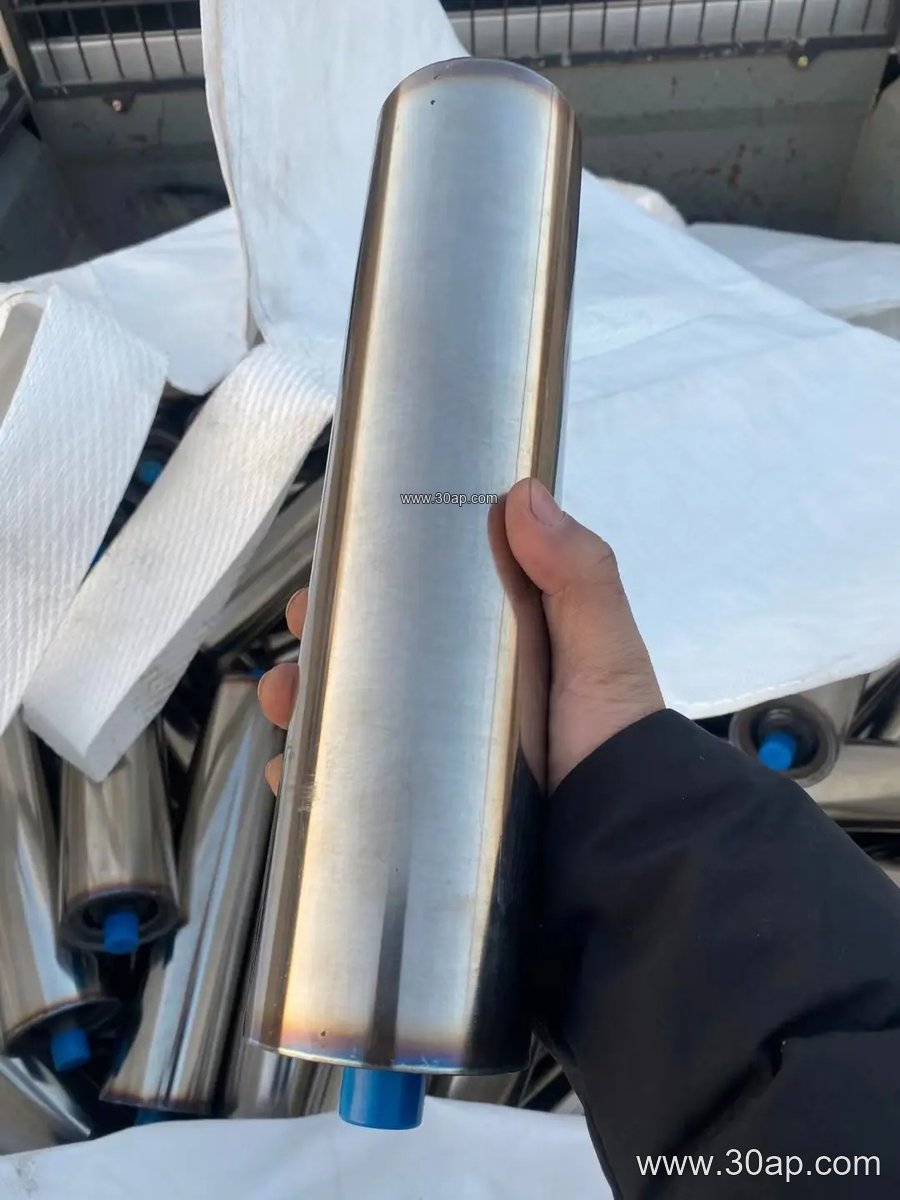
Construction Details
A typical unit has a steel shaft, pressed bearing housings, and a set of discs held between end plates. Disc material may be rubber, polyurethane or nylon, selected for abrasion and adhesion conditions. Bearing sizes commonly range from 6204 to 6310 depending on load and shaft diameter. Seals are important because dust from a crusher or a coal handling plant will shorten bearing life if it enters the housing.
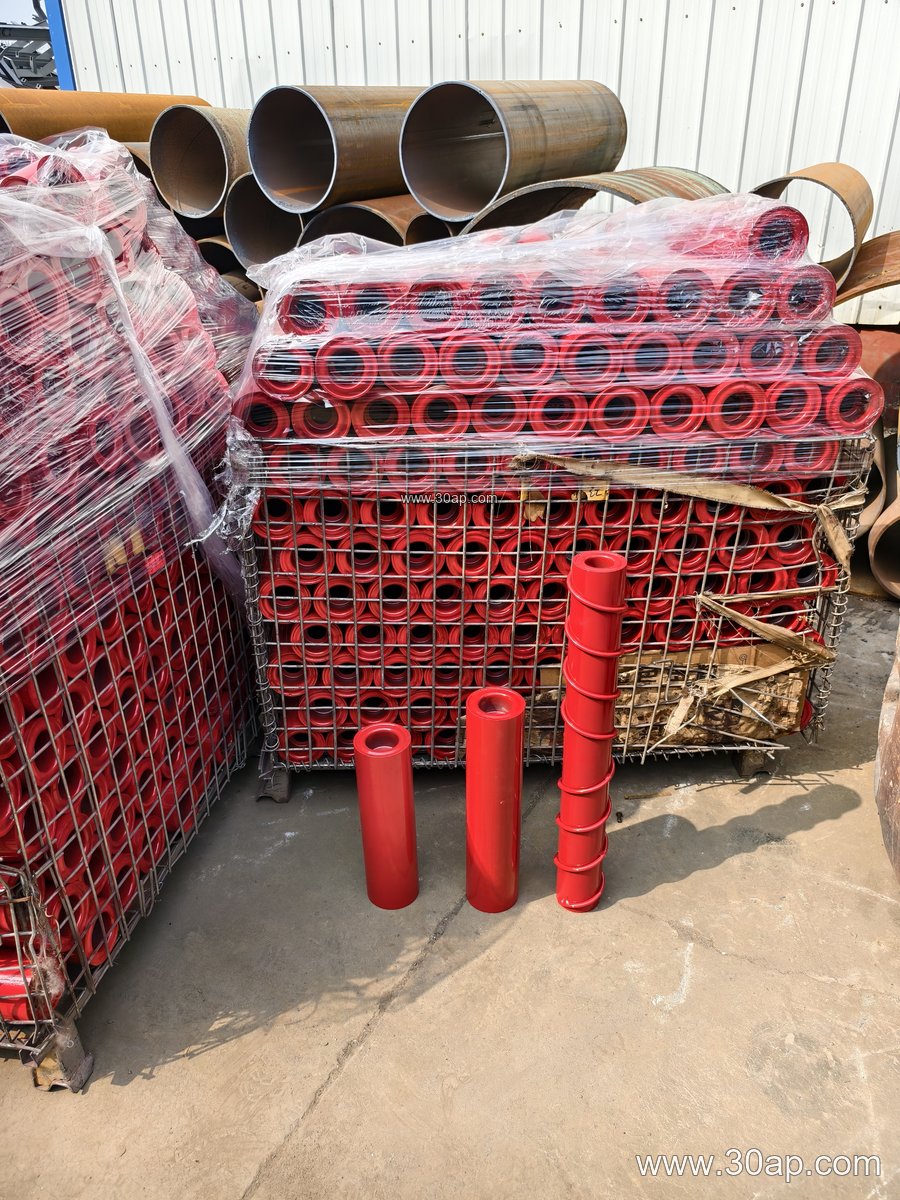
The roller face can be described by disc diameter and spacing rather than a single shell length. Common roller diameters for idlers in general include Ø63, Ø76, Ø89, Ø102, Ø108, Ø127, Ø133, Ø159, Ø178, Ø194 and Ø219 mm. Disc spacing and disc thickness are usually set by the manufacturer for the application, so a buyer should confirm these values rather than assume them from belt width alone.
Where Disc Idlers Fit
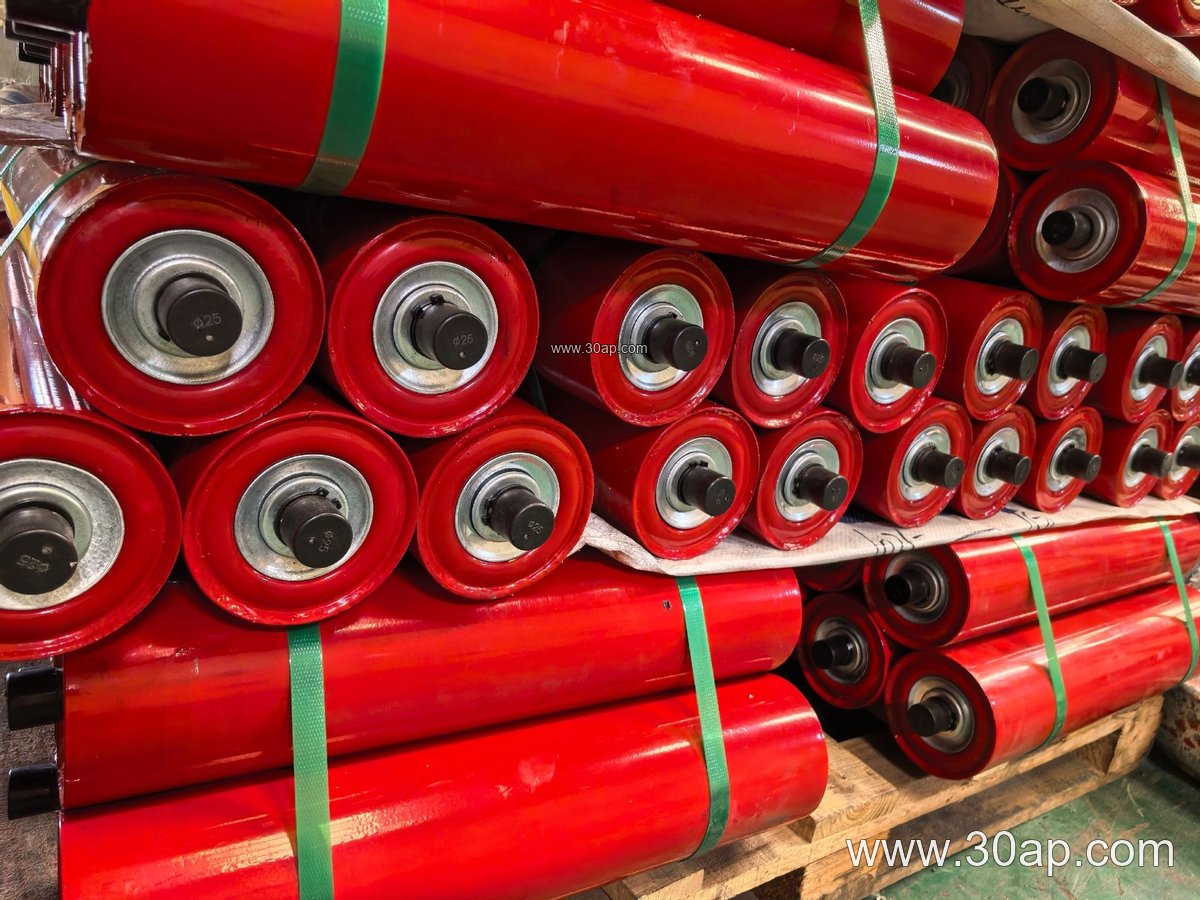
These rollers are often used on the return run of a belt conveyor in sand and gravel plants, cement works and power plant coal yards. They can also appear at transfer points where a normal roller would collect damp fines. On a belt carrying abrasive ore from an iron ore or copper ore circuit, a rubber disc surface may be preferred over steel to reduce wear on the belt cover. The choice depends on the conveyor belt type, the material and the environment.
For a belt such as an EP conveyor belt or a multi-ply fabric core conveyor belt, the idler spacing and disc profile should match the belt stiffness. A heavy-duty mining conveyor belt may need larger diameter rollers and stronger bearings. On a steel cord conveyor belt running at high tension, the support system is usually engineered as a whole, and disc idlers are selected only where their cleaning or impact behavior adds value.
Selection and Sizing Notes
Belt width is one input, not the only one. Standard belt widths include B400, B500, B650, B800, B1000, B1200, B1400, B1600, B1800, B2000, B2200 and B2400. The idler length and the number of discs vary with the trough angle and the idler set arrangement. Common trough angles are 20, 30, 35 and 45 degrees. A three-roll troughing set and a single-roll set do not use the same roll length, and the side rolls can differ from the center roll.
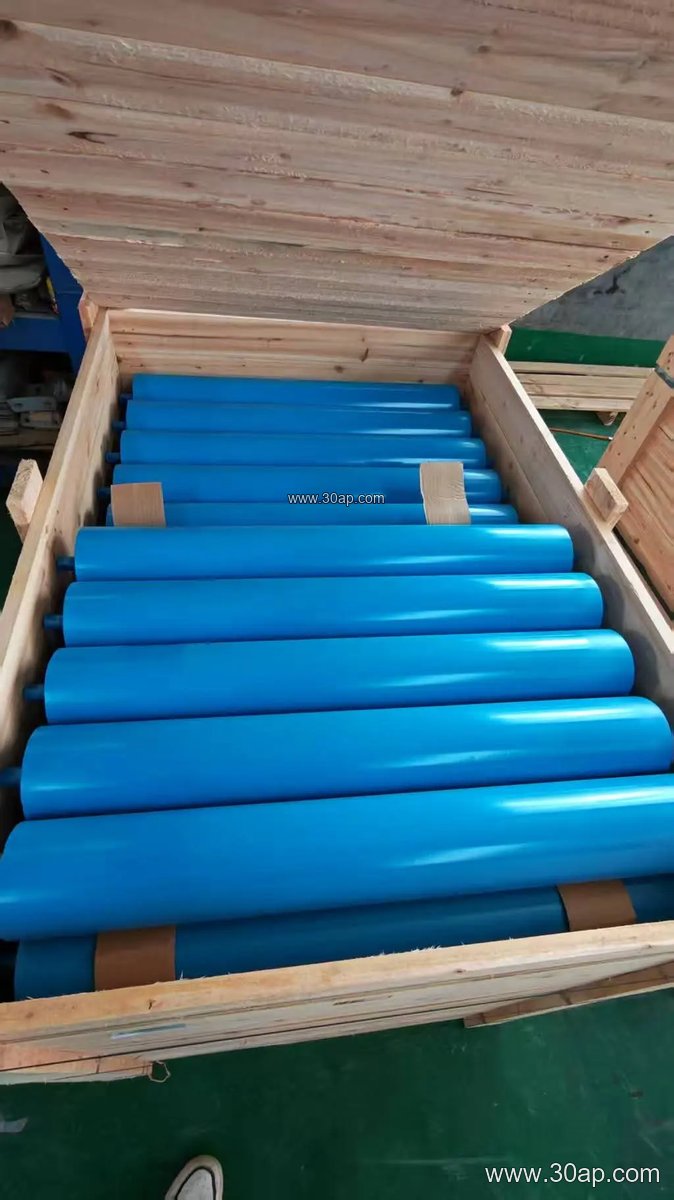
| Parameter | Common Reference Range |
|---|---|
| Roller diameter | Ø63 to Ø219 mm |
| Bearing size | 6204, 6205, 6305, 6306, 6308, 6310 |
| Belt width | B400 to B2400 |
| Trough angle | 20, 30, 35, 45 degrees |
| Disc material | Rubber, nylon, polyurethane, ceramic |
These figures are reference data, not a guarantee that every combination is stocked. A 1200mm wide conveyor belt does not automatically dictate one shaft diameter, and a given belt width can work with more than one pulley or roller diameter. The buyer should provide belt width, belt speed, material type, loading condition and ambient temperature so the supplier can propose a suitable disc idler.
Buyer Checklist
- Confirm the belt width and the idler set form before ordering.
- State whether the location is carrying or return side, and whether impact or stickiness is the main issue.
- Ask for disc material, disc spacing, shaft diameter and bearing size in writing.
- Check seal type for dusty sites such as a crushing and screening line or a coal preparation plant.
- Match the roller to the conveyor bracket and frame dimensions.
For abrasive service, an abrasion resistant conveyor belt paired with rubber disc rollers can reduce maintenance. For hot material, a heat resistant conveyor belt may need a different support arrangement. In every case, the disc idler should be treated as one part of the conveyor system, not as a universal replacement for troughing, impact or self-aligning idlers.