What a Carbon Steel Conveyor Bracket Does
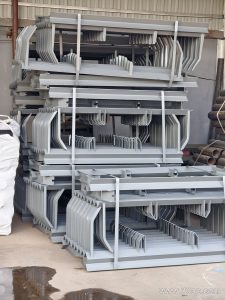
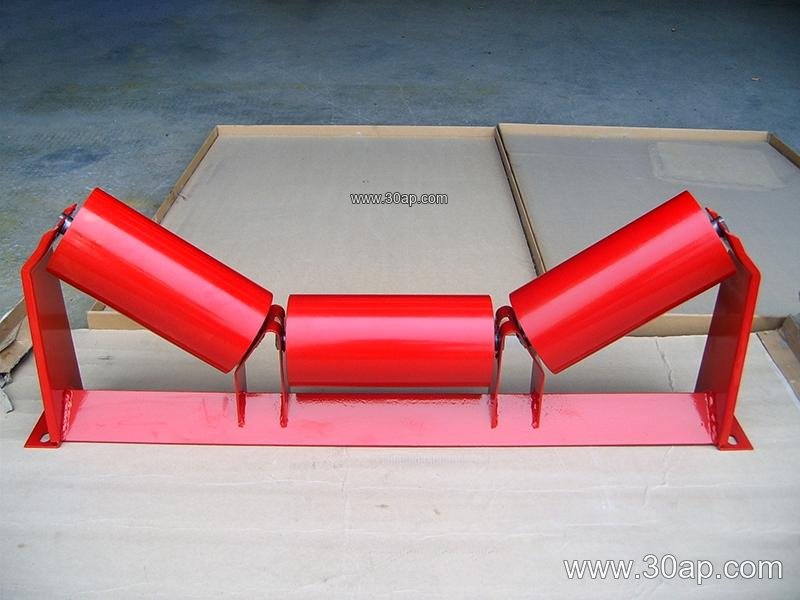
A carbon steel conveyor bracket is the structural support that holds idler rollers in position along a belt conveyor. It carries the weight of the loaded belt and keeps the idlers at the correct angle, spacing and height so the conveyor belt tracks smoothly. In a cement plant, a quarry or a power plant coal yard, these brackets are usually the quiet workhorses behind a stable belt line, while the conveyor pulley and drive unit take the visible load.
Because the bracket is made from carbon steel, it offers a good balance of stiffness and cost. Typical builds use angle steel, channel steel or folded steel plate, welded and drilled to match the mounting holes of the idlers. The exact hole spacing and crossbeam length are determined by belt width and trough angle, so there is no single fixed dimension that fits every conveyor.
Common Bracket Types and Where They Sit
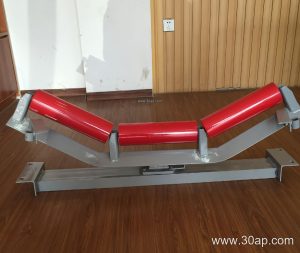
The troughing bracket is the most familiar form. It supports the three-roller (or five-roller) set that shapes the belt into a trough on the carrying side. Transition brackets are placed near the head and tail, easing the belt from a flat to a troughed profile. On the return side, return brackets, flat lower brackets and V-type return brackets hold the belt and help with tracking.
- Troughing and upper troughing brackets – carrying side, main load zone
- Transition brackets – near the conveyor pulley at head and tail
- Return and V-type return brackets – return strand, belt support and centering
- Impact brackets – under crusher discharge and loading points
- Self-aligning and forward-leaning brackets – tracking correction
- Adjustable brackets – trough angle can be changed on site
Adjustable brackets are useful where the same frame must handle different belt conditions. Fixed brackets are simpler and common on long, steady runs. Neither is universally better; the choice depends on the duty and how much field adjustment the site wants.
Matching Bracket, Belt and Idler
Belt width and roller diameter should be considered together. Common belt widths include B500, B650, B800, B1000, B1200 and up to B2000 and B2200 for wide installations. Idler diameters such as Ø89, Ø108, Ø133, Ø159 and Ø194 are chosen according to load and belt speed, not belt width alone. Trough angles of 20, 30, 35 and 45 degrees are typical, and forward-leaning idlers often sit at about 1.5 to 2 degrees.
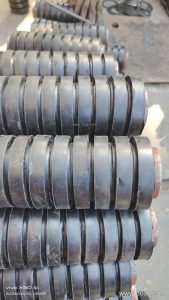
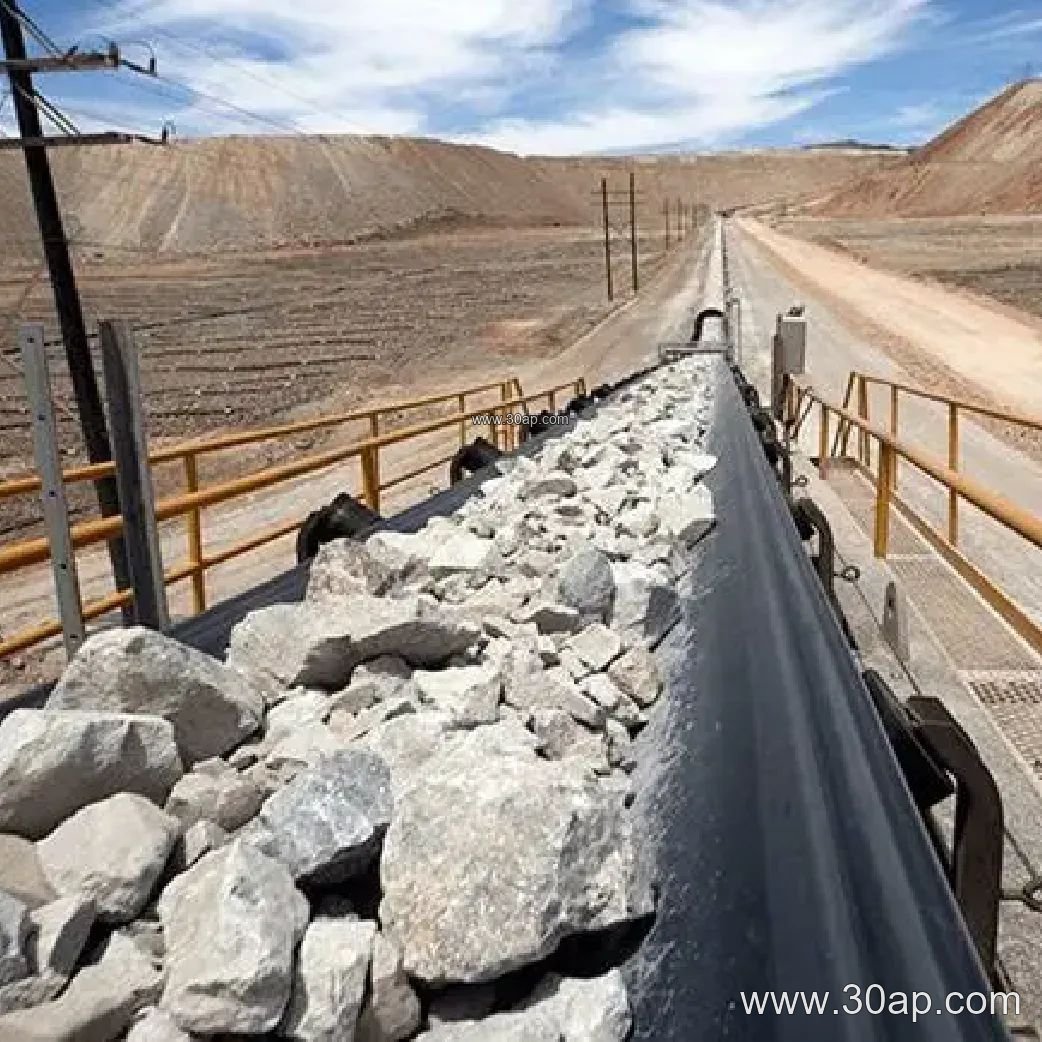
A bracket does not work alone. It must line up with the idler roller frames, clear the conveyor belt edges and leave room for the pulley and take-up. On a heavy-duty mining conveyor carrying ore or rock, a rigid carbon steel bracket with a well-matched trough angle reduces belt edge stress. On a lighter aggregate conveyor, a simpler fixed bracket may be enough.
Reference Dimensions at a Glance
The values below are reference examples only. Actual dimensions follow the conveyor design, and a single belt width can be paired with more than one trough angle or roller diameter.
| Belt width | Typical trough angle | Typical idler diameter |
|---|---|---|
| B500 / B650 | 20° – 30° | Ø89 / Ø108 |
| B800 / B1000 | 30° – 35° | Ø108 / Ø133 |
| B1200 / B1400 | 35° – 45° | Ø133 / Ø159 |
| B1600 / B1800 | 35° – 45° | Ø159 / Ø194 |
| B2000 / B2200 | 35° – 45° | Ø194 |
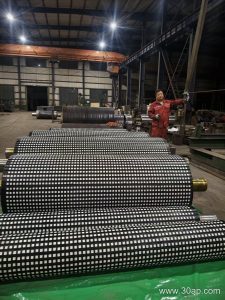
Where a project uses EP conveyor belt, steel cord conveyor belt or a flame retardant conveyor belt for underground coal mining, the bracket spacing and roller load rating should be reviewed against the belt tension and material weight. Abrasion resistant conveyor belt and heat resistant conveyor belt also affect the surrounding hardware, because dust, heat and fines can build up around the bracket and idler roller.
Buyer Checklist
- Confirm belt width and trough angle before ordering, since mounting holes are drilled to suit.
- Check the roller diameter the bracket is designed for, for example Ø108 or Ø133.
- Ask for the steel section used – angle, channel or folded plate – and the surface treatment.
- Review the load zone: impact brackets may be needed under a crusher or transfer point.
- Plan for adjustment if the conveyor will run different materials or belt types.
For bulk material handling in a sand and gravel line, a coal washing plant or a port ship loader, the carbon steel conveyor bracket is a small part of the budget but a large part of belt reliability. Pairing it correctly with the conveyor belt, idler roller and conveyor pulley keeps the line running and reduces downtime.
Learn more about matched conveyor components at gdconveyorbelt.com and review bracket options at gdconveyorbelt.com/carbon-steel-conveyor-bracket.