What a Construction Industry Conveyor Belt Does
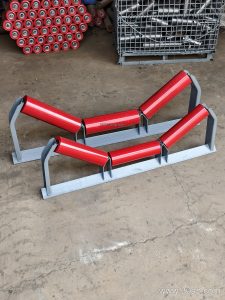
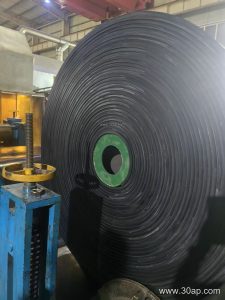
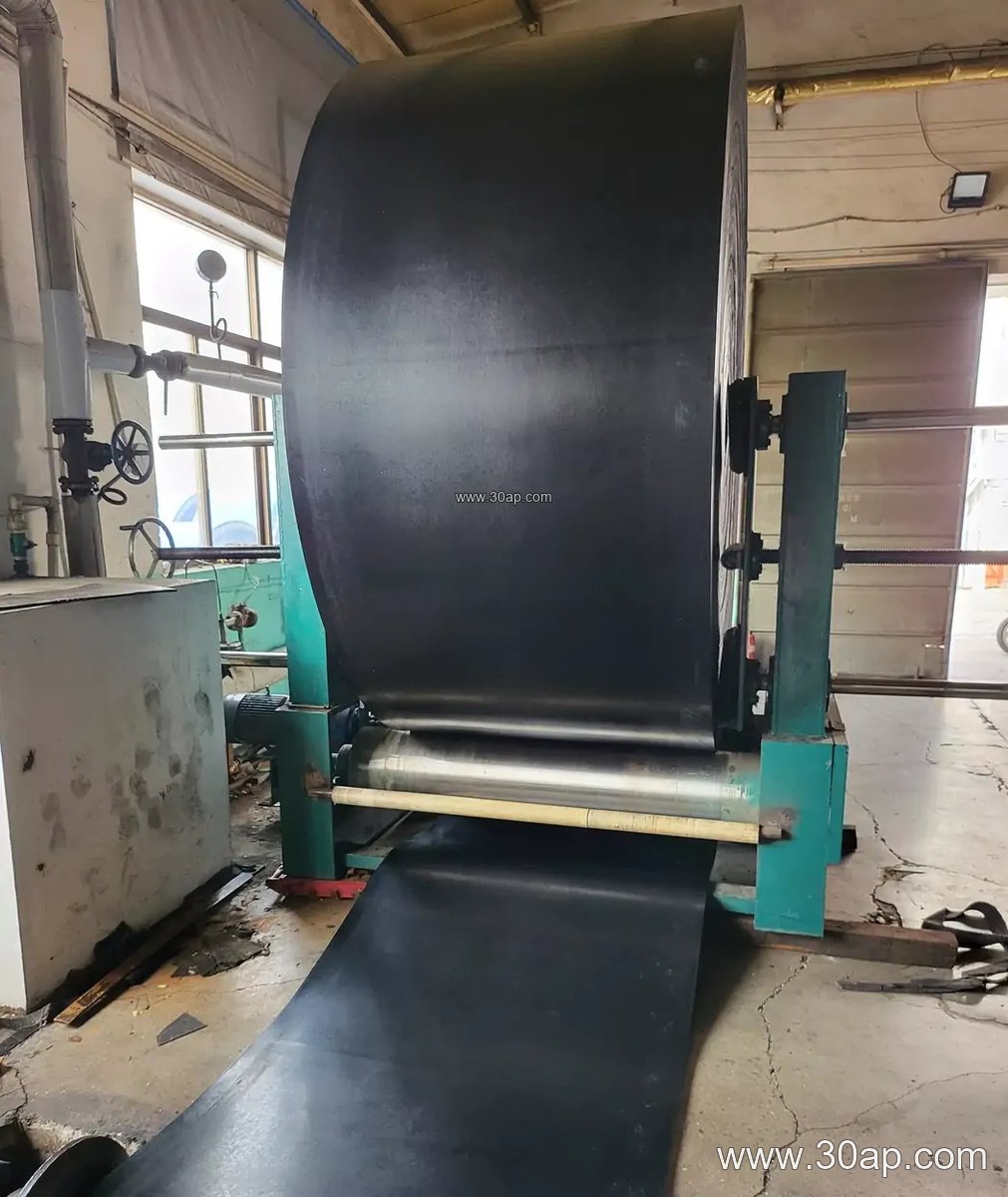
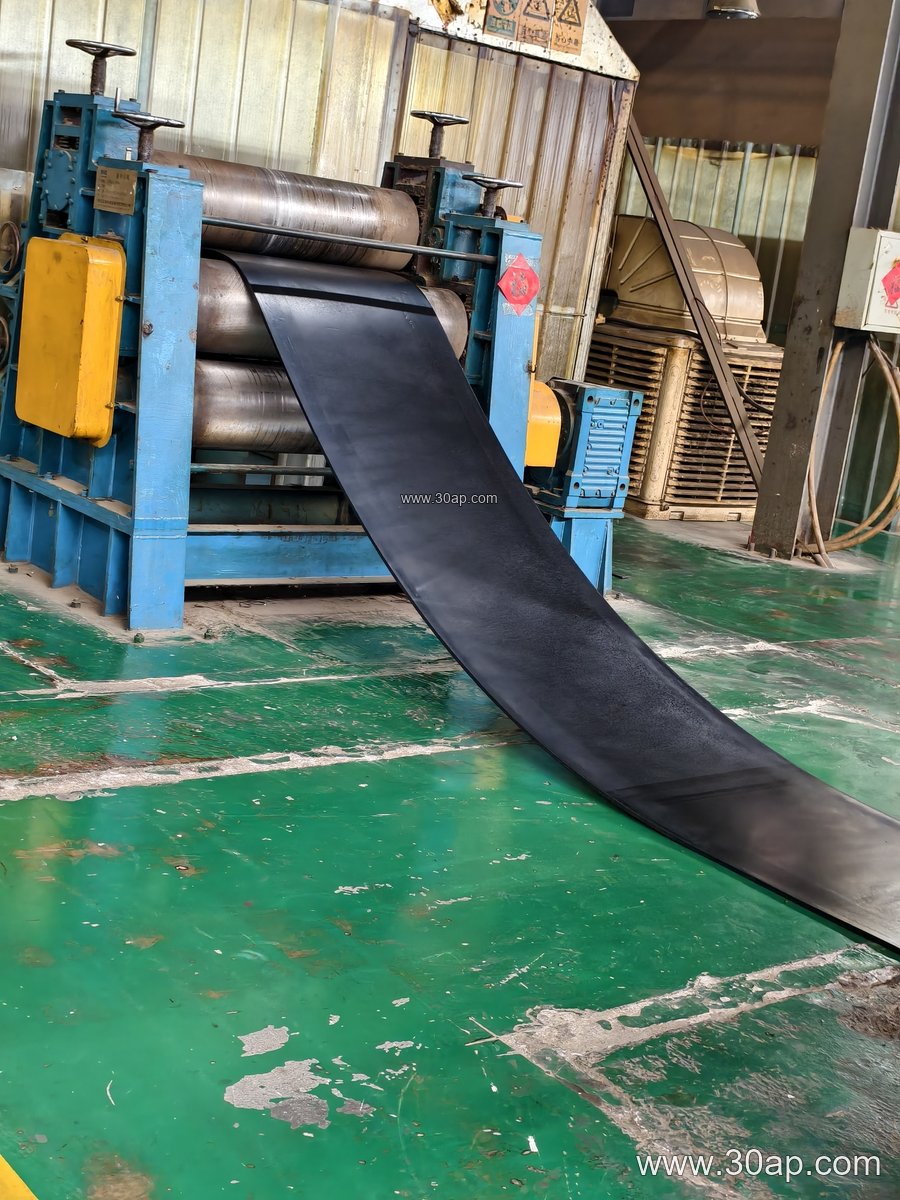
A construction industry conveyor belt is the continuous moving surface that carries aggregate, sand, cement, crushed stone, and recycled debris across a jobsite or processing plant. It is a heavy‑duty fabric or steel‑reinforced rubber belt designed to withstand sharp edges, abrasive loads, and outdoor weather. In quarries, concrete plants, and demolition sites, this belt keeps material flowing from crushers to screens and stockpiles. It works alongside conveyor pulleys, idler rollers, and conveyor brackets to form a complete conveyor system.
How the Belt Is Built
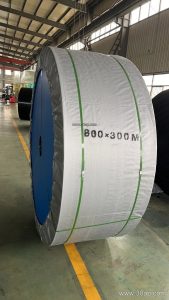
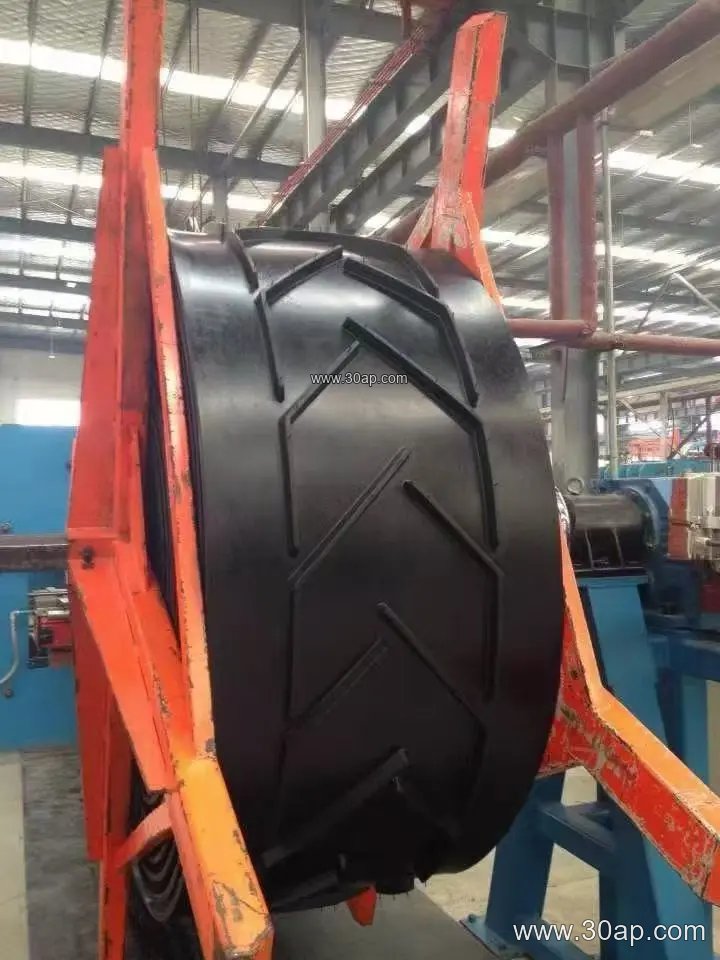
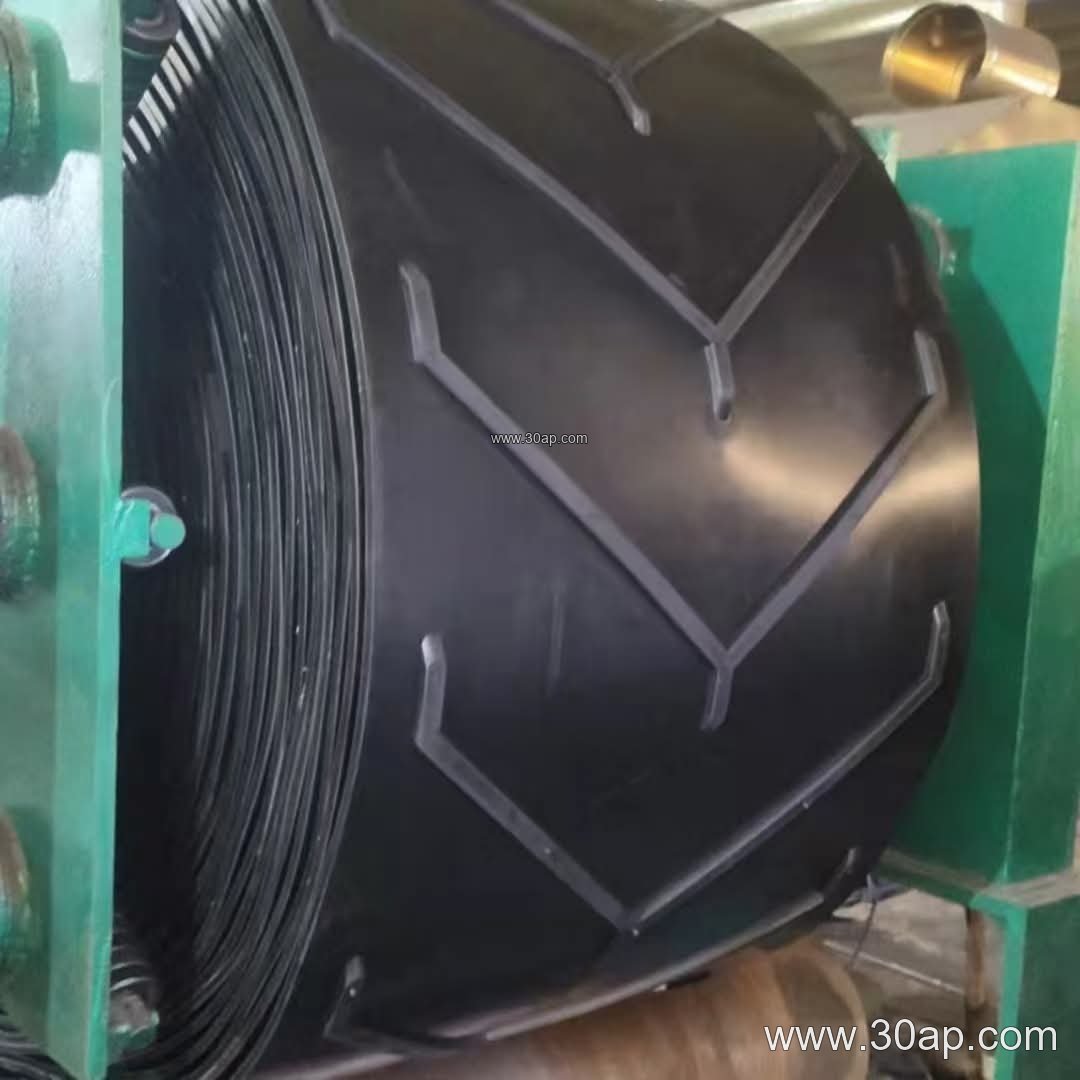
Most construction conveyor belts use a multi‑ply fabric core (EP or NN) or a steel cord core, covered with rubber on both sides. The cover grade determines resistance to abrasion, heat, oil, or flame. For example, an abrasion resistant conveyor belt protects against sharp gravel, while a heat resistant conveyor belt suits hot asphalt or cement clinker. The belt edges may be plain, or fitted with corrugated sidewalls and cleats for steep inclines. A chevron conveyor belt (patterned surface) helps prevent material rollback on slopes. Widths commonly range from 500 mm to 2000 mm, and thickness is specified by cover gauge plus core.
Typical Construction Site Applications
- Quarry and aggregate: moving crushed rock, sand, and gravel; often uses EP conveyor belt with 3+1.5 or 4+2 mm covers.
- Cement plants: transporting clinker, limestone, and cement; heat resistant or abrasion resistant grades are common.
- Demolition and recycling: handling broken concrete, bricks, and metal fragments; heavy‑duty belt with impact resistance.
- Tunnel and underground works: flame retardant and anti‑static belts for safety.
- Port and ship loading: wide belts (e.g., 1200 mm or 1400 mm) for high tonnage.
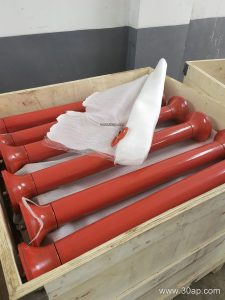
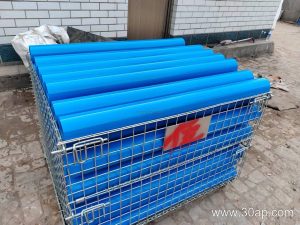
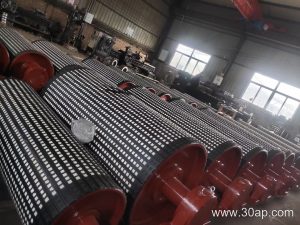
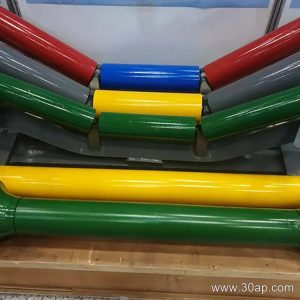
In these settings, the belt interacts with conveyor pulleys (drive, tail, and bend types are not interchangeable), idler rollers that support the load, and sturdy conveyor brackets. A misaligned or worn pulley quickly damages even a high‑quality belt.
Key Specifications and Common Configurations
Buyers should match belt strength and cover thickness to the material and operating conditions. Below are typical reference values; actual supply varies by manufacturer and design.
| Property | Common options |
|---|---|
| Core type | EP fabric (2–6 plies), NN fabric, steel cord |
| Tensile strength (EP) | EP200, EP315, EP400, EP500, EP630, EP800, EP1000, EP1250, EP1600 |
| Belt width | B500, B650, B800, B1000, B1200, B1400, B1600, B1800, B2000 |
| Cover thickness (top+bottom) | 3+1.5 mm, 4+2 mm, 5+2 mm, 6+2 mm, 8+3 mm |
| Special grades | Flame retardant, heat resistant, oil resistant, cold resistant, anti‑static |
For example, an EP1000 belt with 6+2 mm covers might be used in a primary crushing circuit, while a 1200 mm wide EP630 belt with 4+2 mm covers suits a screening plant. Steel cord belts (e.g., ST1000 to ST3150) are chosen for very long hauls or high tension. Note that belt width alone does not dictate pulley diameter; the conveyor designer calculates shaft and pulley sizes from total tension and load.
Selection and Maintenance Tips
Choose the belt grade based on the most severe condition: abrasion, heat, oil, or flame. For outdoor construction in cold climates, a cold resistant belt prevents cracking. In dusty or explosive environments, anti‑static and flame retardant properties are essential. Ensure the conveyor pulley lagging and idler rollers are compatible with the belt cover to avoid slippage or wear. Regular inspection of belt edges, splices, and tracking prevents downtime. Keep the belt clean and avoid overloading beyond its rated strength.
When specifying a construction industry conveyor belt, provide the material type, lump size, capacity, incline angle, and ambient conditions. This helps suppliers recommend the right core, cover, and width—whether a standard EP conveyor belt or a specialized chevron or corrugated sidewall version. Remember that drive, tail, and bend pulleys serve different functions and cannot be substituted for one another.