What a Custom Idler Really Means
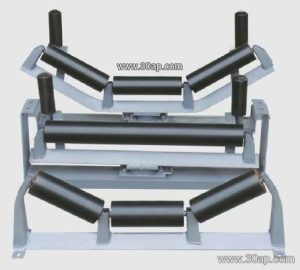
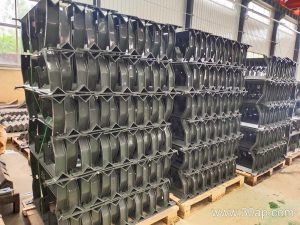
A custom idler is a belt-carrying roller assembly built to match the actual geometry, load pattern and environment of one conveyor line rather than being picked from a short catalogue list. In practice, the term usually covers the full assembly: the roller shell, the shaft, the bearing housing, the sealing arrangement and, where needed, the bracket that fixes it to the conveyor frame. Buyers in a quarry, a cement plant or a power plant coal yard often need this flexibility because standard troughing sets rarely fit every transition, loading point and return run on the same machine.
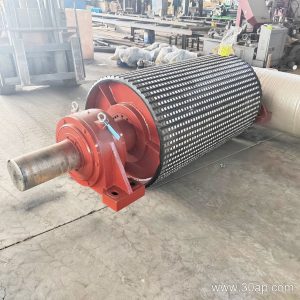
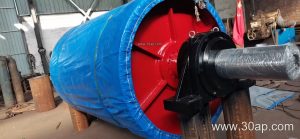
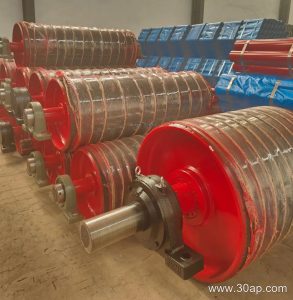
The same product is also described as a custom idler roller or a made-to-order carrying roller. Those names point to the same item; they do not describe a drive pulley, a tail pulley or a bend pulley, which are completely different components with different duties.
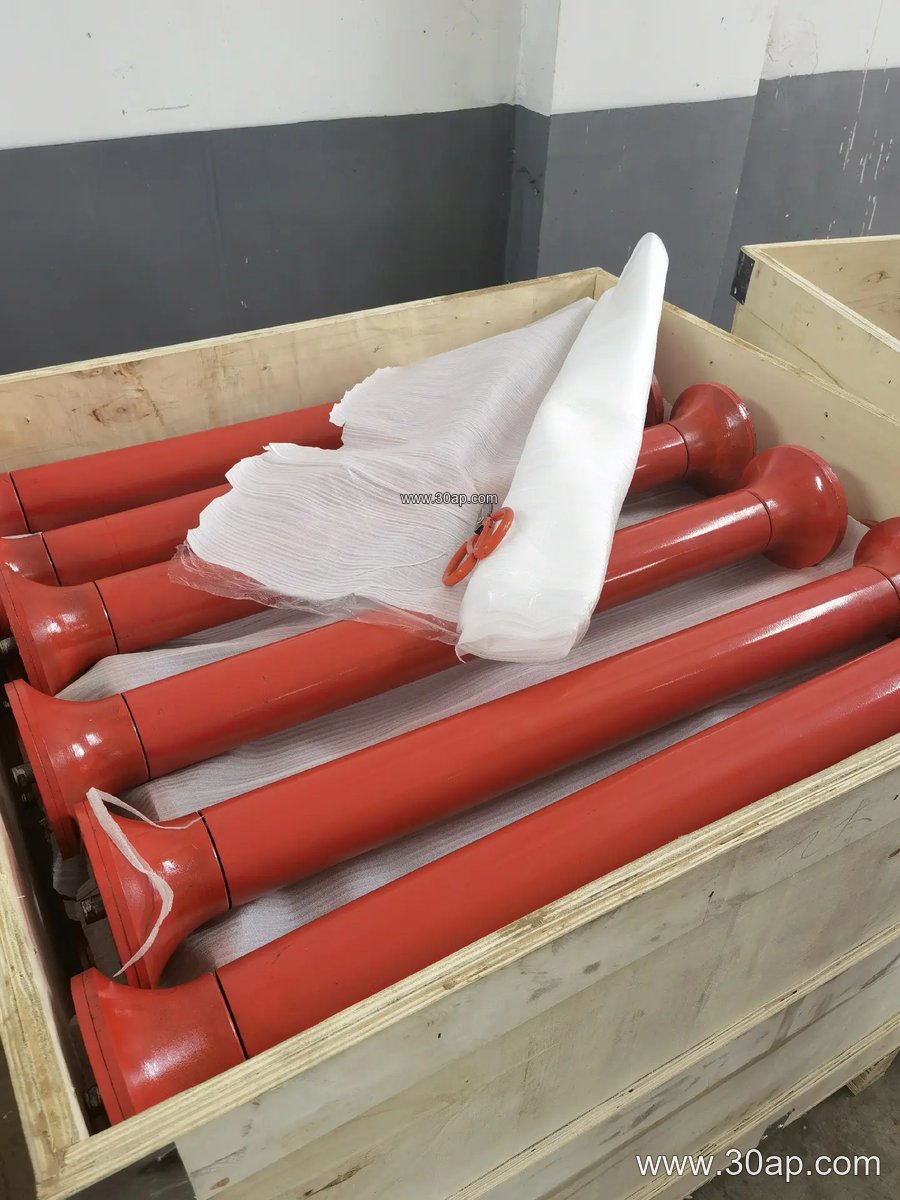
How the Assembly Is Put Together
Most designs start with a steel tube shell, machined at both ends to hold the bearing housing squarely. Common bearing sizes include 6204, 6205, 6305, 6306, 6308 and 6310, and the choice normally follows the shaft diameter, the load and the expected service life rather than the belt width alone. Sealing is the detail that decides whether the idler survives a wet washdown area or a dusty transfer point; labyrinth seals and multi-stage lip seals are typical options.
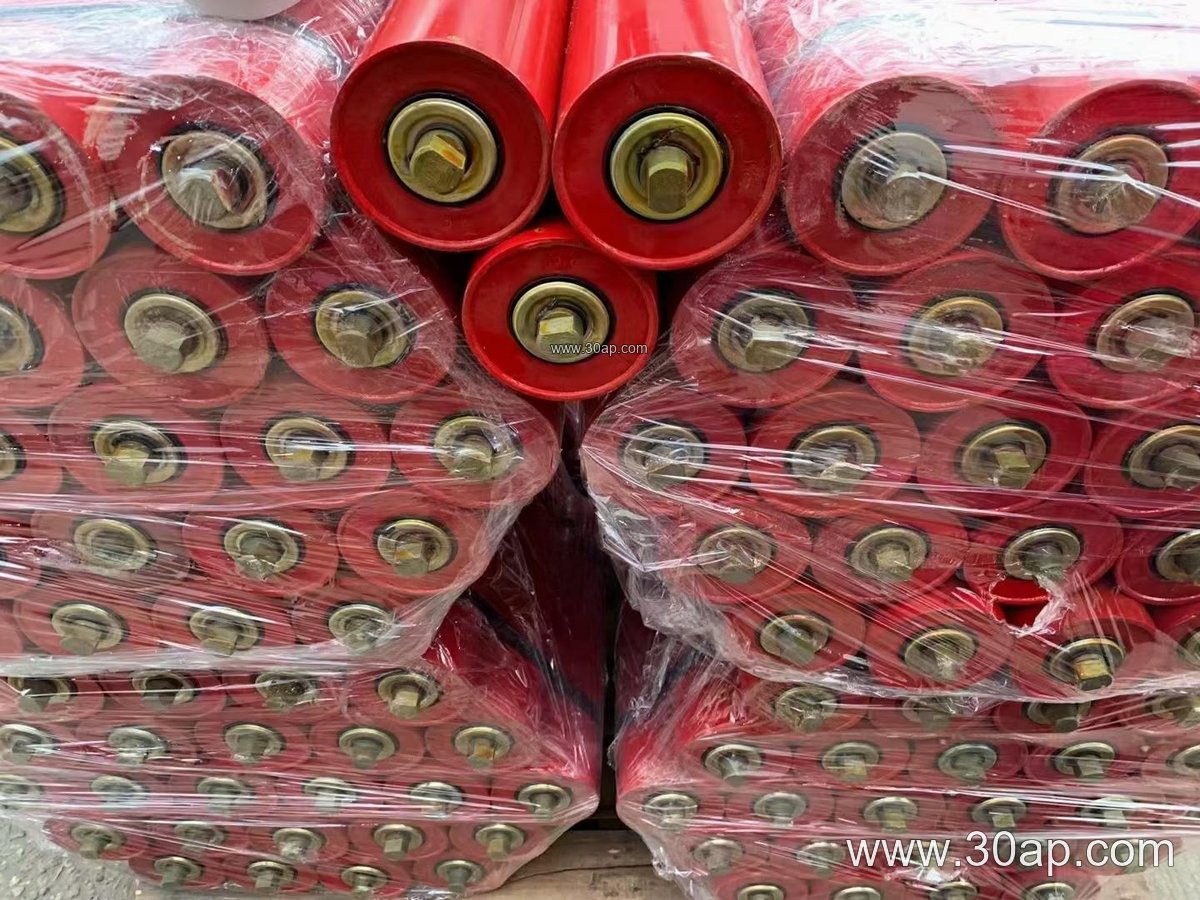
The roller surface can be plain steel, nylon, ceramic or rubber rings. Rubber rings are a frequent request where impact is heavy, while ceramic or nylon covers are sometimes chosen where sticky material builds up on plain steel. Roll length is not a single number: it changes with belt width, trough angle and whether the set is two-roll or three-roll. For reference, a three-roll troughing set might use roughly 200 mm rolls at B500, 250 mm at B650, 315 mm at B800, 380 mm at B1000 and 465 mm at B1200, but side rolls and centre rolls can differ and the final figure is set by design.
Where These Rollers Fit on the Line
A single conveyor can call for several different custom idler positions. Troughing idlers carry the loaded strand; impact idlers with rubber rings sit under the chute; return idlers support the empty belt; and self-aligning or friction training idlers correct drift on long runs. Trough angles of 20, 30, 35 and 45 degrees are all used, and a small forward tilt of about 1.5 to 2 degrees appears on some training arrangements to help the belt stay centred.
In a limestone quarry, the primary discharge and the transfer tower are usually the places where a made-to-order roller earns its cost, because belt widths of 1000 mm or 1200 mm and a 35-degree trough may not be covered by a stock item. In a coal handling plant feeding a power station, flame retardant and anti-static properties of the belt matter, and the roller seals must cope with fine coal dust. The idler itself is not the belt, but it works with a flame retardant conveyor belt, an abrasion resistant conveyor belt or a heat resistant conveyor belt every day, so the roller cover and bearing protection should be chosen with the same care as the belt specification. Where a steel cord conveyor belt or a heavy-duty mining conveyor belt runs at high tension, the frame and bracket stiffness deserves particular attention, and a custom idler roller can be matched to the existing conveyor bracket pattern without redrilling the frame.
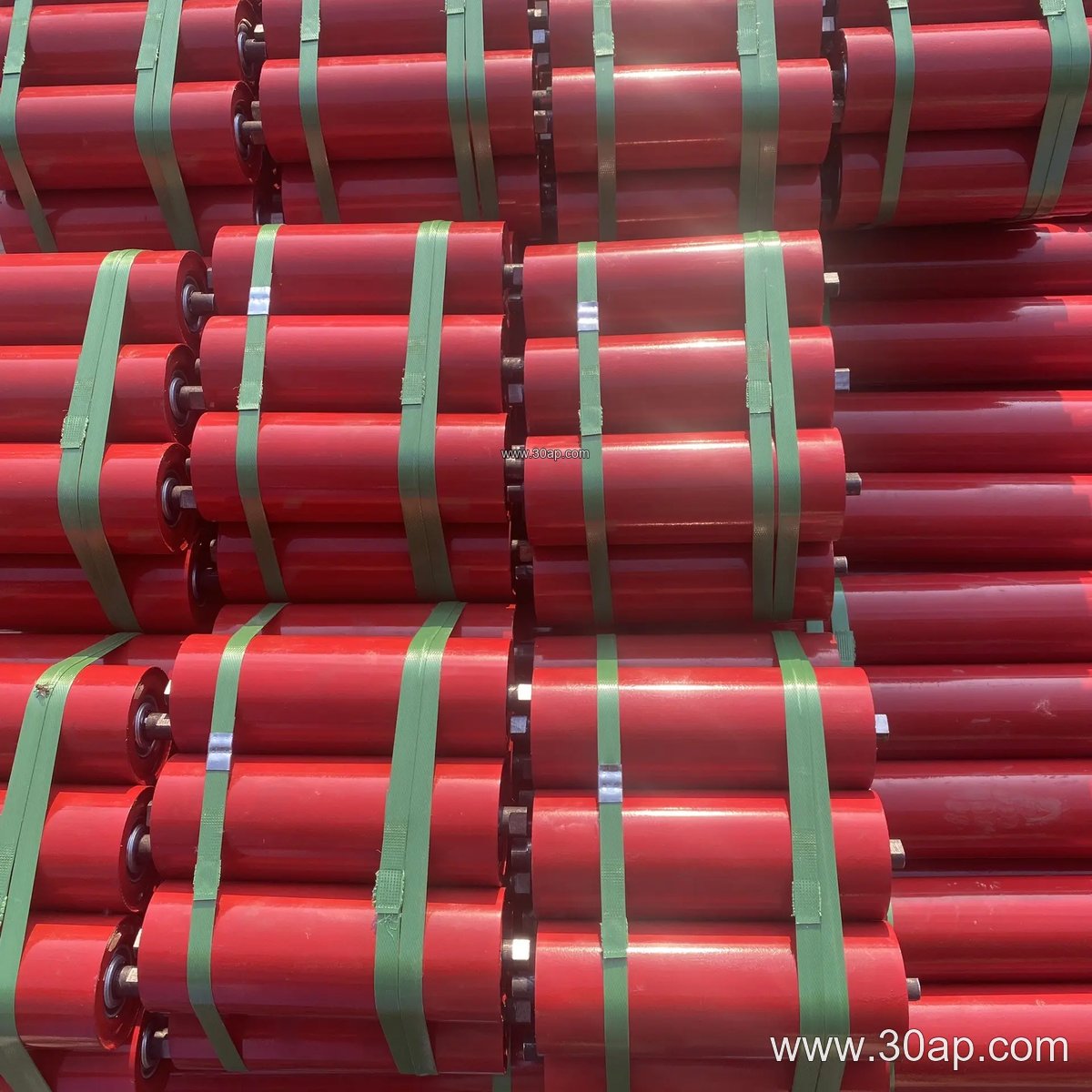
Specification Points a Buyer Should Confirm
A clear enquiry saves a lot of rework. The following reference table shows the kind of data that is normally exchanged; the values are common examples, not fixed combinations.
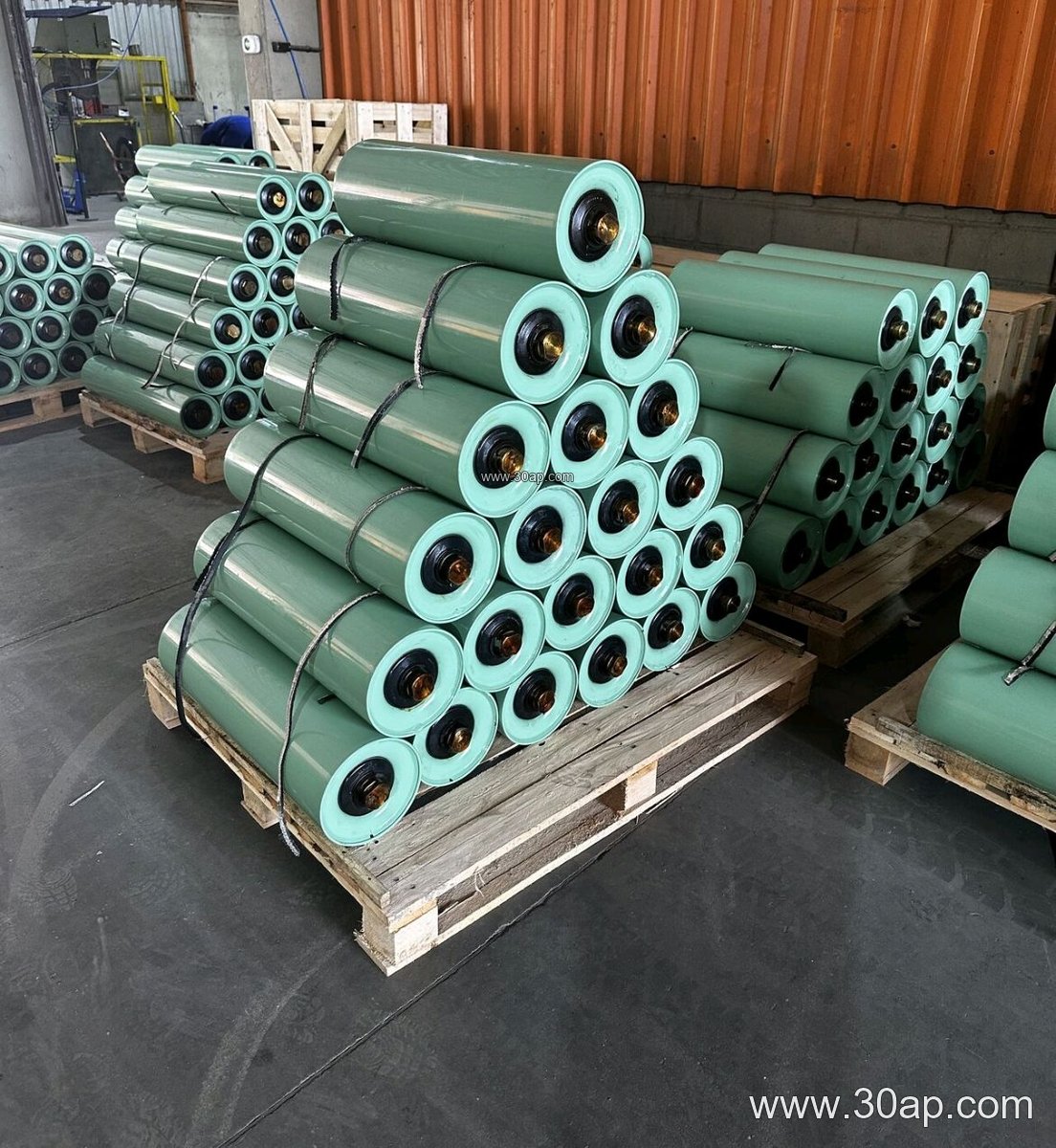
- Roller diameter: Ø63, Ø76, Ø89, Ø102, Ø108, Ø127, Ø133, Ø159, Ø178, Ø194, Ø219
- Belt width: B400, B500, B650, B800, B1000, B1200, B1400, B1600, B1800, B2000, B2200, B2400
- Trough angle: 20, 30, 35, 45 degrees
- Set form: single roll, two-roll, three-roll troughing
- Surface: steel tube, nylon, ceramic, rubber ring
- Bearing: 6204, 6205, 6305, 6306, 6308, 6310
It also helps to state the material being carried, the ambient temperature, whether the area is wet or dusty, and the shaft and bracket dimensions taken from the existing frame. A roller that suits an iron ore line is not automatically right for a fertiliser warehouse, and a roller that works under a crusher discharge may be unnecessary on a clean return run. Mentioning the mating equipment, such as the conveyor pulley at the head end and the conveyor bracket at each station, lets the supplier check clearances before production.
Installation and Maintenance Notes
Alignment matters as much as the roller itself. A custom idler installed on a skewed bracket will wear its seal and load one side of the bearing, no matter how well it was made. During commissioning, check that all troughing sets sit at the same height and that the return idlers do not lift the belt off the pulley. In dusty service, a periodic check of seal condition and roller rotation is more useful than waiting for a seizure. Keeping a small number of spare assemblies on site, sized for the busiest stations, reduces downtime in a sand and gravel line or a tunnel spoil run.
For buyers comparing options, the practical question is simple: which roller geometry, cover and bearing protection keeps this belt running straight with the least attention? Answering that with measured frame data and a clear material description is what turns a generic order into a genuinely custom idler.