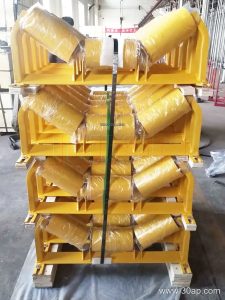
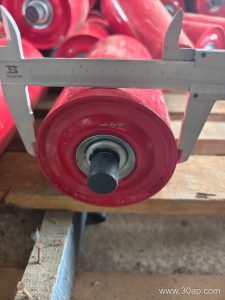
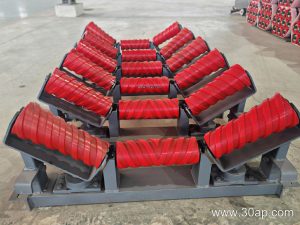
What a Fixed Conveyor Bracket Does
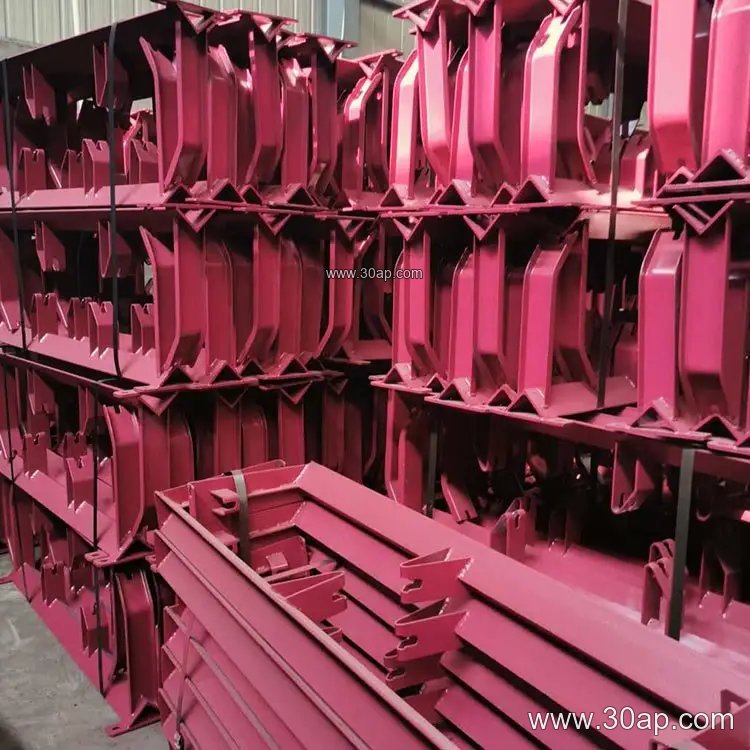
A fixed conveyor bracket is the welded or bolted frame that holds idler rollers at a set position along a conveyor’s carrying or return run. Unlike an adjustable bracket, its trough angle and roller spacing are locked in at the factory or assembly stage, so once installed the geometry stays put. That makes it a good fit for lines where the belt profile, material load and maintenance routine are already well understood, such as a limestone quarry incline or a power plant coal handling gallery.
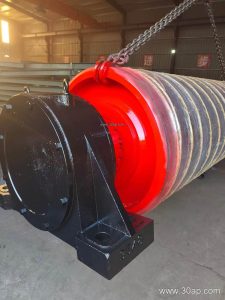
The bracket is not a pulley and should never be treated as one. Drive pulleys, tail pulleys and bend pulleys each do a different job at the head, tail and curve points, while the fixed bracket simply supports the belt between those stations through a conveyor idler roller.
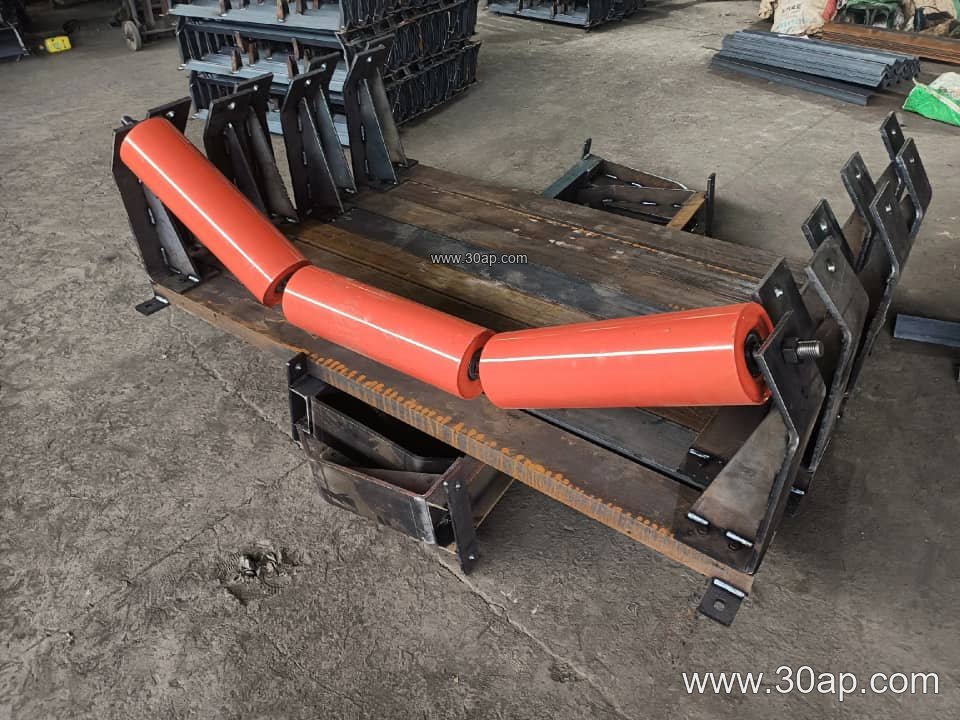
How the Frame Is Built
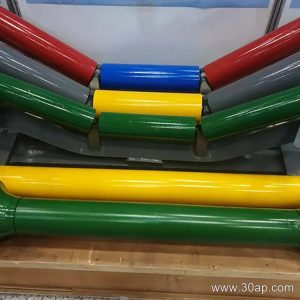
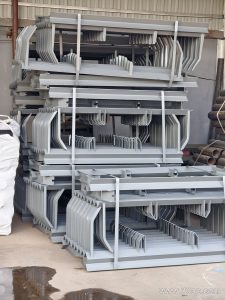
Most fixed brackets are fabricated from angle steel, channel steel or folded steel plate. The crossbeam length, mounting hole spacing and roller seat positions are determined by belt width, trough angle and roller diameter, so they are always made to drawing rather than picked from a single universal number. A typical assembly includes:
- A crossbeam that spans the conveyor stringer
- Two or three roller seats set at the chosen trough angle
- Mounting feet or bolt holes for fixing to the frame
- Reinforcing gussets where the load is heaviest
Common trough angles are 20, 30, 35 and 45 degrees, and common roller diameters are Ø89, Ø108, Ø133, Ø159 and Ø194. A B800 line at 35 degrees with Ø108 rollers and a B1200 line at 45 degrees with Ø133 rollers are both plausible, but neither is a rule. Belt width does not lock in one trough angle or one roller diameter, and shaft size must come from the actual design load, not from the belt width alone.
Where Fixed Brackets Fit Best
Fixed brackets suit stable, high-tonnage runs. In a sand and gravel plant they carry the belt under a steady aggregate load; in a cement plant they hold the trough through the clinker and raw meal sections; in a steel plant sinter line they keep the belt profile constant through long straight runs. They also appear in coal mining conveyor systems and underground mining conveyor lines where a repeatable, low-maintenance profile matters more than field adjustability.
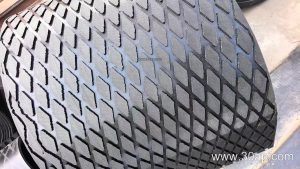
The belt itself works together with the bracket. A heavy-duty mining conveyor belt or abrasion resistant conveyor belt running over correctly aligned rollers will wear more evenly than one that fights a misaligned frame. Where the load is lumpy, a buffer bracket with impact rollers is often used at transfer points, and a self-aligning bracket is chosen on long runs to correct minor belt drift.
Fixed Versus Adjustable
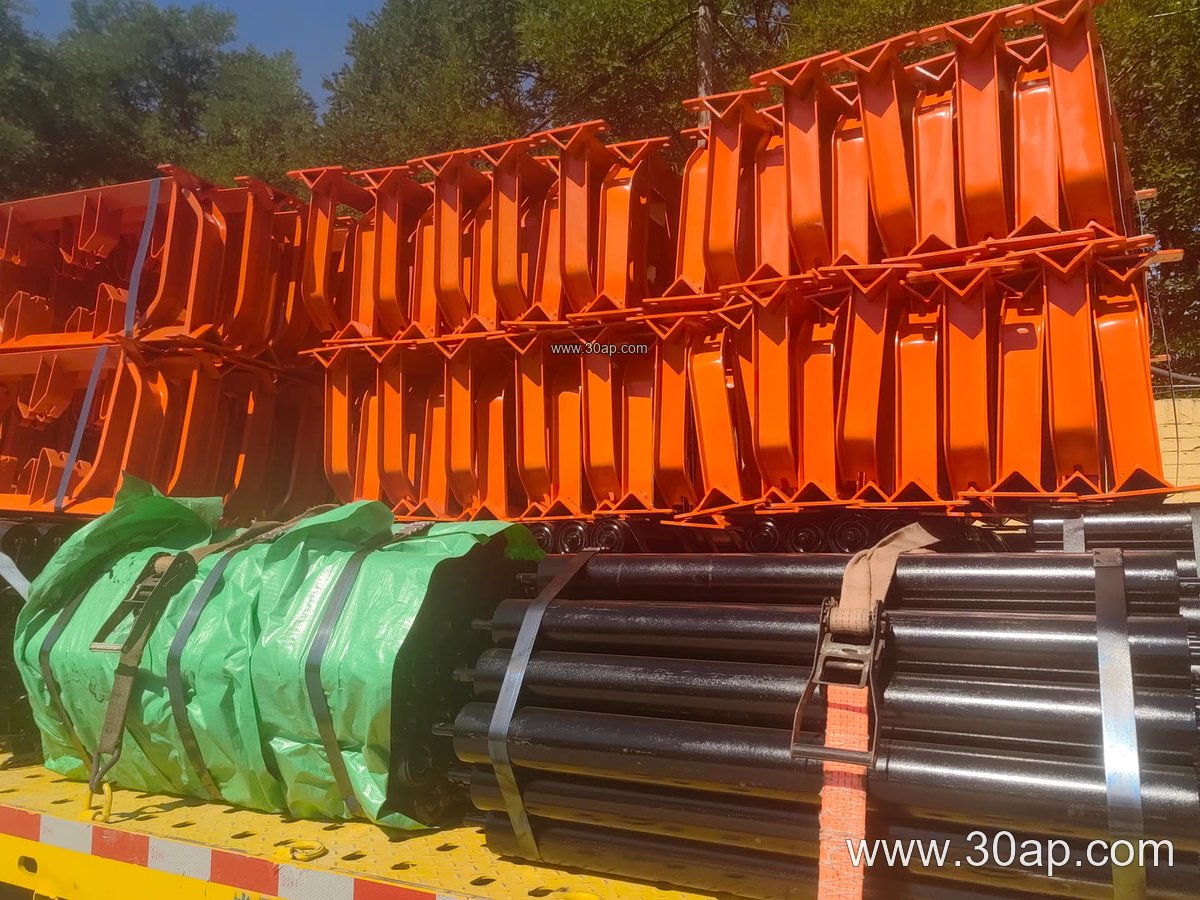
An adjustable bracket lets maintenance staff change the trough angle between the common settings, which is useful when a line handles mixed materials or is still being tuned. A fixed bracket gives up that flexibility in exchange for a stiffer, simpler frame with fewer moving parts. In practice, many conveyors use fixed brackets on the main run and reserve adjustable or self-aligning units for transition zones and problem spots.
Selection Notes for Buyers
Before ordering, confirm the belt width, the required trough angle, the roller diameter and the mounting hole pattern on the existing stringer. Also check the material being carried, because a heat resistant conveyor belt in a cement kiln area or an oil resistant conveyor belt in a recycling line may call for different roller and bracket choices than a standard EP conveyor belt duty. For flame-sensitive locations such as coal handling, confirm that the surrounding components match the flame retardant conveyor belt specification.
Ask for the fabrication drawing, the steel grade and the surface treatment. A fixed conveyor bracket is a low-cost part, but a wrong hole spacing can stop a whole transfer line, so dimensional confirmation matters more than price. Buyers can also review related hardware such as conveyor pulley, idler roller and conveyor belt options together with the bracket order to keep the whole support system consistent. More reference drawings and bracket details are available at conveyor-bracket.com for project teams comparing fixed and adjustable designs.