What a Guide Pulley Does on a Conveyor
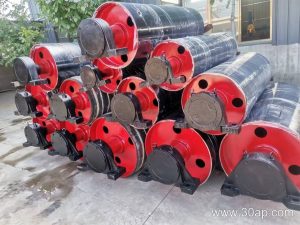
A guide pulley is a key component that helps control belt alignment and transition along a conveyor route. Often referred to as a self-aligning idler pulley or training pulley, it is installed to keep the conveyor belt centered, especially on long runs, curves, or where material loading can cause drift. Unlike drive, tail, and bend pulleys that primarily transmit power or change belt direction, the guide pulley focuses on lateral guidance and stability. Its role becomes critical in industries such as mining, cement plants, power stations, and quarry operations where belt mistracking can lead to spillage, edge damage, and unplanned downtime. You can find these pulleys working alongside conveyor idlers and brackets to maintain smooth material flow. For reliable belt performance, pairing guide pulleys with quality conveyor components from www.yourdomain.com/guide-pulley ensures consistent operation.
Construction and Surface Options
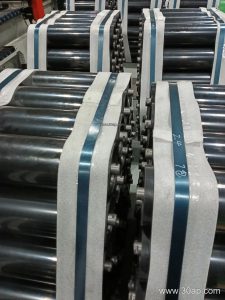
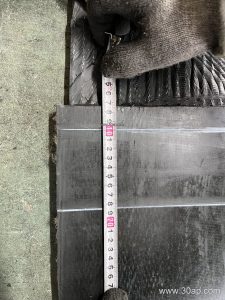
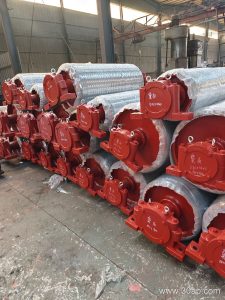
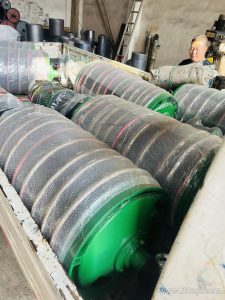
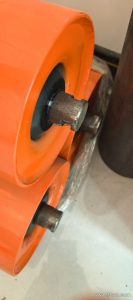
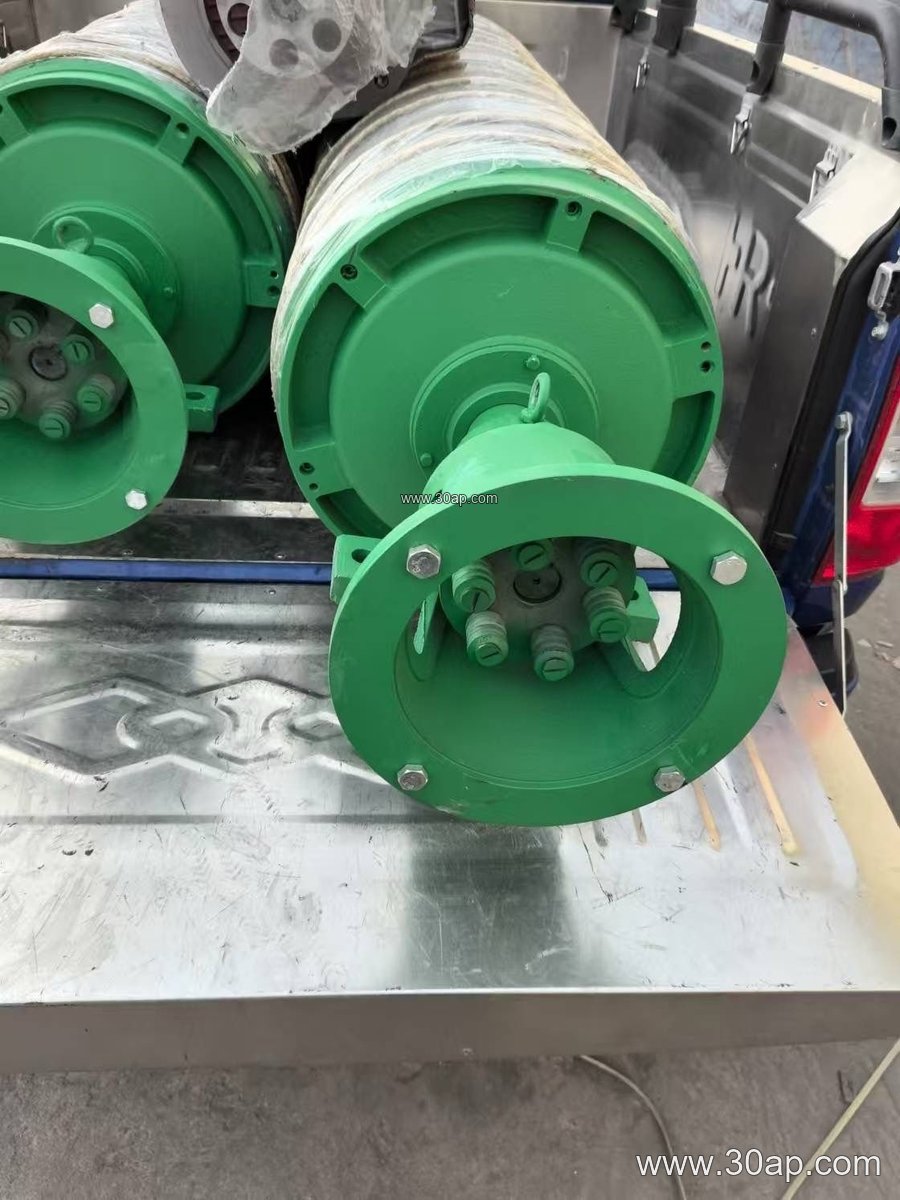
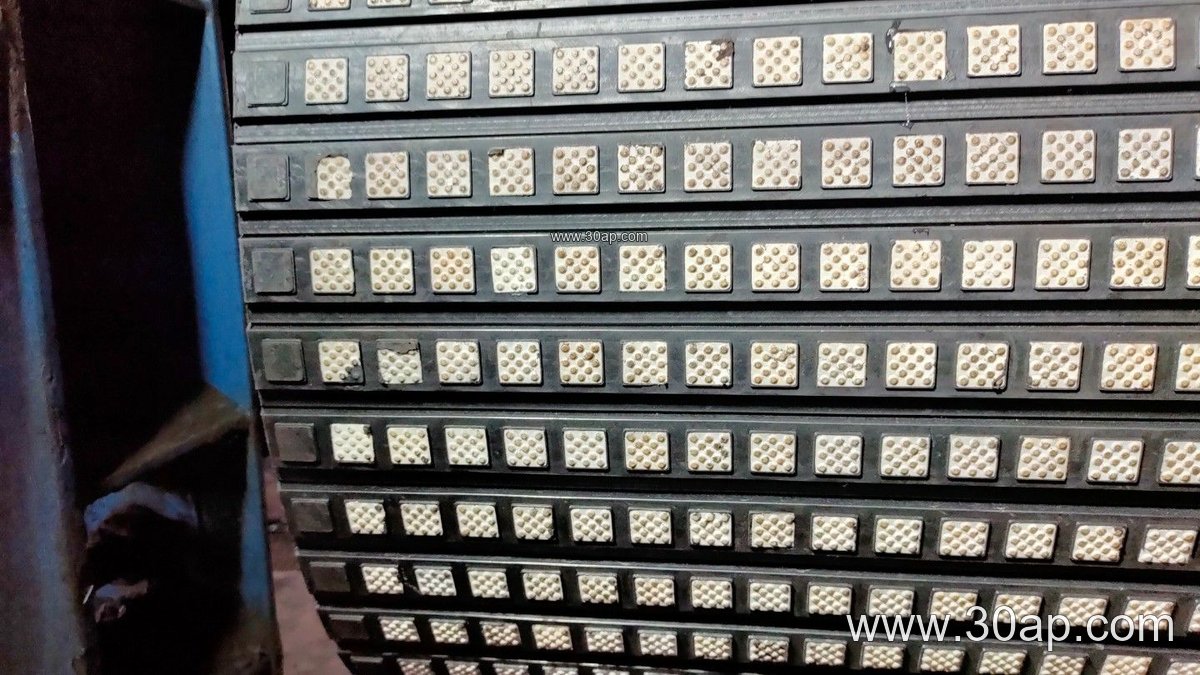
Most guide pulleys are built with a steel drum, shaft, and bearing housings. The surface may be plain or covered with rubber lagging to improve grip and protect the belt. Common lagging types include diamond pattern and plain rubber, with thicknesses often in the range of 8 mm to 20 mm. The pulley diameter is selected based on belt width, tension, and space constraints; typical diameters for guide pulleys might range from Ø200 mm to Ø800 mm, though larger sizes are available for heavy-duty applications. Shaft diameters are determined by torque and load, with common sizes like Ø50 mm to Ø200 mm. The pulley face width usually exceeds the belt width to ensure full support—for example, a B800 belt may use a pulley face around 950 mm. These pulleys are often mounted on conveyor brackets and work in conjunction with idler rollers to maintain belt trajectory. When specifying a guide pulley, consider the belt type, such as EP conveyor belt or steel cord conveyor belt, as different belts may require specific lagging or crown profiles.
Where Guide Pulleys Are Used
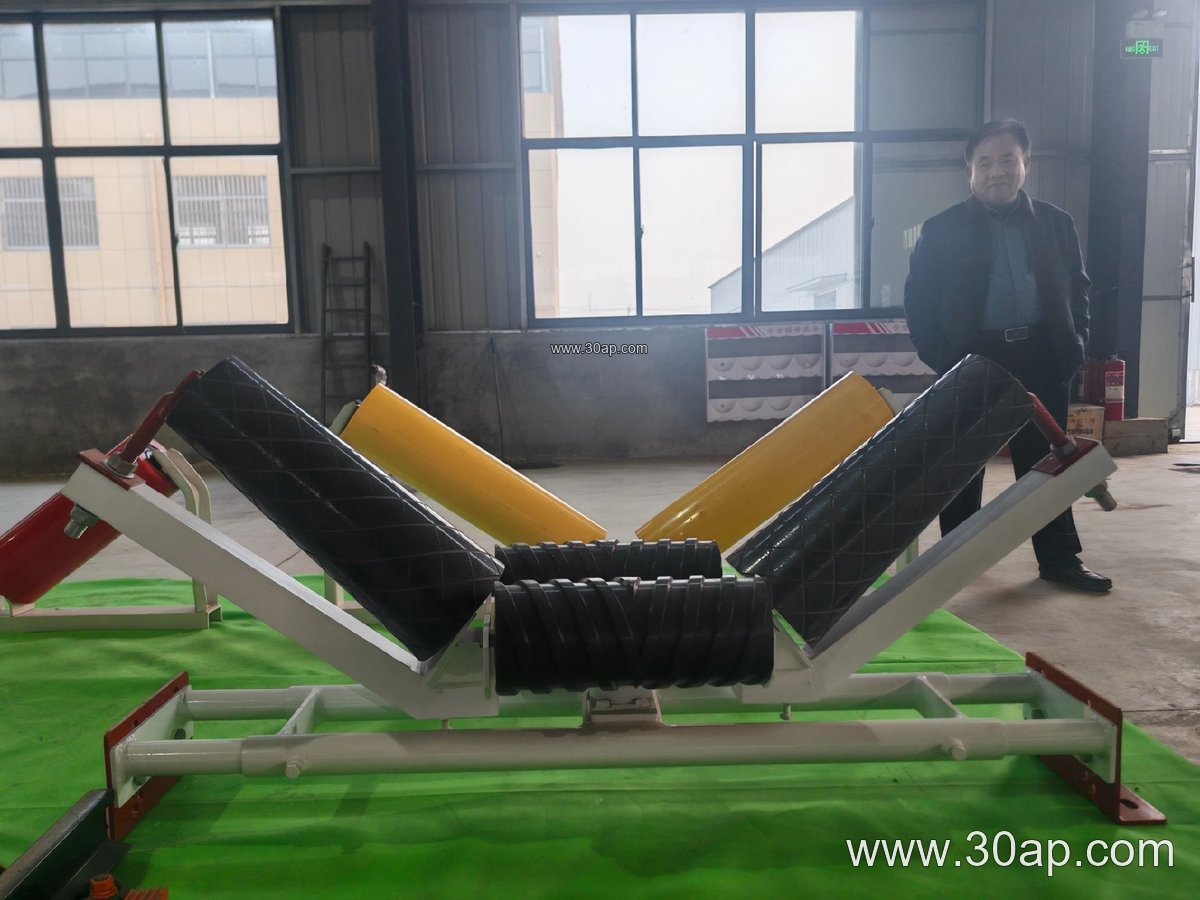
Guide pulleys are found in a wide range of bulk material handling systems. In coal mining operations, they help keep underground mining conveyor belts on track despite uneven loading and curves. In cement plants, they guide belts carrying clinker and raw materials, reducing spillage and extending belt life. Power plants use them on coal conveying lines to prevent misalignment that could cause fires or equipment damage. Quarries and aggregate plants rely on guide pulleys to maintain alignment on steep inclines and around transfer points. They are also used in port facilities, steel mills, and fertilizer plants. In each setting, the guide pulley works with other conveyor components like impact idlers, return rollers, and conveyor brackets to ensure the belt runs smoothly. For harsh conditions, pairing guide pulleys with abrasion resistant conveyor belt or heat resistant conveyor belt can further improve system reliability.
Selection and Sizing Considerations
Choosing the right guide pulley involves several factors. First, determine the belt width and the required pulley face width—usually 100 to 200 mm wider than the belt. For instance, a 1200 mm wide conveyor belt would typically use a pulley face of about 1400 mm. Next, select the pulley diameter based on belt tension and space; common combinations include B800 × Ø500 and B1200 × Ø1000, but these are not fixed rules. The shaft diameter must be calculated from the actual torque and radial load, not simply derived from belt width. Lagging type depends on the environment: diamond lagging for general grip, plain rubber for gentle contact, or ceramic lagging for high-wear areas. Bearing selection should match the load and speed. It’s also important to consider the pulley’s location—head, tail, or intermediate—as guide pulleys are often placed at transition points or before curves. Always consult the conveyor design to ensure compatibility with the belt, such as EP1000 or ST1600, and the overall system. For expert advice on guide pulley selection, visit www.yourdomain.com/guide-pulley.
Maintenance and Troubleshooting
Regular inspection of guide pulleys helps prevent costly downtime. Check for lagging wear, bearing play, and shaft alignment. Misalignment can cause belt edge damage and accelerate pulley wear. Lubricate bearings according to the manufacturer’s schedule, and replace worn lagging to maintain effective guidance. Keep the pulley surface clean; material buildup can cause belt mistracking. In dusty environments like coal mines or quarries, use sealed bearings and consider additional protection. Monitor belt tracking regularly—if the belt drifts despite a properly adjusted guide pulley, inspect idler alignment and loading conditions. Partnering with a trusted supplier like www.yourdomain.com/guide-pulley ensures access to high-quality guide pulleys and technical support. Remember that guide pulleys are not interchangeable with drive or tail pulleys; each has a distinct role in the conveyor system.
Key Takeaways for Buyers
- Understand the difference between guide pulleys and other types like drive, tail, and bend pulleys.
- Specify pulley face width based on belt width, and select diameter and shaft size from actual load calculations.
- Choose lagging type and thickness to suit the environment and belt material.
- Ensure compatibility with conveyor idlers, brackets, and the belt type (e.g., fabric core or steel cord).
- Plan for regular maintenance to extend pulley and belt life.
For more information on guide pulleys and related conveyor components, explore www.yourdomain.com/guide-pulley.