What the ST1250 Conveyor Belt Is
The ST1250 Conveyor Belt is a steel cord conveyor belt with a nominal tensile strength of 1250 N/mm. In this designation, ST stands for steel cord construction and 1250 indicates the breaking strength class of the carcass. It sits in the middle of the common steel cord range, above ST1000 and below ST1600, ST2000, ST2500 and ST3150, which makes it a practical choice for long, heavily loaded conveying lines where fabric belts would need too many plies or become too thick. You may also see it described as an ST1250 steel cord belt or a high strength conveyor belt; these are equivalent ways of naming the same product.
Because the tension members are steel cords rather than woven fabric, the belt stretches very little under load and keeps a stable troughing profile on long spans. That behaviour matters on trunk conveyors in mines, cement works and power plants, where start-up and stopping forces are large and take-up travel is limited.
How the Belt Is Built
A typical ST1250 belt is made up of four functional layers. The top and bottom cover rubber protect the carcass from abrasion, impact, moisture and, where specified, heat, oil or flame. Beneath the covers, a layer of transverse steel cords or breaker fabric absorbs impact at transfer points. The core is a single plane of parallel steel cords, spaced according to the strength class and belt width. The whole assembly is vulcanised into one solid slab.
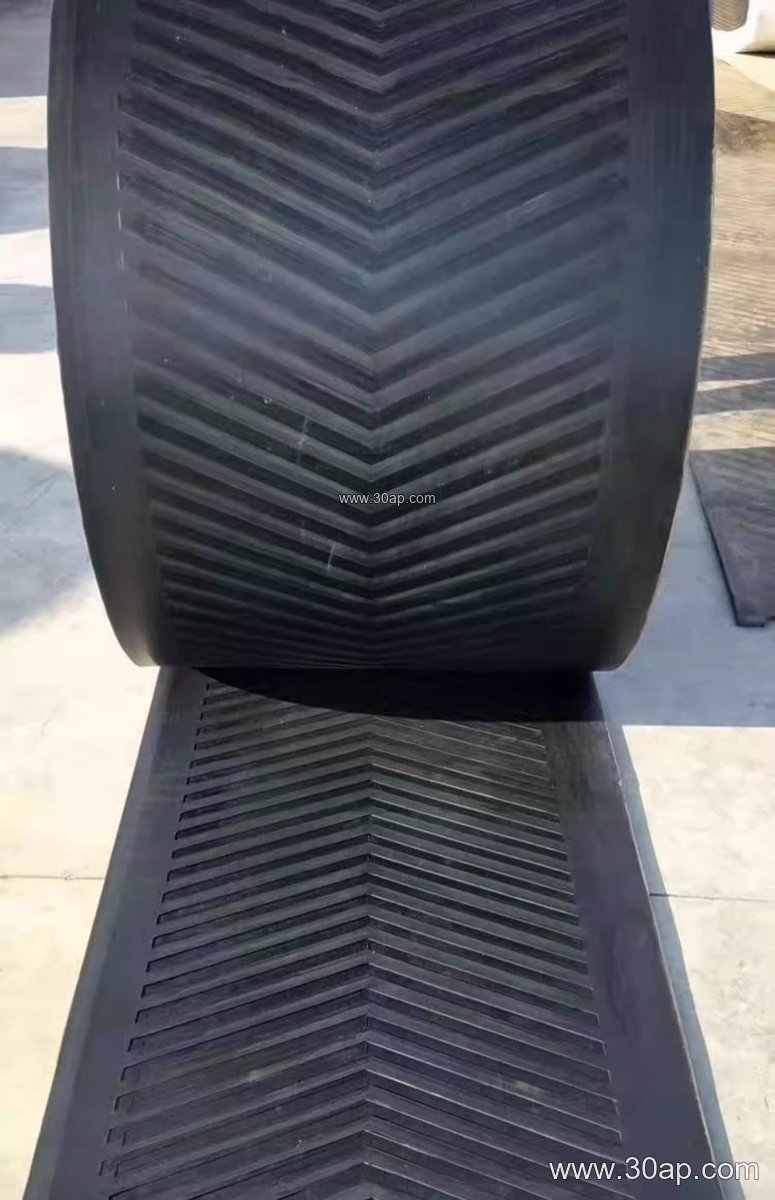
Cover compounds are selected for the duty. A quarry or iron ore line usually asks for an abrasion resistant conveyor belt; a cement kiln feed or clinker line may need a heat resistant conveyor belt; a coal mining conveyor belt underground often requires flame retardant and anti-static properties. Acid resistant, oil resistant and cold resistant variants also exist for specific plants.
Typical Sizes and Construction Data
The values below are common reference figures. Actual cord pitch, cover grade and total thickness are fixed by the manufacturer for each order, so treat them as a starting point rather than a universal specification.
- Strength class: ST1250, nominal 1250 N/mm
- Common belt widths: B800, B1000, B1200, B1400, B1600, B1800, B2000
- Common cover combinations: 4+2 mm, 5+2 mm, 6+2 mm, 8+3 mm
- Typical cord diameter: roughly 3.0 to 4.5 mm depending on design
- Service conditions: ambient to elevated temperature, wet or dry bulk material
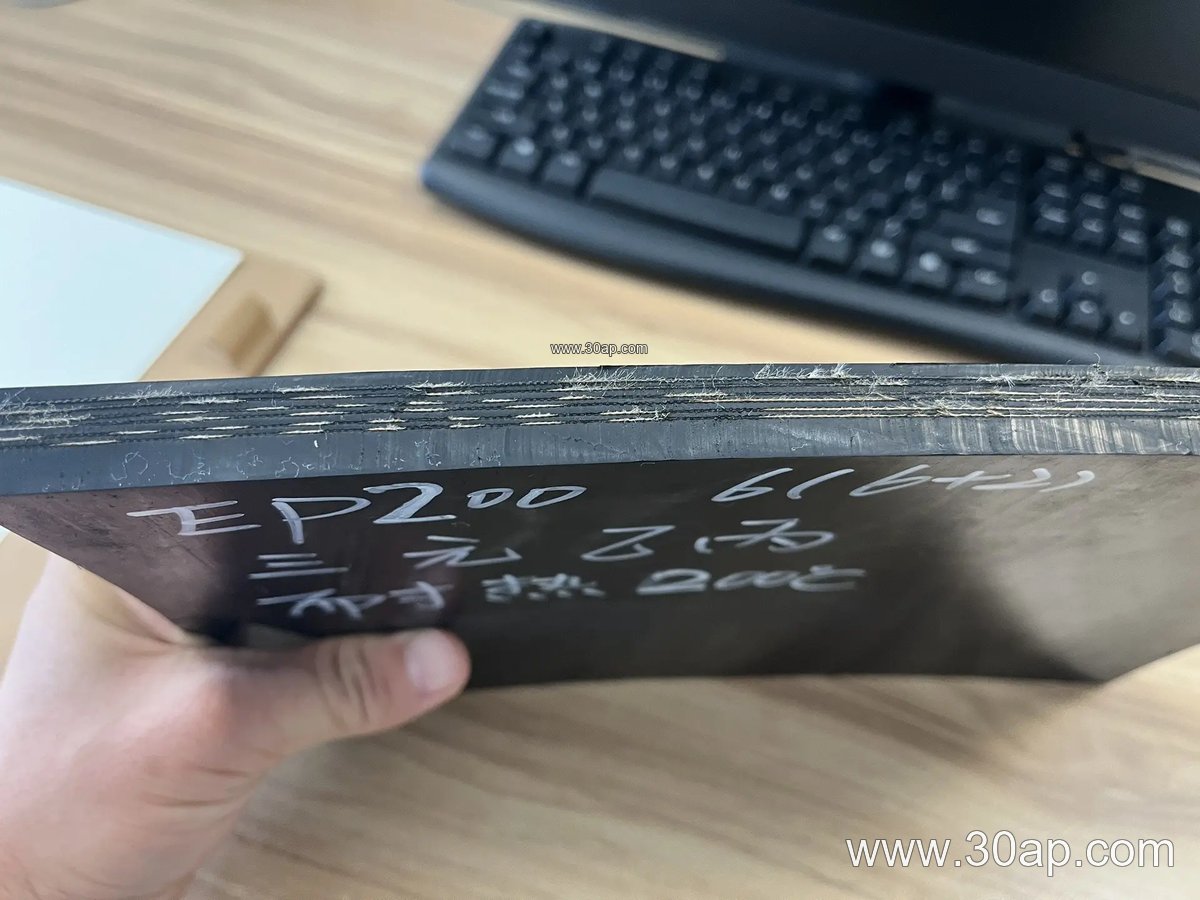
For comparison, an EP conveyor belt or NN conveyor belt of similar width would normally need multiple fabric plies to approach this strength, and a multi-ply fabric core conveyor belt becomes stiff and heavy at the top of its range. That is why steel cord construction is preferred once conveyor lengths and tonnages grow.
Where It Fits on the Conveyor
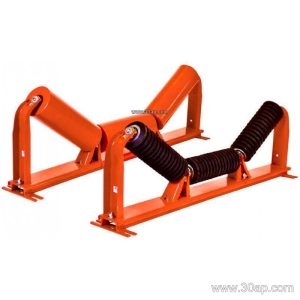
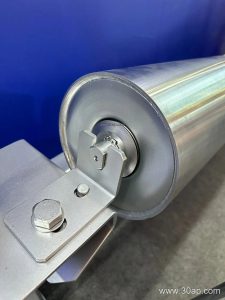
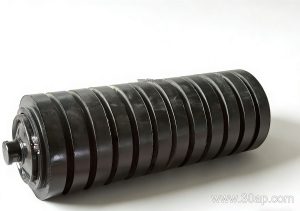
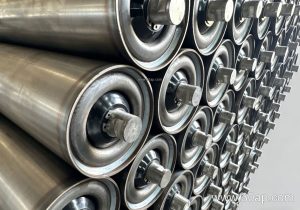
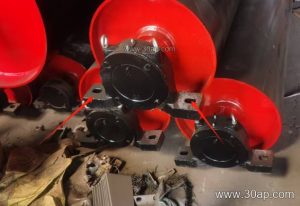
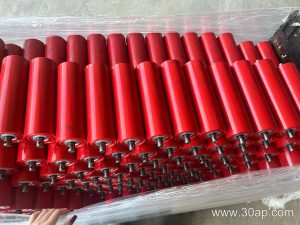
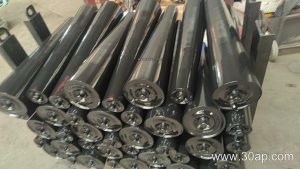
An ST1250 belt runs over a drive pulley, tail pulley and bend pulleys, supported between them by idler rollers carried on conveyor brackets. The belt is not tied to one pulley diameter; the drive pulley size is calculated from belt tension, cord fatigue limits and wrap angle, not from belt width alone. Shaft diameter follows the pulley design and torque, so it should never be assumed from the belt width.
Typical installations include:
- Underground coal mining conveyor belts and surface coal handling
- Iron ore, copper ore and gold mining conveyor lines
- Cement plant raw meal and clinker transport
- Power plant coal feed and ash handling
- Port and ship loading conveyor systems
- Crushing and screening plants in sand and aggregate works
In these duties the belt may be combined with a chevron conveyor belt on steep inclines, or with a corrugated sidewall belt where the material must be contained. Those are different products chosen for different sections of the same plant, not substitutes for the ST1250 main haul.
Buyer Checklist
Before ordering, confirm the maximum working tension, the conveyor length and lift, the material size and temperature, and whether flame retardant or anti-static approval is required. State the belt width, cover thickness and cover grade clearly, and ask for the cord pitch and total thickness so that pulley and idler spacing can be checked. On site, keep the belt tracking well, maintain the idler rollers and pulley lagging, and inspect splices regularly, since a steel cord belt is usually joined by vulcanised splice and splice quality governs service life. For matching components such as conveyor pulley, idler roller and conveyor bracket, buyers can review the range at www.beltconveyorparts.com and confirm compatibility with the selected belt specification before purchase. A correctly matched ST1250 steel cord belt will give long, low-stretch service in the toughest bulk handling environments.