What a Rock Conveyor Belt Is
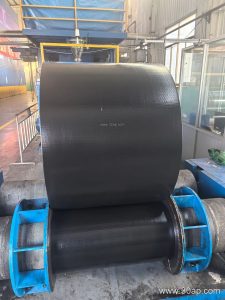
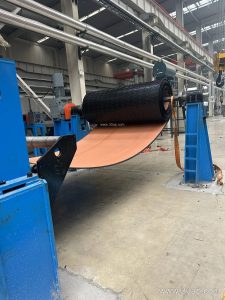
A rock conveyor belt is the heavy-duty carrying medium on a conveyor system that moves crushed stone, ore, gravel, and other abrasive bulk materials. In practice, it is a rubber conveyor belt built with a strong carcass and a thick, tough cover, designed to survive sharp edges, impact at the loading point, and constant flexing over pulleys. Buyers in mining, quarrying, cement, and aggregate plants often describe the same product as a stone crusher conveyor belt or an ore conveyor belt, depending on the duty it performs.
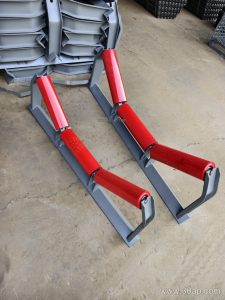
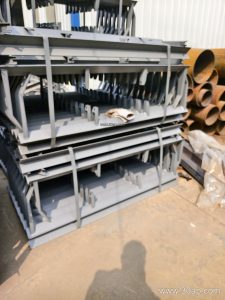
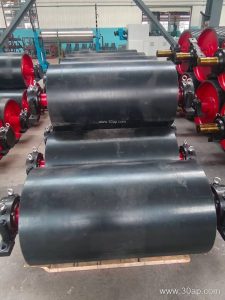
The belt is only one part of the circuit. It runs over a drive pulley, tail pulley, and bend pulleys, and it is supported by idler rollers mounted on conveyor brackets. Each of those components has its own job, and none of them substitutes for another. The belt itself must match the load, the environment, and the pulley layout.
Construction and Common Specifications
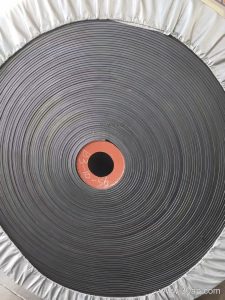
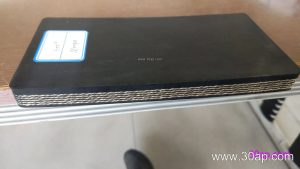
Most rock belts use a fabric core or a steel cord core. Fabric cores are usually EP (polyester-cotton) or NN (nylon-nylon), built in multiple plies. Steel cord belts use brass-plated wires for very long runs and high tension. Cover rubber is selected for abrasion, heat, oil, flame resistance, or cold, and the top and bottom covers can differ in thickness.
Typical reference values are shown below. These are common ranges, not fixed rules, and final dimensions are confirmed by design.
| Item | Common reference values |
|---|---|
| Fabric core type | EP200, EP315, EP400, EP500, EP630, EP800, EP1000, EP1250 |
| Nylon core type | NN100, NN200, NN300, NN400 |
| Steel cord type | ST1000, ST1250, ST1600, ST2000, ST2500 |
| Belt width | B500, B650, B800, B1000, B1200, B1400, B1600, B1800, B2000 |
| Cover thickness | 3+1.5, 4+2, 5+2, 6+2, 8+3 mm |
| Ply count | Usually 2 to 6 layers for fabric cores |
A 1200mm wide belt with an EP1000 carcass is a common combination in secondary crushing circuits, while a 650mm or 800mm belt may suit a smaller quarry line. Width and carcass grade are chosen together with the pulley diameters and the troughing angle, so a single belt width does not dictate one pulley size.
Where Rock Belts Are Used
These belts appear across heavy industry. In a coal mining conveyor belt system, flame retardant and anti-static grades are usual for underground mining conveyor belts. In a cement plant, heat resistant conveyor belts handle clinker and kiln discharge. Power plants use abrasion resistant conveyor belts for coal and limestone. Sand and gravel operations rely on aggregate conveyor belts and crusher conveyor belts, while ports use wide belts for ship loading.
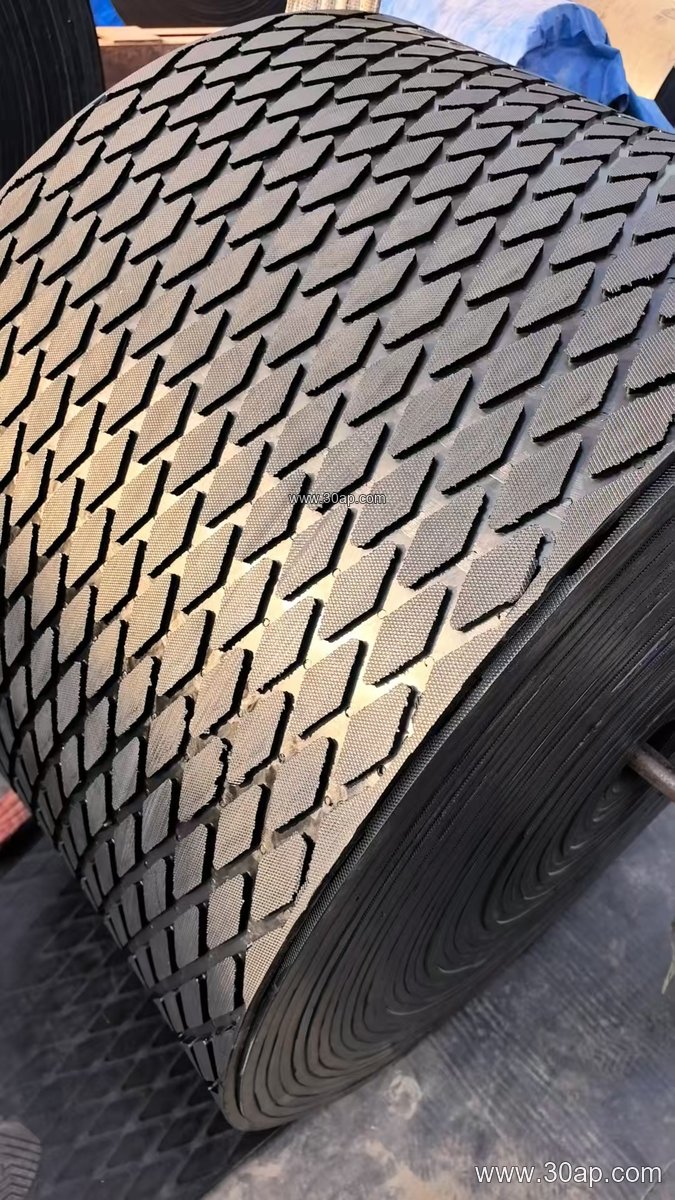
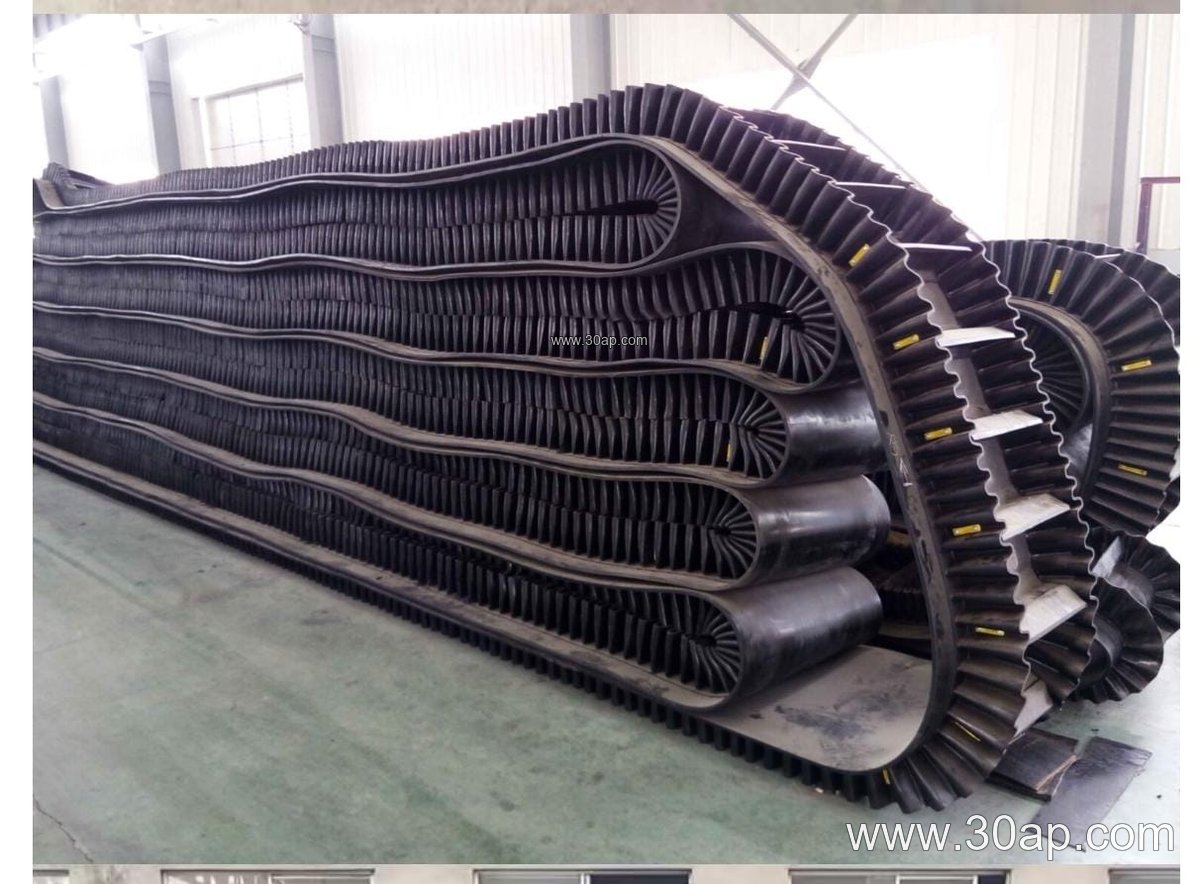
Special profiles solve specific problems. A chevron conveyor belt or corrugated sidewall conveyor belt holds material on steep inclines, and a skirted conveyor belt contains the load at transfer points. A pipe conveyor belt encloses the material to reduce spillage and dust. Heat resistant, oil resistant, cold resistant, and fire resistant grades extend service life in harsh conditions.
What Buyers Should Check
- Confirm the material size, density, and drop height at the feed point, since impact resistant covers and extra plies may be needed.
- Match the carcass grade to the calculated tension and the center distance, not to belt width alone.
- Check pulley diameters and the drive pulley lagging so the belt bends without excessive stress.
- Review idler roller spacing and conveyor bracket condition, because poor support shortens belt life.
- State the environment clearly: underground coal mining, high temperature, oily scrap, or coastal cold all change the rubber compound.
- Ask for the splice method, since an endless conveyor belt joint must equal the carcass strength.
Maintenance and Longevity
Inspect the belt regularly for edge damage, cover wear, and ply separation. Keep the tail pulley and bend pulleys clean, and check that idler rollers turn freely. Misalignment and material buildup are common causes of premature failure in quarry conveyor belts and mining conveyor belts. Storing spare belts away from sunlight and heat also protects the rubber before installation.
For more guidance on matching belts with conveyor pulleys, idler rollers, and conveyor brackets, visit www.example.com/rock-conveyor-belt for reference information.